After 232 years of production, the U.S. Mint stamped its final batch of pennies on November 12, 2025. This historic moment came as a response to mounting production costs – it cost 3.69 cents to produce every penny, the production process was nearly four times more expensive than the value of the coin itself. Yet, here’s the thing: the end of penny minting doesn’t mean these copper-plated coins are vanishing overnight. There are an estimated 300 billion pennies in circulation – far exceeding the amount needed for commerce.
So what should you actually do with the pennies gathering dust in your jars, couch cushions, and car cup holders? Let’s dive in.
Cash Them In Before Banks Get Tired of Them
The simplest option might be the smartest right now. While pennies will remain legal tender, the halt in production will likely lead to a shortage, and when pennies are no longer being minted, we’re relying on the circulation and the economy to bring those pennies in. Banks are already feeling the pinch. One Louisiana bank had $1,800 in pennies that were gone in two weeks. Take your penny stash to the bank now while they’re still eager to accept them, or use a coin-counting machine at your local grocery store. Yes, some machines charge a fee, but at least you’ll convert those heavy jars into usable cash.
Hunt for Rare Dates and Mint Errors
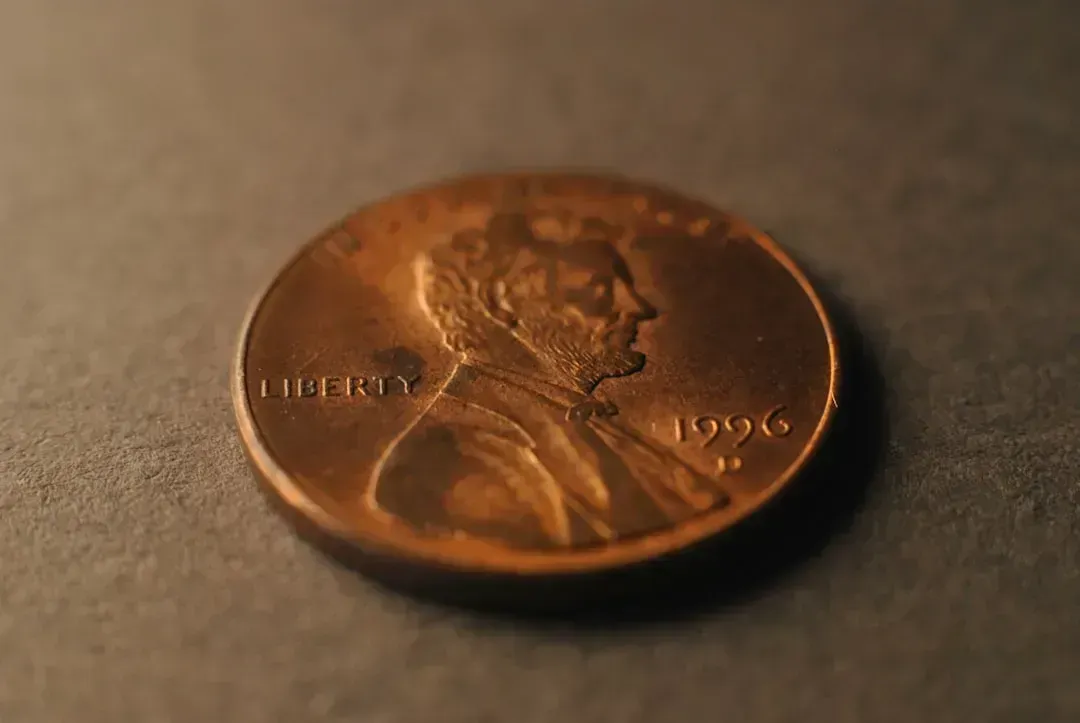
Before you dump every penny into a Coinstar, slow down and take a closer look. Certain years and mint marks can transform a one-cent coin into serious money. 1943 Wheat Pennies tend to regularly have value, and if you find a penny from 1943 that was accidentally made with bronze instead of steel, your one cent penny is worth money. Other valuable finds include the 1955 double-die penny, which shows heavy doubling in the date and lettering, and the 1909-S VDB Lincoln cent, one of the most sought-after coins due to its low mintage.
People have hoarded pennies for ages, and those pennies from 1982 and earlier were made out of copper, while those after 1982 feature zinc and copper. The copper content alone makes pre-1982 pennies worth slightly more than face value, especially if copper prices rise. It’s worth spending an hour sorting through your collection with a magnifying glass – you might be sitting on a small fortune.
Ignore the 2025 Penny Hype
Let’s be real: the internet is flooded with listings for 2025 pennies at outrageous prices. Online sellers rushed to list boxes of brand-new 2025 pennies for $1,000 or more, despite those boxes having a face value of just $25. Coin experts are calling this out as a scam. The U.S. Mint produced roughly a billion 2025 pennies before production ended, and dealers simply won’t buy a penny for more than it’s worth, so consumers probably shouldn’t either.
The situation mirrors past coin crazes that went nowhere. Think twice before paying inflated prices on auction sites. The vast majority of 2025 pennies will never be worth more than one cent, no matter what sellers claim. Save your money for actual rare coins with documented scarcity.
Keep a Few for Nostalgia
As the penny disappears from circulation, it may become a nostalgic keepsake or collectible, so save a few with unique dates or sentimental value for a future conversation piece or family heirloom. This isn’t about getting rich – it’s about preserving a piece of American history. Your grandkids might find it fascinating that you actually used physical pennies in daily transactions. Pick out pennies from meaningful years, like birth years or anniversaries, and tuck them away in a safe place.
Get Creative With Craft Projects
Honestly, pennies make surprisingly cool DIY materials. With a bit of glue and sealant, pennies can be turned into durable and eye-catching designs, and you can create wall art, mosaics, or jewelry using pennies, especially those with meaningful dates. Penny floors and tabletops have become Instagram-worthy home decor trends. The patina and varying shades of copper create visual interest that you can’t replicate with other materials.
If you’re not the crafty type, consider donating your pennies to a local school’s art program. Teachers are always looking for inexpensive materials for student projects, and pennies work perfectly for mosaics, sculptures, and learning activities about currency history.
Use Them as Educational Tools
Pennies are great teaching tools for young kids just learning about money, use them to explain coin values and practice counting, and talk about the history of currency and how money changes over time. The end of penny production offers a unique teachable moment. Kids can learn about economic decisions, production costs, and why governments sometimes discontinue things that no longer make sense. It’s a real-world economics lesson that beats any textbook.
Understand How Rounding Will Work
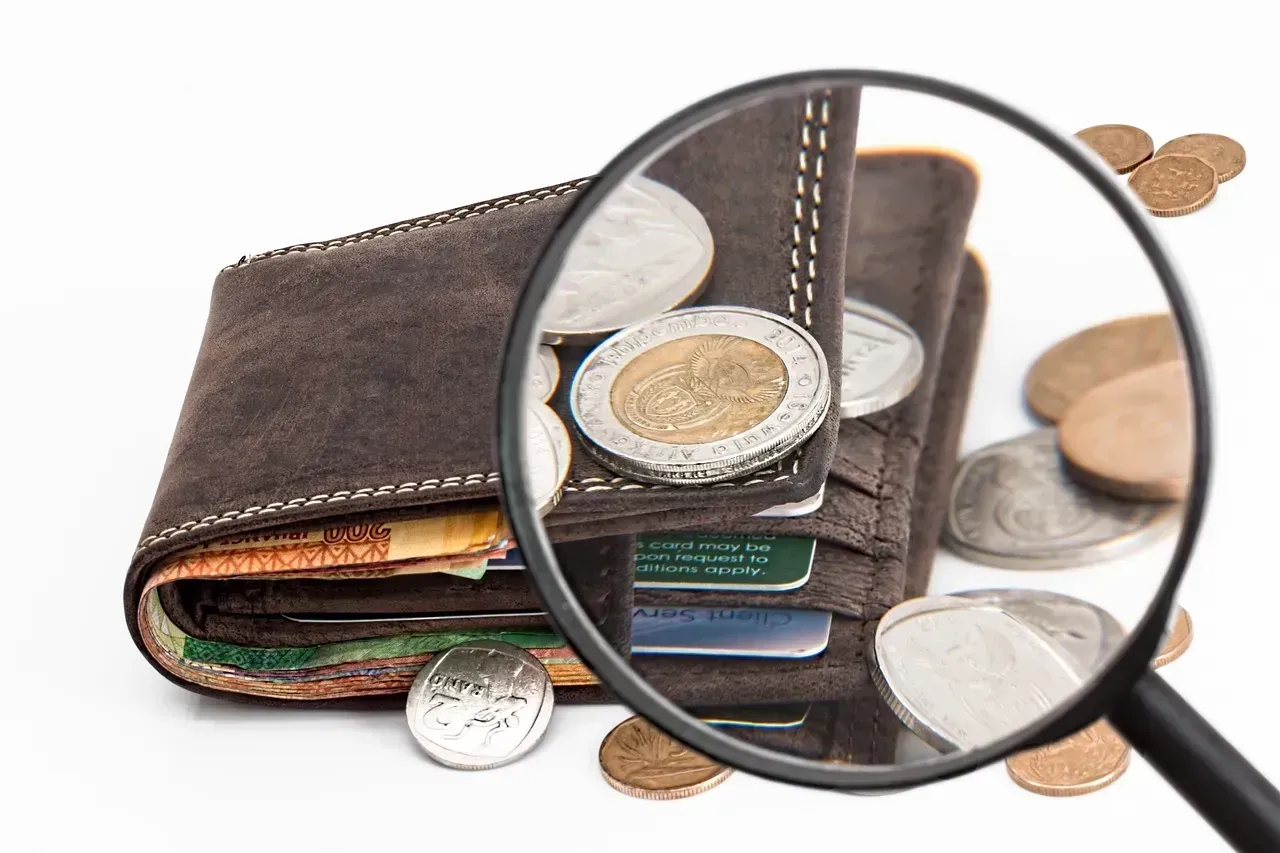
The most recommended form of rounding is symmetrical rounding whereby if the final digit of the total transaction amount (including taxes) is 1, 2, 6, or 7 cents, the amount is rounded down to the nearest multiple of five, and if the final digit is 3, 4, 8, or 9 cents, the amount is rounded up. This applies only to cash transactions – credit and debit purchases will still calculate to the exact cent.
Research suggests the impact will be minimal. Using data from the 2023 Diary of Consumer Payment Choice, the rounding tax could cost U.S. consumers approximately $6 million annually. That’s spread across the entire population, meaning the average person might pay or save just a few cents per year. Hardly worth losing sleep over.
Don’t Bother Melting Them Down
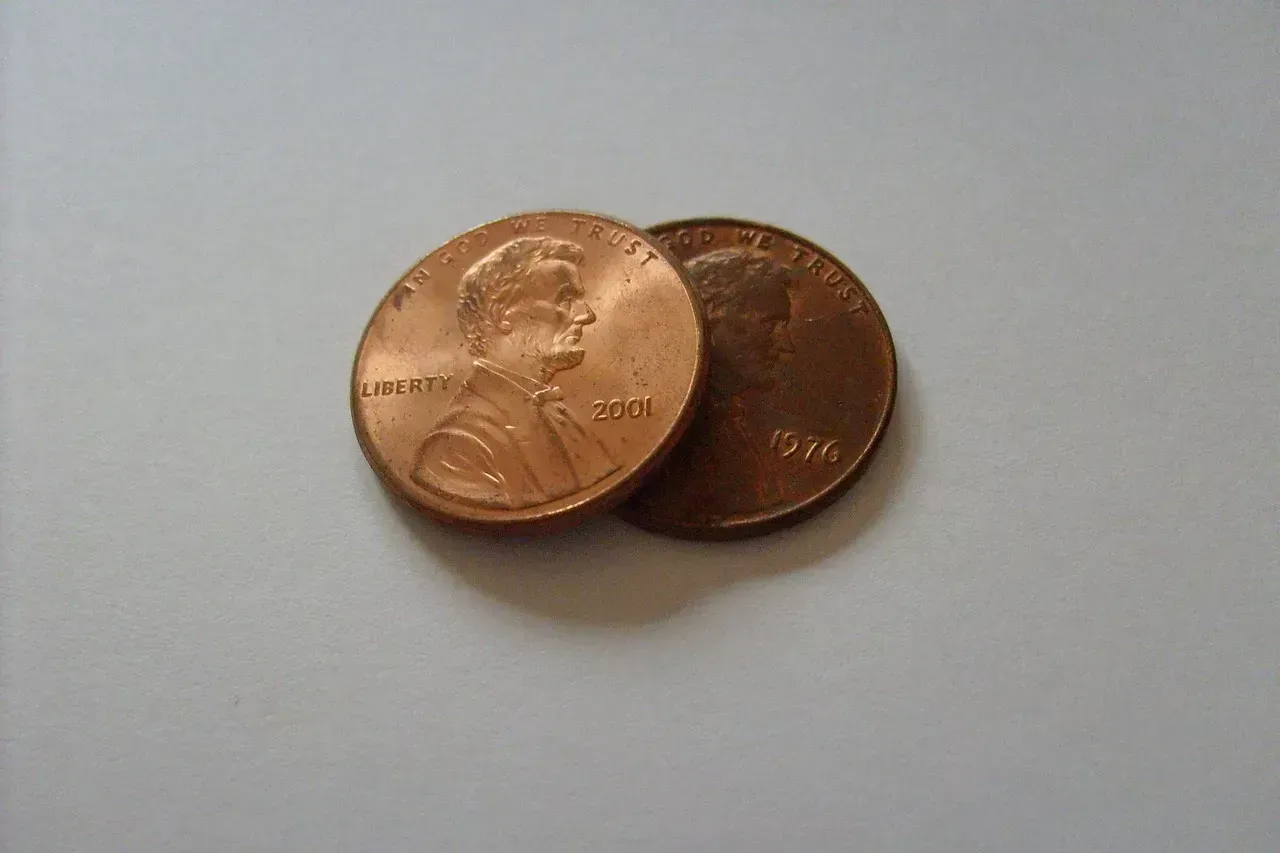
You might think melting pennies for their copper content sounds like a clever money-making scheme. Think again. Melting, treating, or exporting pennies and nickels remains prohibited under 31 C.F.R. § 82.2(f), with limited exceptions. The government isn’t messing around with this rule – violators can face serious fines and even criminal charges.
The economics don’t work out anyway. Even pre-1982 copper pennies would need to be sorted, processed, and melted in bulk to make any profit, and you’d need specialized equipment plus buyers for raw copper. It’s far more practical to simply spend them or exchange them at face value.
Watch Out for Penny Shortages at Stores
Many businesses are not giving pennies out as change, and with pennies no longer in production, these pennies are the last standing. Some retailers are already adapting by rounding cash transactions or going cashless altogether. You might notice signs at checkout counters explaining new policies about exact change or card-only payments.
Some small businesses are creating options for shoppers when they receive their pennies back, such as donating to charity funds, training people to get used to the round up, round down thing, and giving them options. This transition period offers a chance to support local businesses dealing with the adjustment. Be patient with cashiers who are still figuring out the new normal.
Consider the Bigger Economic Picture
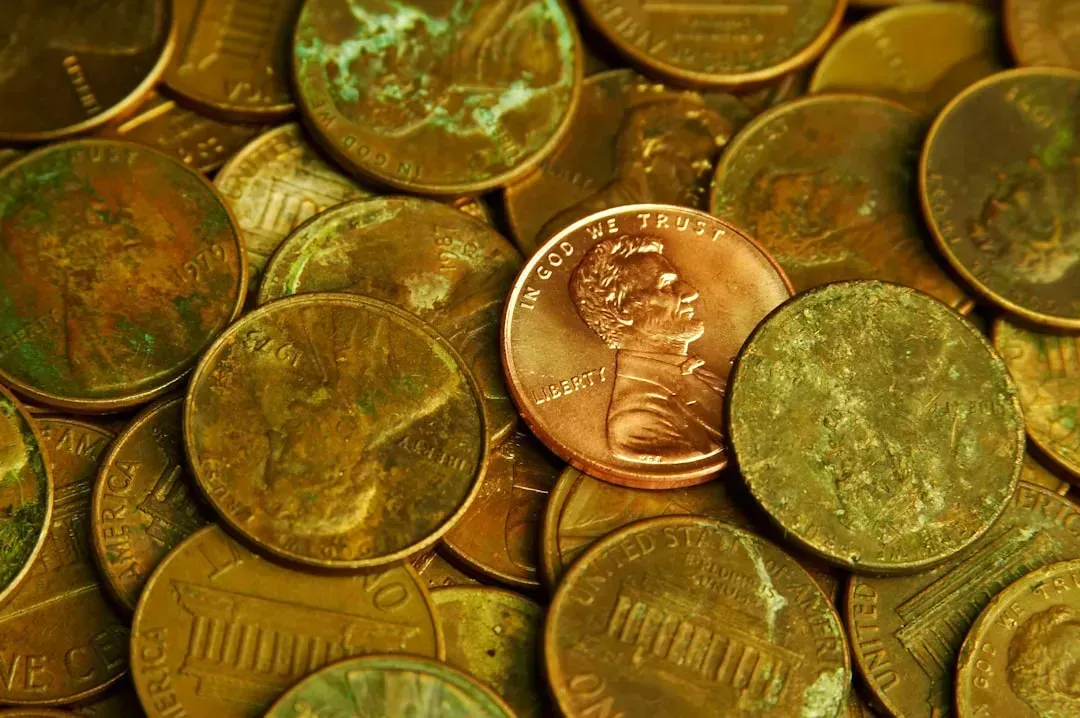
The move is expected to save roughly $56 million per year in production costs, and the government is expected to save $56 million by halting penny minting. That’s real money that can be redirected elsewhere in the federal budget. The decision reflects broader economic reality – cash transactions in 2024 dropped to only 14% of transactions, with persons aged 55 and older using cash for 19% of transactions, while those aged 18–24 used cash for only 10%.
We’re witnessing a cultural shift in how we handle money. The penny’s retirement is less about the coin itself and more about recognizing that our economy has evolved beyond needing such small denominations. Other countries like Canada, Australia, and New Zealand eliminated their lowest-value coins years ago without economic catastrophe.
The penny will retain its full monetary value indefinitely, and it will continue to be recognized as legal tender, allowing consumers to use pennies for cash transactions at businesses that choose to accept them. Your pennies aren’t becoming worthless overnight. Take your time deciding what to do with them – whether that’s cashing them in, hunting for valuable dates, or creating a memory jar for future generations. The penny may be done minting, but its story in your wallet is far from over. What’s your plan for those copper coins?