:max_bytes(150000):strip_icc():format(jpeg)/Are-Nitrates-Bad-for-You-FT-BLOG0925-816374bf223c497caf49444b81e034b5.jpg)
- Nitrates and nitrites are naturally occurring compounds that are found in vegetables and added to processed meats. Nitrates convert to nitrites that can become either beneficial nitric oxide or harmful nitrosamines.
- Vegetables come with antioxidants that promote nitric oxide and block nitrosamines. Processed meats — especially when charred or cooked at high heat — can form nitrosamines, and research suggests that cancer risk rises with higher intake.
- “Uncured” or “no nitrates/nitrites added” labels simply mean synthetic nitrites aren’t added, but those from plant-based sources may be present and can pose the same risks. The bottom line: Enjoy processed meats sparingly.
If you’ve seen a “no nitrates or nitrites added” label on a package of bacon or deli meat recently, you might’ve wondered what those words even mean. Is “uncured” meat better for you? Do you have to give up salami entirely? And are nitrates and nitrites — which can also be found in vegetables like spinach and beets — always bad for you?
We tapped food scientists and registered dietitians to explain what nitrates and nitrites are, why they’re added to meat, and the nuances of including them in your diet.
Here’s what to know before enjoying your next BLT or charcuterie plate.
What are nitrates and nitrates?
Nitrates and nitrites are naturally occurring chemicals that are both made up of nitrogen and oxygen (with one extra oxygen molecule on nitrates). They are found in water and soil, which is how they get into plants, and they’re also added to processed meats.
Nitrates can be converted into nitrites in your body and also during food processing. Those nitrites can then turn into nitric oxide, a beneficial compound, or nitrosamines, which are harmful.
In meat, they help preserve color and flavor, and reduce the risk of certain foodborne illness from bacteria.
What foods contain nitrates and nitrites?
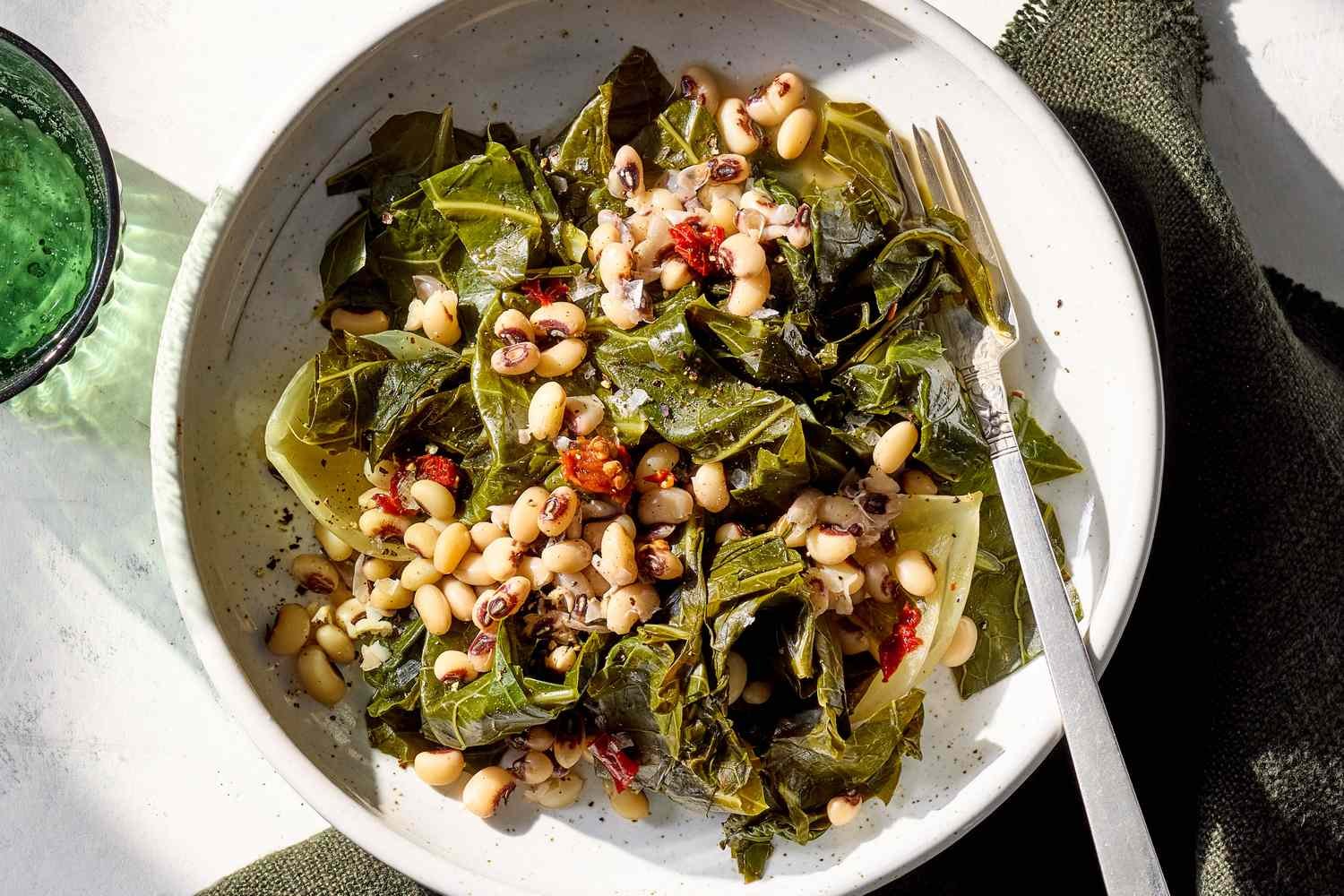
“[Nitrates and nitrites] are present in plant foods such as raw spinach, beets, celery, lettuce, and arugula, as well as in water,” says Jennifer Pallian, BSc, RD, a registered dietitian and food scientist. “Vegetables are the main source in the human diet.”
Root vegetables like beets and potatoes, cauliflower, broccoli, and some greens have higher amounts of nitrates than other vegetables. Vegetables indeed make up about 80% of the nitrite and nitrate in our diets.
The nitrites and nitrates in vegetables can help nitric oxide form. “Research shows that consuming high-nitrate vegetables or beetroot juice can significantly lower blood pressure and boost exercise performance,” adds Pallian.
Nitrates and nitrites — either in a naturally occurring form like celery powder, or a synthetic version like sodium nitrite — are also added to a variety of processed meats, including:
- Bacon
- Hot dogs
- Pepperoni
- Deli meats
- Beef jerky
- Ham
- Salami
- Hot dogs
Nitrites from meat comprise about 5% percent of our total nitrite intake. The rest comes from vegetables and a little bit from water.
Why are nitrites and nitrates added to processed meat?
Nitrites are added to meats to help with color and flavor — when hot dogs and bacon are brownish instead of pink, they just don’t have the same appeal, and their flavor can suffer too. More importantly, nitrates and nitrites keep meats safe. “Nitrites are a multi-hurdle safety and quality tool: They inhibit Clostridium botulinum (botulism), suppress other pathogens, stabilize the pink color, and slow rancidity by limiting lipid oxidation,” says Don Thushara Galbadage, PhD, MPH, associate professor of applied health sciences at Texas Christian University.
Nitrites in meat get a bad rap — that said, there are indeed some downsides to consuming too much processed meat.
What are the risks of consuming nitrites and nitrates in meat?
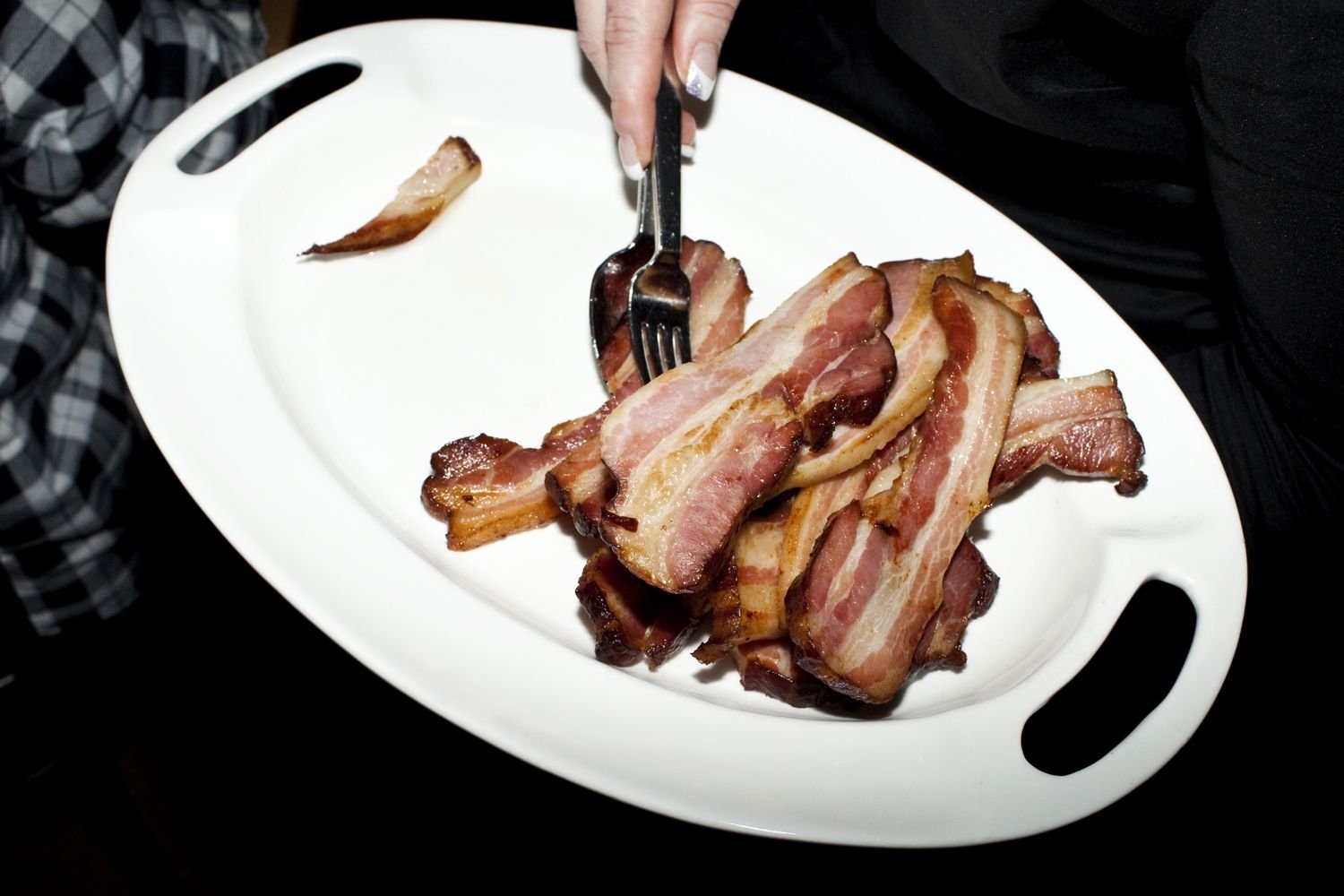
Nitrites and nitrates in meat can form harmful nitrosamines, especially if the protein-rich meat is cooked at higher temperatures, the way we often fry up bacon or grill hot dogs and sausages. “Cured meats such as bacon, ham, and sausages often contain measurable nitrosamine levels because they combine nitrite additives with amine-rich proteins, certain spices, and high-heat cooking — conditions that promote nitrosamine formation,” says Pallian.
With nitrites in vegetables, you also get antioxidants and vitamin C that help block nitrosamines from forming. Processed meat doesn’t have that same protective layer.
Processed meat is classified by the International Agency for Research on Cancer (IARC), part of the World Health Organization (WHO), as a Group 1 carcinogen due to its link to cancer, specifically colorectal cancer. “There have been numerous studies linking the consumption of processed meat with the development of colorectal cancer,” says registered dietitian Lee Cotton, RDN.
What does ‘no nitrates or nitrites added’ mean?
“Nitrite-free” labels on processed meat can be misleading, according to experts.
“Even products marketed as nitrite-free can still generate nitrosamines if they use plant powders high in nitrates, which are converted to nitrites during curing,” says Pallian. When nitrites are in your meat, it doesn’t matter if they came from celery or from a synthetic version.
“Once nitrite forms in the meat, it behaves the same,” Galbadage adds. “Products cured with natural nitrate or nitrite historically could claim ‘uncured’ or ‘no nitrites added,’ followed by the fine-print qualifier, ‘except those naturally occurring in celery powder.’”
Food scientists are looking for alternatives to nitrites and nitrates in processed meats, including red wine, rose extract, and vegetable powders, but no perfect replacement is available yet.
In 2020, the USDA’s Food Safety and Inspection Service (FSIS) stated that it would “conduct rulemaking to propose to prohibit the statements, ‘No Nitrate or Nitrate Added’ and ‘Uncured,’ on products that have been processed using any source of nitrates or nitrates.” The rules have not been updated since then.
So, should you avoid processed meat?
You don’t have to completely cut out processed meat. “Cancer risk from processed meat intake is dose-dependent across time,” says Calbadage. The WHO review estimates about 18% higher colorectal cancer risk per 50 grams per day of processed meat.” According to the American Institute for Cancer Research, 50 grams equates to about one hot dog or two slices of ham.
”Pair cured meats with fruit and vegetables rich in vitamin C and polyphenols. They inhibit nitrosation,” Calbadage suggests. Limit how often you eat processed meat, and try to avoid high-temperature cooking where the meat gets charred, which can increase the amount of nitrosamines.
Ultimately, remember that nitrites, nitrates, and processed meat are just one part of the puzzle when it comes to your health. “A balanced and nourishing diet contains a wide range of foods,” says Cotton. “Eating a variety of different foods is key.”