:max_bytes(150000):strip_icc():format(jpeg)/Tyler-Florences-prime-rib-tips-FT-DGTL1125-01-13b3866a48f24450ba1d3e26db99a5c9.jpg)
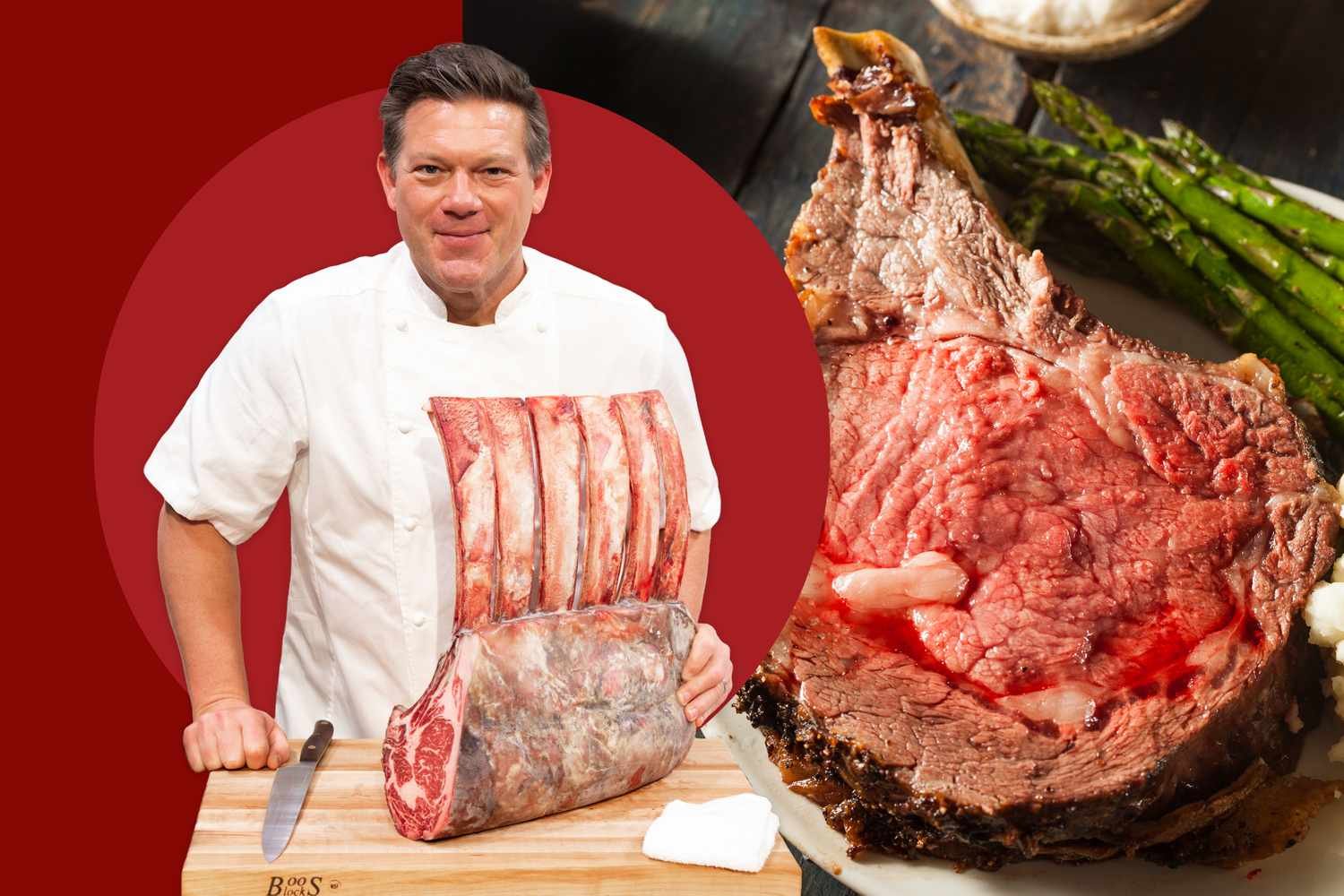
Prime rib is a signature dish of chef Tyler Florence. It’s a holiday staple at Miller & Lux, his steakhouse with locations in San Francisco and Kailua-Kona, Hawaii, where a cart ferries the classic roast around the dining room for tableside carving.
But Florence stresses that a stunning prime rib (also known as a standing rib roast when it’s bone-in) is just as achievable for home cooks. “It’s a huge showstopper. Everybody loves it, but it’s not that hard considering the payoff and the presentation,” he says.
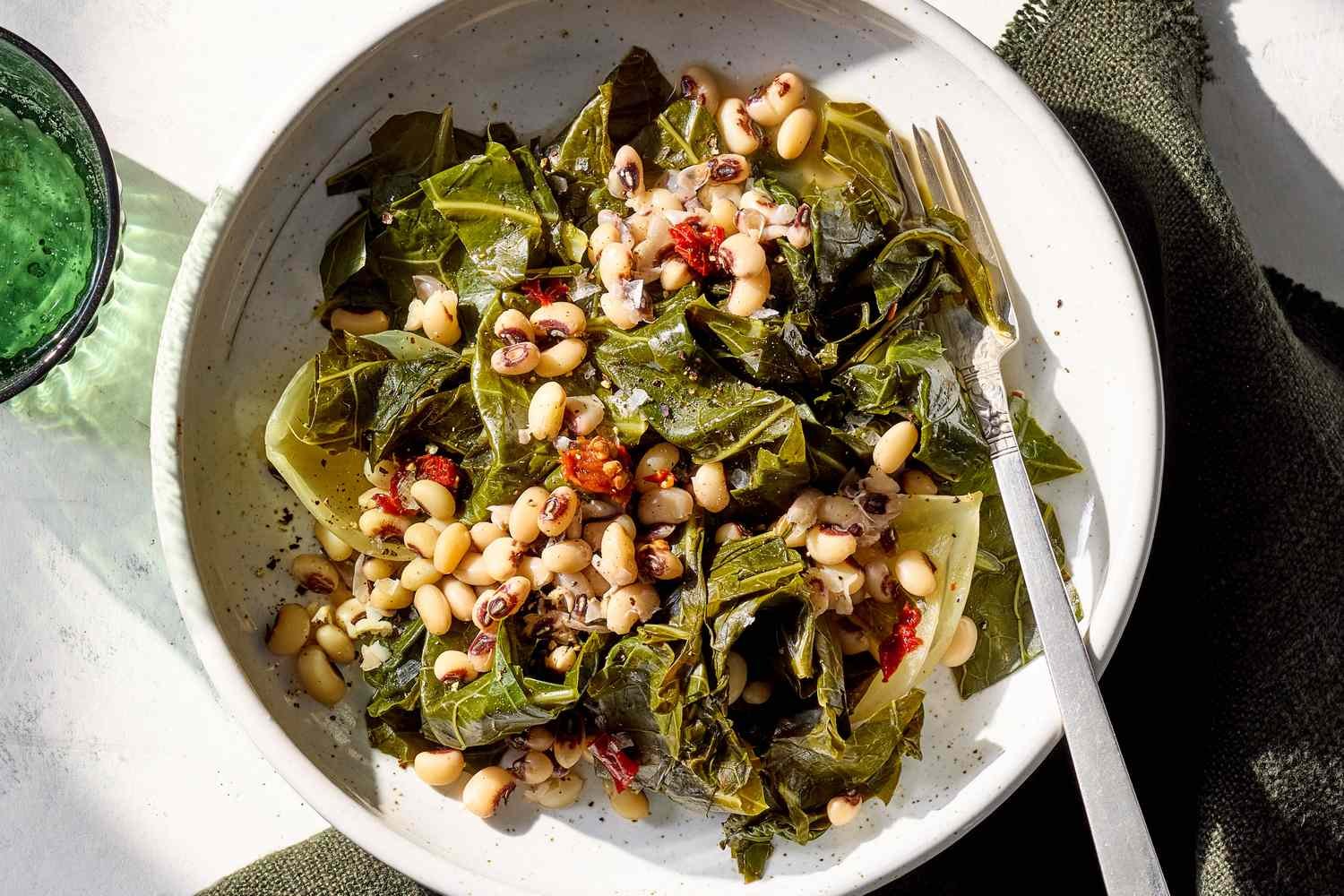
At the Food & Wine Classic in Charleston, Florence showed attendees how to cook his horseradish-encrusted prime rib with sides like pommes puree and creamed kale. Here are his tips and tricks, just in time for the holidays.
Pick the right cut (but don’t worry too much about the grade)
Florence recommends asking your butcher for ribs from the loin, or back side of the prime rib, which encompasses ribs seven through 12. Ask for three or four bones, enough to comfortably serve up to 10 people.
Prime rib comes in three main grades: prime (usually the best), select, and choice. While Florence will opt for a “prime” cut if it’s available, he suggests picking what fits your budget and what’s available.
“With a prime, you’re gonna get more marbling and more flavor.” However, “With really great low and slow cooking and a good seasoning mix, I can make a choice prime rib taste fantastic,” he says.
Food & Wine / Cameron Wilder
Ask for it “rolled and tied”
A bone-in prime rib has incomparable flavor, but can be difficult to slice. Florence’s solution: Ask your butcher to cut it off the bone, then tie it back together. Your butcher won’t cut all the way through the muscle, but they’ll slice most of it so it’s easier to carve at dinner.
“Not a lot of people have butcher twine at home,” Florence explains. If you get your prime rib rolled and tied, “It’s gonna cook a little faster,” he says. It’s also gonna give you that same roasted bone aroma, which is delicious.”
If you only have access to a boneless prime rib, fear not — you can still make it taste amazing, with a little TLC. “If you’re not cooking on bones, you want some aroma,” Florence says. Don’t skip the seasoning or rub, and add aromatics like garlic, sliced onions, and sliced carrots to the bottom of the roasting pan halfway through cooking.
Tyler Florence
“Not having a meat thermometer is a big mistake. You need to know what’s going on inside the prime rib before you cut into it.”
— Tyler Florence
Bring it closer to room temperature before cooking
Florence suggests taking your prime rib out of the fridge about an hour and a half to two hours before putting it in the oven. That might seem like a long time, but it’ll pay dividends later.
“You don’t want to put a cold prime rib in the oven for a couple of reasons. It’s gonna take longer to cook. You’re also gonna end up with that gray ring on the outside of the prime rib versus it being rosy from top to bottom,” he explains. The outside will also be overcooked, though Florence notes “it’s not the end of the world” for guests who prefer the more well-done end pieces.
If using a seasoning mixture (Florence uses a mix with prepared horseradish), make sure not to slather it on too thickly, as it might cause it to burn.
Food & Wine / Cameron Wilder
Set it and forget it
Some chefs recommend starting your prime rib at high heat to brown the exterior, but Florence is a proponent of low-and-slow cooking — which makes it easier on you, the cook.
Using a large roasting pan, cook the prime rib for two hours at 300°F, until the internal temperature reaches 125°F, keeping in mind that the temperature will rise slightly after you take it out of the oven. That’s your goal for a medium roast, says Florence.
“You don’t want to serve your prime rib medium rare, unless you know loud and clear that everybody in your group loves medium rare,” says Florence.
To ensure you achieve the perfect medium, use the right equipment. “Not having a meat thermometer is a big mistake. You need to know what’s going on inside the prime rib before you cut into it,” he says.
After cooking, allow the roast to rest for about 30 minutes to redistribute the juices.
Present with panache
You can re-create the magic of a prime rib cart at home, according to Florence.
“I actually like to set up a quick buffet in the kitchen and then take it from the oven to the stovetop to let it rest for a little bit, then I set up a big carving station and carve it in front of people.”
Use a carving fork and carving knife or a nine to 10-inch chef’s knife to slice it between a quarter inch and half inch. That might seem thin, but it’s going to be a lot of meat.
“It’s like a big, huge ribbon of melting meat, which is really, really nice,” says Florence. And with the right sides, it’s a guaranteed crowd-pleaser. “Everyone’s going to talk about it. And isn’t that why we do it?”