:max_bytes(150000):strip_icc():format(jpeg)/AR-water-bottle-lid-4x3-c1f5d2339498480f80613f8a8b89b4ce.jpg)
Keeping yourself hydrated is important, but it can be tough to get in your recommended 64 ounces a day unless you take water with you when you’re on the go. Enter reusable water bottles, the sturdy, refillable bottles that are more environmentally friendly and budget-friendly than using disposable plastic water bottles.
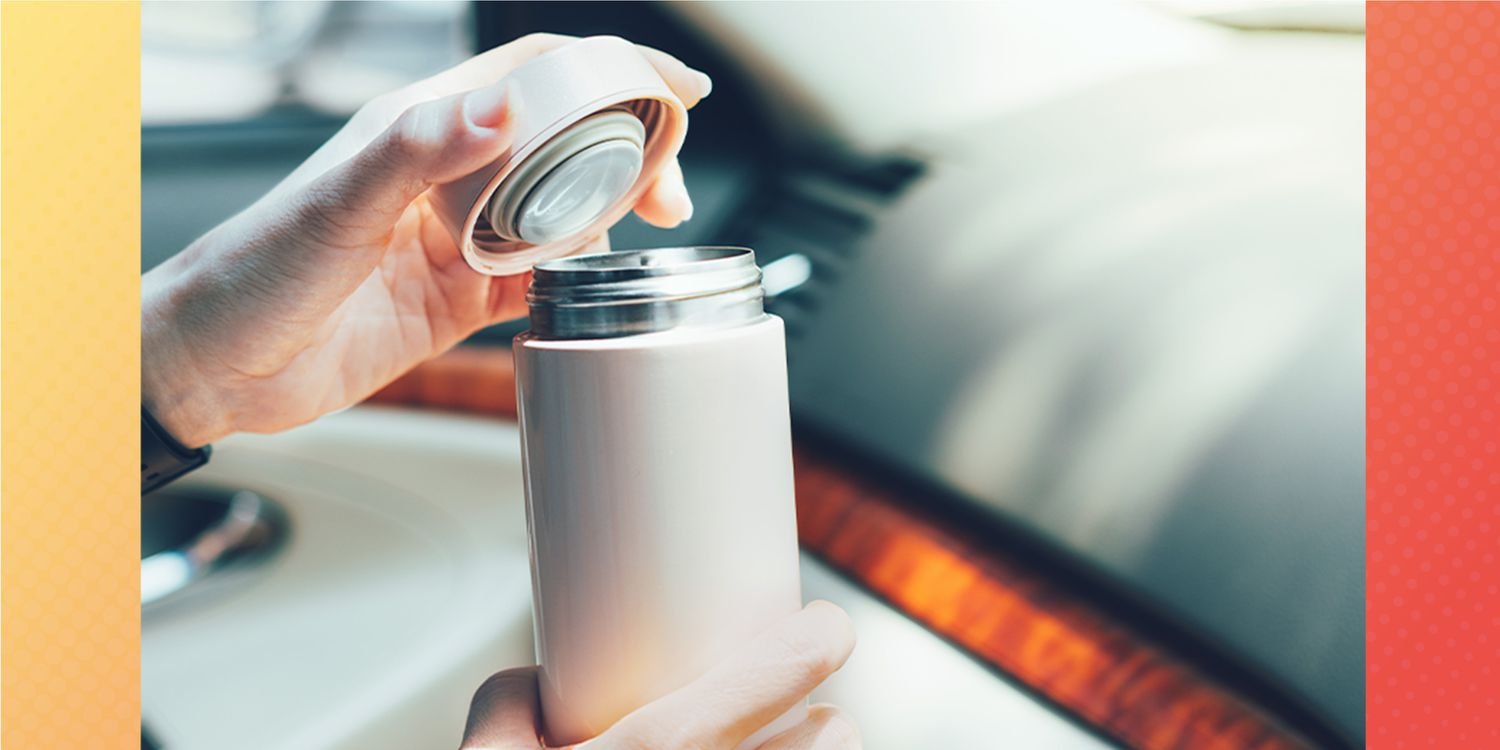
Drinking water is healthy, but drinking water from a dirty water bottle is not. Many reusable water bottles have rubber seals or plastic threads in their lids to create a tight fit, but, believe it or not, those seals and threads are also places where mold can hide.
How Dangerous Is a Moldy Water Bottle Lid?
When a bottle filled with water stays in warm conditions too long, such as being in the sun, rolling around in the back seat of your car for days on end, or remaining in a closed, moist dishwasher, mold spores have the opportunity to grow.
Aside from being really gross, mold can be harmful when inhaled or ingested. The Centers for Disease Control and Prevention (CDC) says the effects of mold can include allergic reactions such as a stuffy nose, sore throat, coughing or wheezing, burning eyes, or skin rash. These reactions can be more severe in people who have asthma. Those with compromised immune systems or chronic lung disease may also develop mold-related lung infections.
How To Remove Mold From a Water Bottle Lid
There’s no need to throw a moldy lid out. There’s an easy solution—one that also works to remove mold from the lid of glass storage containers, too.
Put the lids in a sink filled with 10 parts warm water and one part bleach. Allow them to soak for about 10 minutes to kill the mold. Then run the lids through the dishwasher to remove all the bleach.
If you don’t have a dishwasher, empty the bleach water from your sink, rinse it well, then fill it with warm, soapy water and give your lids a good scrub. Whether you run the bleached lids through the dishwasher or wash them in the sink, dry them thoroughly to prevent mold from returning.
Do this about once a month with all your water bottle lids or whenever you find mold on a lid.
Can Water Bottles Get Moldy Too?
Yes, plastic and stainless steel water bottles can also get moldy. That mold can be harder to see because these bottles are often opaque and have small openings, making it hard to get a good look inside.
If your water bottles have visible mold, funky smells, or black particles coming out when you pour the water, give them a good disinfecting. There are several ways to do this:
- Boiling: Bring a large pot of water to a boil, then submerge the stainless steel water bottles and boil for at least 15 minutes. Allow the water to cool before removing the bottle to prevent burns. Place the bottles upside down on a rack that allows airflow around them so they dry thoroughly.
- Vinegar: For plastic or stainless steel bottles, fill the bottles with half distilled white vinegar and half water. Shake the mixture in the bottles and then allow them to sit overnight. Pour out the vinegar mixture, and wash the bottles in the dishwasher or by hand in the sink. Allow the bottles to fully dry before using.
- Bleach: Submerge your water bottles in the sink with the water-bleach solution you’re using to clean the lids. After they’ve soaked for 10 minutes, use a bottle brush to scrub them inside and remove any mold that may have gotten dislodged. Then wash the bleached bottles in the dishwasher or by hand and allow them to dry thoroughly.
Once you have your water bottles mold-free, help keep them that way by thoroughly washing and drying them after each use. If mold does build up, you now know how to clean it.