:max_bytes(150000):strip_icc():format(jpeg)/Mexico-Is-Making-the-Worlds-Most-Exciting-Gins-FT-DGTL1225-e29b4f7cf42f44e188f15cf3c96d07d3.jpg)
When most people think of Mexican spirits, tequila still dominates, with mezcal close behind. Gin, by contrast, is rarely associated with Mexico. At least for now.
But a growing number of producers are quietly redefining Mexican gin by drawing on regional botanicals, alternative base spirits, and a strong sense of place. According to many bartenders and beverage directors, Mexican gin isn’t trying to imitate London dry styles. Instead, it’s carving out its own identity.
“Outside of agave spirits like tequila, mezcal, bacanora, and raicilla, there’s a rapidly expanding world of Mexican distillation that deserves attention,” says Max Reis, beverage director at Mírate in Los Angeles. “Mexican gin has become an exciting way for producers to highlight regional botanicals and put a personal, hyper-local stamp on a spirit.”
That emphasis on locality shows up in what goes into the bottle. Reis points to botanicals and base spirits as two of the biggest differentiators.
“Mexican gin stands apart largely because of its botanicals and its microterroir,” he says. “So many of the herbs, plants, and citrus used in these gins are native to the regions where they’re produced, which gives each bottle a sense of place.”
He also notes a shift away from traditional neutral grain spirits. “Instead of the typical neutral grain spirit, more producers are working with sugarcane or corn, which naturally shifts the texture and aromatic profile of the finished gin.”
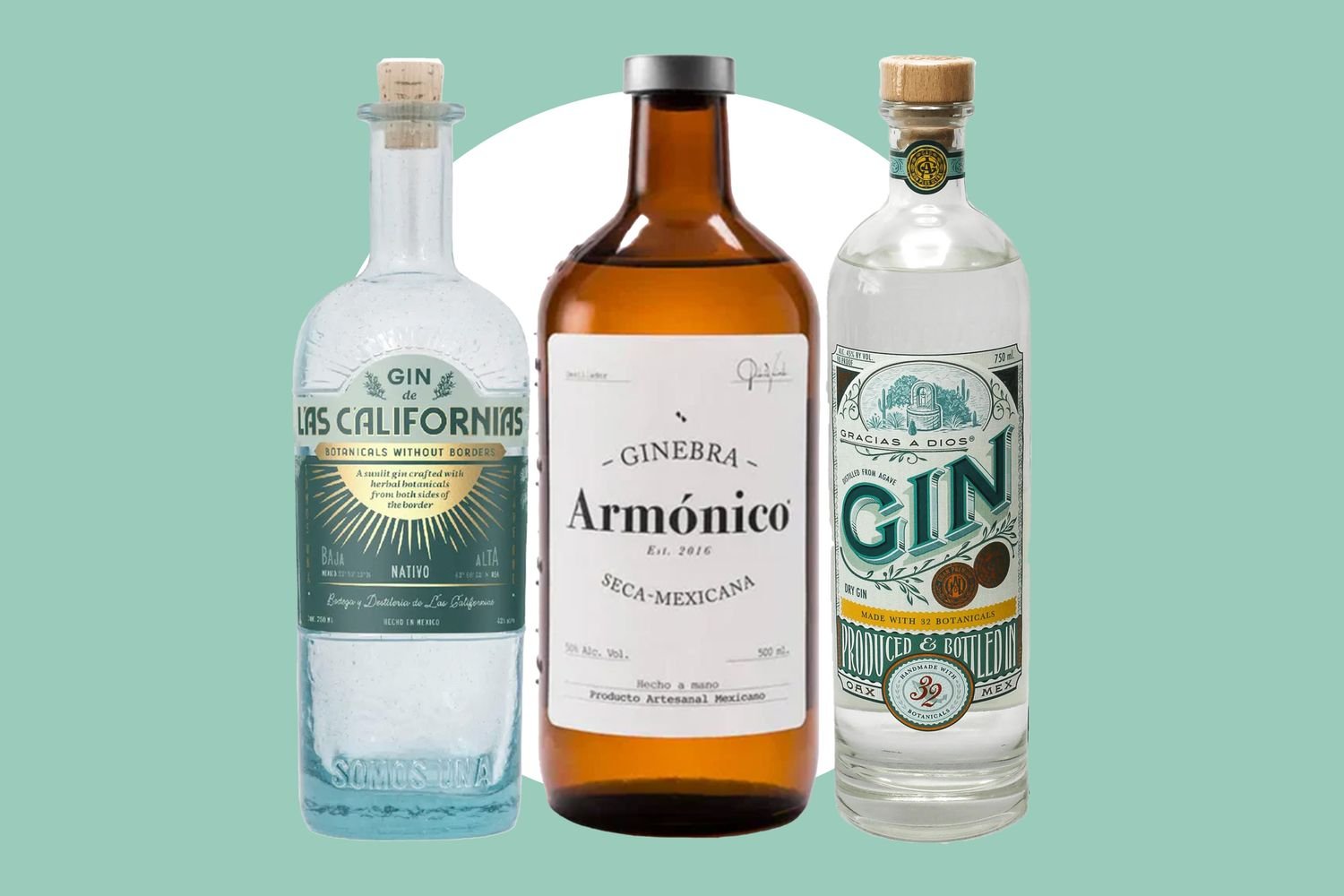
That sense of origin is what Marshall Minaya, beverage director at Lolita in New York City, finds most compelling. “Mexican gin, I believe, really tells the story of its origin,” he says. Minaya points to Gin de Las Californias. “Their two spirits tell two completely different tales,” where one expression (Nativo) highlights herbs specific to Mexico, while another (Citrico) reflects citrus botanicals brought through migration.
Minaya says Condesa Gin, a women-owned and -operated distillery in Mexico City led by Maestra Distiladora Hillhamn Salome, uses palo santo and sage to shape the profile of the brand’s Clásica expression.
Max Reis, beverage director at Mírate
“Mexican gin stands apart largely because of its botanicals and its microterroir. So many of the herbs, plants, and citrus used in these gins are native to the regions where they’re produced, which gives each bottle a sense of place.”
— Max Reis, beverage director at Mírate
Accessibility in the U.S. remains limited, but it’s growing. The most widely available Mexican gins are Condesa and Las Californias, according to Reis. “They represent just a small fraction of a category that’s expanding rapidly,” he says.
For Jenna “Duckie” Reynolds, beverage director at Chango Food Group in Charlotte, North Carolina, which includes Mexican cocktail bar Hermanita, Mexican gin’s appeal lies in how it drinks.
“I love how ‘green’ Mexican gins tend to drink,” she says. “You get more earthy notes, as well as notes of bell pepper, chile, avocado leaf, etc.”
That flavor profile is often tied to the base spirit itself. “Many Mexican gins are derived from agave or corn, as opposed to grain,” says Reynolds. “The subtle sweetness against the juniper is definitely one of the highlights of Mexican gin, and the other botanicals really balance out the base spirit.”
Reis zeroes in on juniper as another defining factor. “Mexican juniper (Juniperus deppeana, or tascate) is endemic to Mexico and parts of the Southwest,” he says. Compared to classic juniper, “it’s typically softer, rounder, more woodsy, and often hand-harvested, which introduces natural aromatic variation and a deeper sense of character.”
With cocktails, all three experts emphasize flexibility, rather than strict rules. Reis favors minimalist builds. “Many Mexican gins tend toward softer, floral, rounded profiles,” he says, which he likes in “a 50/50 Martini or a Spanish-style G&T.”
At Lolita, Minaya takes a more savory approach. “We have found that the delicate floral nature of the Condesa Prickly Pear gin pairs so well with savory-forward cocktails,” he says, especially tomatillo-based drinks. He also loves Condesa’s Clásica expression for Martinis.
Reynolds finds that Mexican gin shines in brighter formats. “I find that Mexican gin lends itself exceptionally well to citrus-based cocktails,” she says, like a Bee’s Knees or French Martini.
Can Mexican gin reach the same cultural saturation as mezcal? Opinions are measured, but optimistic.
“I absolutely think Mexican gin can explode as a category if people stay open-minded and willing to support producers doing genuinely innovative work,” says Reis.
Minaya is more cautious. He thinks that mezcal “will definitely remain supreme,” but he also says that with the gin movement not slowing down, it remains to be seen. Reynolds predicts “a bit of a cult following” as people recognize how different these gins are from more familiar styles. “However, I would love to see it happen.”
For now, Mexican gin remains a category in motion, less about mass recognition and than discovery. And for those who are willing to look beyond expectations, that may be exactly the point.
Satvrnal Gin
Food & Wine / Satvrnal Gin
Reis says that Satvrnal gin, based in Guadalajara, has a great approach: lacto-fermented botanicals for vibrancy, fruit brandies as the base spirit, and “whole fruit incorporated directly into the botanical charge during distillation. Everyone who tastes their spirits falls in love, even before you tell the story.” He says. While it has just arrived in the U.S., “it’s one of the most exciting arrays of distillates I’ve tasted in years.”
Condesa Gin
Food & Wine / Condesa Gin
Minaya considers Condesa a defining force in Mexican gin, and it’s easily accessible in the U.S. He highlights how the Clásica expression showcases “palo santo and sage.” He says that “when I am stirring a Martini at Lolita, my first grab is Condesa Clásica gin,” and the Prickly Pear expression pairs so well with savory-forward cocktails like those built around tomatillos.
Armónico Gin
Food & Wine / Armónico Gin
Minaya says Armónico Dry Mexican Gin leans heavily into place, as it showcases “over 30 different botanicals, most of them being endemic only to Mexico.” He says that the gin’s higher proof “lends itself to a 50/50 Martini or enjoying with tonic,” and that “the story of terroir this gin tells is quite a tale.” Armónico is available in the U.S.
Las Californias Gin
Food & Wine / Las Californias Gin
For Minaya, Las Californias is a clear example of how Mexican gin can communicate origin. Reis calls Las Californias one of “the most widely available examples in the U.S. at the moment,” and describes it as an accessible entry point into the category.
Gracias a Dios Gin
Food & Wine / Gracias a Dios Agave Gin
Reynolds describes Gracias a Dios as “an agave-based gin that really capitalizes on the fruity notes of agave to make a mildly sweet, balanced gin.” She says that she’s “a big fan” of the brand and appreciates how it expresses its base spirit. Minaya includes Gracias a Dios among the Mexican gin brands available in the U.S.
Abrojo Gin
Food & Wine / Abrojo Gin
Minaya says that Abrojo as a standout for those who look beyond conventional gin structures. He says that it is “an agave distillate gin that is made by a mezcalero who remills spent agave after a mezcal run, producing a smoky and botanically rich gin.” At Lolita, he says, “we use the Abrojo Green label Oaxacan gin in a savory Pico de Gallo Vesper” which shows its compatibility with savory, food-driven cocktail builds.