:max_bytes(150000):strip_icc():format(jpeg)/Best-seasoning-prime-rib-chef-FT-DGTL1225-f5978e3e4c5840dfa859a6132a6af975.jpg)
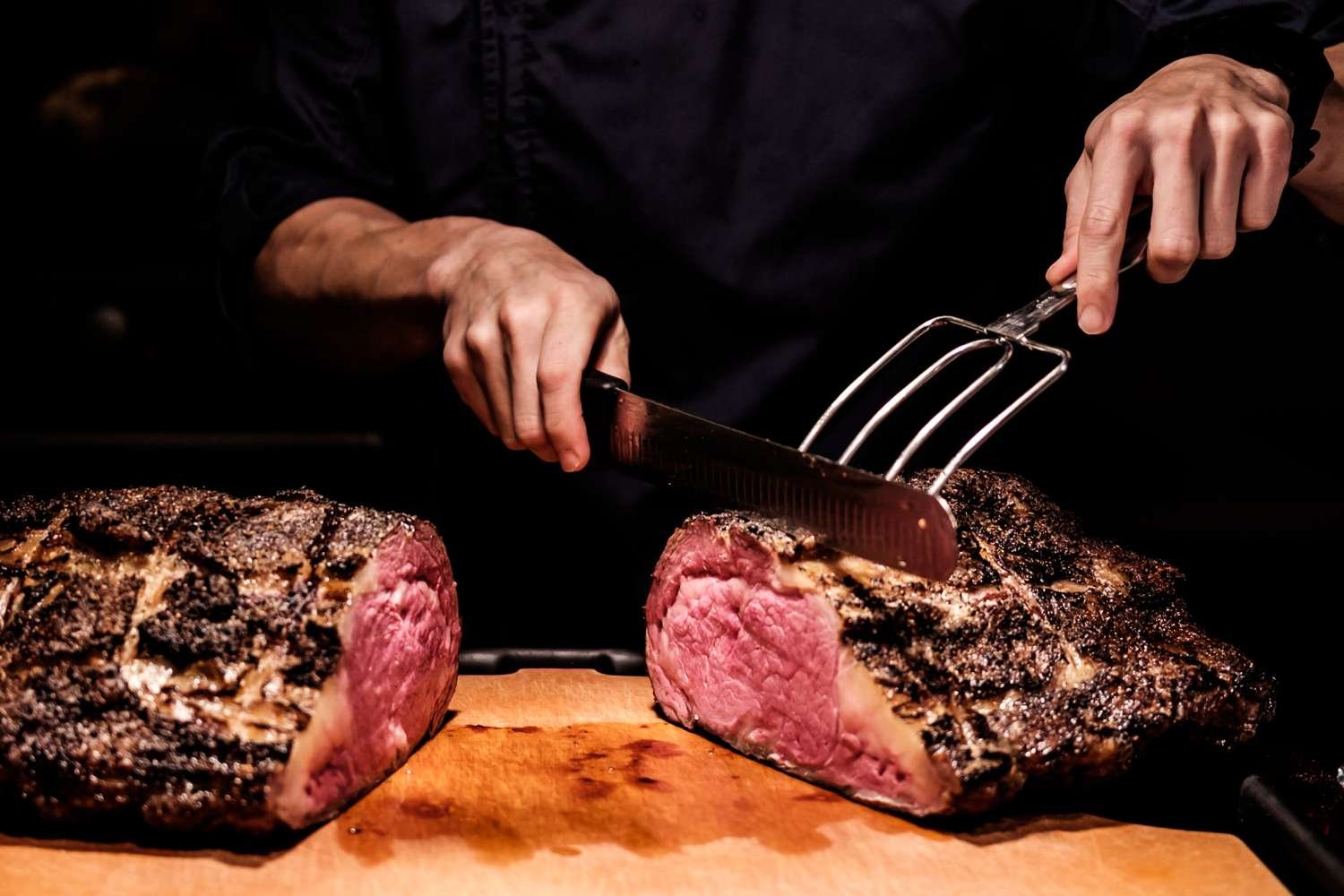
There’s a lot of pressure that comes with serving prime rib. True to its name, this well-marbled roast is known for its hefty price tag, so it’s important that you prepare it well.
Whether you’re marinating it in vodka, grilling it, or serving it with horseradish cream, a great prime rib starts with the seasoning. Many chefs suggest keeping it as simple as possible, with salt and pepper only. “If the quality of the beef is good, you don’t need much more,” says Roshara Sanders, 2024 F&W Game Changer and culinary ambassador of Red Rooster Harlem. “A heavy, even seasoning of both gives you a beautiful crust and lets the natural flavor shine.”
But other chefs like to put their own spins on the roast. Here are seven more ingredients the pros rely on to create a decadent, show-stopping holiday centerpiece.
Beef bouillon
Matt Abdoo, executive chef and co-founder of Pig Beach BBQ, seasons his prime rib with a wet rub made out of a beef bouillon paste like Better Than Bouillon. “I whisk it together with our Pig Beach BBQ mustard sauce, honey, light brown sugar, lots of freshly ground black pepper, chopped fresh rosemary and thyme, and some red pepper flakes,” he says. “This combination amps up the beefy flavor, creating an incredible crust on the prime rib.”
Whole peppercorns
At The Charter Oak in St. Helena, California, restaurateur Christopher Kostow’s prime rib goes all in on black pepper. In addition to high-quality salt and freshly cracked black pepper, he seasons the meat with wild peppercorn leaves and whole peppercorns, picked straight from trees at the restaurant’s farm. At home, try Marcela Valladolid’s Pepper-Crusted Prime Rib Roast.
Urfa biber
“First thing’s first: Anyone roasting a prime rib without seasoning should have their oven — and maybe their entire kitchen — confiscated,” says Quentin Garcia, executive chef of Lola Rose in Palm Springs, California. His go-to lineup includes Maldon sea salt, freshly cracked black pepper, thyme, dried horseradish (“because prime rib and horseradish are soulmates”), a touch of cumin and coriander, and — for smoky depth — Urfa biber, a Turkish chile pepper.
Garcia stresses the importance of seasoning generously. “Don’t be shy — season like you mean it. A heavy hand is your best friend here.”
Espresso powder
Chef Michael Hackman of Aioli Sourdough Bakery and Cafe in West Palm Beach, Florida, leans on the chocolatey notes and subtle fruitiness of espresso powder when seasoning his prime rib. He combines freshly ground espresso beans with dried porcini mushrooms, plus sea salt, cracked black pepper, and a touch of brown sugar.
“As the roast cooks low and slow, this rub forms a deep, flavorful crust on the fat cap, which gently melts and bastes the meat in its natural tallow,” says Hackman. “The umami of the porcini, the warmth of the garlic, and the rich earthiness of the coffee deepen the prime rib’s already luxurious flavor.” The espresso powder also provides an essential hit of acidity, balancing the meat’s fatty flavor.
Smoked paprika
When Mark O’Leary, executive chef of Darling in Cambridge, Massachusetts, makes prime rib, he typically seasons it with salt, black pepper, crushed garlic, and a little bit of smoked paprika. “The paprika doesn’t make it smoky, it just adds a warm depth that plays really well with the richness of the beef,” he says. “I rub it on thick and let the meat sit so everything can really settle in. It tastes like a steakhouse classic but with a little extra character.”
Fines herbs
“I don’t fuss too much with ingredients,” says Arnold Myint, chef and owner of International Market in Nashville. He seasons his prime rib with a generous amount of salt and a combination of dried fines herbs, like thyme, tarragon, chervil, parsley, and chives. “This roast is quite poetic — both hearty and tender. Flavors should be bold yet subtle so they don’t distract from the natural flavors of the meat.”
Fresh rosemary
“For prime rib, nothing beats the simple but deeply aromatic mix of coarse sea salt, cracked black pepper and rosemary,” says chef Maycoll Calderón of Cuna, a Mexican restaurant at The Standard East Village. “Salt builds the crust, pepper brings warmth, and rosemary adds an herbaceous aroma that feels both rustic and elegant.”
Similar to Myint, Calderón emphasizes the importance of keeping your prime rib seasoning simple. “Prime rib is already such a rich, beautiful cut that the seasoning shouldn’t overpower it — just enhance what’s already there.”