:max_bytes(150000):strip_icc():format(jpeg)/2026-Trend-Forecast-From-Experts-FT-DGTL1225-269af1bc19974e90a983919f136efaf5.jpg)
- Trend reports point to fiber becoming one of 2026’s biggest dietary fixations, driven by gut-health and GLP-1 interest.
- Consumers are shifting back toward authentic, less-processed red meat as plant-based meat plateaus.
- A wave of sensory maximalism is pushing brands to create foods with heightened texture, aroma, and multi-sensory appeal.
- The rise of the “me-me-me” economy is fueling growth in solo dining and highly personalized, single-serve meals.
- Cabbage is poised for a cultural glow-up, emerging as a versatile standout in home kitchens and menus.
Oh hooray, it’s the time of year when food journalists and industry oracles issue our predictions of what, how, and where people will be eating in the year ahead. On occasion, we’ll nail it (my 2025 list accurately cited a diner resurgence, a Francophilic boom, and a growing thirst for nonalcoholic beer), but even more frequently, we come up with fodder for mockery by future generations (still waiting on national tip abolition and the “Year of the Banana“).
So I don’t have to bear the brunt of the blame — and because I trust the experts — I pore over trend reports issued by major agencies, restaurant purveyors with a bird’s-eye view of the national restaurant scene, social media platforms, grocery store chains, food brands, flavor labs, and any other credible entity with a track record for smart, data-driven insight, and look for any consensus or especially compelling cases.
This is a far cry from Food & Wine’s first trend prediction feature in 1979 — which featured a full-page image of a dramatically lit crone scrying into a crystal ball that contained a golden apple. It led with a bit of speculative fiction about an “old-fashioned breakfast of microwave-grilled slices of ham analog, scrambled egg substitute, and banana analog chunks swimming in hydrogenated vegetable-oil-based ‘cream'” on New Year’s Day 2000 while recovering from a hangover induced by Champagne made from a powder — but that doesn’t mean it’s foolproof. If there’s anything we’ve learned as a society over the past decade, it’s that there are limits to what humanity can control and predict, so we might as well take new trends as they come, however unpredictable. (For my own dignity, I won’t be citing the report that predicted the rise of “nacho lattes” and “colapotle” because it made me sit under my desk and wonder if I was living inside an AI hallucination.)
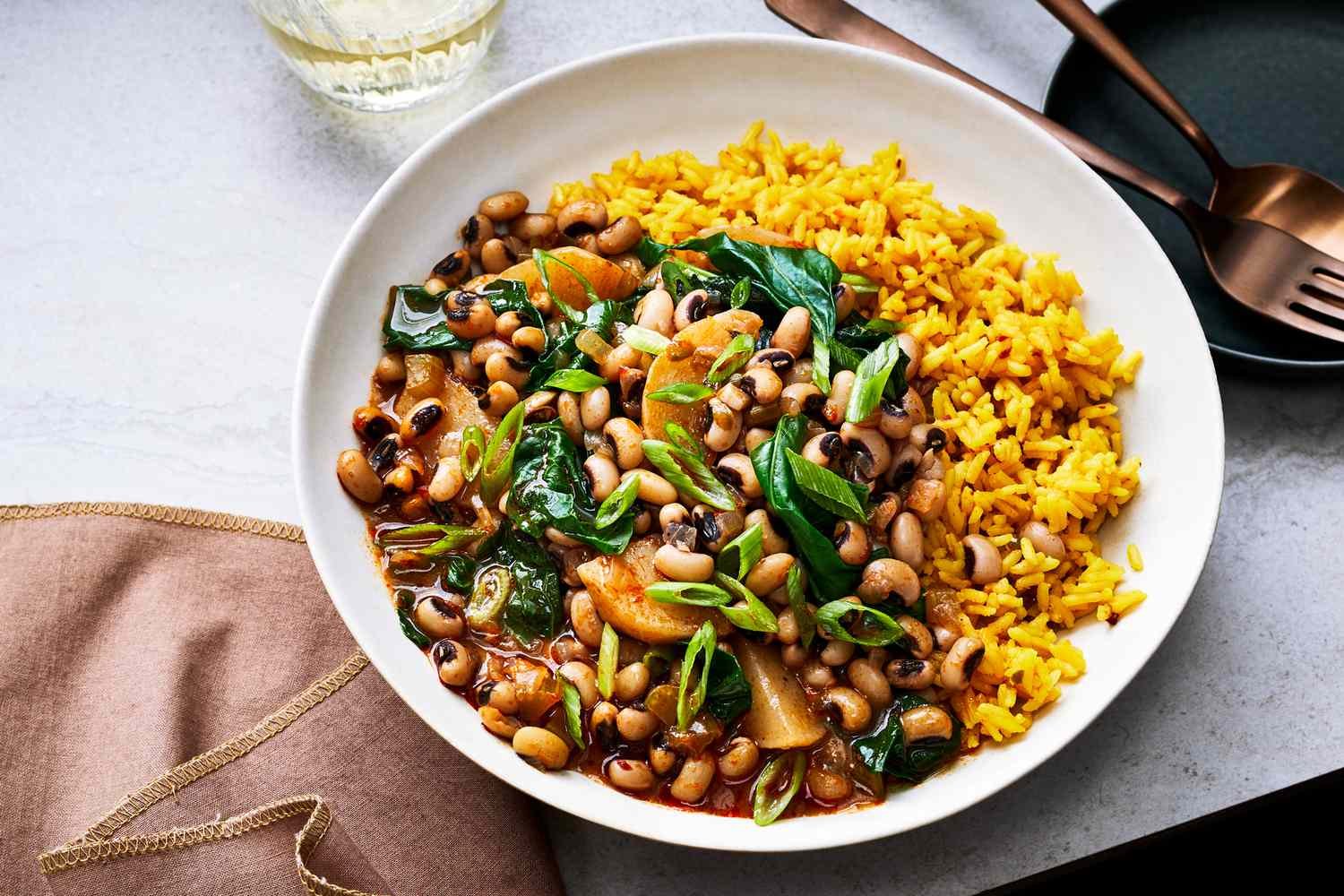
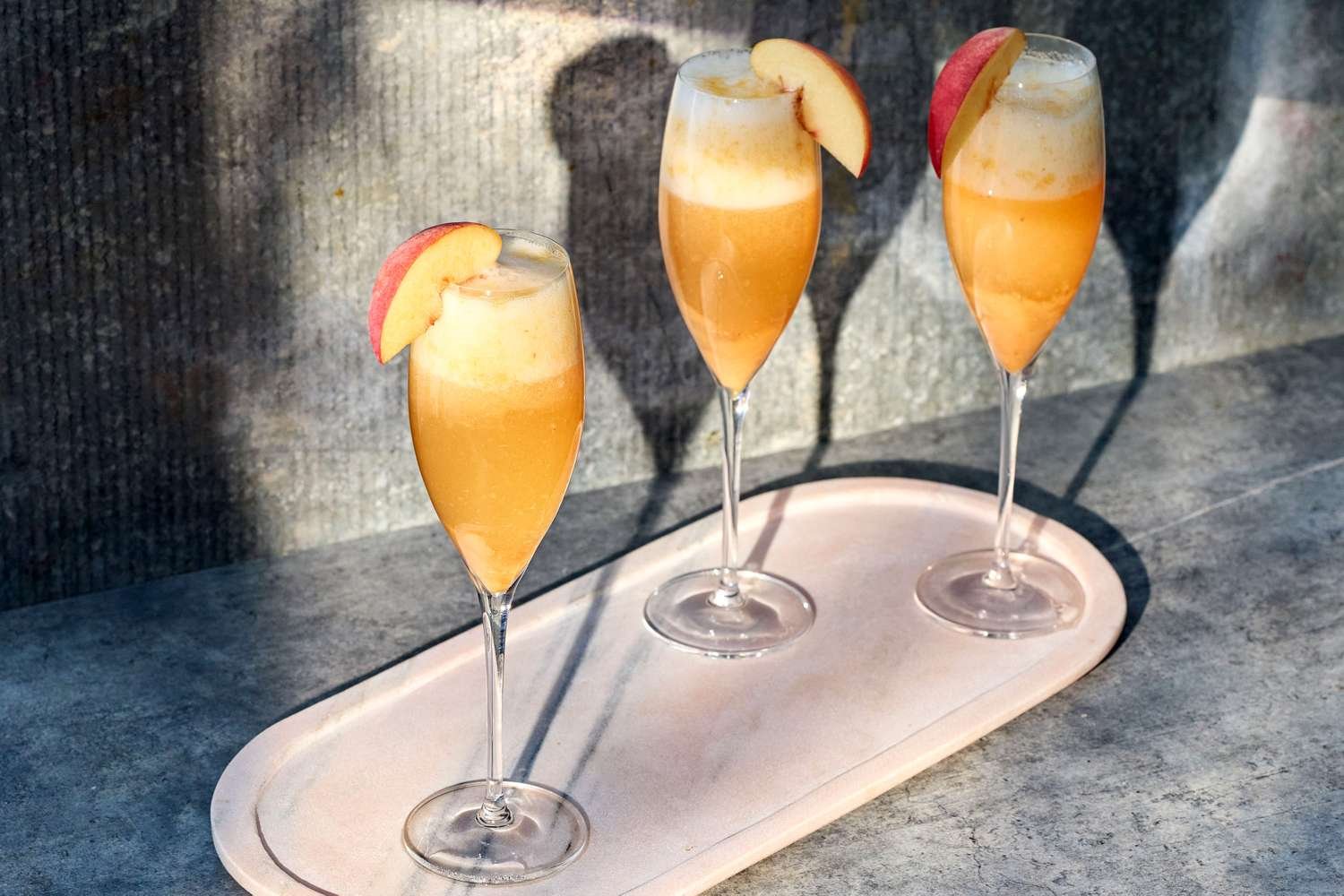
Make yourself a fiber-packed single-serve bowl of oatmeal with a side of cabbage and offal dumplings, pour a yuzu-spiked Blue Hawaiian, and get ready to maxxxxx your mouth for the flavors and sensations of 2026.
Fiber to the maxx
2025 was the year that seemingly everyone you encountered was consuming their entire body’s weight in protein grams each day, and Innova Market Insights 2026 reports that in their findings, “Protein trends have endured over the past several years and show no sign of slowing down.” In 2026 a new food fixation will enter the villa, and its name is fiber.
As the 2026 Datassential Trends report explains, “Gut health and GLP-1s are trending, and with that, manufacturers and retailers are focusing on fiber (which can naturally increase the GLP-1 hormone in the body) and calling it out on food/beverage packaging.” The report also notes that “fibermaxxing,” which is described as “a TikTok trend where consumers try to fit as much fiber as possible into a recipe or dish,” is on the rise.
That’s backed up by Whole Foods’ The Next Big Things 2026 trend forecast, which foresees that, “Brands are getting on board with more fiber-forward callouts on packaging, and increasingly, we’re seeing products with added fiber hitting the shelves, like pastas, breads, crackers, and bars. Roots like cassava and chicory are regulars on ingredient panels of prebiotic beverages, and konjac is a fibrous favorite in plant-based, ready-to-eat meals.”
Whole Foods also calls out oats as “the star of up-and-coming products, which tout the ingredient for being rich in prebiotic fiber and easy on the gut.” Might this mean that Top Chef star Richard Blais finally gets proven right for his avowal that, “Porridge is going to be big in 2017. Oatmeal, congee, farrotto, polenta, cream of huitlacoche — all with mix-and-match toppings”?
Red meat is back on the menu
Along with every other publication on earth, Food & Wine has been hyping the rise of plant-based meats for the better part of a decade. Consumers, it seems, are bucking all that and turning back to “anti-fake meat,” as the Tastewise 2026 Trend Forecast calls it. “The growth of protein is not just about quantity. It’s about quality and authenticity,” according to the report, which explains that, “Consumers are turning away from ‘fakeness’ in ultra-processed substitutes, seeking foods that feel simple, transparent, and true to their origins.”
The group’s reporting found that interest in “authenticity” is up 31% year-over-year in consumer conversations and 18% on menus. “The cultural momentum is strongest in meat,” which Tastewise explained was due to diners’ skepticism about the highly processed nature of many vegan alternatives. Datassential’s numbers back that up, noting that “plant-based meat’s menu growth has plateaued.”
The Innova report explains that the plant-based market hasn’t entirely withered on the vine, though — it’s just “transitioning from imitating animal proteins to providing its own nutrition benefits, especially the benefits from natural plant-based proteins.” Nearly two-thirds of their global survey respondents say that plant-based products should be able to stand on their own merits, rather than acting as a Temu dupe of other foods.
Back to the barn: Restaurant supplier Baldor’s 2026 Trend Report clocks a 28% year-over-year increase in lamb sales, and growing demand for dry-aged beef and heritage pork. “Among trending cuts are hanger steaks and flank steaks, with 19% year-over-year growth for beef patties,” said the company’s vice president of business development, Mark Pastore. “Every menu has a smashburger now.” He predicts demand for higher quality, whole-muscle beef, along with “slower grinds” that chefs will harness to create burgers that are distinctive to their restaurants. (Datassential also calls out “smashed” as a continuing trend.)
Mintel’s 2026 Global Trends Predictions report cites Force of Nature’s “Ancestral” blend of grass-fed beef, which includes organ meat in the mix, as a less expensive and more affordable way to incorporate the “nourishment” of offal into a modern diet and a harbinger of readymade consumer offerings to come. Ongoing tariffs may mean that the bulk of this beef and lamb will be produced domestically.
My gut: Stop calling it “organ meat,” and folks beyond the tallow bros will flock to it.
Sensory overload
We’re also going to be maxing on textural snacks if predictions bear fruit. Innova sees this as an extension of brands “stepping up their creativity around indulgence” (we’re all “little treat” fiends now). The Hungry Panda delivery platform dubs this “sensory maximalism” with ascendant ingredients that “crack, pop, and melt — think popping boba or tea and coffee foams that add creaminess and flavor.”
Tastewise uses that term as well and anticipates offerings that are “richer, louder, and more layered — not in excess but in detail. Consumers are looking for experiences where textures, aromas, and flavors work together to heighten enjoyment.” Freeze-dried candy and artisanal lattes are, in Tastewise’s estimation, a “recalibration of pleasure” where “consumption is more about fullness of sensation than restraint.”
In a world increasingly dominated by virtual experiences and AI-generated slop, is it any wonder that we’re all itching, scratching, and tingling for experiences we can actually feel with our own five senses?
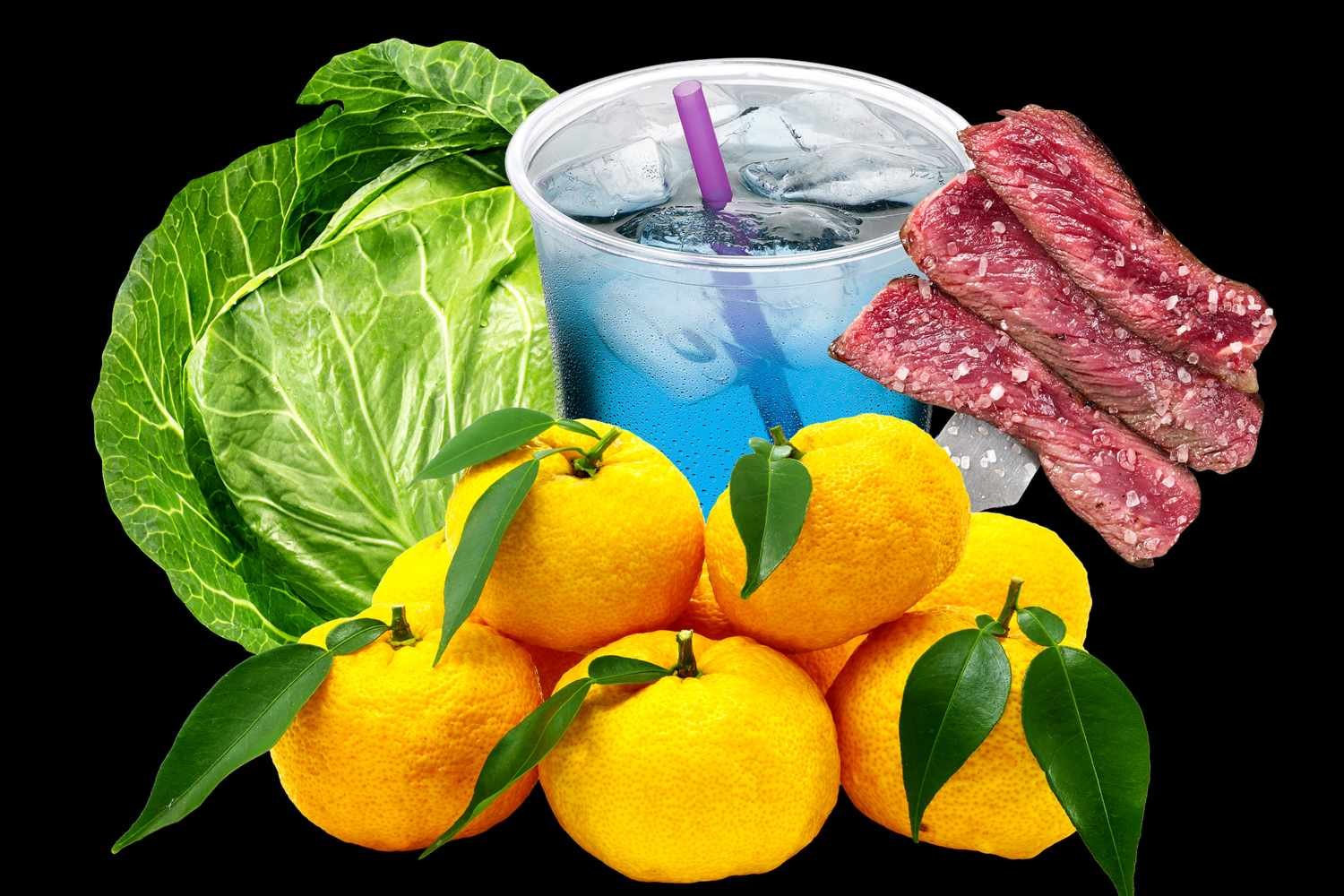
The upswing in blue drinks, complex citrus like yuzu and sudachi, tiny flavor-bomb tomatoes, and crunchy fish snacks (all cited as an upcoming boom by various sources) points to this microdosed serotonin trend, which Mintel sees to some degree as “food therapy.” This is especially prevalent in cities where people live alone and have high-pressure jobs where there may not have as much time or freedom to step away from a desk.
“It’s less about spectacle and more about subtle, repeatable moments of care, especially for Gen Z and Millennials,” notes Mintel’s report. “Think crunchy snacks that relieve stress, soothing flavors that aid sleep, or packaging that evokes calm through scent or design.”
With the price of healthcare ever increasing, is pleasure and peace too much to ask from a product? I don’t know, ask your AI therapist.
Solo, so me
“Choice itself has become power,” declares Tastewise. A Collider Lab 2026 Foods Trends report created in partnership with Yum! Brands calls it the “Me-Me-Me Economy.” Whether this is all an aftertaste of pandemic isolation when so much of the world’s population was siloed (solo dining has grown 52% since 2021, says Collider Lab’s report, and now accounts for nearly half of all eating occasions), or simply smart marketing from brands increasingly catering to hyperindividualized tastes, multiple sources see an upswing in restaurant dishes and packaged goods that cater to a party of one.
That’s reflected in the aforementioned sensory realm; think de facto adult worker bee cafeteria chains with customizable bowls and the resurgence of fro-yo shops (yup, that’s another coming trend) where grains and goo are the blank canvas for a diner’s dreams. It’s also showing up on grocery store shelves and at quick-service restaurants, according to Collider Labs’ findings. “Once communal foods like pizza and wings are being reimagined for one. Personal-sized pizzas and customizable ‘cravings boxes’ allow consumers to avoid compromise.”
Restaurant consultation group Malou, which calls this trend “my way or the highway,” advises restaurants, “Wraps, bowls, burgers, salads, sushi — diners want to swap, build, and create their way. In your restaurant: Flexibility is key to meeting evolving expectations. Guests want convenience, individuality, and choice — and personalization delivers all three.”
Those single-serve packages — ramen, coffee, treats, frozen meals — are getting sleek upgrades, elevating the experience from sad desk lunch or depressing TV dinner into acts of self-care and indulgence. Whole Foods credits TikTok for “helping to reshape instant’s once-boring reputation, with creators flaunting travel-ready, barista-level lattes and desk drawer ramen that uses bone broth bases, chili crisps, and adaptogenic add-ins.”
The report goes on to note that, “Brands have also responded by making products like single-serve premium pour-over lattes, trendy meals-in-a-cup and more shelf-stable meal solutions, all ready in seconds and easy to prepare between meetings. We’re even seeing traditional products like ready-made rice upgrading their sourcing standards and emerging brands ready to disrupt the space. ‘Just add water’ is getting the glow-up it’s needed for a while.”
But if you don’t post about it, does it still count?
Cabbage is all the rage
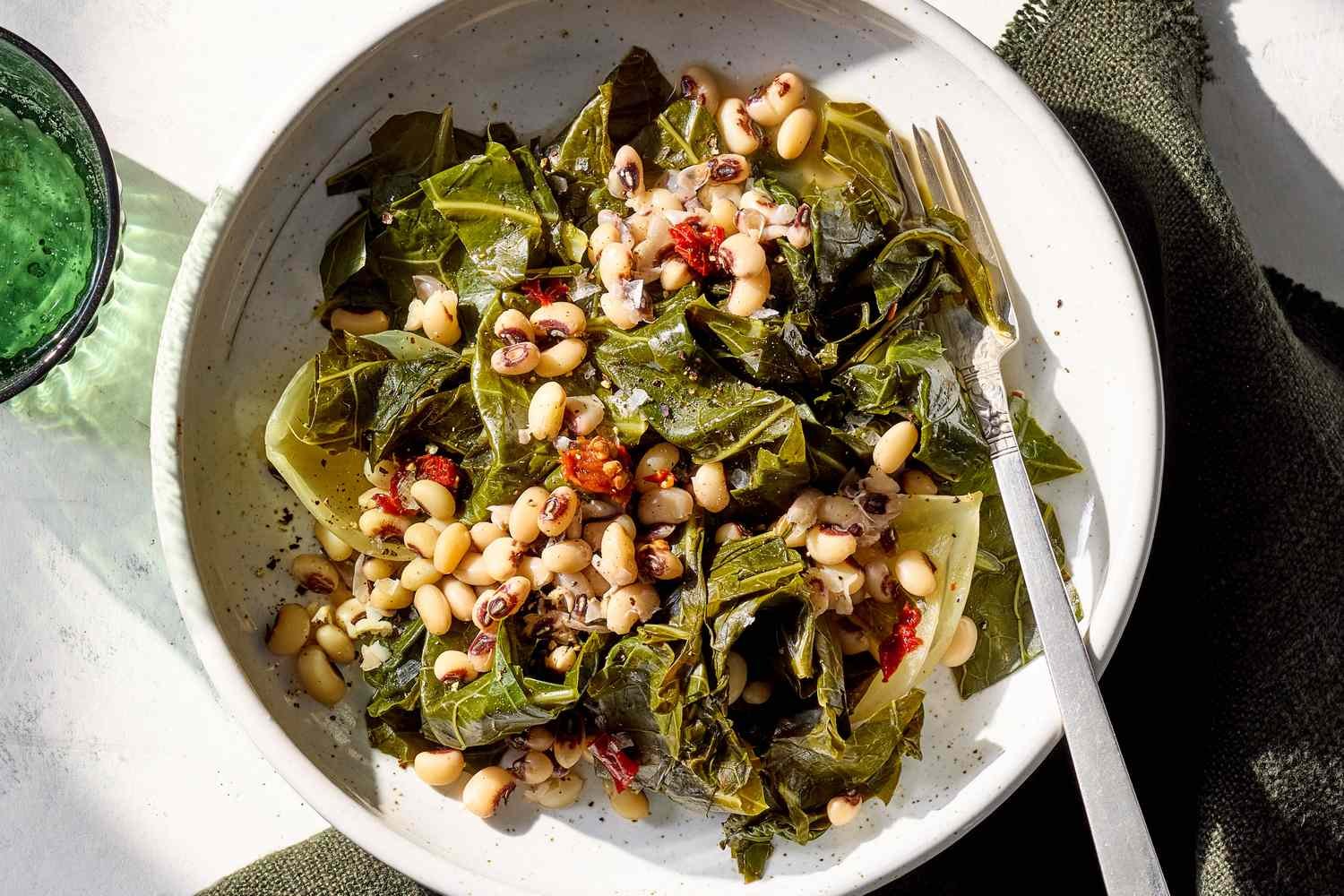
This may just be Pinterest trying to make “fetch” happen or my own personal wish for this to manifest, but the platform is anticipating a crucial shift in the crucifer rankings — in part tied to texture. “The motto for 2026? Live, laugh, leaf,” the company’s 2026 Pinterest Predicts trend report says. “In the year ahead, Boomers and Gen X will say goodbye to their cauliflower obsession and crown cabbage the new kitchen MVP. Think blistered-edge ‘steaks,’ kimchi cocktails, and even crispier taco wraps. It’s crunch time, baby.” Their data is backing that up with a 110% increase in searches for “cabbage dumplings” and a 45% bump for “cabbage alfredo.”
Bonus: Cabbage is a global, year-round favorite, so look for a slew of cold slaws in the summer, and a cozy cuddle with some Niños Envueltos Dominicanos as sweater weather approaches.
The wrap-up
Collider Lab’s report calls all of this maximalism — flavor, texture, fiber, pleasure — as “vibe mathing,” or emotional return versus the actual cost of an item. As fuzzy as that terminology is, it actually makes sense at this particular moment of cultural and economic uncertainty. We may not know what memecoin is going to spike, whether that person we’re communicating with online is a human being or an AI chatbot, or if that sniffle is the start of a cold or something else, but we can trust with our tongues and the rest of our senses when something we eat or drink makes us realize that we still have the capacity for delight. And that’s an offal great way to feel for now.