The Ribeye – Rich Marbling Equals Rich Flavor
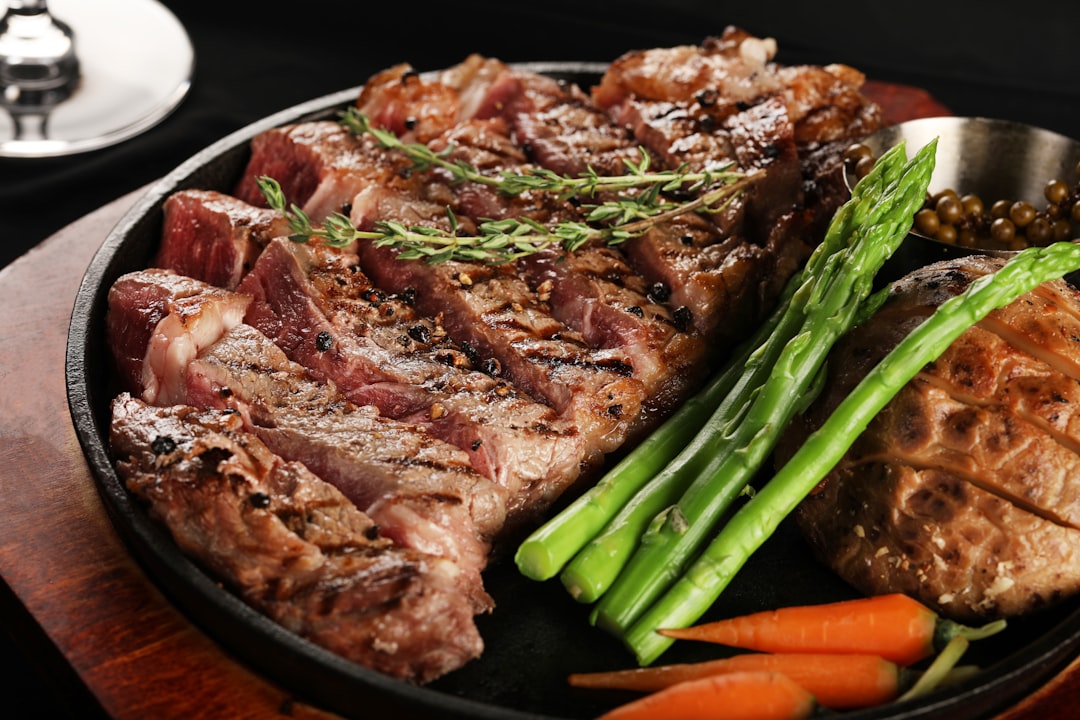
When walking into a steakhouse, the ribeye should be at the top of your list. Ribeye steak is often hailed as the flavor powerhouse of the steakhouse menu with its abundant marbling providing intense flavor and offering a taste experience that’s both bold and satisfying. Professional chefs consistently recommend this cut because it delivers the perfect fat-to-meat ratio that makes every bite memorable. As Jeremy Shigekane, executive chef of 100 Sails & Bar at the Prince Waikiki Hotel in Honolulu, notes the fat-to-meat ratio is perfect. The natural marbling melts during cooking, creating those incredible juices that make your mouth water. Cooking this steak well requires skill as the fat must render just right to enhance its taste, and it loves the grill where smoky aroma and charred exterior elevate its natural flavors.
Fresh Oysters – The Perfect Start to Your Steakhouse Experience

Fresh oysters for the table are essential, especially if you’re on the coast, and many steakhouses take pride in their daily mollusk offerings. These briny gems create the perfect contrast to what’s coming next on your plate. These little oceanic gems create the perfect contrast to what’s coming and their salty burst cleanses your palate before the richness of beef arrives. Smart steakhouse owners know that oysters aren’t just an appetizer – they’re a palate awakener that primes your taste buds for the main event. A classic app at steak houses, oysters are packed with nutrients like zinc as well as healthy fats, with oysters being an excellent source of zinc and other minerals.
Filet Mignon – The Tender Choice That Divides Opinion
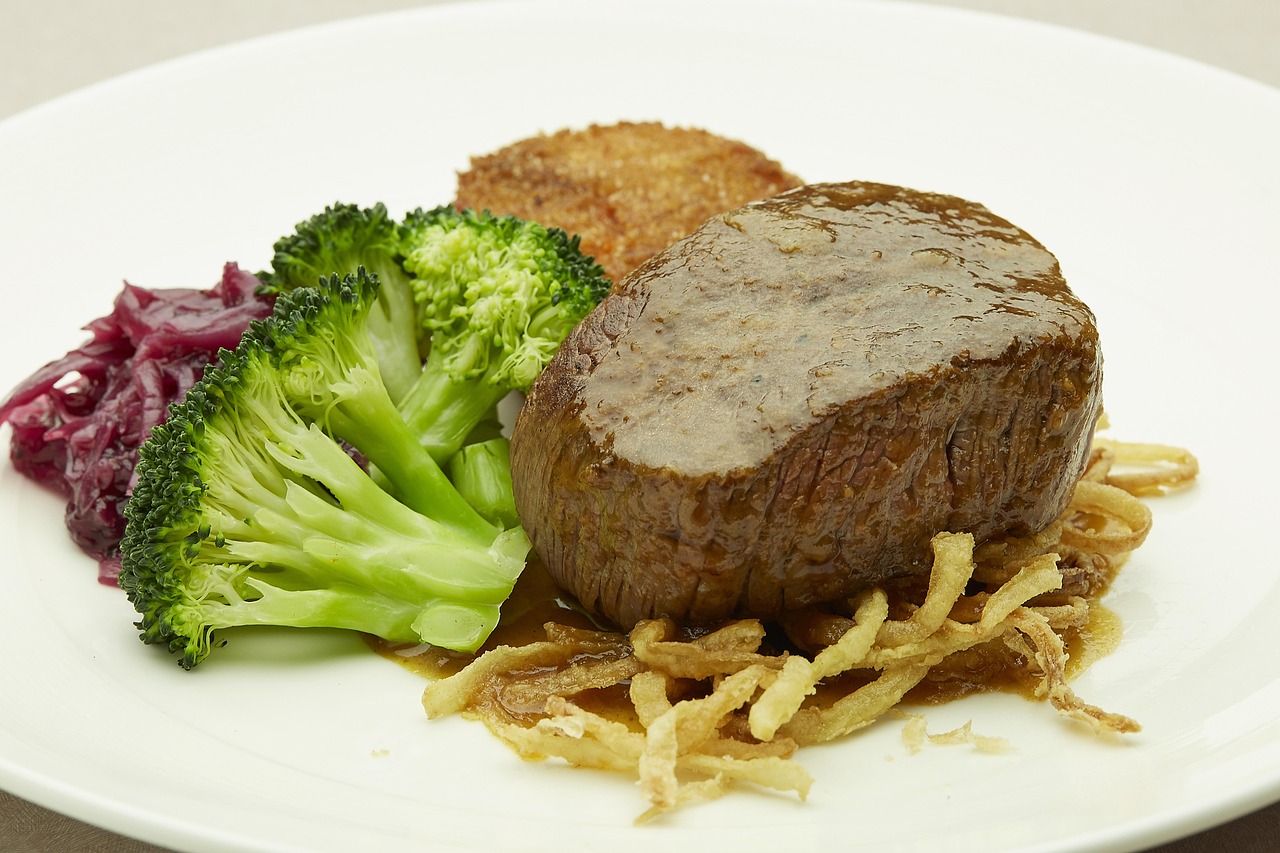
If you’re eating steak at a restaurant, going all-in on a buttery, medium-rare filet is worth it since it’s rarely made at home and a good steakhouse will know how to do it right. This cut represents elegance and refinement in the steakhouse world. Filet Mignon stands as a symbol of elegance and refinement with its lean, buttery texture that is second to none, offering a mild flavor that pairs beautifully with béarnaise sauce. However, some chefs have mixed feelings about this popular choice. Diana Manalang, chef-owner of Little Chef Little Cafe in New York City, considers it an unpopular opinion about a popular cut but notes that while it is tender and juicy, because it’s so lean, it has no real flavor, making sauces vital for this cut. This cut doesn’t need fancy sauces or complicated preparations, just a skilled chef who understands temperature control, and the right steakhouse transforms this lean cut into something magical.
Steakhouse Fries – The Ultimate Beef Companion
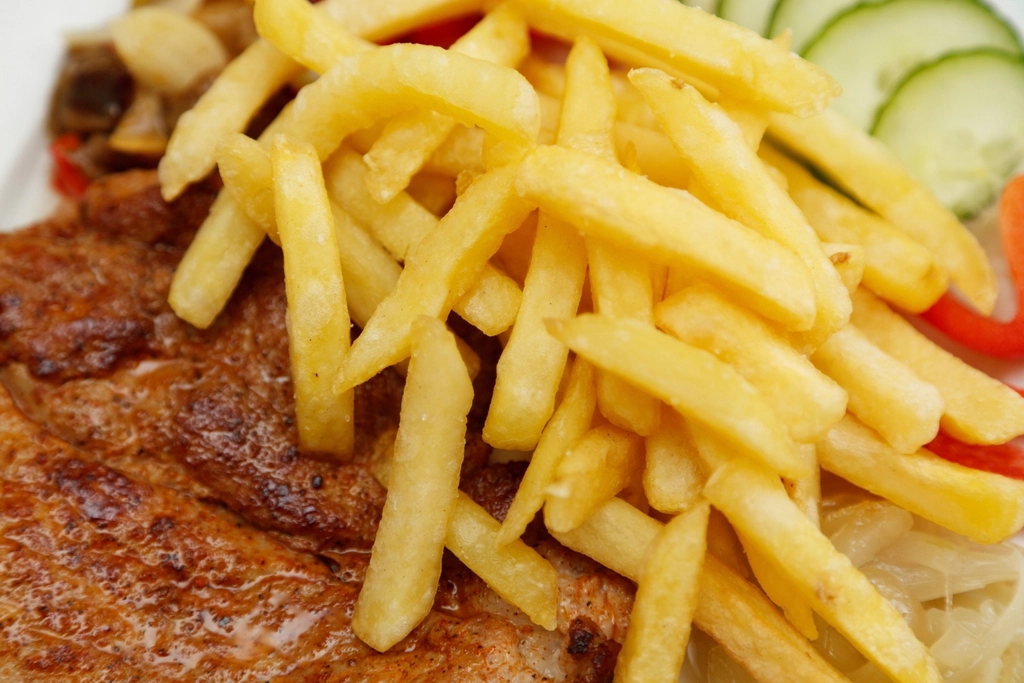
Truffle, Parmesan, or simple salt and pepper – no matter how the steakhouse fries are seasoned, they belong on your table. There’s something deeply satisfying about crispy potatoes that can soak up those incredible beef drippings flowing across your plate. Fries often pair nicely with steak and can be dipped in some of the meat’s juices, with something deeply satisfying about crispy potatoes soaking up those incredible beef drippings and the beautiful symbiosis happening when your perfectly cooked steak creates flavorful juices and golden fries become the perfect vehicle for capturing every drop. Quality steakhouses understand this partnership and often prepare their fries with care, using high-grade potatoes and proper frying techniques. The key is finding a place that doesn’t treat fries as an afterthought but recognizes them as an essential part of the steakhouse experience.
Fish at a Steakhouse – Missing the Mark Completely
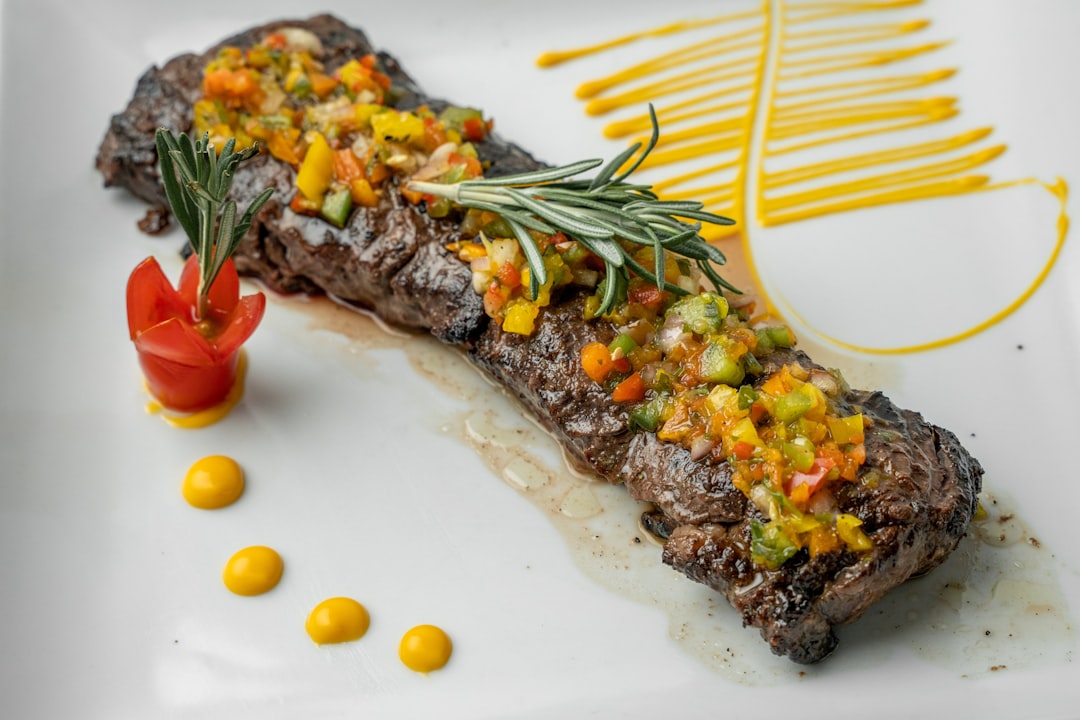
Never order fish at a steakhouse, suggests Jeremy Shigekane, executive chef of 100 Sails & Bar at the Prince Waikiki Hotel in Honolulu. This advice comes from understanding what restaurants do best. It’s not that steakhouses can’t prepare fish well, but you’re going to a specialist and then asking them to do something outside their wheelhouse, like going to a world-renowned violin maker and asking them to fix your guitar. Because their stock-in-trade is beef, steakhouses typically spend a good amount of time building relationships with suppliers that provide the best meat, but their relationships with seafood suppliers may not be so robust, leading to an inferior product, especially when located inland hundreds or thousands of miles away from the coast. Smart diners stick to what the restaurant does best rather than venturing into unfamiliar territory.
Pasta and Vegan Options – Menu Fillers That Disappoint
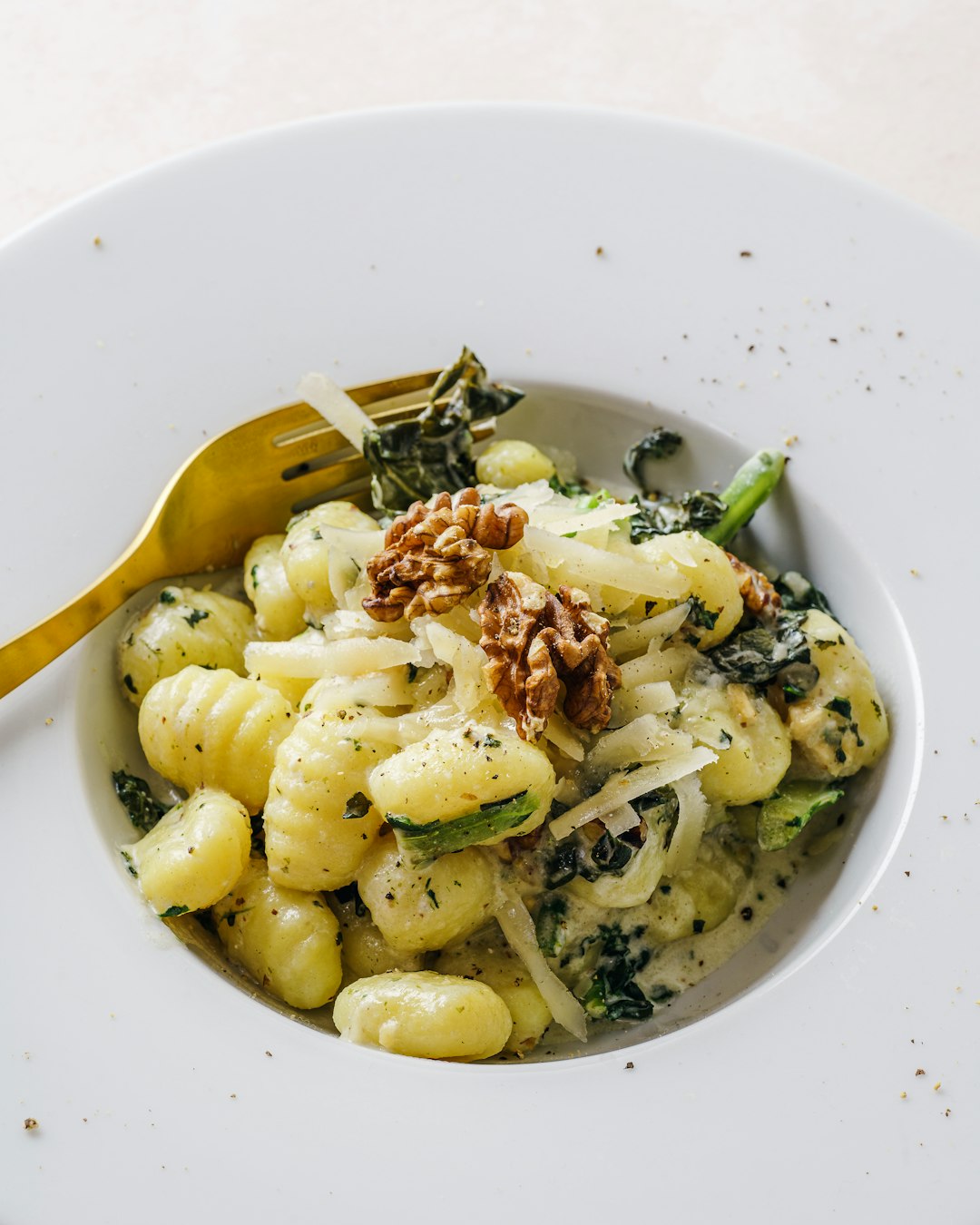
Josh Mouzakes, executive chef of ARLO at San Diego’s Town and Country Resort, advises avoiding non-steak menu fillers, saying to stay away from any kind of pasta or vegan options they threw on the menu for diversity since steakhouses are designed to grill, so eat off the grill. These items are often afterthoughts designed to accommodate different dietary preferences rather than showcase culinary expertise. Brian Motyka, executive chef of Longman & Eagle in Chicago, says the number one main dish he never orders at a restaurant is any sort of risotto. The problem with these dishes is that they distract from the restaurant’s core competency. Yulissa Acosta, chef de cuisine of Hearth ’61 at Mountain Shadows resort, notes that mac & cheese distracts from enjoying other dishes the restaurant may have to offer, with the richness from cream, cheese, and butter being simply too much.
Lobster Mac and Cheese – Frozen Dreams and High Prices
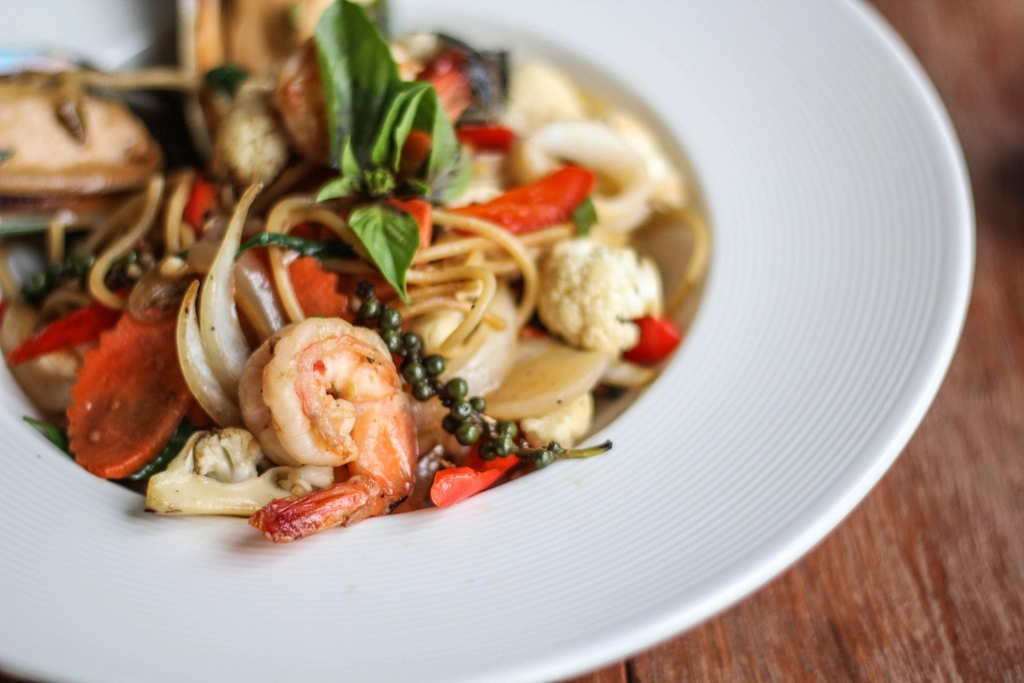
Another pasta side to stay away from at a steakhouse is lobster mac and cheese, since unless you’re in a restaurant that offers some type of lobster dish or is passionate about their seafood program, the lobster meat was brought prefabricated in a sealed bag, and because lobster is so expensive, chefs and owners are less likely to throw this item out and will hold on to it longer, potentially past its time of peak deliciousness. This dish represents everything wrong with steakhouse menu expansion – high prices for mediocre execution. For this same reason, your lobster mac probably came fresh out of the freezer, with the economics not making sense for most steakhouses to maintain fresh lobster inventory just for a side dish, meaning you’re getting likely frozen, pre-cooked lobster meat that’s been sitting around far longer than you’d want to know about. You’re essentially paying premium prices for what amounts to a convenience food dressed up with expensive marketing.
Loaded Baked Potatoes – Dry Disappointments Under Heat Lamps

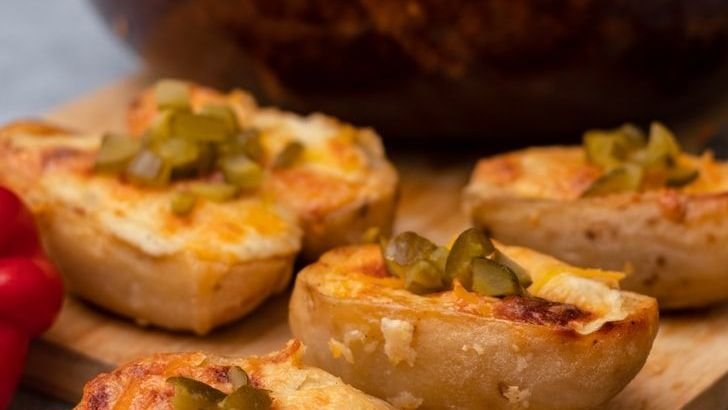
A steak and loaded baked potato sound like the classic choice, but Kyle Taylor, Founder/Chef at HE COOKS doesn’t recommend it since most steakhouse baked potatoes end up dry and under seasoned, then they just drown the thing in generic sour cream and that pre-shredded cheese from a bag. The fundamental problem lies in volume cooking and preparation methods. The fundamental issue stems from volume cooking and advance preparation, with most steakhouses baking dozens of potatoes hours ahead of service, leaving them sitting under heat lamps where they lose moisture and develop tough skins. What should be a comfort food classic becomes a disappointing side that adds bulk without adding joy to your meal.
Well-Done Steak – The Cardinal Sin of Steakhouse Dining
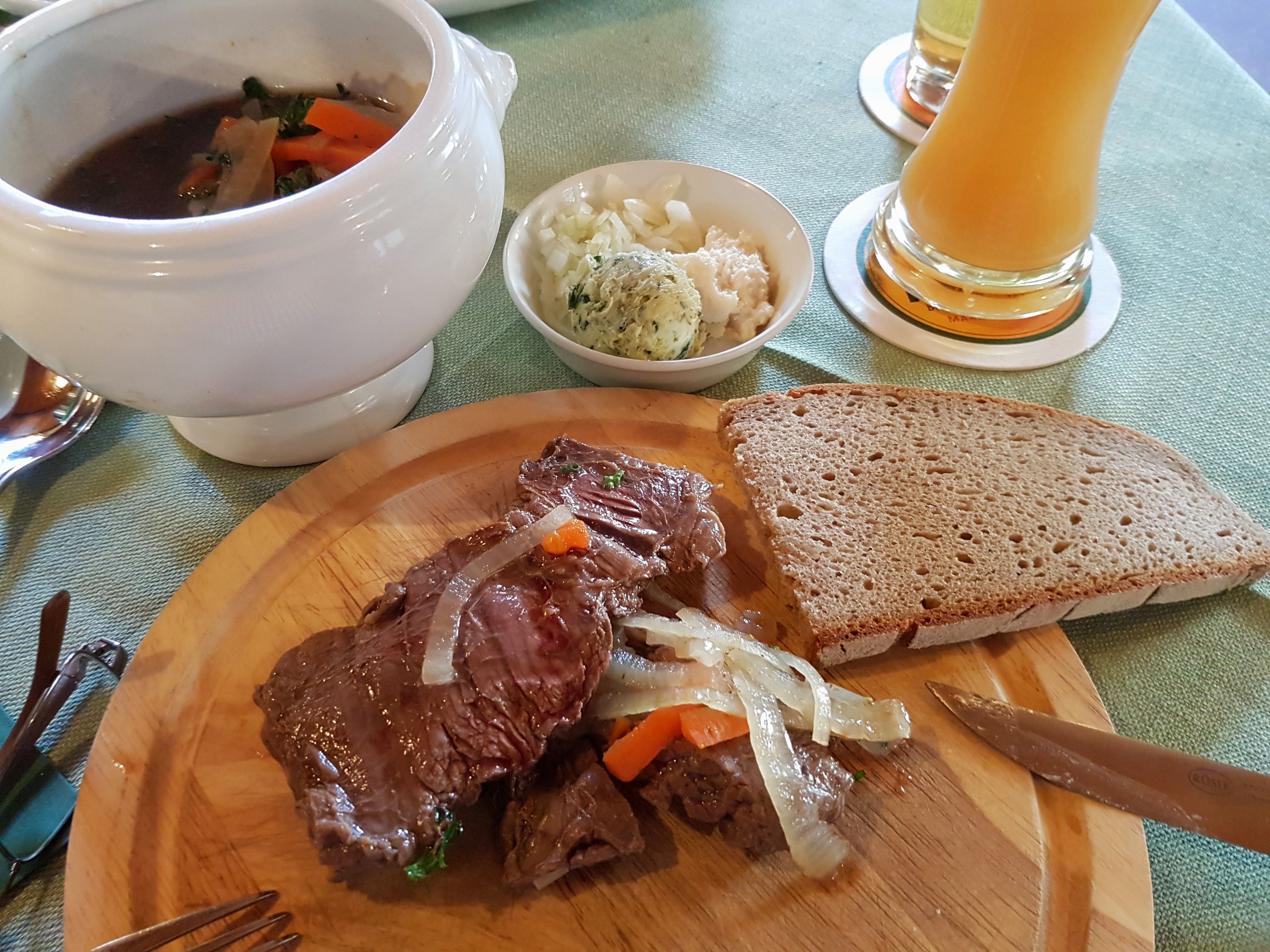
Cooks are a finicky bunch, and those well-done steak orders tend to get under their skin since they take longer to cook than any other item on the ticket, requiring more effort to get the food to finish at the same time. Beyond annoying the kitchen staff, ordering well-done destroys the very essence of what makes a great steak. Ordering Wagyu beef well done will destroy your experience, with Salt & Fin’s executive chef Eric Mickle noting you should never order a Wagyu or American-style Wagyu cut well-done, and instead should enjoy it as rare as you can take it since a beautiful piece of Wagyu should be cooked at high temperature and pulled off the heat quickly to retain its fat yet develop a flavorful crust. It’s not just Wagyu you should avoid ordering well-done, as most steaks are way better when they’re not cooked through, remaining juicier, more flavorful, and more tender.
Caesar Salad – When Done Right, It’s Pure Magic
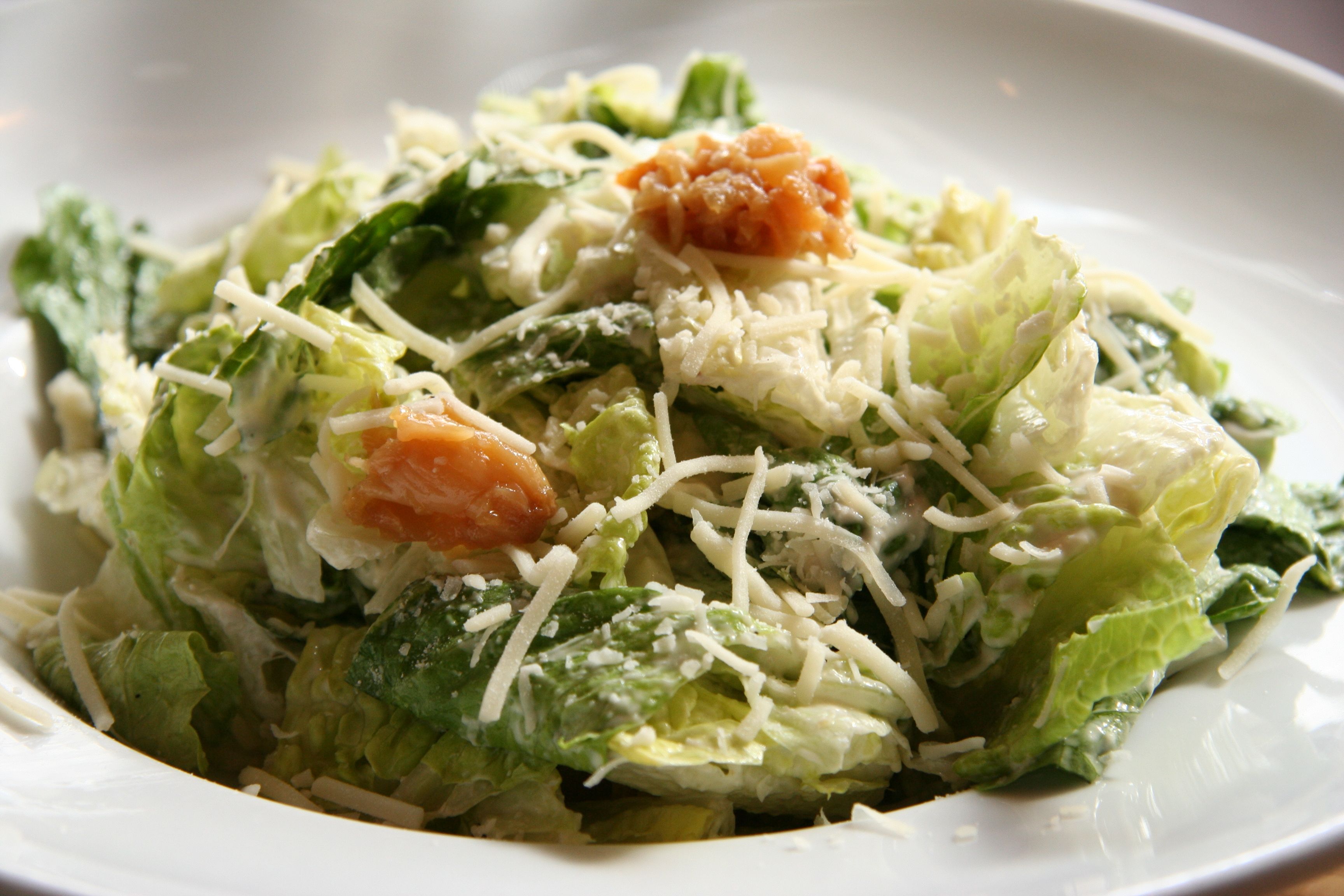
Getting the Caesar salad is worthwhile as long as the croutons are house-made, with it being worth asking if the croutons are house-made or not, since if you’re going for a salad at a steakhouse, it has to be a classic, and a savory Caesar pairs well with both beef and seafood. The difference between great and mediocre lies in the details. Caesar salads are either phenomenal or forgettable, with very little middle ground, but if the restaurant is making crispy croutons in the back and using real Parmesan, those little details make all the difference between a meal enhancer and just some lettuce taking up space on your plate. A properly executed Caesar salad provides a fresh, tangy contrast to rich steak while showcasing the restaurant’s attention to fundamentals.
Tomahawk Steak – Instagram-Worthy But Impractical
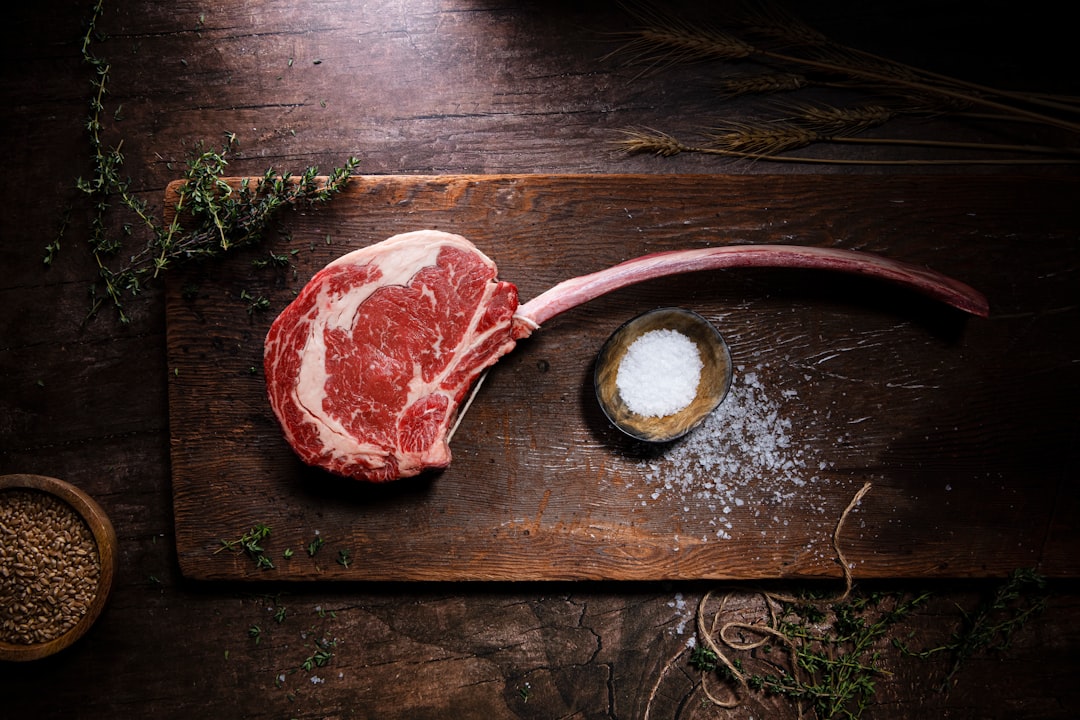
The Bone-In Cowboy Cut is a statement piece, perfect for those who love a hearty meal, known for its robust flavor derived from the bone and offering an Instagram-worthy presentation, with this steak being ideal for sharing, making it a communal experience in dining. However, experienced chefs often steer clear for practical reasons. Jeremy Shigekane avoids tomahawk steaks saying he’s not really into tomahawk steaks as they are too much food for him. While visually impressive, these massive cuts often sacrifice quality for showmanship. The bone takes up significant real estate on the plate, and the meat-to-price ratio rarely justifies the premium. Unless you’re feeding a crowd or prioritizing social media content over culinary experience, there are better ways to spend your steakhouse budget.
Daily Specials – Yesterday’s News at Today’s Prices
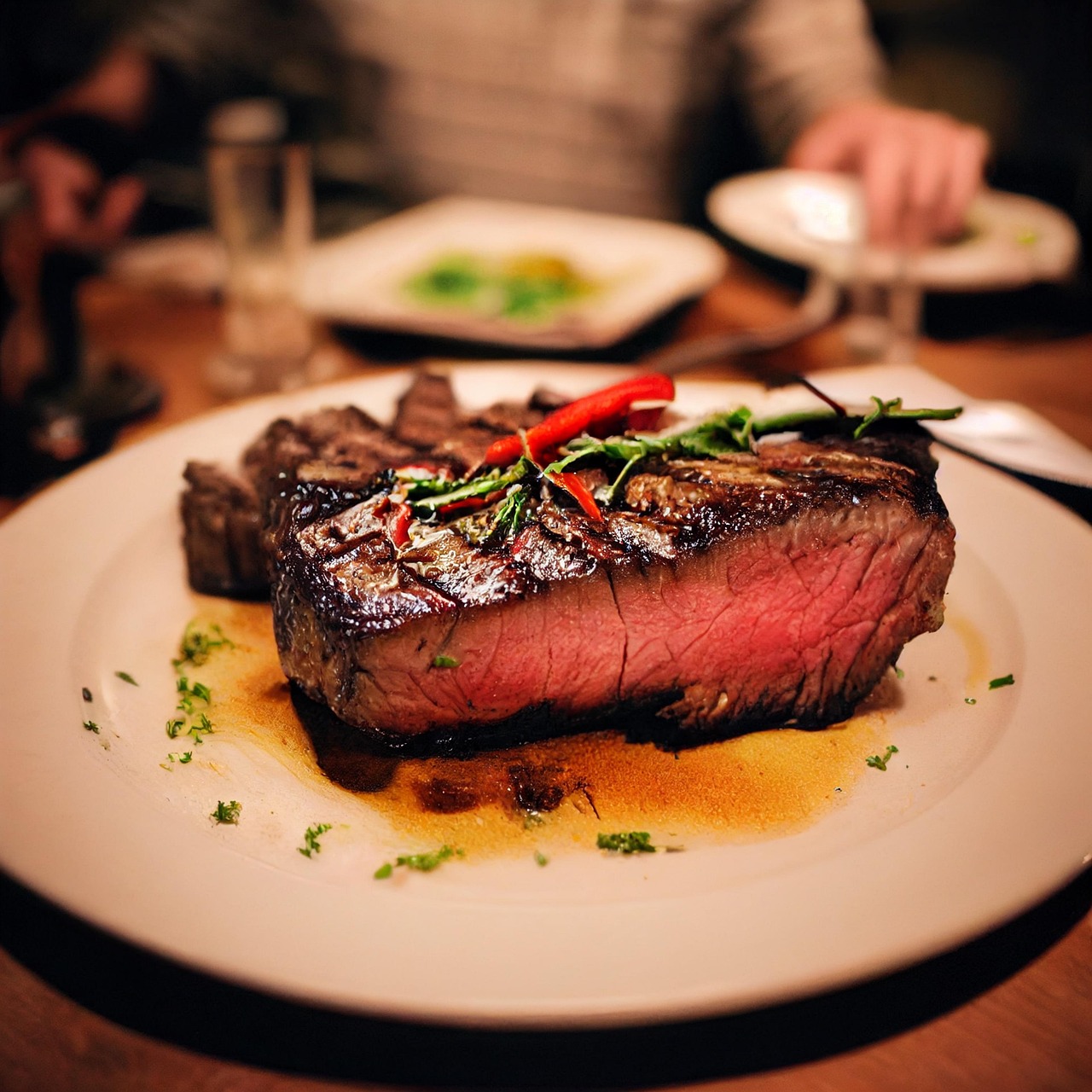
Who can resist the lure of the special in a restaurant, but unfortunately, as hard as it is to do, it’s recommended you try to resist because that “special” menu item might not be that exceptional, with Farmer’s Bottega’s executive chef and owner Alberto Morreale stating he never orders the specials when going out to eat at other restaurants. The harsh reality behind specials often involves moving inventory that’s been sitting around too long. This is troublesome in a steakhouse because steak tastes better when it’s fresh, and no one wants to eat a piece of meat that’s about to go bad, so rather than be fooled by the special, it’s recommended to ask your waiter whether there’s anything that’s arrived fresh at the restaurant that day, and if that fails, stick with the steakhouse’s standard menu items. Smart diners understand that legitimate daily specials based on fresh deliveries are different from menu specials designed to move aging inventory.
The steakhouse experience should be about celebrating quality ingredients prepared with expertise. When you’re paying premium prices, focus on dishes that showcase the restaurant’s strengths rather than falling for menu items that stretch their capabilities. Since pricing is commonly cited as a key factor when trying new restaurants, making informed choices becomes even more critical. Stick to the classics that built these restaurants’ reputations, and you’ll walk away satisfied rather than disappointed.