:max_bytes(150000):strip_icc():format(jpeg)/Salted-Caramel-Sauce-FT-Recipe1225-60667d029c734995b3853f3490bd064d.jpg)
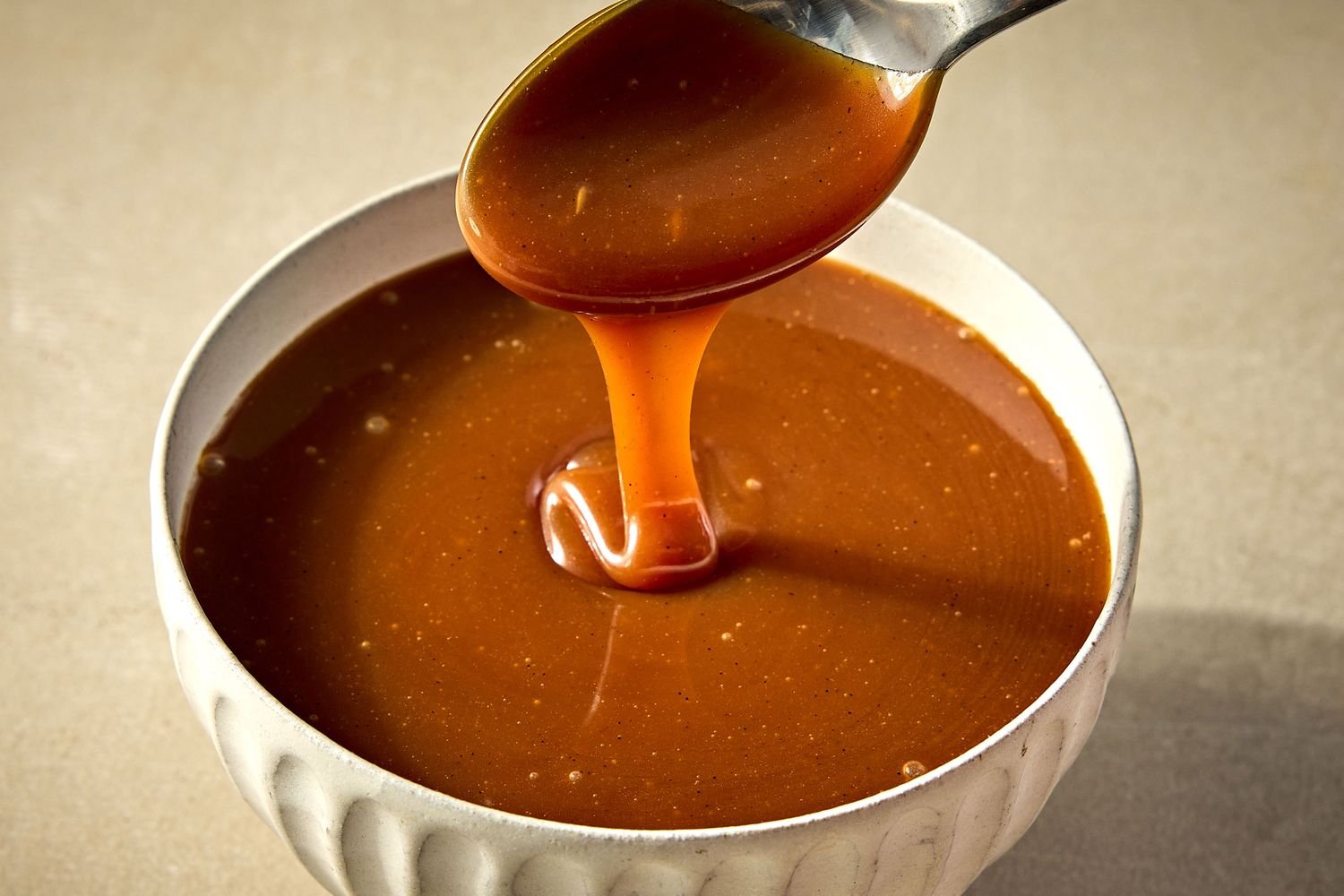
- Salted caramel strikes the perfect balance between sweet and bitter, with salt adding a subtle briny note that enhances both flavors.
- Cream stirred in at the end gives the sauce its richness and is easier to incorporate than just butter, which is what some recipes rely on.
- Vanilla adds an appealing aroma and makes the sauce versatile — it pairs beautifully with ice cream, pies, or even savory dishes like fried chicken and sweet potatoes.
Salted caramel, first created in Brittany in the 1970s, blends rich dairy with Celtic sea salt for a distinctive flavor. Once the domain of pastry chefs, it went mainstream by 2008 and remains a versatile modern classic in both sweet and savory cooking. The luscious sauce has become a staple partly thanks to how easy it is to make at home.
The method starts with cooking sugar and water until the mixture turns a deep amber color. Seeds scraped from a vanilla bean pod infuse both flavor and aroma as the mix cooks. The salt is stirred in early, so its briny edge balances the sweetness right from the start. Once the sugar reaches the right color, the saucepan is pulled from the heat and cream is swirled in to enrich the sauce and temper its bitter notes.
The sauce’s versatility is one of the best reasons to keep a batch of homemade salted caramel on hand. Classic uses include drizzling it over ice cream, spooning it onto grilled fruit, or serving it as a dip for fresh apple and pear slices. But it also shines in more playful ways, such as drizzled over fried chicken and waffles or paired with sharp cheeses on a charcuterie board.
Do I need special equipment to make salted caramel?
For this recipe, the most important tool is a stainless steel pan with enough heft to distribute heat evenly. Avoid flimsy or thin pans, which can cause the sugar to burn, as well as dark nonstick surfaces that make it difficult to judge the caramel’s color. In addition, while experienced chefs can often judge when sugar has caramelized to the right stage by sight and smell alone, a candy thermometer is especially helpful if you’re not practiced at making caramel. Monitoring the temperature of the sauce ensures the sugar reaches the right temperature for a perfect amber hue and helps to avoid crystallization, which can give the sauce a gritty texture.
Choose the right kind of sugar
Any sugar can be caramelized (heated until it breaks down and develops color and flavor), but each type behaves differently. For this salted caramel sauce, granulated sugar is the best choice: It dissolves evenly, producing a smooth texture and deep golden color. Superfine sugar melts quickly but can clump or recrystallize. Raw or turbinado sugar has large crystals and molasses content, which affect caramelization. Brown sugar also contains molasses, so it caramelizes differently and creates more of a butterscotch flavor — not a bad thing, but not the classic choice for salted caramel sauce.
Notes from the Food & Wine Test Kitchen
- To reheat caramel that has been stored in the refrigerator, warm it gently. Avoid reheating directly over the stovetop, which can deepen the caramel and make it taste bitter. Instead, place the heatproof container in a bowl of hot water and stir until pourable, or rewarm in the microwave in intervals of 10 to 15 seconds. You can also let the sauce sit at room temperature until it reaches the desired consistency.
- Stirring sugar as it melts can encourage crystallization. Instead, swirl the pan occasionally and avoid letting sugar or wet caramel stick to the sides. If crystals do form, dip a pastry brush in water and gently wash them back down into the pan.
This recipe was developed by Melissa Gray-Streett; the text was written by Cheryl Slocum.