:max_bytes(150000):strip_icc():format(jpeg)/Pina-Colada-FT-Recipe0825-a1b9a3c0b6f248a698fb2da581ec0818.jpg)
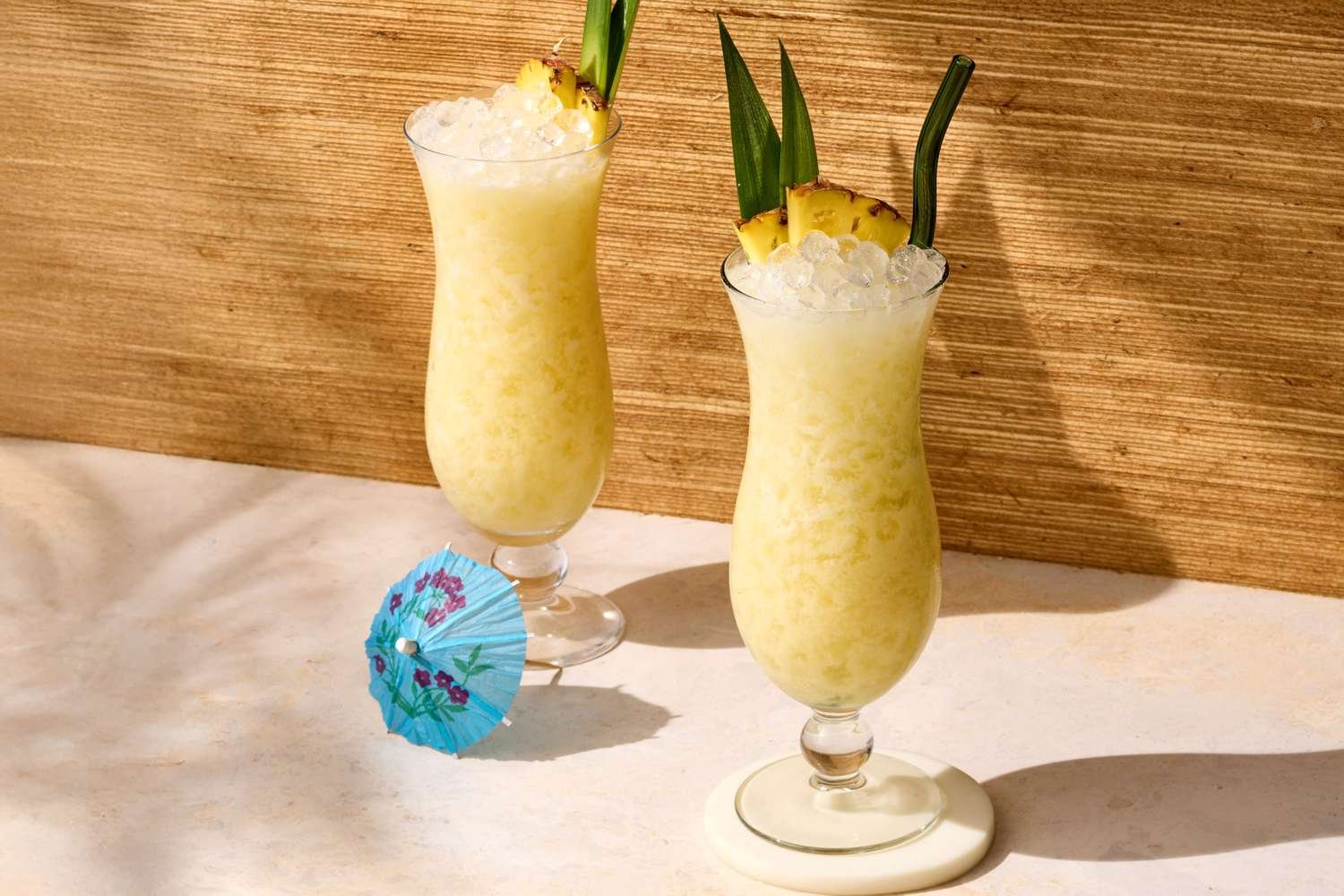
The Piña Colada is a sweet and creamy tropical cocktail combining rum, cream of coconut, pineapple juice, and lime juice.
The popular vacation cocktail’s origin story is complicated. The general consensus from drinks historians is that the Piña Colada, as we know it today, which translates to “strained pineapple” from Spanish, was created in Puerto Rico in the 1950s. From there, stories diverge.
Three different Puerto Rican bartenders claim to have invented the drink; however it’s Ramón “Monchito” Marrero who is most widely credited for its creation while bartending at the Beachcomber Bar inside the Caribe Hilton Hotel in the Old San Juan district. Though he claims to have made the first one in 1952, the hotel gives 1954 as the official date. This was also the same year Coco López landed in the market, the preferred cream of coconut brand supposedly used in the original Piña Colada.
In 1978, Puerto Rico officially made the Piña Colada its national drink. The next year, Rupert Holmes’ soft rock anthem, “Escape” (The Piña Colada Song), became a number one hit single in the U.S., entering the pop culture zeitgeist in a big way.
In the ensuing years, the blended variation took over. Powdered mixes replaced the simple, classic ingredients, and the Piña Colada became most known as a guilty pleasure beach resort drink.
Over the last few decades, the classic build has returned, along with a surge in craft cocktail riffs like clarified variations.
Why the Piña Colada works
Pineapple and coconut are an ideal flavor pairing. Pineapple is bold, bright, and acidic, while coconut provides a contrasting profile: rich, creamy, nutty, and textural. The blend of pineapple juice and cream of coconut creates one of the most classic tropical flavor combinations.
While zesty pineapple and fresh lime juice cut through the richness of creamy coconut, the rum contributes depth, a subtle kick of alcohol, and a necessary dryness to the drink. A light rum will also lend complementary tropical fruit flavors and a slight nuttiness.
This recipe uses a light, crisp rum as its base for a bright, fruit-forward Piña Colada. However, if you’re looking for a spicier, more robust variation, opt for a caramel-heavy gold or dark rum.