:max_bytes(150000):strip_icc():format(jpeg)/Apple-Cider-Vinegar-Explainer-FT-DGTL0126-01-e7833d63b55f42efaf5938870780f748.jpg)
- Apple cider vinegar, made by fermenting apples into acetic acid, delivers a tangy, slightly fruity flavor that adds both brightness and depth to drinks.
- Once used for preservation and folk medicine, it’s making a modern comeback in shrubs, switchels, and cocktails for its acidity, subtle sweetness, and potential digestive benefits.
- Bartenders and home mixologists prize it for creating complex, layered beverages.
Apple cider vinegar has been a multipurpose pantry staple for centuries. It can be a household cleaner, home remedy, and preserving agent. Recently, it’s regained the spotlight. Wellness enthusiasts praise it for digestive support, and bartenders now fold it into shrubs and switchels.
As people once again discover apple cider vinegar, here is everything you need to know about it.
What is apple cider vinegar?
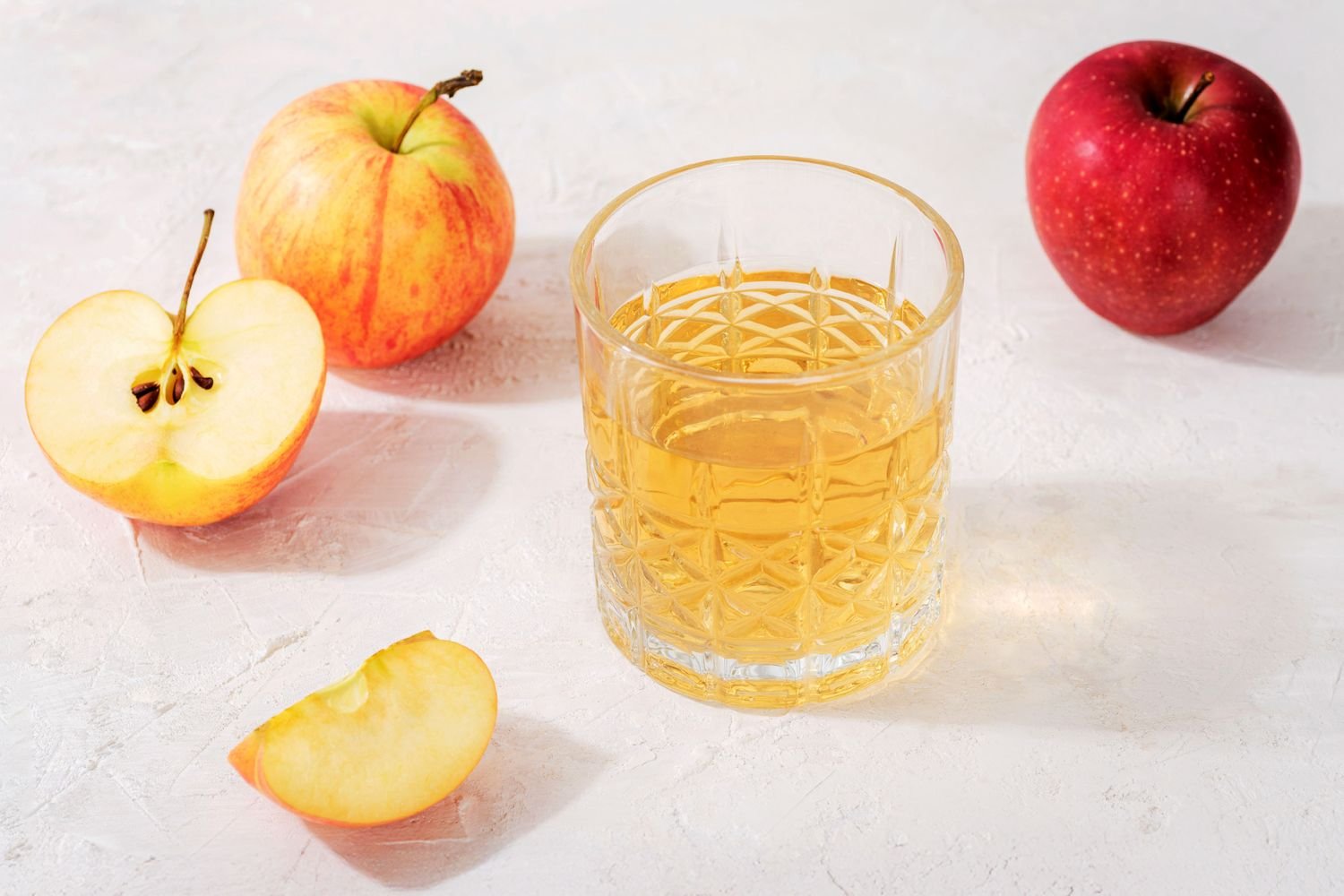
Apple cider vinegar is made from crushed apples combined with yeast. The fruit’s natural sugars ferment into alcohol, and a second fermentation transforms that alcohol into acetic acid.
This process creates the vinegar’s characteristic tang and signature aroma. Both are sharp and slightly fruity, while its taste is bold.
“It delivers acid, aroma, and subtle sweetness all at once, while also carrying the character of the apples themselves,” says Zak Lindahl, beverage director at The National Hotel in Oklahoma City. Some versions include “the mother,” a cloudy cluster of bacteria and yeast that forms during fermentation and is emblematic of raw, unfiltered varieties.
Historic apple cider vinegar applications
Apple cider vinegar’s history extends to early civilizations. “In ancient Mesopotamia and Babylon, apple cider vinegar was used to preserve food,” says Angelos Bafas, co-owner of Cato in London, scheduled to open in January 2026.
Its acidity and antimicrobial properties were valuable in ancient times. “Before refrigeration, vinegar allowed people to extend the life of fruits, herbs, and botanicals through maceration,” says Lindahl. He says that the mixtures evolved into early versions of shrubs and drinking vinegars.
Apple cider vinegar also became a folk medicine. “Later on in ancient Greece and Rome, it was used as a home remedy to cure coughs and sore throats,” says Bafas. “It was even used instead of water on certain occasions due to water being contaminated.”
A modern resurgence in bars and kitchens
Apple cider vinegar’s potential health benefits are a main reason that it’s cycling back into modern kitchens and bars. “There is a lot of conversation around wellness and apple cider vinegar,” says Lindahl.
It’s thought to aid digestion, largely due to the bacteria created during fermentation.
jayk7 / Getty Images
“Consuming fermented foods is good for not only providing more beneficial bacteria into our systems, but it also unlocks bioavailability in our food, much like cooking does,” says Ryan Chetiyawardana, also known as Mr. Lyan, owner/mixologist of Lyaness and Seed Library. “There is also the fact that acetic acid can change the structure of some carbohydrates, turning them into more complex fiber compounds than simple sugars.”
Zak Lindahl, beverage director at The National Hotel in Oklahoma City
“Some benefits, like digestive support and appetite stimulation, are fairly well supported, while the more extreme claims tend to live more in folklore. From a bar standpoint, I focus on how it functions in balance, rather than selling it as a health product.”
— Zak Lindahl, beverage director at The National Hotel in Oklahoma City
Research on apple cider vinegar’s medicinal value is far from conclusive, however.
“Some benefits, like digestive support and appetite stimulation, are fairly well supported, while the more extreme claims tend to live more in folklore,” says Lindahl. “From a bar standpoint, I focus on how it functions in balance, rather than selling it as a health product.”
Apple cider vinegar’s acidity and depth of flavor have also fueled its resurgence. “It’s best to think of acidity in terms of texture, rather than a counterpart to sweetness or richness, so using different sources, types, or origins of acids can change the profile of a drink hugely,” says Chetiyawardana. He says that the acetic acid in apple cider vinegar behaves differently than citrus.
“Acetic acid zips across the tongue in a different manner than other organic acids, especially when they’re found in natural forms,” he says. “And when combined with other acids, it can help create a wonderful, fuller, sherbet-like tang.”
How to use apple cider vinegar in drinks
Apple cider vinegar can be used to build drinks that feel round and layered.
“Apple cider vinegar has been one of my go-to ingredients for adding a different layer of acidity to cocktails and dishes,” says Chetiyawardana. “Unlike things like wine or malt-based vinegars, apple cider vinegar has a different body and a light sweetness that helps balance out the profile in a less aggressive way.”
It works especially well in tonics or switchels. “Warm water with apple cider vinegar, honey, and fresh ginger is still a classic,” says Lindahl.
Haymaker’s Punch, a switchel consumed traditionally by farmers for hydration and electrolyte replenishment, is also a delicious nonalcoholic option. Made with water, apple cider vinegar, and a sweetener like molasses or apple syrup, it’s tangy and cooling.
Ryan Chetiyawardana, bartender and bar owner
“Apple cider vinegar has been one of my go-to ingredients for adding a different layer of acidity to cocktails and dishes.”
— Ryan Chetiyawardana, bartender and bar owner
A shrub, which is a syrup made using fruit, sugar, and apple cider vinegar, is where the delicate balance of acetic acid becomes particularly useful. “With shrubs, you are able to preserve fruit, layered sweetness, and acid in one component,” says Lindahl. “So you can create flavors that feel structured and lasting in a drink.”
To make a shrub, fruits, herbs, or spices are infused in filtered apple cider vinegar for a few days. “Then lightly reduce the mixture over heat to lose some of the volatile vinegar aromatics and sweeten,” says Chetiyawardana.
Shrubs can be used in cocktails and nonalcoholic drinks. The acidity from the apple cider vinegar can deepen a Whiskey Sour, brighten a Rum Old-Fashioned, or stand in for lemon in a variety of drinks. Its ability to carry aromatics allows it to anchor spices, herbs, and fresh produce.
“Bourbon with an apple-ginger shrub, lemon, and honey builds like a Whiskey Sour with a deeper finish,” says Lindahl. “A simple zero-proof drink I like is an apple shrub topped with sparkling water and a citrus peel.”
These recipes offer reliable starting points, but part of apple cider vinegar’s appeal is how easily shrubs and drinking vinegars can be customized. Once you understand how its acidity interacts with sweetness and fruit, you can build variations with seasonal produce, herbs, or spices. As Lindahl says, “For me, apple cider vinegar is less about trend and more about using an old technique in a fresh way to build balance and dimension in drinks.”