:max_bytes(150000):strip_icc():format(jpeg)/ar-pears_4x3-f28397d1f2784a99953b7b79c19d317d.jpg)
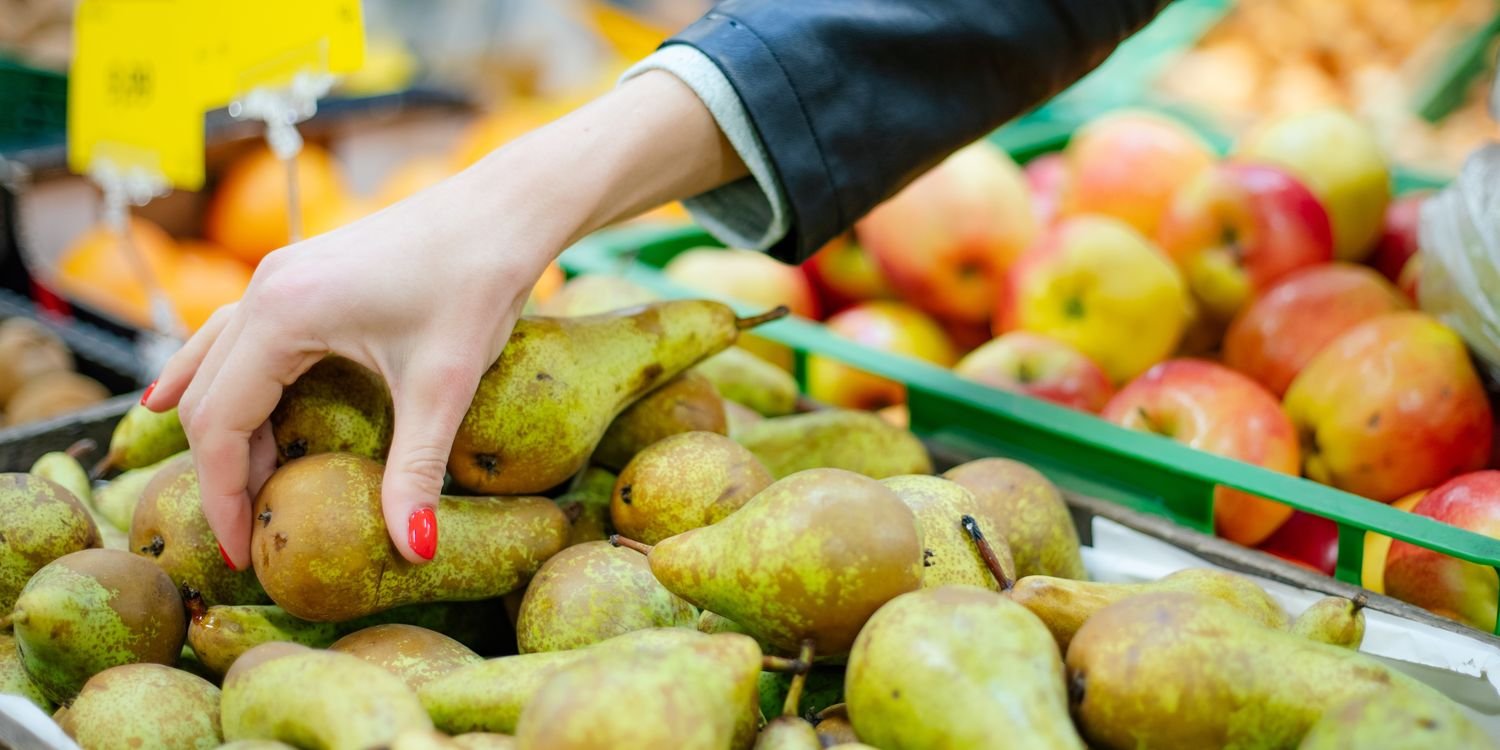
While I always bummed at the end of the stone fruit season, the sight of piles of glossy grapes, apples, pears, and other fruits at the supermarket always makes me appreciate the start of fall. When it came to shopping for pears, I always gravitated toward the softest ones in the bunch, assuming they’d be in the perfect condition to bite into or bake into a tart when I brought them home. But I was wrong—the pears were almost always bruised, mushy, and overripe by the time I got home.
This year, I finally figured out the right way to pick, ripen, and store pears, which completely changed how I shop for them (and how long they actually last on my counter). Here’s what I learned.
The Surprising Mistake Most People Make When Buying Pears
Pears are one of the few fruits that don’t ripen on trees (like bananas and avocados). Growers harvest the fruit when it is mature but still hard, allowing them to ripen and sweeten after picking. That means that pears in a firm state are actually more ideal to buy than their ripe, softer counterparts. So if you buy a pear that is soft to the touch, the interior is probably past its prime, resulting in a mushy or even mealy texture.
Because firm pears last much longer than soft ones, giving you more flexibility to ripen them on their own timeline, according to USA Pears, an organization that supports pear growers in Washington and Oregon and promotes the fruit in the United States and around the world.
How to Ripen Pears
To ripen pears, USA Pears recommends simply leaving them out on the countertop. To speed up the process, you can store them in a paper bag, which traps the natural ethylene gas (what causes fruits to ripen). Once your pears are soft, store them in the refrigerator to slow down ripening and keep them fresh for three to five days.
How to Tell When Pears Are Ripe
“To check for ripeness, press gently near the stem,” according to USA Pears. “If it gives slightly, the pear is ripe. The softer the neck, the riper the pear. As we like to say, ‘It’s easy, peasy, squeezy!’”
If your pear is soft around the middle, it’s already overripe.
The color and type of the pear in question might also indicate ripeness. For example, sweet and juicy Bartlett pears change from green to yellow as they ripen, while non-Bartlett varieties, including the subtly tangy Anjou and crisp Bosc, do not change color as they soften.
What to Make with Ripe Pears
Allrecipes/Qi Ai
Try these tried-and-true pear recipes to make the most of your fruit:
Stuck with overripe pears? It happens! Instead of tossing them in your compost bin, try Steve’s Fall Pear Sauce recipe—what I’ll be making this fall to pair with pork chops and spoon over vanilla ice cream.
“It’s fall and there are a lot of overripe pears around, so make this incredibly easy pear sauce to enjoy,” says Steve Zazulyk. “Day-old, ugly, ripe pears that you would never eat are great for this recipe. I like to add cinnamon, but I encourage people to make their own creations.”