
Significant restaurant growth is very achievable if you know how to combine smart systems with an intentional sales strategy.
The methods for growth in this guide are being used by independent restaurants, multi-location operators, and fast-casual brands every day to increase revenue, boost repeat visits, and protect profit margins. You can use them, too.
How to Increase Restaurant Sales Without Raising Prices
Price increases can help in the short term, but long-term growth comes from selling smarter. The most successful restaurants focus on guiding guest behavior in subtle, strategic ways that increase average order value.
Rethink Upselling Tactics
Upselling works best when it comes naturally. Instead of having servers push expensive add-ons, top-performing teams train staff to suggest pairings that genuinely improve the meal. For example, a house-made sauce that goes perfectly with fries or a featured cocktail that complements an entrée, increases check size without asking your guests to order something entirely new. Digital ordering platforms allow this same strategy to work automatically by prompting customers with intelligent add-ons during checkout.
Strategic Menu Design
Highlighting high-margin items with visual cues, writing concise descriptions, and placing high-ticket items in prime menu real estate drives sales without a single spoken word. Guests default to what catches their eye first, so make that work in your favor.
Limited-time features also drive urgency and repeat visits when used consistently. Monthly chef specials, seasonal drinks, or rotating desserts give regular guests a reason to return and try something new. Even small menu changes make a restaurant feel dynamic and fresh, which leads to higher visit frequency over time. We design menus that result in bigger checks. Here’s how.
Restaurant Marketing Strategies That Drive Consistent Traffic
Restaurants that grow steadily are actively engineering demand through predictable marketing systems. The strongest strategy still begins with hyper-local visibility paired with digital follow-through.
Your Restaurant’s Google Business Profile
Your Google Business Profile plays an enormous role in daily traffic, especially for casual dining and quick-service restaurants. A well-maintained listing can become one of the strongest free marketing tools in your business. This means frequent photo uploads, updated hours, current menus, and ongoing review responses.
Restaurant Email Marketing
Did you know a well-developed email marketing strategy can outperform social media when it comes to direct sales impact? An email list filled with guests who have dined with you is far more valuable than thousands of passive followers. Restaurants using loyalty sign-ups, WiFi logins, and online ordering checkboxes to grow their list create a dependable sales channel. Sending one strong offer-based email per week consistently drives ticket surges that compound over time.
Social Media for Restaurants
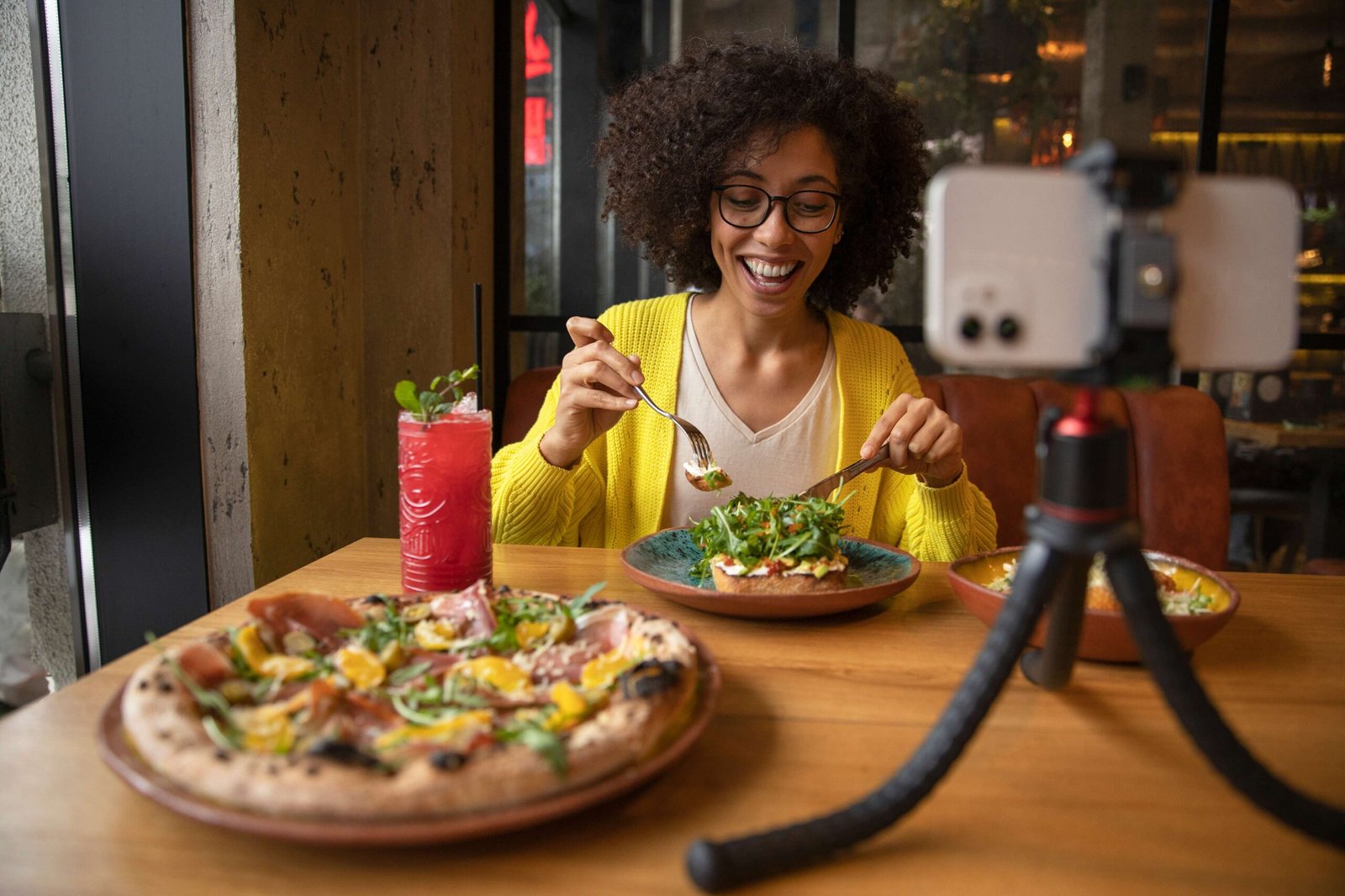
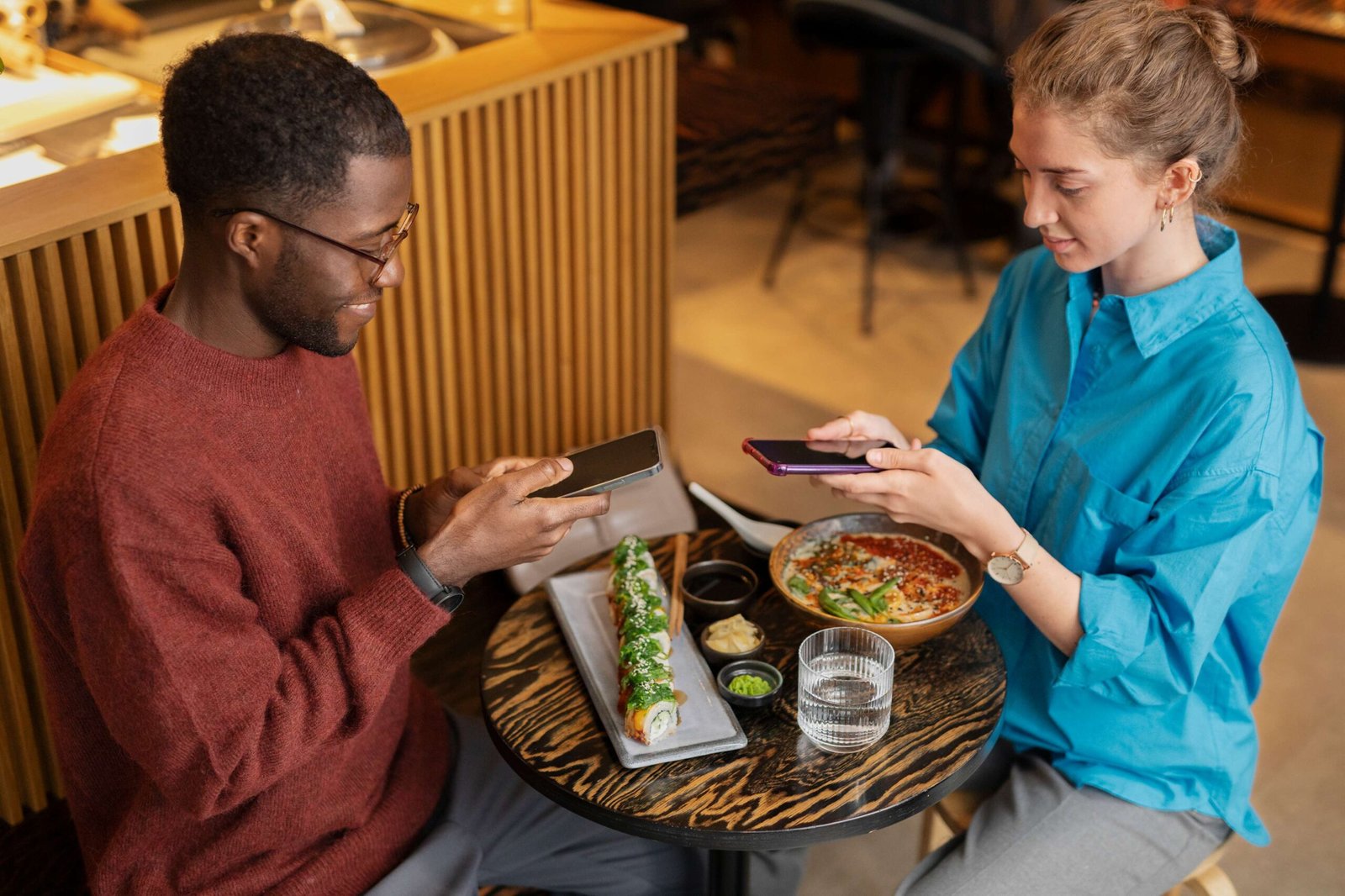
Short-form video on social platforms fuels top-of-funnel discovery, but only when it feels authentic. Behind-the-scenes prep, chef spotlights, daily specials, and customer reactions perform significantly better than highly produced advertisements.
Increasing Restaurant Profit Margins With Smart Cost Controls
Revenue growth gets most of the attention, but profit growth is often won through operational adjustments. The most profitable restaurants obsess over waste reduction, prep efficiency, and real-time reporting.
Portion Control
This remains one of the most overlooked profit levers in the restaurant industry. Consistent recipes, pre-weighed ingredients, and standardized plating systems protect margins and keep your recipes consistent. Slight over-portioning across hundreds of tickets per week silently drains profit.
Inventory Tracking
Disciplined ordering paired with inventory tracking software eliminates product overstocking and stockouts at the same time. Restaurant operators who review their usage reports weekly gain incredible insight into which items move fastest, which linger too long, and which should be removed entirely.
Labor scheduling
Base restaurant schedules on sales data rather than guesswork to prevent expensive overtime. Restaurants that align staffing levels to hourly average ticket volume maintain a consistent guest experience without paying for unused labor.
Restaurant Loyalty Programs That Increase Repeat Business
Modern loyalty programs are no longer the simple punch cards. Digital loyalty programs that track visit count rather than dollars encourage guests to return more often instead of holding off for bigger spend days.
Exclusive access works better than basic discounts. For example, early menu tastings, members-only happy hour offers, birthday perks, and surprise freebies build emotional attachment to a brand.
The most effective loyalty platforms integrate with POS systems so operators can track guest behavior. Knowing how often someone visits, what they order, and when they stop coming allows for targeted reactivation campaigns that recover lost traffic.
Sales Strategies for Online Ordering and Delivery Growth
The fastest-growing restaurants treat online ordering as a curated revenue channel with its own sales strategy.
Restaurant Menu Optimization
Increases conversion by using fewer modifiers, clearer photos, and simpler category groupings. This reduces decision fatigue. Restaurants that keep their online menu focused outperform those that upload their entire in-house menu without adjustments.
First-party Restaurant Ordering
Ordering through your own website preserves valuable customer data and protects margins. While third-party platforms generate reach, each commission-free order captured through your direct channel compounds long-term profitability. Restaurants that actively promote click-and-collect with small incentives see steady migration away from costly marketplaces. Learn more here about how the Restaurant Den team can help you integrate online ordering into your website.
Food Delivery Packaging
A well-presented meal that arrives hot, intact, and visually appealing significantly increases reorder rates. Poor packaging can turn first-time customers into never-again customers.
How to Convert First-Time Guests Into Regulars
Getting someone through the door once is only the beginning. Restaurants that grow fast design the guest experience with retention in mind.
Host stand greetings, server introductions, and personalized recommendations immediately set the tone. Guests who feel noticed are far more likely to return. Even simple moments like confirming a name for takeout orders or remembering a drink preference create lasting impressions.
Follow-up communication closes the loop. A post-visit email or text thanking guests for dining reinforces the relationship while opening the door for future offers. Restaurants using automated follow-ups through their POS or reservation system see higher second-visit conversion without any additional labor.
Consistency builds trust. When guests know exactly what to expect every time they return, loyalty naturally follows.
Using Data to Make Better Restaurant Growth Decisions
Today’s POS platforms provide unprecedented insight into guest behavior, menu performance, and labor efficiency. Operators who review weekly sales trends, menu mix performance, and profit reports make far better decisions than those who only check daily totals.
Understanding which items drive profit versus volume allows for smarter promotions. The most successful restaurants push items that both sell frequently and generate strong margins, rather than chasing popularity alone.
Marketing performance tracking also eliminates wasted ad spend. When restaurants measure which campaigns drive real sales instead of just engagement, budgets shift toward what works.
Building Multiple Revenue Streams Inside One Restaurant
The strongest restaurant brands today rarely rely on a single revenue stream. Catering programs, branded retail products, cooking classes, meal subscriptions, and private dining experiences create additional income. Branded sauces, spice blends, pastry boxes, or frozen meal kits extend your brand into guests’ homes.
Restaurants that build layered revenue models protect themselves during seasonal fluctuations and economic downturns while increasing business value.
The restaurants that grow consistently are built on reliable systems that compound daily. Sales strategy, marketing automation, menu engineering, labor optimization, and guest retention all work together to create predictable growth.
Your website, menu, online ordering systems, and more all play a role. Our team is here to help. Reach out and let’s chat.