:max_bytes(150000):strip_icc():format(jpeg)/12111-best-ever-pie-crust-ddmfs-Beauty-3x4-05dfa5e0cca34560bbf13803c9da9501.jpg)
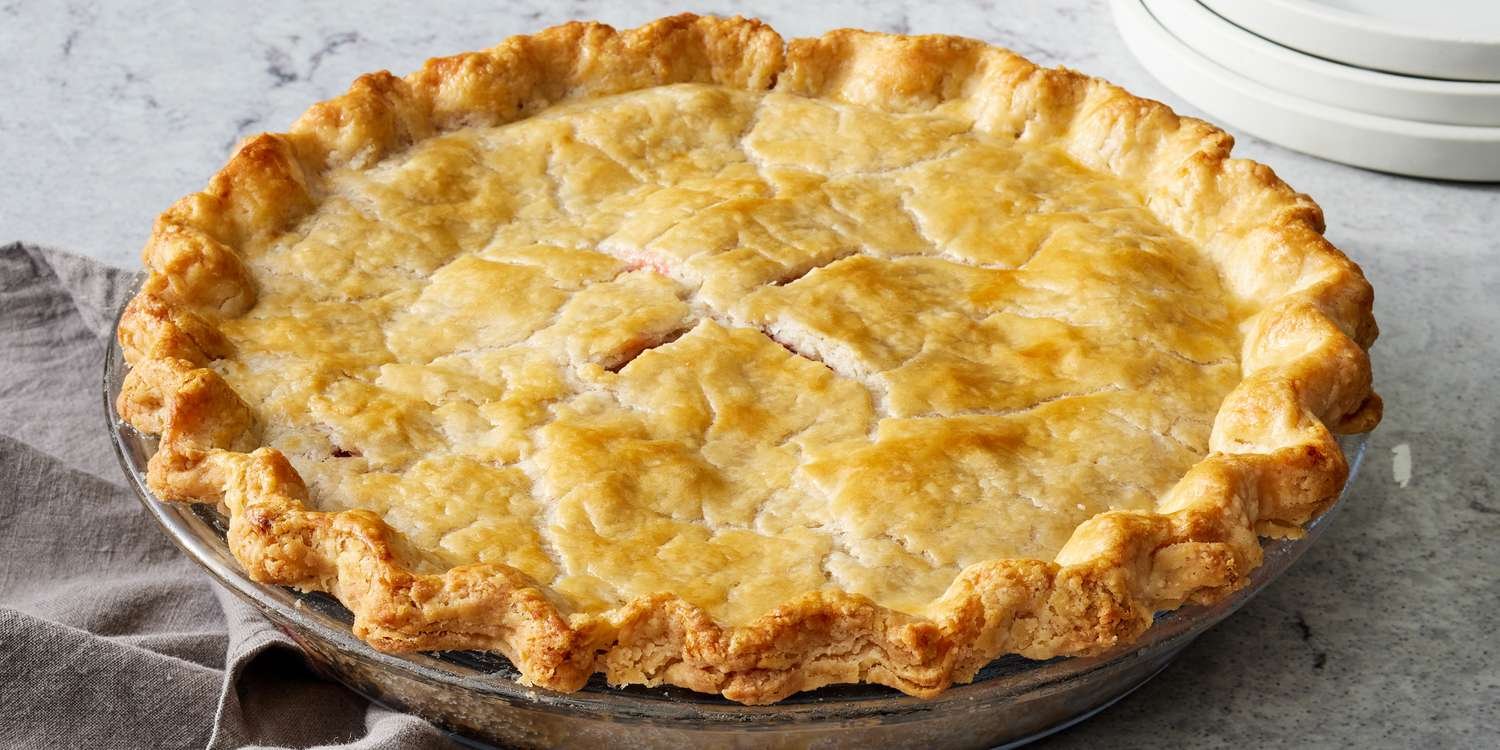
I thought my go-to pie crust recipe came from none other than our patron saint, Julia Child. As it turns out, my recipe has morphed over the years into something entirely its own (probably because I don’t tend to keep shortening around). It’s certainly not groundbreaking, but it’s my default crust, and I rarely stray from it. It delivers wonderfully flaky, light, and delicious results—always has. However, on a lark brought on by nothing more than pure curiosity, I decided to try three different pie crust “tricks” using this gold standard recipe as a base, just to see if I could somehow send this absolutely perfect recipe to new heights of flaky, delicious nirvana.
Meet the Tricks
- Add vinegar (or vodka) to ice water for an ultra-flaky crust.
- Add herbs (and cheese!) in the dough for a flavor boost.
- Grate frozen butter for an ultra-flaky crust.
How I Judged the Tricks
I mixed each dough using my go-to recipe (see below), incorporating each trick separately. After an hour in the cooler, I rolled them out, let them rest in the freezer, then parbaked and fully baked them all under identical conditions. I judged on three key factors.
- Texture: Irresistibly flaky and tender—no dense, tough, or gluey disasters.
- Flavor: Buttery with the right balance of salt and sweetness.
- Appearance: Even browning, good shape retention, and that perfect golden, lightly puffed look—not shrunken, lopsided, or patchy.
My Pie Crust Recipe
Dotdash Meredith Studios
2 1/2 cups all-purpose flour
1 teaspoon kosher salt
1 teaspoon granulated sugar
1 cup (2 sticks) unsalted butter, cold and finely diced
1/2 cup ice water
The magic of this recipe is in the methodology. I don’t use anything but a wooden spoon and my hands—not because I’m crunchy, but because it yields the best results. Rather than beating everything together in a mixer or food processor, or even using a pastry blender, I snap the cold butter into the dry mixture with my fingertips until it resembles peas. When your mixture is almost uniform, drizzle in your ice water. Give it a stir and continue working it with your hands until it comes together. Divide your dough in half, roughly shape the halves into discs and wrap them in plastic. Let them rest in the fridge for at least an hour, or up to 2 days. Roll out and use as directed in your pie recipe.
Using your hands rather than a food processor or pastry blender creates beautifully chaotic butter distribution. Rather than creating uniform little bits, your fingertips create butter pieces of different sizes—some tiny, some chunky. When the dough hits the oven, all those different-sized butter bits melt and create steam at slightly different rates, which gives you those coveted flaky, irregular layers instead of a uniform crust.
The Results
Now that we’ve established our gold standard baseline, let’s dive into how the secrets I tested with the basic recipe performed.
Runner Up
Trick: Mix a tablespoon of vinegar into your ice water, or substitute part of the water with vodka. Both options reduce gluten development, resulting in a more tender, flaky crust—and the vinegar also helps maintain a beautiful crust color.
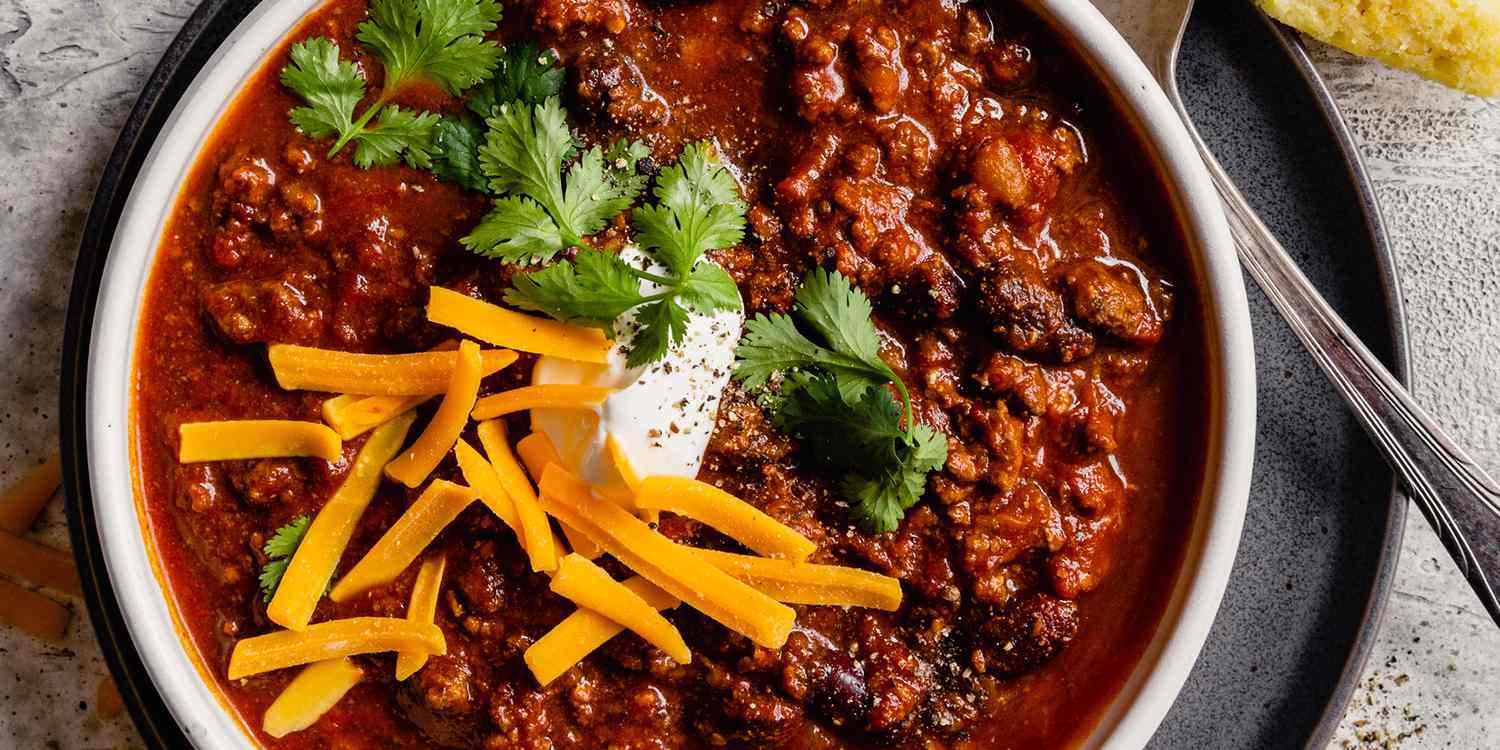
This trick promises to solve the eternal pie crust struggle: gluten overdevelopment. The theory is sound—when you’re making pie crust, you need a light hand and quick work to avoid a tough, chewy disaster. Overwork the dough, and you’ve basically made edible cardboard. I mixed my standard recipe, swapping in ¼ cup vodka for some of the ice water. The dough rolled out like a dream—smooth, cooperative, practically begging to be shaped. I filled it with chocolate cream, baked it up, and dove in.
The crust held its shape beautifully and looked absolutely perfect. But here’s the thing: It was less flaky than my original. The vodka trick might be genius for people who don’t have perpetually freezing hands or who panic and overwork their dough, but for me? It felt like a solution to a problem I don’t actually have. I’m sticking with the original.
Winner #2
Dotdash Meredith Food Studios
Trick: Mix finely chopped herbs—like rosemary, thyme, or basil—into your crust dough. For savory pies, you can even grate in some cheese. It transforms the crust from a neutral shell to a fragrant, flavorful star.
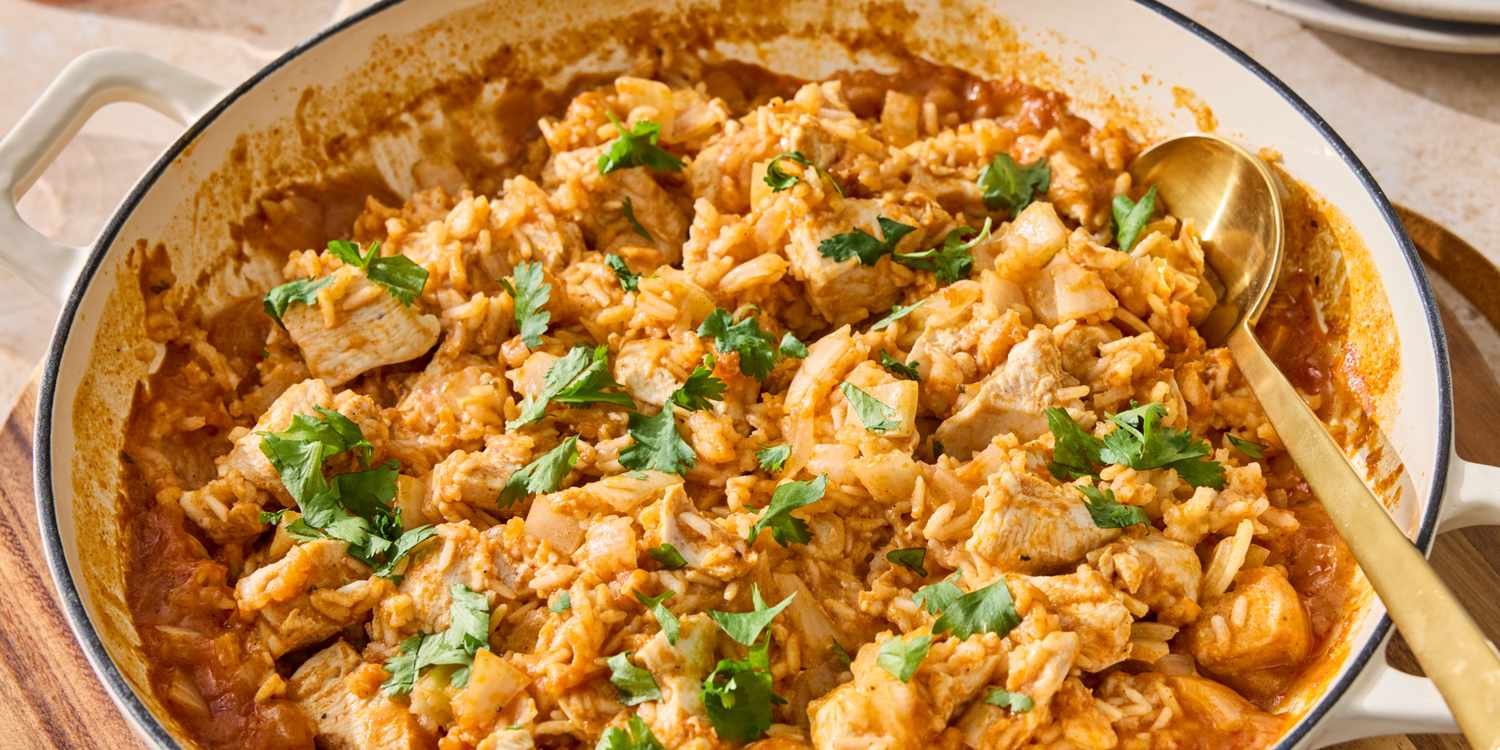
What a completely brilliant way to add flavor to tarts, quiches, and even sweet crusts. I stuck to my basic recipe and added about 3 tablespoons of finely shredded parmesan and ¼ cup of fresh chopped basil. I considered Cheddar and scallions but decided a harder cheese would be easier to work with (if you go the Cheddar route, substitute it tablespoon-for-tablespoon with some of the butter).
This dough was an absolute dream—rolled out beautifully, held its shape perfectly, and paired with a savory quiche like they were made for each other. The possibilities are endless: orange zest and rosemary for pumpkin pie, lemon zest and poppy seeds for cream pie, or whatever flavor combination strikes your fancy. This is the kind of trick that makes you wonder why anyone settles for plain pastry.
Winner #1
Dotdash Meredith Food Studios
Trick: Freeze the butter until very firm, then grate it using the largest side of a cheese grater. Toss the cold shreds directly into your flour and keep everything chilled. This method yields tiny, even pieces of butter that stay cold until baking—creating crisp layers and delightfully flaky crust.
This trick gave me the most pause because I’m a fairly minimalist cook. If a recipe calls for an extra tool, I sometimes skip it altogether. Because you know who’s doing the dishes? This girl. But I dutifully froze my butter and grated it directly into the dry ingredients. At first I worried I was losing too much butter in the grater holes, and my arm was getting tired, but the results were perfect—butter pieces that needed just a gentle toss with a spoon. No snapping or blending required.
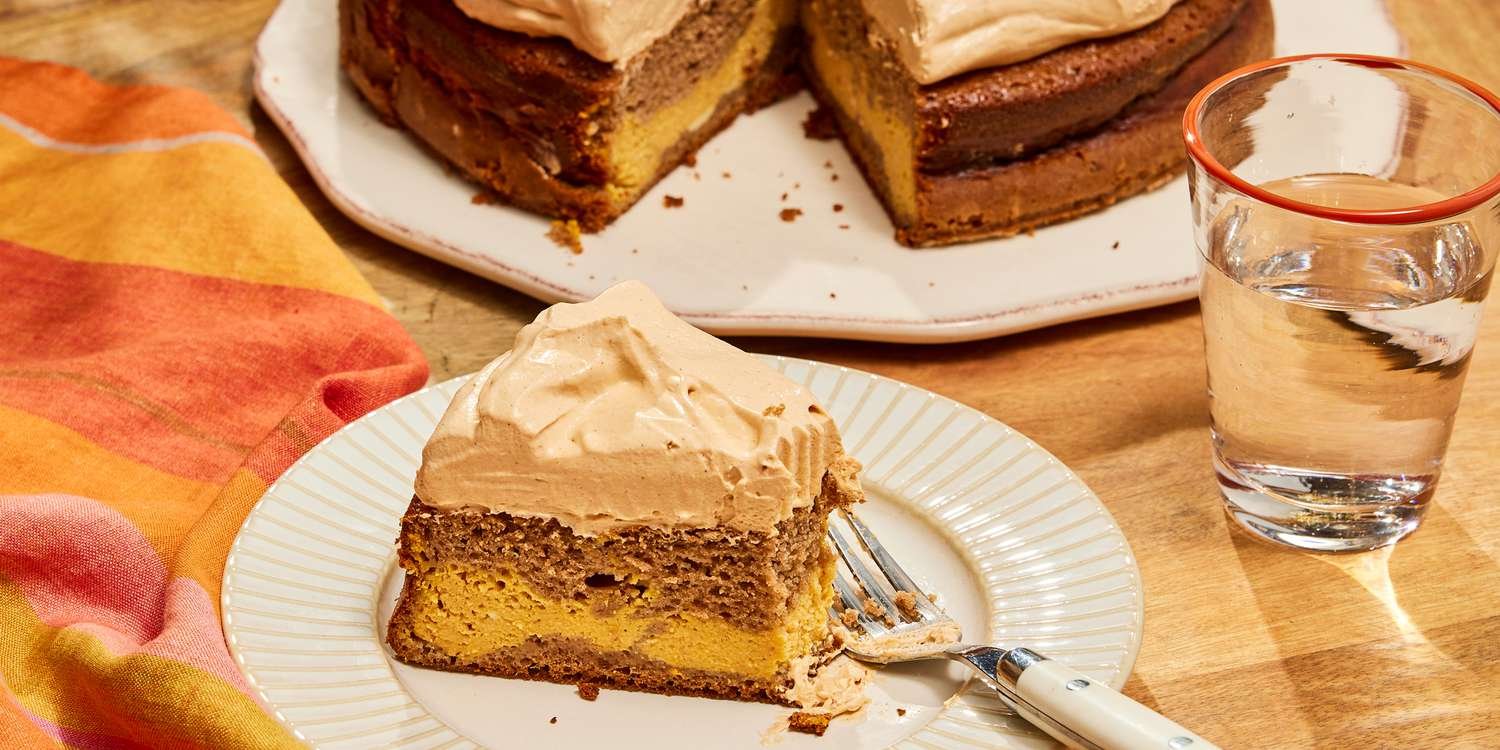
After adding ice water and a fridge rest, the rollout was seamless. It baked up slightly puffy but held its shape beautifully. I filled this one with pumpkin, and the star was absolutely the flaky, shatteringly tender crust. If I weren’t so tools-averse, this might be my new go-to trick.
In the end, two out of three tricks actually improved my already-perfect baseline, which honestly surprised me more than it should have. Adding herbs and cheese opened up a whole world of savory pastry possibilities, and that frozen butter technique delivered the kind of flaky crust that makes you audibly gasp.
Now I’m faced with an existential kitchen crisis: Do I embrace the extra tools and dishes for superior results, or stick with my hands-only, minimalist approach? I’ll probably flip-flop between both depending on how ambitious I’m feeling and how many dishes are already in my sink.