:max_bytes(150000):strip_icc():format(jpeg)/Dashi-explainer-FT-DGTL1225-80a8af2b27da4e73a1dd32575f78f1fe.jpg)
If you’ve ever enjoyed a cup of miso soup, you’ve experienced the magic of dashi, an ultra-versatile Japanese broth with a rich history that dates back more than 1300 years.
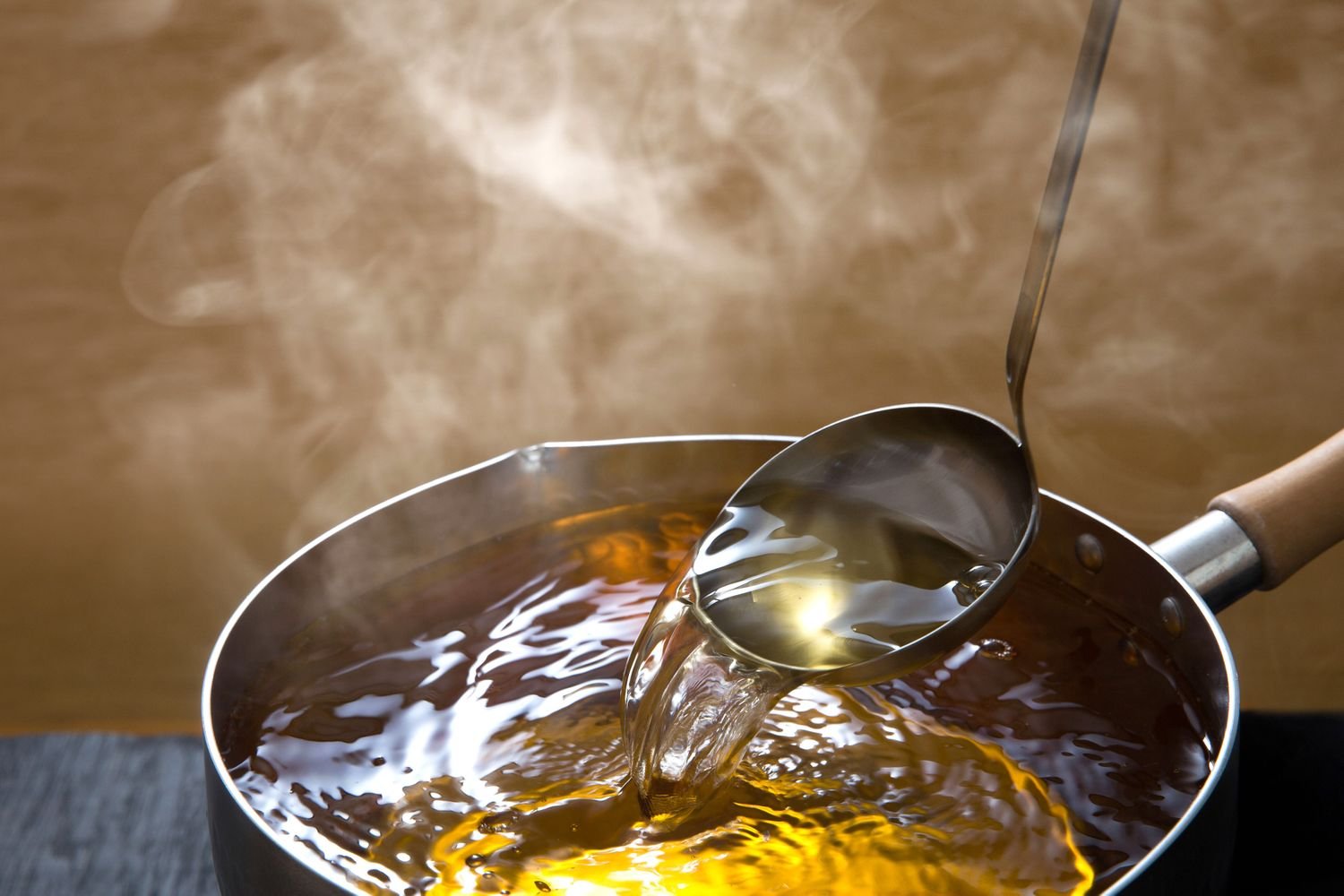
“For every Japanese dish, usually there is some sort of dashi equivalent that’s involved,” says Tomoko Kiyosawa, COO of Kayanoya USA, which produces dashi stock powders. Dashi is made by gently heating kombu (dried kelp) and water, then removing the kelp and briefly steeping katsuobushi (dried bonito) flakes in the liquid before straining out the umami-rich stock. Other flavor boosters such as dried shiitake mushrooms and various types of dried seafood can also be used.
The resulting profile — light and delicate while also complex and deeply savory — is a matter of chemistry, not coincidence: “When inosinate from bonito meets glutamate from kelp, their flavors amplify each other dramatically, creating a remarkable synergy of umami that defines the essence of Japanese dashi,” explains Yuu Shimano, chef-owner of Restaurant Yuu in Brooklyn.
Maiko Kyogoku, owner of Bessou in New York City
“When you’re using an ingredient that you’re not familiar with, [dashi powder] pouches are the best starter kit for anyone trying to incorporate this into their pantry.”
— Maiko Kyogoku, owner of Bessou in New York City
The identification of the fifth taste sensation, umami, actually originates from chemist Kikunae Ikeda’s discovery of glutamic acid in kombu, which gives dashi a unique depth and richness without meat. (Ikeda then harnessed glutamic acid, which also occurs naturally in foods like tomatoes and meat, to create the beloved seasoning MSG.)
Though dashi isn’t difficult to make from scratch, it does require ingredients (and time) that you might not always have on hand. Nowadays, convenient alternatives — such as Kayanoya’s powders in sachets like tea bags — serve as an easy gateway for those new to dashi.
“When you’re using an ingredient that you’re not familiar with, those pouches are the best starter kit for anyone trying to incorporate this into their pantry,” says Maiko Kyogoku, owner of Bessou in New York City. Don’t underestimate the contents based on their convenience, though: “Essentially, those powders are just pulverized, granulated forms of vegetables or dried fish” and provide “condensed umami flavor that you can consume,” says Kyogoku.
Whatever form of dashi you use, its incredible potential isn’t limited to soups or even Japanese cuisine. “It could be in so many different things, the same way that salt or chicken stock could be used anywhere,” Kyogoku explains. As appreciation for its versatility grows, Kiyosawa hopes that one day dashi becomes as ubiquitous as soy sauce in America. “Our wish is for regular people, not just chefs, to get their knowledge about how easy dashi is [to use], and use it for their own home cooking,” she says.
Not sure where to start? From pasta sauce to popcorn, these chef-approved ideas for using the powerhouse ingredient will quickly turn you into a dashi devotee.
Vegetables
Combined with ingredients like soy sauce and mirin, dashi makes a simple but flavor-packed marinade for blanched vegetables in a classic Japanese side dish called ohitashi. “[Dashi provides] very light flavor so it doesn’t bother the vegetable’s flavor or taste but adds umami,” explains Hirohisa Hayashi, chef of Hirohisa in New York City, who lets the vegetables steep in the savory mixture for 30 minutes to one hour. Though spinach is classic for ohitashi, Hayashi also likes to use seasonal vegetables like turnips and daikon radishes.
Shunskee.t / Getty Images
Soups
“Think of [dashi] like chicken stock but made with fish or vegetables — it’s a really nice base flavor [that] adds body to your soups and broths,” says Kyogoku, who often makes miso soup with packets of dashi stock powder. But the traditional Japanese soup is only the beginning: Use dashi as the flavorful foundation for slurp-worthy noodle soups or blend it with other ingredients for major depth. “If you use dashi, you can add more umami and deep flavor even without using a meat-based stock,” says Mitsunobu Nagae, executive chef and co-owner of l’abeille in New York City, who incorporates dashi into his corn soup.
On the flip side, you can combine meat and dashi for a next-level broth, as Joe Anthony, executive chef and partner at Arvine in New York City, does for chicken stock. “I’ll roast off chicken and then I’ll add it to the dashi and that becomes a super-flavorful, kind of lighter broth, but [still with] a lot of intensity to it,” he explains.
Grains
Replace water with dashi when cooking grains for an extra dimension of flavor. Anthony simmers farro with dashi made with kombu, dried mushrooms, and aromatics, then adds a splash of coconut milk to the mix. “It’s really allowing the grains to absorb the dashi and the coconut milk together, which makes it super-tasty,” he explains.
One of Nagae’s favorite dishes to make with instant dashi, which he regularly uses at home, is a hearty — and nearly foolproof — seasoned mixed rice called takikomi gohan. “In a rice cooker, you put rice, water, and instant dashi to give umami flavor and you just add any ingredients you like, like chicken, mushrooms, vegetables, and soy sauce,” he says. “It’s [a] very classic Japanese dish.”
Pasta
Think of dashi as the most amped-up pasta water you’ve never used. Anthony makes an intense plant-based dashi with the dried trim from a variety of wild mushrooms, then uses the savory broth to coat pasta. “Once the pasta is done, we’ll glaze it with the dashi and a little nub of butter,” he says. “Because it’s not using chicken stock, it can be 100% vegetarian. It glazes the pasta very nicely.”
Cappi Thompson / Getty Images
Tomato sauce
Dashi even adds extra oomph to something as unexpected as red sauce. After cooking down grape tomatoes (full of their own glutamic acid) with onions and garlic, Kyogoku blends the mixture, returns everything to the pot, and adds the umami-rich contents from a dashi sachet for “an intense boost of flavor.” She explains, “It’s kind of like how anchovies work in a Caesar salad — you don’t necessarily see the anchovies, but it’s like this hidden depth of flavor that just makes the dish taste so much better.”
Eggs
Looking to upgrade your breakfast game? Dashi can help. “I’ve scrambled eggs and added the powder [to] the beaten eggs before I cook it,” shares Kyogoku. Be advised that you might need to add more dashi if you’re using the seasoning as a stand-in for salt. “If you’re using a pinch of salt for eggs, you might want a teaspoon [of dashi] or a little more if you want the umami to come out with the dashi,” she suggests.
Finishing seasoning
“There are two ways of using the powdered form of dashi,” says Kyogoku. “You can use it in the cooking process, but the other way would be like a finishing salt or seasoning.” For a recent event, Kyogoku pulsed together granulated dashi and curry seasonings to cap off karaage with a flurry of flavor. “We dusted the fried chicken at the very end so you get this kind of immediate hit of the curry flavor and the complexity of the dashi,” she explains.
A dash of dashi can also take simple snacks to new heights. “We tried [Kayanoya’s kelp stock powder] as a popcorn seasoning the other day — it was like this lightly salted flavor with so much depth of flavor and it didn’t taste fishy or anything,” notes Kyogoku. “It was really delicious, kind of like sea salt. We just [seasoned] it right on top.”
“Anywhere you think a finishing seasoning would go well” — from french fries to avocado toast — could be a place to tap into the power of powdered dashi, she says. “Just have fun with it and experiment and see where it takes you.”