:max_bytes(150000):strip_icc():format(jpeg)/How-Chefs-Keep-Eggs-From-Sticking-to-the-Pan-FT-BLOG0925-7af4aeb511634d2a902c52120e530d43.jpg)
Eggs are an indispensable part of any breakfast spread — but scraping stubborn pieces off the pan probably isn’t how you want to start your morning.
“Eggs are one of the hardest things to cook,” says Sonny Pache, executive chef and operating partner at The Guild House in Columbus, Ohio. “As important as it is to have a good pan and hot oil or butter, it’s only half of what you need to be successful — it takes a lot of practice and skill to prepare eggs properly.”
Thankfully, with practice and a few important pointers, you should be able to avoid torn edges and stuck-on residue for good. From reaching for the right pan to using heat properly, follow these eight tips from professional chefs to whip up excellent eggs that never stick to the pan, whether you’re in the mood for a hearty omelet, fluffy scramble, or crispy fried eggs.
Use a scratch-free nonstick skillet
A well-maintained nonstick skillet is essential for cooking eggs, especially scrambled eggs and omelets. “The most important factor in preventing eggs from sticking is the pan itself,” says Thomas Hollensed, chef at Dove’s Luncheonette in Chicago, who recommends a silicone spatula when using a nonstick skillet. “[A silicone spatula] is flexible enough to slide under delicate eggs and gentle on the nonstick surface, so the pan lasts longer,” he says.
Chefs agree that taking proper care of your pan is crucial for preserving its nonstick properties. “When nonstick pans begin to scratch and fade, they lose a lot of the quality that [keeps] food from sticking,” explains Dylan Patel, chef de cuisine at avec in Chicago. “Even the smallest scratch can compromise the cooking process and cause sticking,” warns Francesco Battisti, executive chef at Lele’s Roman in Brooklyn. Battisti advises steering clear of abrasive cleaning tools and storing pans between paper towels to promote their longevity.
Alternatively, use a seasoned stainless steel skillet
Although a nonstick pan is a reliable choice for eggs, some chefs reach for a stainless steel skillet when making fried eggs (cue those picture-perfect crispy edges). Be aware that this “takes a little bit more skill or know-how,” according to Sam Yoo, chef and owner of Golden Diner in New York City. A hot, slick, seasoned surface is key: “If I use a stainless steel pan, I get it extremely hot, add a touch of oil, take a paper towel, and make sure I hit every single part of the pan that I’m about to fry my egg on,” Yoo explains. “After that, [I] let it cool down a bit, add a touch of butter [on] medium heat, and then go in with my eggs.”
Bryce Shuman, 2015 F&W Best New Chef and culinary director at Sydell Group, recommends testing the temperature of your pan with a small pat of butter. “If it sizzles a little and foams and bubbles, it’s good to go,” he says. “If it fries and browns right away, you are too hot; if it melts on the bottom of the pan slowly without bubbling, you are too cold.” If you prefer using cast-iron or carbon steel, ensure your pan is well-seasoned.
Greg Dupree
Don’t skimp on the cooking fat
Whether you’re partial to oil or butter (or clarified butter, which some chefs favor for its higher smoke point and taste), using enough cooking fat maximizes both functionality and flavor.
“Make sure you are using a good amount of fat,” Patel recommends. “It doesn’t mean you are going to eat it — most of the fat will actually remain in the pan after cooking,” depending on the pan and style of eggs.
“Butter or olive oil creates the barrier that keeps eggs from sticking and adds flavor — so make sure you have enough in the pan for the amount of eggs you’re cooking,” adds James Siao, chef and managing director of restaurants at Palisociety.
Crack eggs into a preheated pan
“Always preheat the pan before adding oil or butter. Cold pans make eggs stick,” warns Lolo Manso, owner of Socarrat Paella Bar in New York City, who uses a nonstick or seasoned carbon steel pan for his eggs. “A cold pan can cause sticking just as much as high heat can,” agrees Battisti. “I like to add a touch of butter or neutral oil once the pan is just warm, not hot — it creates a thin, even layer that helps the eggs release naturally and gives you more control during cooking.”
Pache, who fries his eggs in a stainless steel skillet, cranks up the heat to kickstart the process: “I get my pan hot enough to see light smoke come off the oil,” he says. “That’s when I know the pan and oil are hot enough to not have my egg stick to the pan.”
Chuck Valla, chef-owner of Valla Table in New York City, swears by a wok for cooking all kinds of eggs, where heat and fat are also essential. “When a cast-iron or carbon steel wok is heated up sufficiently, it becomes nonstick,” Valla explains. “Your pan has to be really hot and then coated with a bit of oil — then your egg will never stick.”
Control the heat
Once your eggs hit the pan, tinker with the heat to prevent burning, overcooking, or sticking. “Play with the flame and adjust as needed or move the pan on and off the heat,” says Calvin Eng, 2022 F&W Best New Chef and chef-owner of Bonnie’s in Brooklyn, New York.
Although the heat level you use may vary depending on the method, it’s generally a good idea to avoid extremes: “Too hot [and] the proteins seize; too low and the eggs will glue themselves before setting,” says Nelson Serrano-Bahri, chef and director of innovation at the American Egg Board.
And remember that carryover cooking applies here too, so don’t take your eggs too far: “I always take [fried eggs] off the heat well before they’re done and let the residual heat do the rest,” notes Rico Torres, 2017 F&W Best New Chef and chef/co-owner of Mixtli in San Antonio, Texas. “That’s where experience really comes into play.”
Sarah Crowder
Keep scrambled eggs moving…
Continuous, gentle movement is the name of the game for ultra-tender scrambled eggs that don’t adhere to the pan. “I like my scrambled eggs custardy and creamy, so I stir them very gently in long strokes back and forth across the pan and around the edges — this will prevent sticking,” says Arturo Nunez, executive chef at Café Chelsea in New York City. Once small curds form, Hollensed removes his pan from the heat while continuing to stir with a rubber spatula. “I repeat that on-and-off process until the eggs reach the creamy texture I’m looking for,” he says.
…but don’t disturb fried eggs…
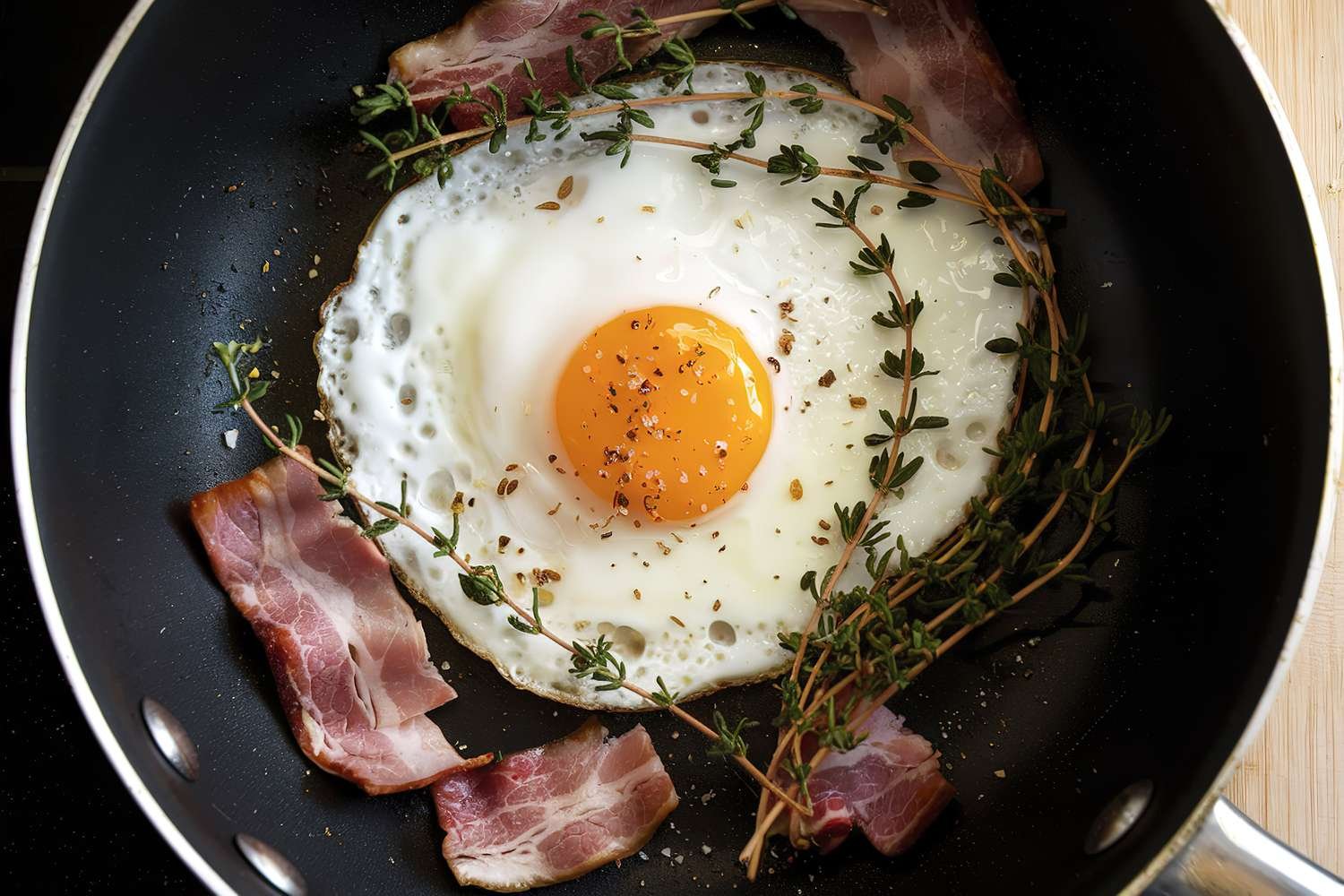
Nudging fried eggs around while they cook increases the likelihood of sticking and tearing, so it’s best to stay hands-off (for the most part). “When you’re dealing with a fried egg, make sure there’s a good amount of fat in the pan and [you’re] not touching it,” Yoo advises. “You really want to form that crust as though it’s a piece of fish skin or a steak.” If the tops of the whites need a boost, consider basting them with the hot fat in the pan, as Eng does: “Sometimes I like to baste the egg if I’m making a fried or wok-fried egg to help speed up the whites while the bottom is getting crispy and slowly releasing itself from the pan,” he says.
…and do a bit of both for omelets
Omelets incorporate both methods — stirring and then setting. “I move the eggs a lot at the start to set the base, then ease up so it can form structure,” explains Serrano-Bahri. “Omelets require a balance of agitation early on and then restraint so you can fold cleanly.” Above all, tailoring your technique to what you’re cooking produces ideal results while minimizing mess. As Manso sums up, “Each style needs its own approach: Scrambled eggs are slow and creamy, omelets need movement at first and then stillness, and fried eggs need hot oil and minimal interference.” Practice makes perfect, so get cracking.