:max_bytes(150000):strip_icc():format(jpeg)/How-Barbecued-Mutton-Became-a-Kentucky-Staple-FT-BLOG0825-Moonlight-01-0e12ec3ccecb4fddbbf64eae2f2bf160.jpg)
When people talk about American barbecue capitals, Kentucky rarely cracks the list. The conversation usually jumps straight to Texas brisket, Carolina whole hog, or Kansas City burnt ends. But tucked into the rolling hills and river towns of the state’s western edge, Owensboro has quietly built — and fiercely protected — one of the most distinctive barbecue traditions in the country: slow-smoked mutton. Here, the scent of hickory smoke can draw you to a church picnic from blocks away, and “burgoo” is as common in conversation as pulled pork.
This is a place where mutton isn’t just a menu item; it’s heritage. “Kentucky has been known as the mutton capital of all things barbecue,” says pitmaster and television personality Danielle Bennett. “It’s like a little island — it didn’t spread the way brisket and pork did. Mutton is still very typically only available in this unique pocket.”
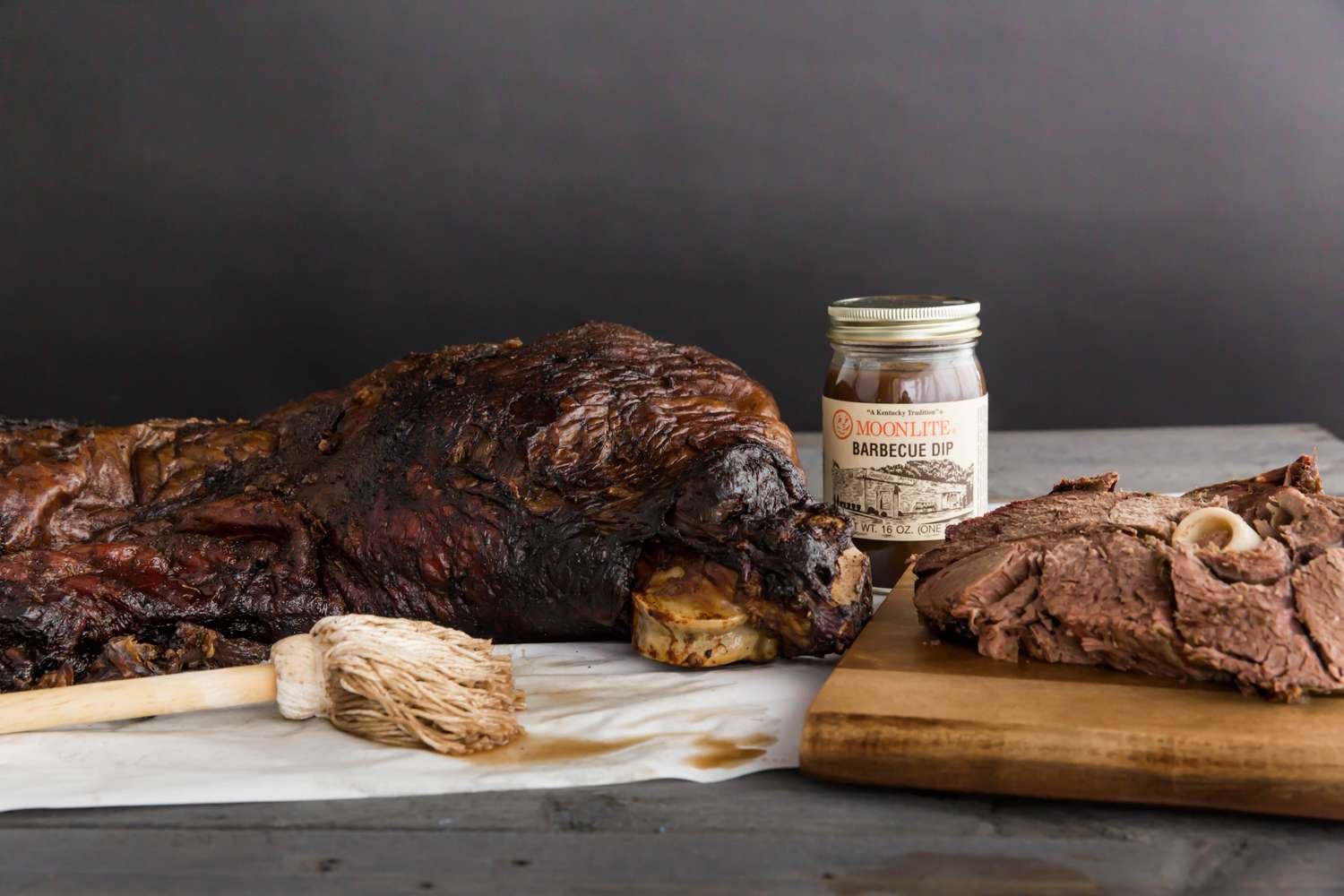
Courtesy of Moonlite BBQ
From wool to wood smoke
The roots of Kentucky’s mutton culture run back to the early 1800s, when Scots Irish and Welsh settlers brought over sheep primarily for wool. As Valerie Samutin, executive director of Kentucky heritage-breed lamb farm Freedom Run Farm, explains, older animals that had outlived their wool-producing years were too tough for quick cooking.
“Barbecuing emerged as a way to make this tougher meat palatable,” she says, citing an 1806 wedding feast for Abraham Lincoln’s parents that featured a whole barbecued sheep cooked over wood coals — a tradition of patience, smoke, and communal celebration that still lingers today.
Valerie Samutin, executive director of Freedom Run Farm
“Kentuckians had the opportunity to become shepherds, and the prevalence of that meant a glut of older sheep.”
— Valerie Samutin, executive director of Freedom Run Farm
Owensboro’s mutton scene also owes a surprising debt to 19th-century economics. “It’s all because of textiles, first and foremost,” says Bennett. She points to a tariff in the early 1800s that boosted domestic wool production: “Kentuckians had the opportunity to become shepherds, and the prevalence of that meant a glut of older sheep.” Those surplus animals found their second act in the pit.
Local Catholic parishes turned the necessity into an opportunity, hosting massive community barbecues to raise funds. The gatherings became more than meals — they were full-day affairs with smoke curling over parish lawns, tables groaning under platters of chopped mutton, and enormous iron kettles simmering burgoo, a rich stew of mutton, corn, beans, and whatever vegetables the season provided.
“If you can’t stand up your spoon in your burgoo, it’s not good enough,” Bennett laughs, evoking the thick, savory broth that has nourished generations.
Over time, those parish picnics laid the groundwork for a civic tradition that’s still thriving.
Kevin Pang / Chicago Tribune / Tribune News Service via Getty Images
What is mutton?
Unlike lamb, which is harvested young, mutton comes from sheep over a year old. That age deepens the flavor. “Mutton has a deeper, richer, and more complex flavor than lamb, with musky undertones and a higher fat content,” says Samutin. That richness is what makes it shine under the low and slow treatment — smoke, heat, and time coaxing tenderness from the meat.
But that intensity may be why it never went national. “It’s got a bit of a gamey flavor,” says Bennett. “Some people find it off-putting. And it’s expensive for barbecue restaurants — plus, a hindquarter can take 18 to 22 hours to cook properly. That’s a massive cost.”
As Dr. Julia Skinner, a food historian and writer, points out, this was once an asset: “Barbecuing as a low and slow form of cooking helps to soften otherwise tough meats. It’s a chance to get back to roots of regional availability and low waste — eating older animals was just part of not wasting food.”
Where to taste Kentucky’s barbecue unicorn
Today, Owensboro is home to two legendary spots that have kept the tradition alive: Moonlite Bar-B-Q Inn and Old Hickory Bar-B-Q, which both serve ribs, sliced mutton, and chopped mutton with Kentucky’s signature vinegar-and-pepper dip.
Owensboro celebrates its heritage each May at the International Bar-B-Q Festival, where the air fills with the scent of hickory smoke and mutton is still the undisputed star. The event draws teams from churches, restaurants, and backyard pits, all competing for bragging rights while feeding thousands of visitors. It’s a living reminder that this barbecue style was never just about cooking meat — it was, and is, about feeding a community, honoring local roots, and keeping a singular Kentucky tradition alive.
Danielle Bennett, pitmaster and host of BBQ Crawl
“In Kentucky, I’ve never seen anyone put a sweet barbecue sauce on mutton. The dip is there to elevate the meat, not hide it.”
— Danielle Bennett, pitmaster and host of BBQ Crawl
Bennett calls Kentucky mutton “a barbecue unicorn…captivating, unique, rare, and something that should be cherished.” She still remembers visiting a church picnic for her Travel Channel show, BBQ Crawl: “The whole street lined with pits, men mopping mutton with five-gallon buckets of dip, burgoo stirring with canoe paddles — it’s barbecue magic.”
Courtesy of Kentucky Tourism
The case for cooking mutton at home
If you’re a home cook, should you try mutton? “Absolutely,” says Skinner. “It’s delicious, rich, and filling, and it’s easy to work with. Just choose a recipe that cooks the meat gently, giving it a chance to get nice and tender.”
Samutin recommends starting with cuts like shoulder, leg, or ribs, which are fatty enough to stay juicy through hours of smoking. She suggests hickory, oak, or mesquite for wood; bold spice rubs with black pepper, garlic, paprika, and mustard seed; and vinegar- or yogurt-based marinades to tenderize and balance the richness. Wrapping in foil or cooking in a covered pan helps keep moisture in.
For sauce, skip the sweet stuff. “In Kentucky, I’ve never seen anyone put a sweet barbecue sauce on mutton,” says Bennett. “The dip is there to elevate the meat, not hide it.”
Outside Kentucky, mutton can be elusive. Specialty butchers may carry it on request, and Moonlite Bar-B-Q Inn ships nationwide. Freedom Run Farm sells USDA-certified lamb and mutton wholesale to chefs and is expanding into retail — check the farm’s website for availability.
If you do get your hands on mutton, know you’re carrying on a tradition more than two centuries old. And when it’s done right, few things compare, Bennett says. “It can be succulent and delicious and full of flavor, unlike anything you’ve ever had before.”