The Emotional Blindspot We Never Saw Coming
The numbers made perfect sense on paper. A smaller house, lower property taxes, less maintenance, more cash in the bank. For countless retirees who’ve sold their homes, the pitch sounded too good to pass up. According to the National Association of Realtors, 29% of homebuyers 55 and older moved to downsize in 2023. It’s become almost expected that the path to retirement runs straight through the real estate market.
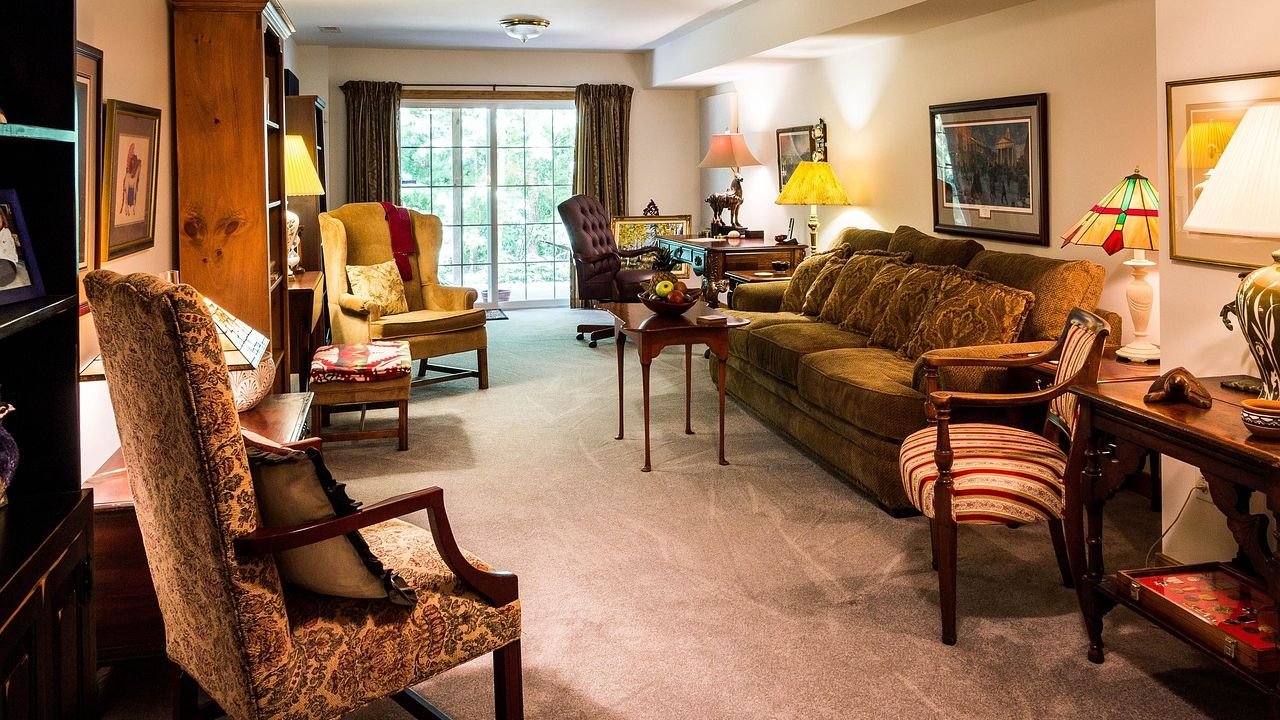
What nobody tells you is how quickly the excitement of cashing out can morph into aching regret. One of the most common regrets among homeowners who downsize in retirement is not having the space they wish they did to host family. Yet this is just the tip of the iceberg. The decision to sell often triggers a cascade of unexpected losses that go far beyond square footage.
When Financial Gains Vanish Into Hidden Costs
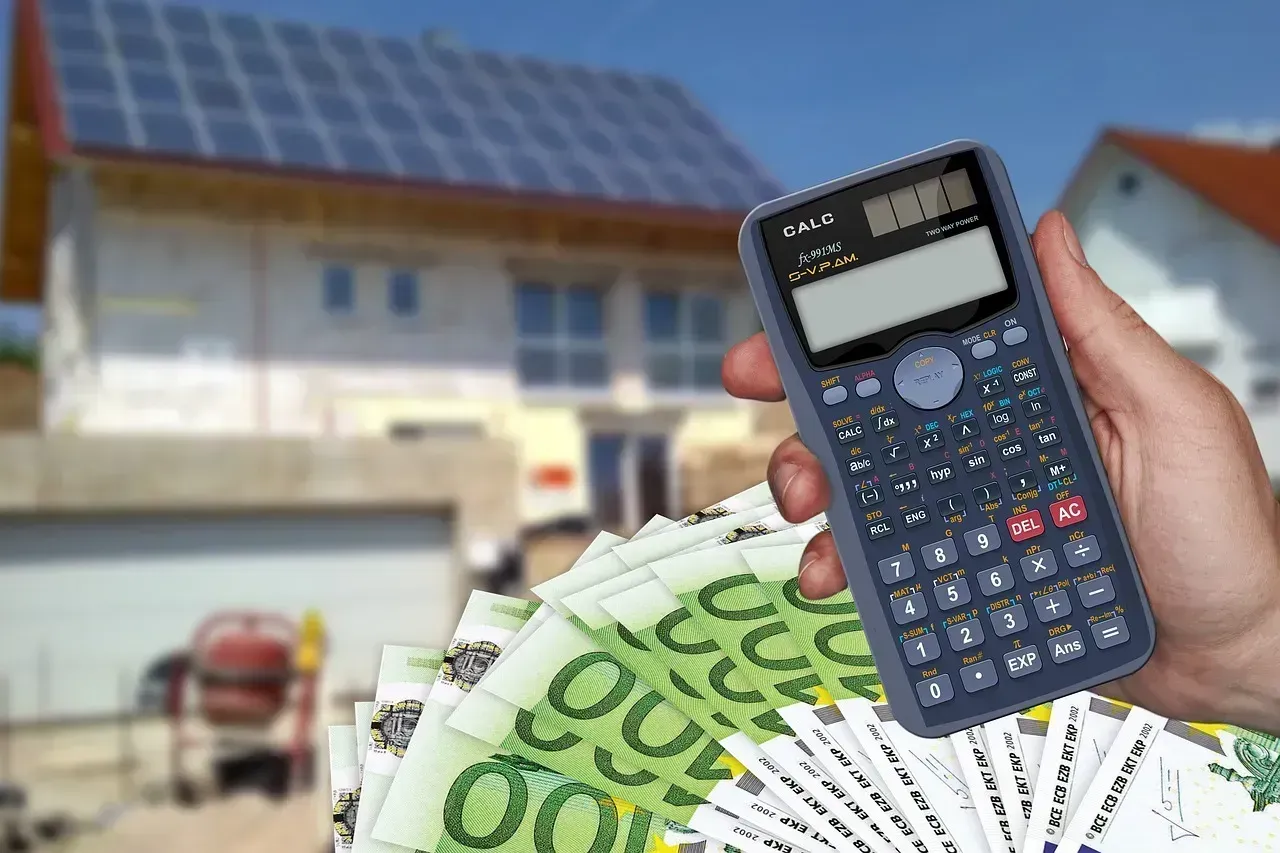
It’s good to sell when prices are high, but retirees looking to downsize will then have to buy in an under-inventoried housing market with a median sale price of $416,100, according to the St. Louis Fed. Think you’re buying something smaller and cheaper? The 2025 market tells a different story. Smaller homes now command premium prices thanks to fierce competition from first-time buyers.
With the current situation of the real estate market, the downsized property may be significantly more expensive in not only price, but also in taxes, HOA fees, interest rate, etc, according to real estate experts. The financial punch doesn’t stop there. According to Rocket Homes, the average seller pays about 10% of the home’s value in fees and costs. That’s $43,680 for the median home in today’s market. According to Experian, buyers pay up to 5%, or another $21,840. That’s a total of $65,520 in transaction costs alone.
Some retirees are discovering they’ve traded a paid-off mortgage for a new one at crushing rates. Mortgage rates have hovered near historically high levels, making that dream of financial freedom feel more like a financial trap. One recent case involved a couple who moved to Florida, expecting paradise. She discovered that she needed to spend $50,000 to install hurricane-proof windows. Worse, the only home-owners insurance she could find was through Citizens Property Insurance, the state-sponsored insurer of last resort, and she’ll pay about $8,000 a year for coverage. Her property taxes were higher than she expected, too.
The Ghosts of Memories We Left Behind
Many people have a strong emotional attachment to their home, especially if they’ve been in that home for many years. Your home probably saw you through many life events, like getting married, bringing home babies, raising children and having pets. Your home was likely there during the good and bad of many years of your life. It’s funny how walls and rooms hold more than just furniture.
One retired teacher from Colorado learned this the hard way. For Linda, the biggest surprise wasn’t financial – it was emotional. “I didn’t realize how much I’d miss it – the memories, my neighbors, and my garden,” she wrote. She sold her Denver home for a downtown apartment that promised convenience but delivered isolation instead. Her $2,200 monthly rent devoured her budget, and Denver’s rental market kept climbing. According to Zillow’s 2024 data, average rents in the city rose 7% year-over-year, compounding her stress.
Research shows something deeper at play here. Psychologists call this “place attachment” – the deep, often invisible bond between people and their homes. You don’t just leave a house. You leave the garden you tended for decades, the neighbors who became family, the kitchen where you shared thousands of meals. That loss can feel profound, almost unbearable.
When Grandkids Stop Visiting and Community Disappears
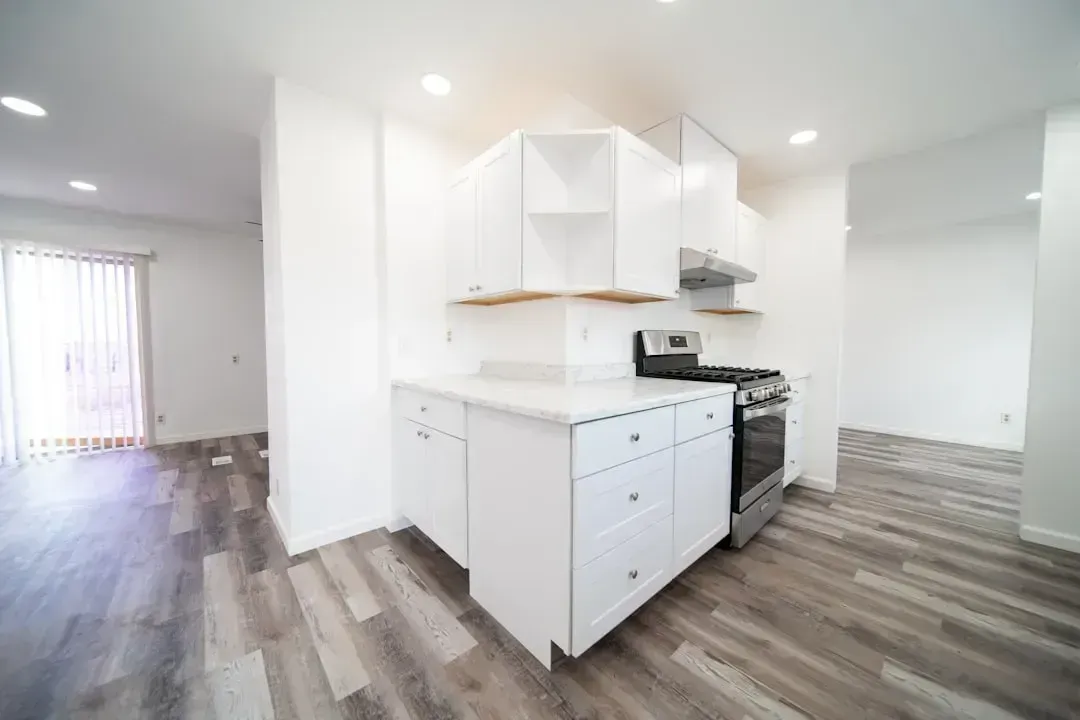
“John and Mary realized that they had underestimated their attachment to their former home. The apartment was significantly smaller, and they missed the space that they had grown used to over the years. The quiet neighborhood lacked the vibrancy they were accustomed to, and they often felt isolated. Additionally, their grandchildren visited less often due to the lack of space, and they deeply regretted not being able to host family gatherings like they used to.”
“Selling a home can lead to a sense of loss and disconnection from familiar surroundings and communities. For instance, many retirees find themselves missing the neighbors and the community activities they once enjoyed.” The social fabric tears faster than you’d imagine. That condo across town or apartment in another state might offer modern amenities, yet it lacks the one thing that mattered most: your people.
As you retire, you might find that your home becomes a central hub for family events, holidays, and reunions. Lose the space and you lose the gatherings. Families stop making the trip because there’s simply nowhere for everyone to sleep. Grandchildren who once ran through your yard now FaceTime from hotels. The shift is subtle at first, then devastating.
The Reality Check Nobody Wants to Face
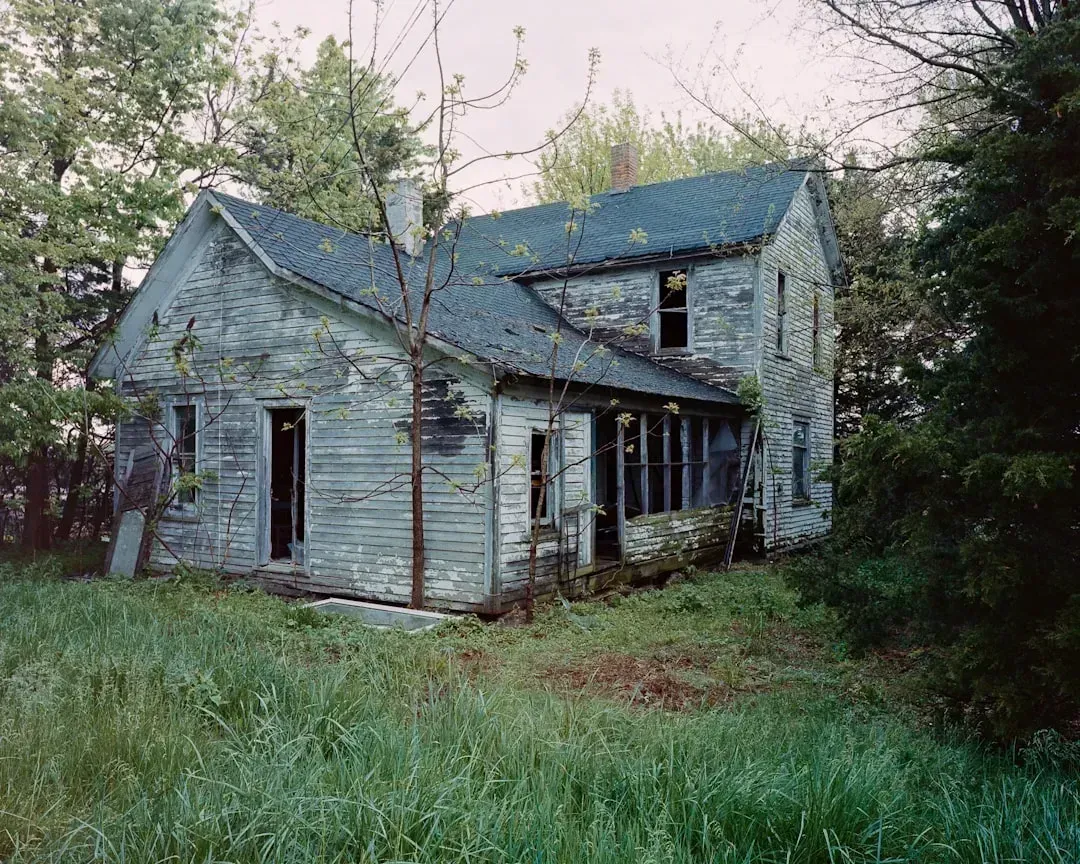
Here’s what the glossy retirement brochures won’t tell you. A May survey by real estate company Redfin found that 1 in 3 boomers who own their homes say they’ll never sell. Another 30 percent said they don’t plan to sell within the next decade. Why? Because they’ve watched friends make the leap and land hard on the other side. They understand something crucial about aging and happiness that the downsizing industry prefers to keep quiet.
Only 17% of older homeowners said they sold their home, or plan to, during retirement; another 27% said they may sell; and 56% said they will never sell. Respondents offered a compelling combination of emotional and financial reasons for remaining in their homes, including a “love” of their home, comfort with the area, and that their “home is, or almost is, paid off.”
Older homeowners’ disinclination to move is tied to the love of their home, pride in debt elimination (especially their mortgage), community engagement, and access to known services. There’s wisdom in that stubbornness. Sometimes staying put is the boldest retirement move you can make, even when every financial advisor is telling you to cash out and downsize. The truth? Downsizing can come with hidden financial and emotional costs, however. It can also diminish both your nest egg and your peace of mind.
So before you plant that “For Sale” sign in your front yard, ask yourself this: Are you downsizing because it genuinely serves your future happiness, or because everyone says you should? The answer might save you from a world of regret.