:max_bytes(150000):strip_icc():format(jpeg)/Room-Temperature-Eggs-Baking-FT-DGTL1225-04-d9d686df084d4b62b3c9019cde44fc6c.jpg)
It’s common for baking recipes to call for room-temperature eggs. In theory, this makes sense. They whip to a greater volume, capturing more air for lighter and fluffier batters. They also incorporate more evenly for a smooth and homogeneous texture.
But what if you forget this step, or simply don’t have the time to wait? Does letting eggs come to room temperature really make a noticeable difference in the finished baked goods? To find out, I tested batches of cookies, cupcakes, and pavlova side by side with room-temperature eggs and cold eggs.
A word about my method
In each of the tests, I used Vital Farms pasture-raised eggs. For the recipes made with cold eggs, I pulled the eggs straight from the refrigerator (about 37°F) and began baking. For the recipes made with room-temperature eggs, I let the eggs sit out on the kitchen counter (about 74°F in my house) for two hours prior to baking.
Cookies
Food & Wine / Paige Grandjean
For the cookie test, I made Chocolate Brownie Cookies that call for four room-temperature eggs. After baking two batches — one with room-temperature eggs and one with cold eggs — I found very few differences. Visually, the two were basically identical. If anything, the cookies made with room-temperature eggs were just a tad glossier on top, but cookies from both batches baked to a similar height. From a taste perspective, the cookies made with room-temperature eggs were slightly chewier. However, if I weren’t tasting them side by side, I doubt I would have noticed. The differences between the two batches was minuscule.
Pavlova
Food & Wine / Paige Grandjean
Pavlova is 99% egg, specifically egg whites, so it’s perfect for this comparison. I used the ratio from this pavlova recipe, cutting it in half, for two six-inch round pavlovas. Both were baked at 275°F for one hour and left to dry in the oven for four hours.
The meringue for both batches looked identical before baking — both whipped to approximately the same volume. However, during the cooling process, the pavlova made with cold eggs collapsed in the center while the pavlova made with room-temperature eggs held its shape.
Cupcakes
Food & Wine / Paige Grandjean
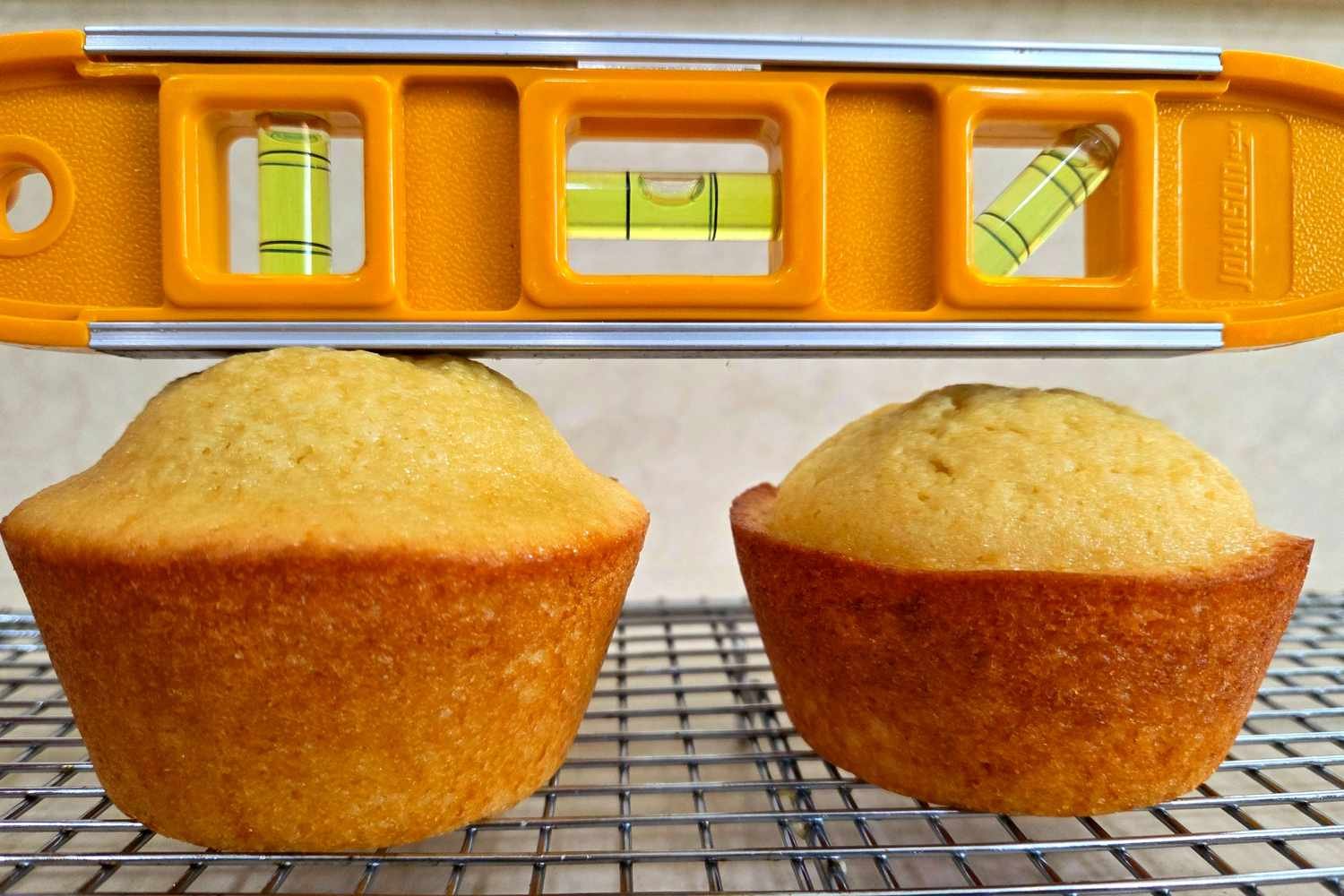
I chose a simple vanilla cupcake recipe for this test, and to further exaggerate the difference between the two batches, I baked them in a jumbo muffin tray. The cupcakes made with room-temperature eggs rose more than a quarter of an inch higher than the cupcakes made with cold eggs. They also had a fluffier texture compared to the slightly denser cupcakes made with cold eggs.
The verdict
It depends. Room-temperature eggs made a drastic difference in the outcome of the pavlova, a moderate difference in the cupcakes, and a minor difference in the cookies. The solution? If a baking recipe calls for room-temperature eggs, do as directed and let your eggs come to room temperature. While it may not make a drastic difference in every recipe, it can only help improve your baked goods.
Tip: If you don’t have hours to wait for the eggs to come to room-temperature, you can speed up the process by submerging the whole eggs in a bowl of warm water (around 80°F) for 15 to 20 minutes.