:max_bytes(150000):strip_icc():format(jpeg)/ar-costco-chicken-adobe-4x3-ba480293b78e44f684fa67568795eb5d.jpg)
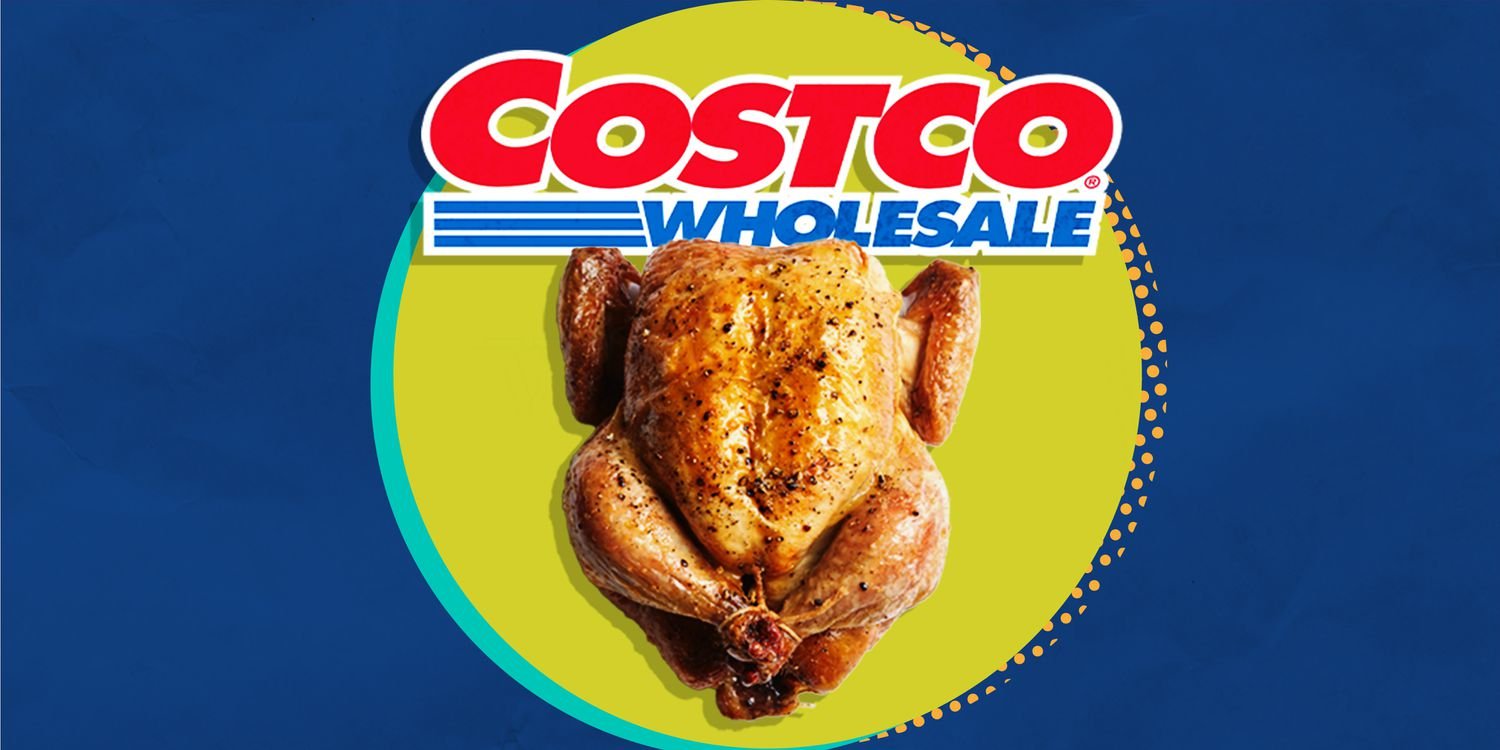
Costco is known for its food court, bulk groceries and household essentials, and delicious heat-and-eat meals, but one of the wholesale grocer’s most beloved products is, hands-down, its rotisserie chicken. Not only is the Costco rotisserie chicken absolutely delicious, it requires no additional or at least very minimal prep, is easily incorporated into hearty meals, and sets shoppers back just $5. Convenience and affordability aside, though, there’s a chance that Costco’s rotisserie chicken may not be the ideal poultry pick.
A New Report Warns That Costco Rotisserie Chicken May Contain Salmonella
Although the Costco rotisserie chicken is one of the grocer’s most fan-loved products, it’s not without some controversy.
According to Costco’s most recent earnings call, in the last year alone the company sold more than 157 million chickens. While the number is more than plausible given the chicken’s $4.99 retail price, Costco faced plenty of backlash over its chicken farming practices—especially once an undercover investigation determined that Costco’s farmed chickens were housed in overcrowded barns, with many birds bearing visible wounds and broken bones.
Despite animal cruelty complaints, many customers continue to purchase the rotisserie chickens for their value, taste, and convenience. In recent years, though, many fans have noted a decrease in quality, with some arguing that the “Costco chicken tastes like chemicals,” while others complain about the new packaging, and some even reported that the chicken has made them sick.
While these claims don’t necessarily indicate any danger to the consumer, a new report from a non-profit group asserts that foodborne illness may be lurking in your Costco rotisserie chicken. Nonprofit organization Farm Forward recently released a report that suggests many popular poultry brands—including the supplier of Costco’s rotisserie chickens—contain levels of Salmonella bacteria beyond federal safety guidelines.
According to the release, major poultry “companies like Perdue, Foster Farms, Cargill, Butterball, and Costco’s supplier (Lincoln Premium Poultry) have repeatedly received the USDA’s worst rating (Category 3) for excessive salmonella contamination in certain products across multiple years without consequences.”
Per USDA guidelines, a Category 3 indicates that the processing plant (in this case, Lincoln) “has exceeded the maximum allowable percentage of positive Salmonella test results during a 52-week period” and “is failing to meet the performance standard.”
Salmonella is a foodborne illness caused by consuming food—typically raw or undercooked meat, raw milk, fruits, or vegetables—or water that is contaminated with the bacteria. Symptoms of Salmonella poisoning typically start 6 hours to 6 days after infection, and can include vomiting, diarrhea, fever, and stomach cramps. Most people recover within 4 to 7 days without antibiotic treatment, but some severe cases may require hospitalization or antibiotics.
While Costco has not directly responded to the allegations at this time, Jessica Kolterman, Lincoln Premium Poultry’s director of administration, said in an email to the Los Angeles Times, “Lincoln Premium Poultry treats the safety of its products as an utmost concern,” and also promised to improve its processes.
Regardless of where you buy your birds, consuming raw chicken does carry a decent risk of contracting Salmonella. According to the Centers for Disease Control and Prevention (CDC), “about 1 in 25 packages of chicken at the grocery store are contaminated with Salmonella,” which isn’t an insignificant risk.
In an attempt to mitigate Salmonella poisoning for raw chicken, the USDA proposed guidelines in 2024 to lower the acceptable amount of bacteria per bird, but the proposal was withdrawn in 2025. So rather than a strict limit, the USDA’s Food Safety and Inspection Service (FSIS) has established and regulated performance standards for poultry establishments, which determine a maximum acceptable percentage of positive Salmonella samples over a year-long window.
Farm Forward’s report argues that 100% of chickens tested within the year-long period fall within the USDA’s Category 3 rating for risk. This risk means that the processes by which the chickens are farmed may increase contamination risk, but since there is no hard federal limit on the amount of Salmonella bacteria allowed on raw poultry, there’s not much to do in the way of action or recall beyond review of Lincoln’s processes.
According to Bill Mattos, the president of the California Poultry Federation, “all chicken is safe to eat when properly handled and cooked.” To best mitigate the risk of contracting salmonella from raw chicken, be sure to wash your hands thoroughly, avoid cross-contaminating surfaces, and cook chicken thoroughly—until the internal temperature reaches 165°F.
While there’s no guarantee that the company is following best practices, it’s important to note that the last time there was a recall of Costco rotisserie chicken due to Salmonella was more than a decade ago in 2013. Plus, there aren’t any current recall alerts for any Costco chickens. But, loyal fans may consider thinking twice—and you can always grab a Kirkland Signature Lasagna for dinner, instead.