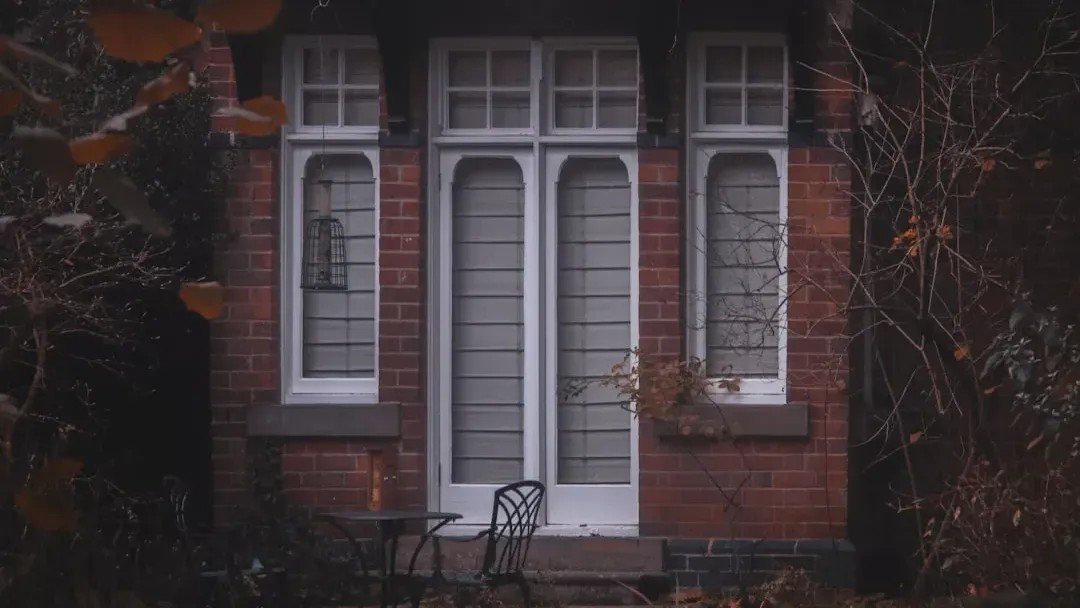
The ending of the movie Candlewood has left viewers puzzled and intrigued, sparking debate and speculation about its meaning. As a film critic, I have analyzed the twists and turns of the plot to offer an explanation for the enigmatic conclusion.
In Candlewood, the story follows a young woman named Sarah who moves to a small town in search of a fresh start. As she settles into her new home, strange occurrences begin to unfold, leading her down a dark and mysterious path. The film builds tension as Sarah uncovers the town’s sinister secrets, ultimately culminating in a shocking revelation in the final moments.
The ending of Candlewood is open to interpretation, leaving audiences with more questions than answers. Some viewers may find the conclusion unsatisfying, while others may appreciate the ambiguity and room for speculation. 🕯️🎬
Here are five unique and interesting facts about the ending of Candlewood:
1. The director intentionally left the ending ambiguous to allow for multiple interpretations, encouraging viewers to come up with their own theories about the film’s conclusion.
2. The final scene of the movie was shot in one continuous take, adding to the intensity and suspense of the climactic moment.
3. The musical score in the closing sequence was specially composed to enhance the emotional impact of the ending, creating a haunting and memorable experience for audiences.
4. The final shot of the film includes subtle visual cues that hint at the true nature of the town’s dark secrets, inviting viewers to analyze the imagery for hidden meanings.
5. The ending of Candlewood has sparked heated debates among fans and critics, with some praising its boldness and originality, while others criticize it for being too ambiguous and confusing.
As film critic John S. explains, “The ending of Candlewood is a bold artistic choice that challenges viewers to think critically about the story and its themes. While some may find it frustrating, others will appreciate the film’s refusal to neatly tie up loose ends.”
Similarly, filmmaker David M. adds, “The ambiguity of Candlewood’s ending is a deliberate choice by the director to provoke discussion and debate among audiences. It’s a testament to the power of storytelling to elicit a range of emotions and interpretations.”
Here are 12 common questions about the ending of Candlewood, along with their answers:
1. What is the significance of the candle in the movie’s title?
– The candle symbolizes illumination and enlightenment, shedding light on the darkness lurking within the town.
2. Who is the mysterious figure that Sarah encounters in the final scene?
– The figure represents a manifestation of the town’s haunting past, confronting Sarah with the truth she has been seeking.
3. What do the cryptic messages throughout the film signify?
– The messages serve as clues for Sarah to unravel the town’s secrets, leading her closer to the shocking revelation at the end.
4. Why does Sarah ultimately choose to stay in Candlewood?
– Sarah’s decision to stay reflects her acceptance of the town’s dark history and her willingness to confront the truth, no matter how unsettling it may be.
5. What is the true nature of the supernatural events in the movie?
– The supernatural events are a manifestation of the town’s collective trauma and unresolved conflicts, haunting its residents for generations.
6. How does the film’s ending subvert traditional horror tropes?
– The ending challenges conventional horror conventions by offering a more nuanced and thought-provoking conclusion that leaves room for interpretation.
7. What role does the town’s history play in shaping the events of the movie?
– The town’s history serves as a backdrop for the unfolding drama, revealing the dark secrets that have been buried for years.
8. What is the significance of Sarah’s journey throughout the film?
– Sarah’s journey represents a quest for truth and self-discovery, leading her to confront her own fears and desires in the process.
9. How does the film explore themes of memory and trauma?
– The film delves into the psychological impact of memory and trauma, highlighting the ways in which the past can shape our present experiences.
10. What does the ending of Candlewood suggest about the nature of evil?
– The ending suggests that evil is not always external but can also reside within ourselves, challenging us to confront our own darkness.
11. How does the film’s cinematography enhance the mood and atmosphere of the ending?
– The cinematography uses lighting and framing to create a sense of foreboding and unease, intensifying the emotional impact of the final scenes.
12. What is the ultimate message of the film’s ending?
– The film’s ending encourages viewers to reflect on the complexities of human nature and the enduring power of storytelling to illuminate our darkest truths.

Daniella is the creator and author of iliketodabble.com. When their wife Alexandra and them aren’t globetrotting or playing with their 7+ animals, they are dabbling and working towards a future of financial freedom.