:max_bytes(150000):strip_icc():format(jpeg)/Buttermilk-Eggnog-Pie-FT-MAG-RECIPE-1225-fd31c663b4554e38a31aa0d657b79228.jpg)
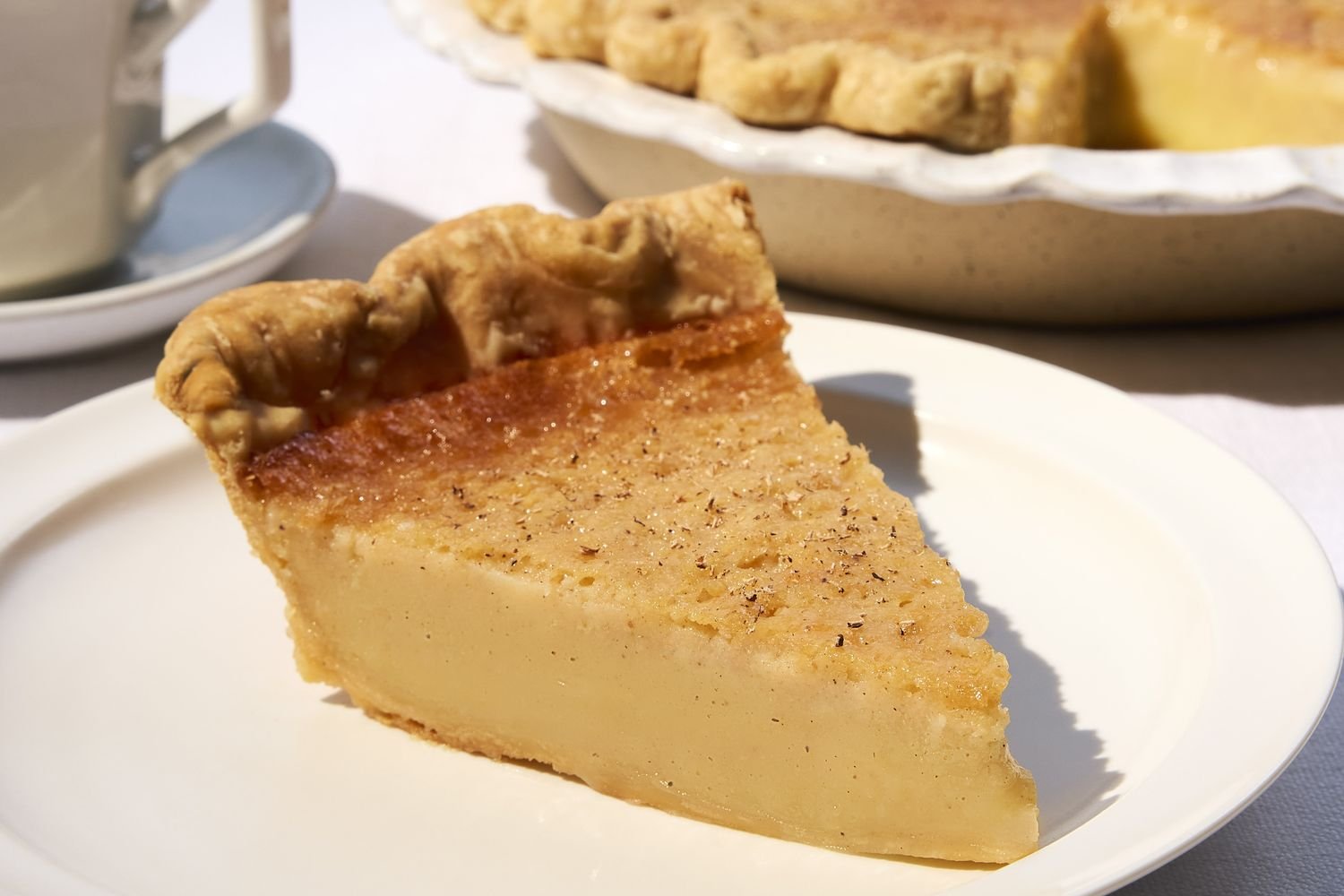
- Whole buttermilk gives the filling a richness and tang that balances the warm spices and rum.
- A parbaked all‑butter crust stays crisp beneath the silky filling, delivering clean slices.
- This pie is delicious enough to serve as is, but it gets even better when served with vanilla ice cream or homemade whipped cream.
For chef Carla Hall, this pie carries her straight back to her grandmother’s table. It begins with her flaky all-butter crust, parbaked so it stays crisp after the custard is added. The filling is silky and balanced, evoking the best parts of the classic holiday drink without leaning on store-bought eggnog. Freshly grated nutmeg keeps the flavor warm and aromatic. Vanilla adds delicate floral notes, and a splash of rum brings gentle punch. Buttermilk is the star, its soft tang reining in the pie’s sweetness and keeping the texture plush, so each slice tastes rich but never heavy. The method is straightforward and precision-minded: Parbake the crust on the rack in the lower third of the oven for structure, whisk the custard by hand, then pour and bake just until the edges are set and the center shimmers in a single wave. That timing yields a delicate, custardy set beneath a faintly crackly top. Serve the pie at room temperature to spotlight its silkiness, or chill it for a firmer bite. Either way, the flavor is unmistakably festive — vanilla-forward, gently boozy, and perfectly spiced.
If you’ve never made piecrust or baked a custard, this recipe is a friendly place to start. It has small steps to help you along the way: A touch of flour in the custard helps it set cleanly without turning gummy, and greased aluminum foil prevents sticking during parbaking while doubling as an easy edge shield. Chill the dough thoroughly, and keep ingredients cold to prevent shrinking. Dock the dough lightly, and add pie weights, removing them halfway through parbaking so the crust can take on some color. Let the shell cool briefly before you pour in the custard to protect that crisp base.
Should you always parbake the crust for custard pies?
While there are some exceptions, it’s best to parbake the piecrust for a custard pie. It sets the structure and keeps the bottom crisp when the liquid custard goes in. It’s important to note that parbaking does not fully bake the crust, and the crust will continue to bake once the filling is added. Beyond custard pies, fruit pies — especially those made with raw fruit — benefit from parbaking, since fruit fillings release lots of juice.
How to get a crisp piecrust
Keep the butter cold and work it into the flour until you see pea‑size pieces; those pockets create flakes. Chill the lined pie plate, then parbake on the lower third of the oven so the bottom receives direct heat. Grease the foil before adding pie weights so it releases cleanly from the baked crust, and leave the foil overhang to shield edges. Bake until the shell looks lightly golden and the interior surface appears dry. A glass pie plate offers a visual check on browning. For this pie, resist docking, or pricking the bottom with a fork, which can promote leaks with liquid fillings. Let the crust cool briefly so the hot shell doesn’t scramble the custard.
Notes from the Food & Wine Test Kitchen
- Use greased foil to line the crust for parbaking; it prevents sticking and doubles as an easy edge shield.
- Freshly grated nutmeg delivers the most vivid aroma; if you use pre‑ground, scale back a touch for balance.
- The doneness visual cue matters — when the center jiggles as one wave, the custard will slice cleanly after it cools.
This recipe was developed by Carla Hall; the text was written by Andee Gosnell.