:max_bytes(150000):strip_icc():format(jpeg)/French-75-FT-RECIPE1225-4e48c9c8490d45daabd8178d4550cd8f.jpg)
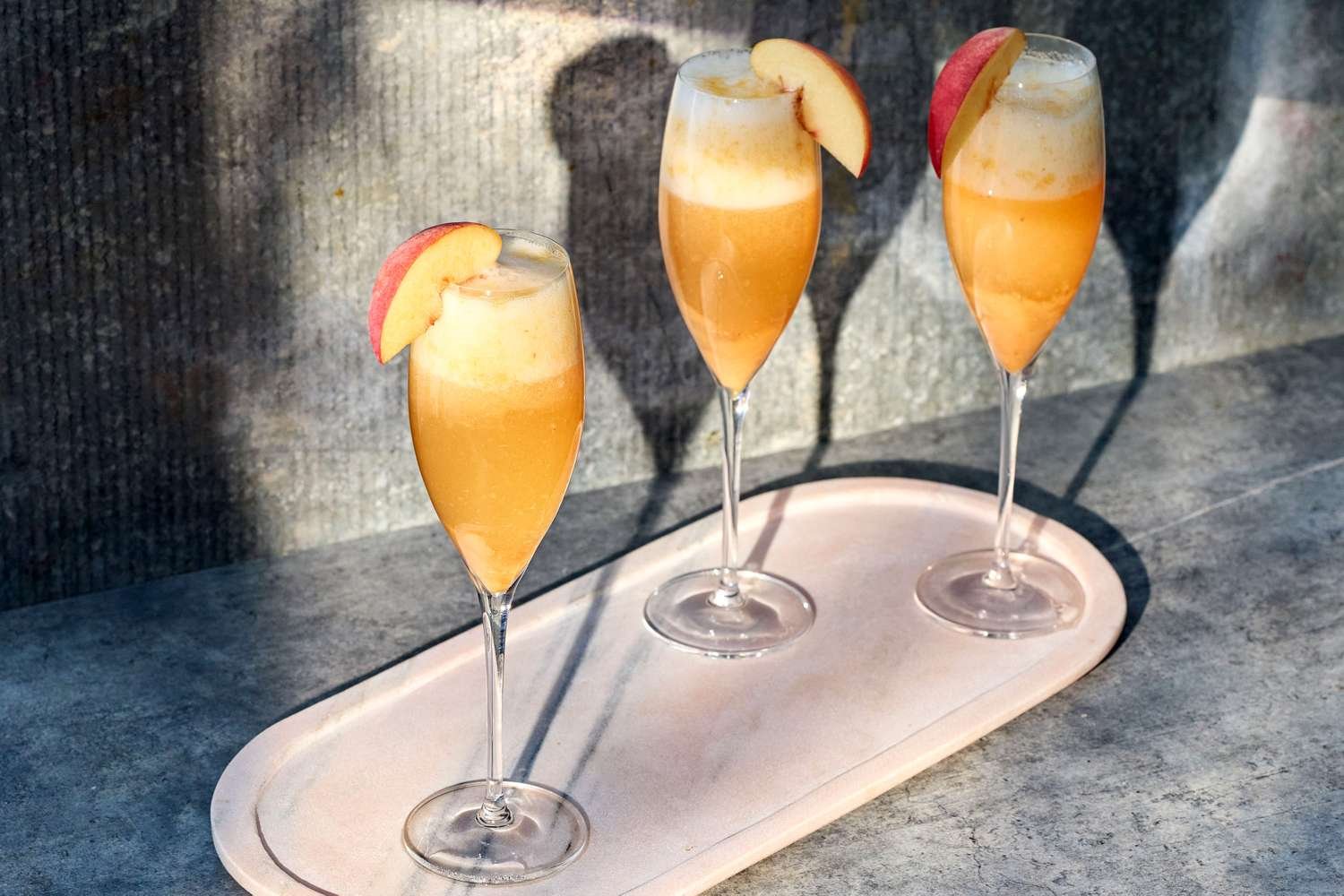
Gin, Champagne, fresh lemon juice, and simple syrup form the crisp, effervescent core of the French 75, a Prohibition-era classic whose elegance contrasts with its namesake: the famously fast-firing 75mm field gun of World War I.
Early versions of the classic cocktail appeared at Harry’s New York Bar in Paris around 1915, where bartender Harry MacElhone reportedly mixed a combination so bracing it drew comparisons to the artillery piece itself. By the late 1920s, the drink had taken its modern shape, first printed as the “French 75” in Judge, Jr.’s 1927 cocktail book Here’s How! and later popularized after its inclusion in Harry Craddock’s 1930 classic, The Savoy Cocktail Book.
Originally, the French 75 was mixed with either gin or Cognac. The gin version remains the modern benchmark due to its ability to create a bright, balanced, and celebratory drink, equally suited to brunch or a late-night toast. The drink’s sophistication and balance have made it a cocktail standard for over a century.
Why the French 75 works
The French 75 bears a strong similarity to the Tom Collins. Both drinks are built on the classic gin, lemon juice, and simple syrup base of a Gin Sour. That simple, balanced formula is then lengthened by a bubbly sparkling liquid, giving the drink some buoyancy.
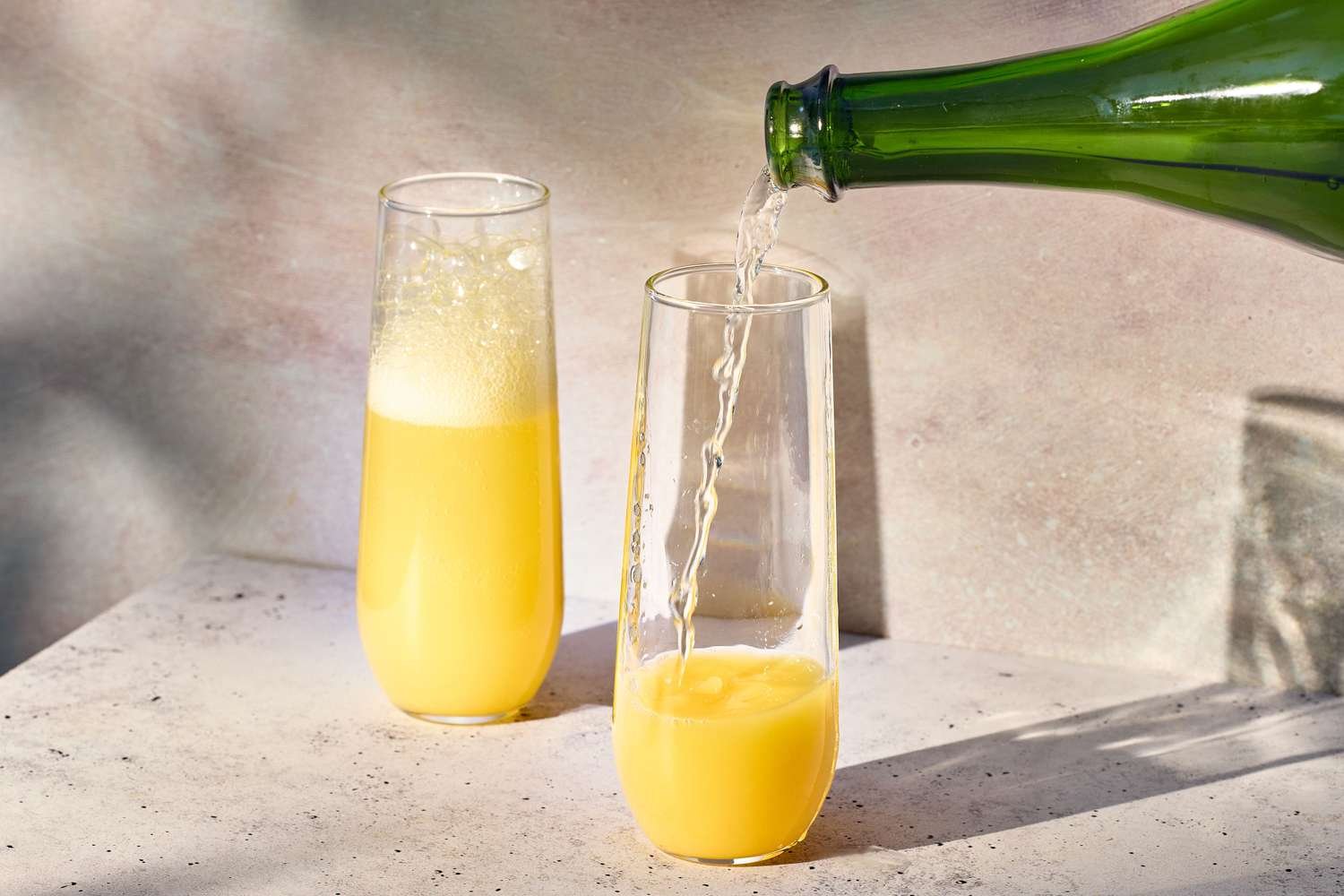
The French 75 truly comes into its own with the addition of Champagne. The French sparkling wine not only aligns with the cocktail’s name but also lends effervescence and a fruity, floral character that pairs well with the lemon and botanical notes of the gin. A lemon twist garnish further emphasizes the bright citrusy finish of the French 75.