The Charging Reality Hit Hard
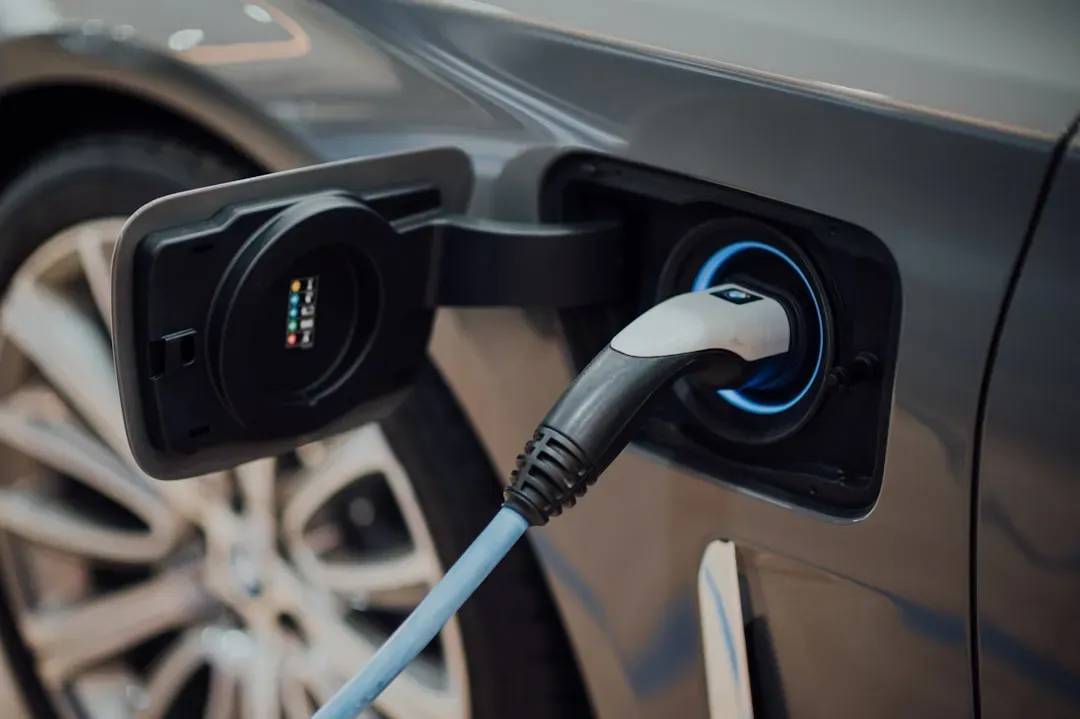
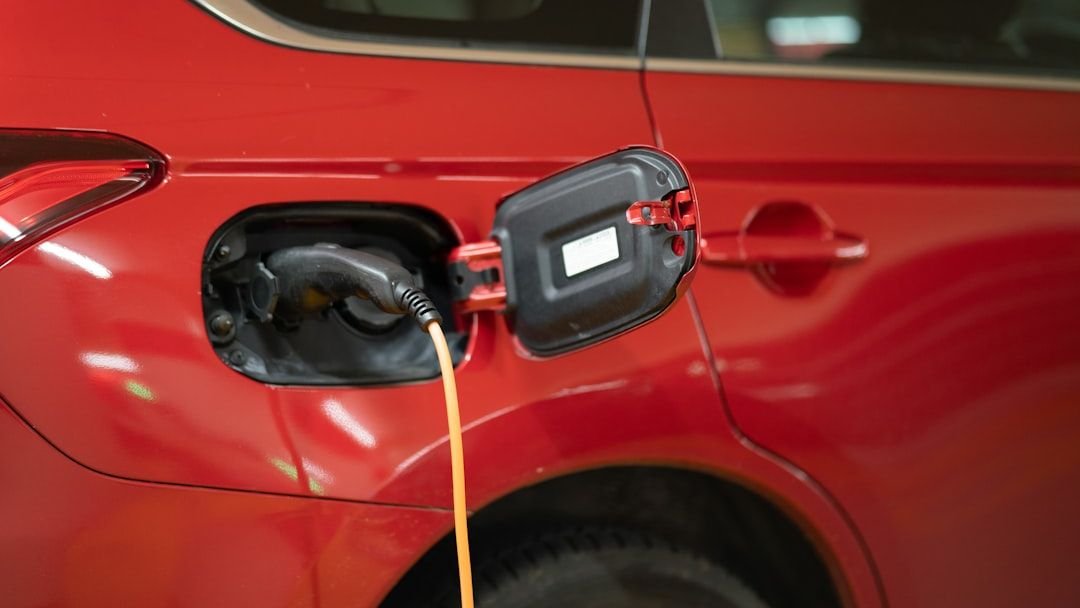
Let’s be real, the charging situation nearly broke me. I thought I had it all figured out when I bought my EV three years ago. Home charging seemed simple enough, road trips looked manageable on paper, and public chargers were popping up everywhere. Reality painted a different picture entirely. Research from Harvard Business School reveals that drivers can successfully recharge using non-residential EV equipment only 78% of the time, and honestly, that matches my experience perfectly. Broken chargers became my nemesis.
The frustration reached a breaking point during a family vacation. Three kids in the back seat, a broken fast charger at our planned stop, and the nearest alternative adding forty minutes to our trip. In the U.S., 60% of urban residents live less than a mile from the nearest public charger, compared to 41% of suburban residents and 17% of rural residents. Living in the suburbs myself, I felt that disparity acutely every single week.
The Depreciation Disaster Nobody Warned Me About
Here’s something that genuinely shocked me. My EV lost value faster than ice melting in July. A U.K.-based study found 3-year-old EVs lost more than half of their value compared with 39% for gas cars, and research found EVs in the U.S. can lose as much as 60% of their value over three to five years. When I tried trading mine in, the dealer’s offer felt like a gut punch.
The worst part? For Tesla owners in the U.S., their 2023 Model Ys are worth 42% less than what they paid two years ago, while a Ford F-150 truck bought the same year depreciated just 20%. My trade-in value basically evaporated while gas cars around me held steady. That financial hit made switching back to gas almost mandatory rather than optional.
Maintenance Savings Were Real But Overrated
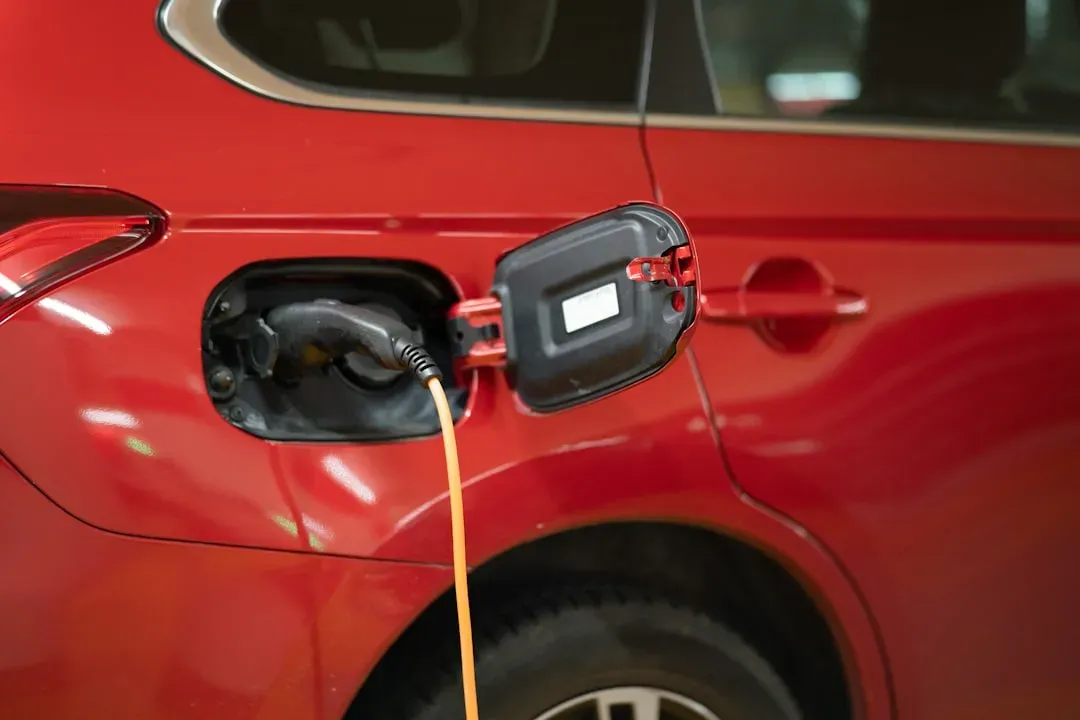
I’ll admit it: the maintenance costs were genuinely lower with my electric vehicle. The U.S. Department of Energy reports that EV maintenance costs average 6.1 cents per mile, compared to 10.1 cents per mile for gas-powered vehicles. No oil changes felt liberating at first. Regenerative braking meant my brake pads lasted forever. The savings were tangible month after month.
Still, the savings didn’t offset everything else going wrong. Maintenance service costs for electric cars for the first 3 years is only $77 on average, which sounds amazing until you factor in the depreciation hemorrhage and charging headaches. Plus, that looming battery replacement cost haunted me – potentially thousands of dollars down the road.
Range Anxiety Never Really Disappeared
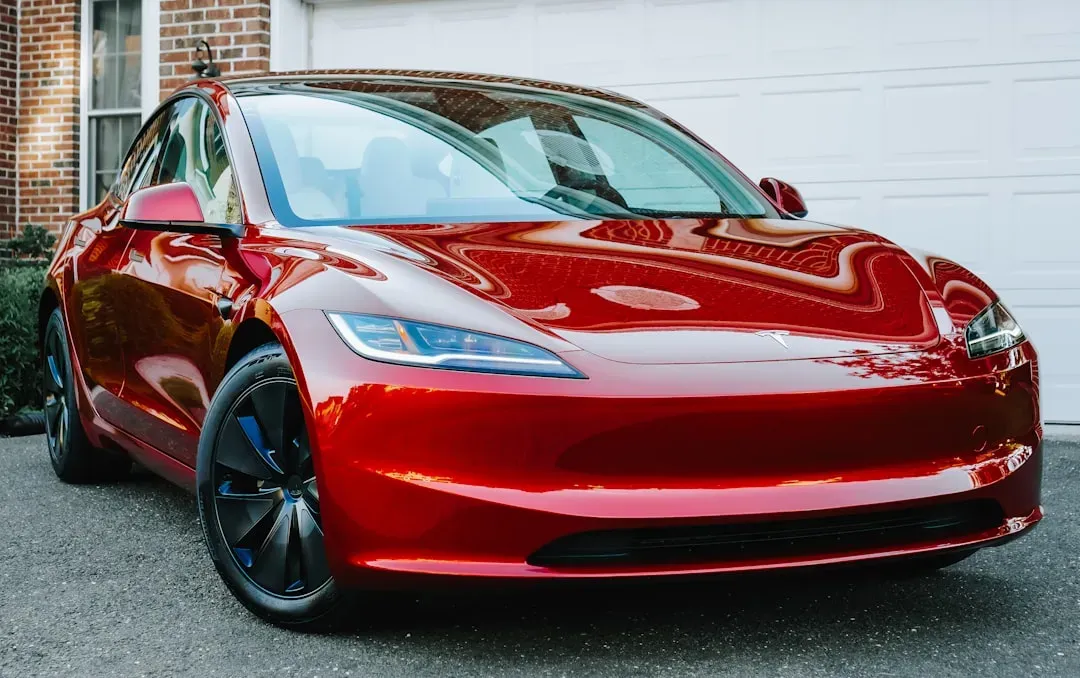
People told me range anxiety would fade once I got used to driving electric. They were wrong. In PlugInAmerica’s 2024 EV Driver Survey, while 69.8% of drivers reported concerns about battery range when they first bought or leased an EV, that concern dropped by about half once they started driving one. Maybe I’m in that unlucky half who never adapted, but the stress remained constant for me.
Cold weather made everything worse. Winter slashed my range dramatically, turning my advertised capabilities into optimistic fiction. Reduced battery performance and EV range during winter months, as well as protection from the elements while waiting for a vehicle to charge, are a further concern for rural communities in cold climates. Every winter trip became a calculated risk rather than spontaneous freedom.
The Statistical Shift Nobody Expected
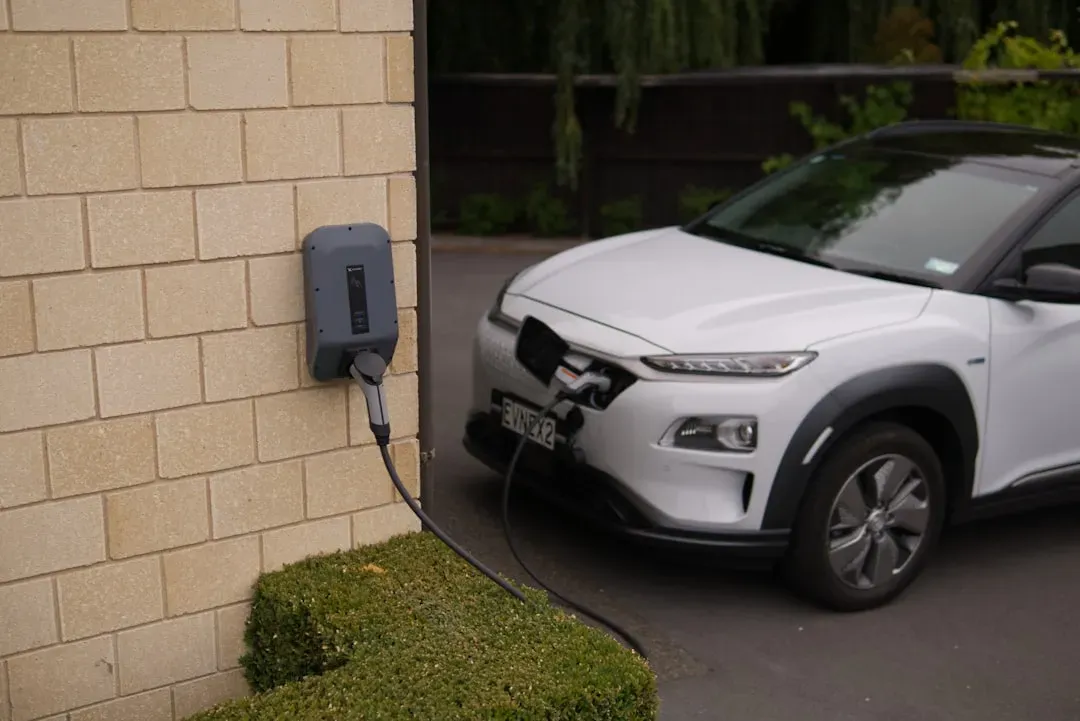
Nearly 30% of electric vehicle owners globally are likely to switch back to internal combustion engine vehicles, and 46% of U.S. EV owners said they were likely to make that switch. When I first read that McKinsey study, I realized I wasn’t alone in my frustrations. The head of McKinsey’s Center for Future Mobility said “I didn’t expect that”, and neither did I when I bought my EV.
A study from auto market researcher Edmunds found that in Q2, 39.4% of EVs utilized as a trade-in were used to purchase or lease a new ICE vehicle. These numbers validated my decision completely. The infrastructure simply isn’t ready yet, despite what the marketing materials promised.
The Freedom Gas Cars Still Offer
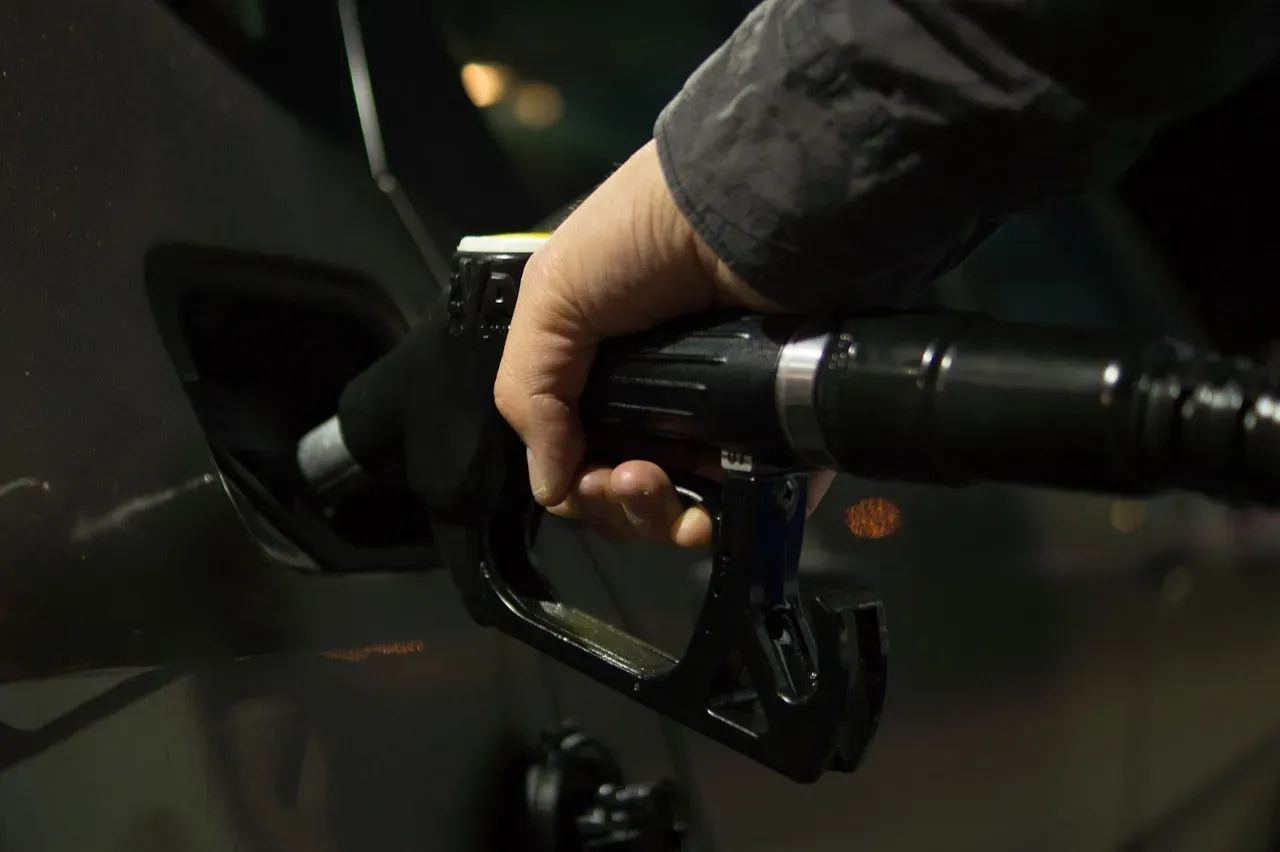
Switching back to gasoline felt like exhaling after holding my breath for years. Five minutes at a pump versus thirty minutes at a fast charger – the time difference alone transformed my daily stress levels. Gas stations exist everywhere, work reliably, and never require me to download another app or create another account.
Road trips became spontaneous again. No more obsessive route planning around charger locations. No more backup plans for broken charging stations. EVs are 2.6 to 4.8 times more efficient at traveling a mile compared to a gasoline internal combustion engine, according to Department of Energy data, but that efficiency means nothing when you’re stranded looking for a working charger.
The Cost Reality Check
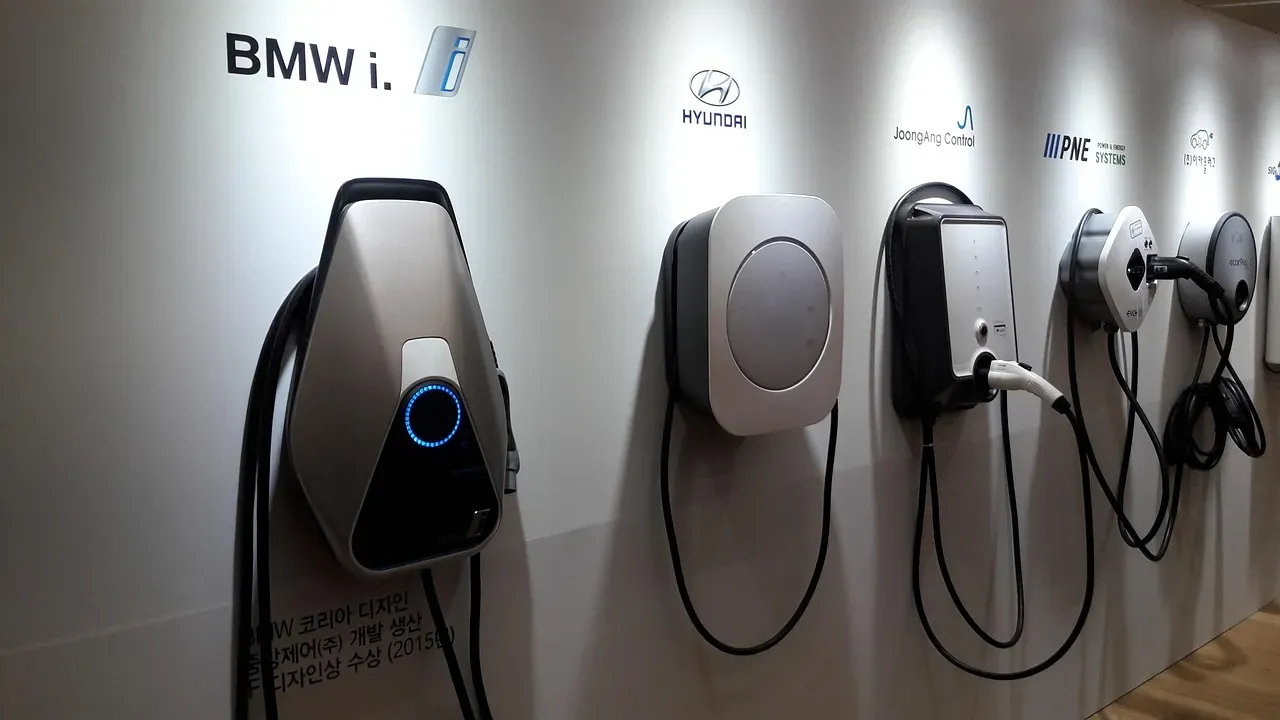
Let’s talk money honestly. Among EV owners surveyed planning to switch back, 35% cited the lack of charging infrastructure, 34% said the costs were too high, and 32% said planning long driving trips was too difficult. I checked all three boxes enthusiastically. The supposed savings evaporated quickly under real-world conditions.
My electricity bill increased noticeably with home charging, though still cheaper than gas. Federal incentives helped initially, but EVs received about twice the incentives as gas-burning cars, according to Cox Automotive, which artificially lowered the purchase price. Without those incentives propping up the market, the true cost difference becomes stark and unfavorable.
What Younger EV Owners Are Discovering
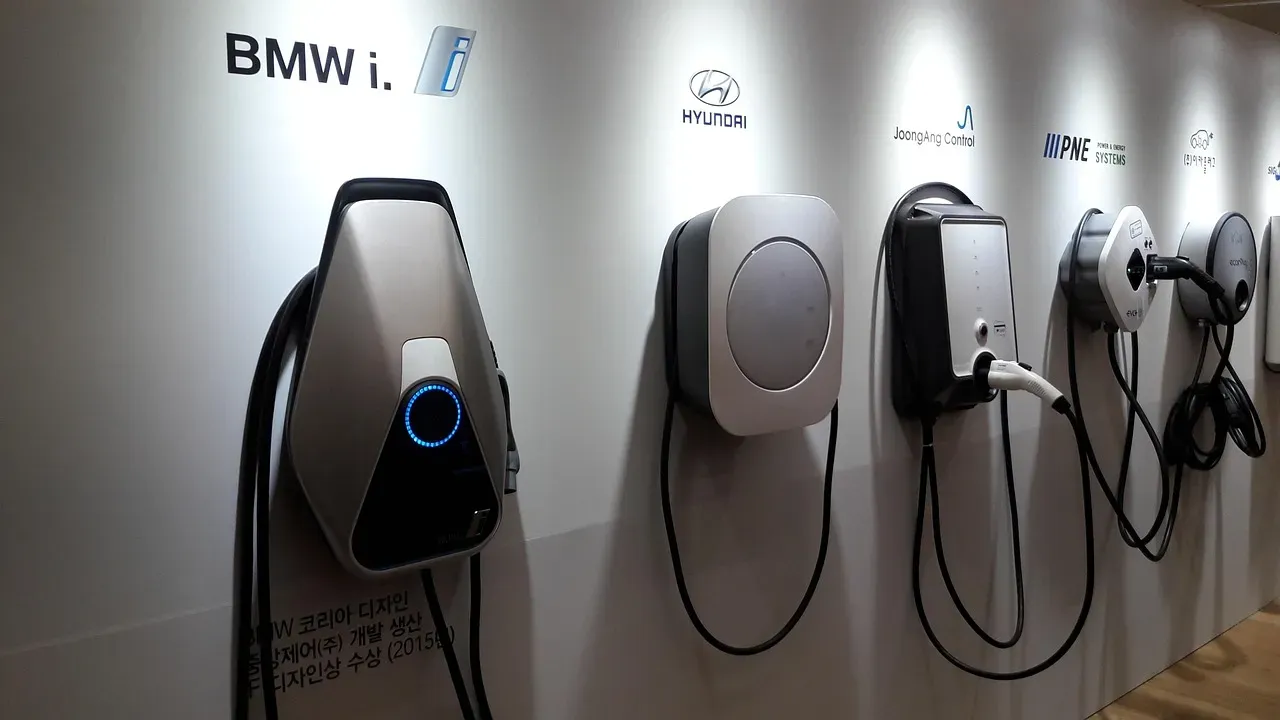
Many survey respondents in the U.S. who indicated they might reject EVs next time were on the younger side – around 36 years old, and many also have young families. I fit that demographic perfectly, and frankly, EVs don’t mesh well with family life yet. Imagine having little children in the car and having to do a detour for half an hour to find a fast charger, and it’s not working – that scenario happened to me repeatedly.
Families need reliability above everything else. We need vehicles that work predictably without constant planning and stress. Gas cars deliver that reliability effortlessly, while my EV turned every outing into a potential crisis requiring contingency plans.
The Infrastructure Gap Is Real and Growing
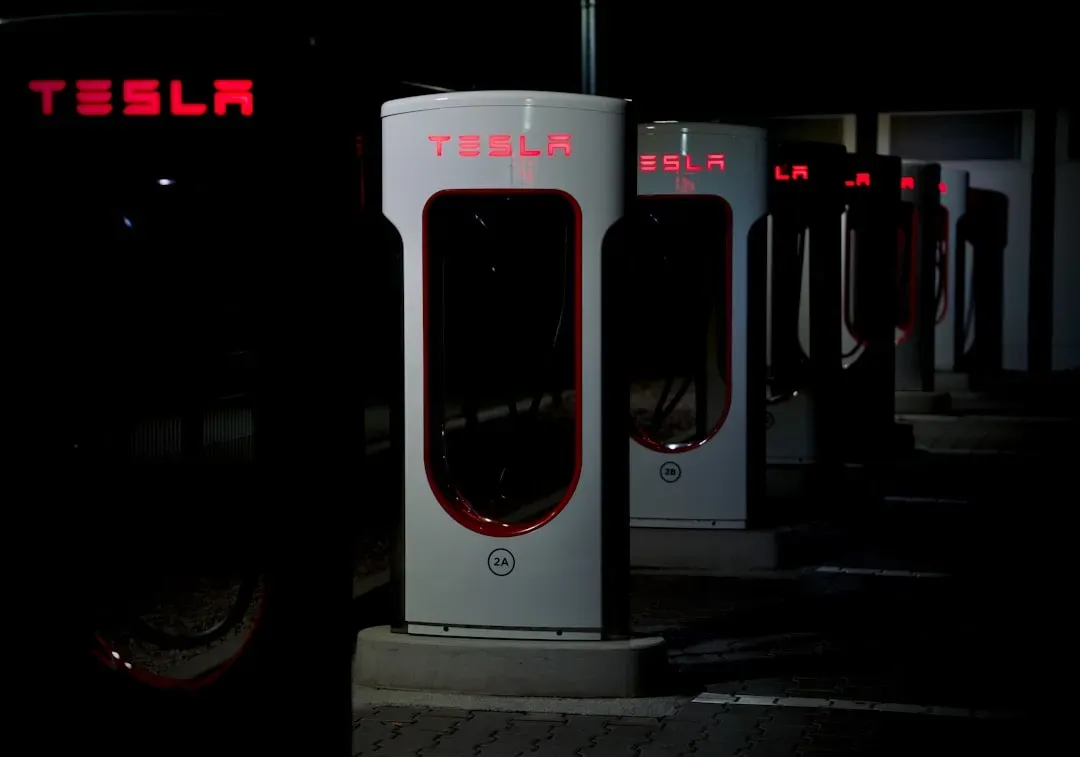
In 2016, there were an estimated seven electric vehicles for every one public charger, however, in mid-2024, there were 20 EVs per public charger. The infrastructure isn’t keeping pace with adoption rates, creating a worsening situation rather than improving one. More EVs competing for fewer chargers per capita meant longer waits and increased frustration.
Although there are currently over 76,000 public station locations and 228,000 charging ports across the United States, to support the projected 33 million EVs on the road by 2030, the United States will need to scale up to 2.2 million public charging ports. That massive gap won’t close quickly enough for current owners suffering through inadequate infrastructure today.
The Surprising Relief of Going Back
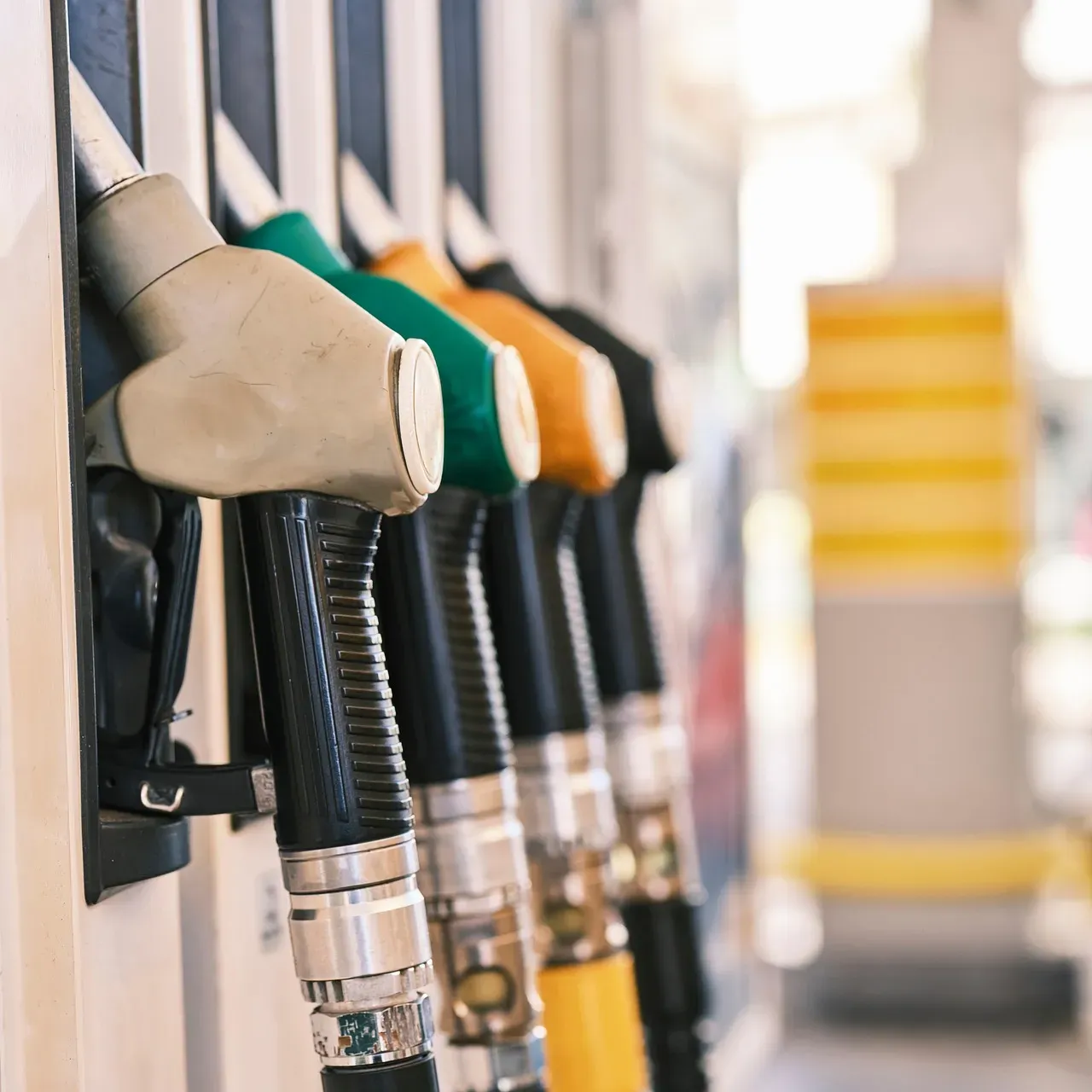
My first week back in a gas vehicle felt almost therapeutic. I forgot how simple refueling could be. How predictable. How boring in the best possible way. No apps failing to connect. No chargers mysteriously offline. No wondering whether I’d make it to my destination without adding hours to the trip.
Among early EV adopters for whom the electric vehicle is their primary mode of transportation, there is more dissatisfaction with the vehicle and a higher likelihood of trading in an EV for ICE, meanwhile, high-income drivers with garages and multiple car options are more likely to be satisfied with their purchase. I was definitely in that first category – one car, no backup, relying on it completely. EVs work better as luxury second vehicles rather than primary family transportation.
Looking Forward Without Regret
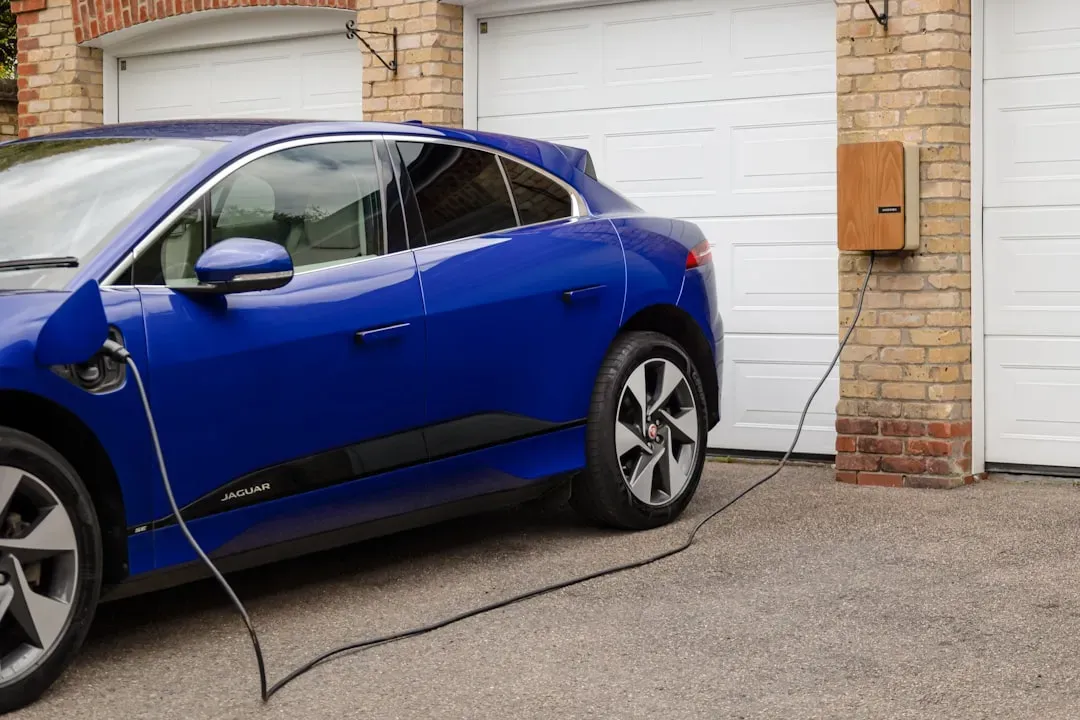
I don’t regret trying electric. The experience taught me valuable lessons about where the technology currently stands versus where the marketing claims it stands. Those are vastly different places. Maybe in another decade, when charging infrastructure actually matches the vehicle population and reliability improves dramatically, I’ll reconsider.
For now, though, driving gas again feels right. The convenience, reliability, and financial stability outweigh any environmental guilt I might feel. Electric vehicles remain the future eventually, just not my present anymore. Sometimes admitting something isn’t working takes more courage than stubbornly persisting through dysfunction.