Poor Grading and Drainage Around the Foundation
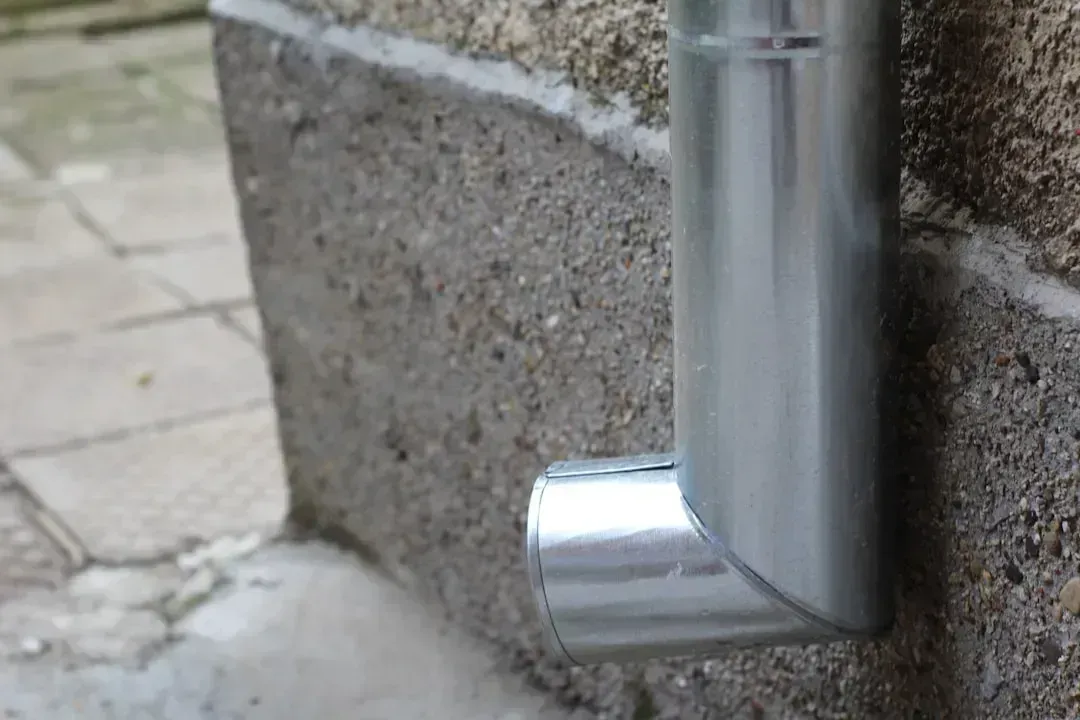
Let’s be real, most homeowners don’t think twice about the slope of their yard until water starts pooling near the foundation. Moisture intrusion from improper grading is one of the top five most common issues flagged during foundation inspections, and it’s honestly one of those sneaky problems that can cost you big time down the road. The grade away from foundation walls should fall a minimum of six inches within the first ten feet, but you’d be shocked how many homes miss this mark. When water doesn’t drain properly, it saturates the soil around your foundation, leading to cracks, settling, and that dreaded basement moisture everyone complains about.
Outdated or Problematic Electrical Panels
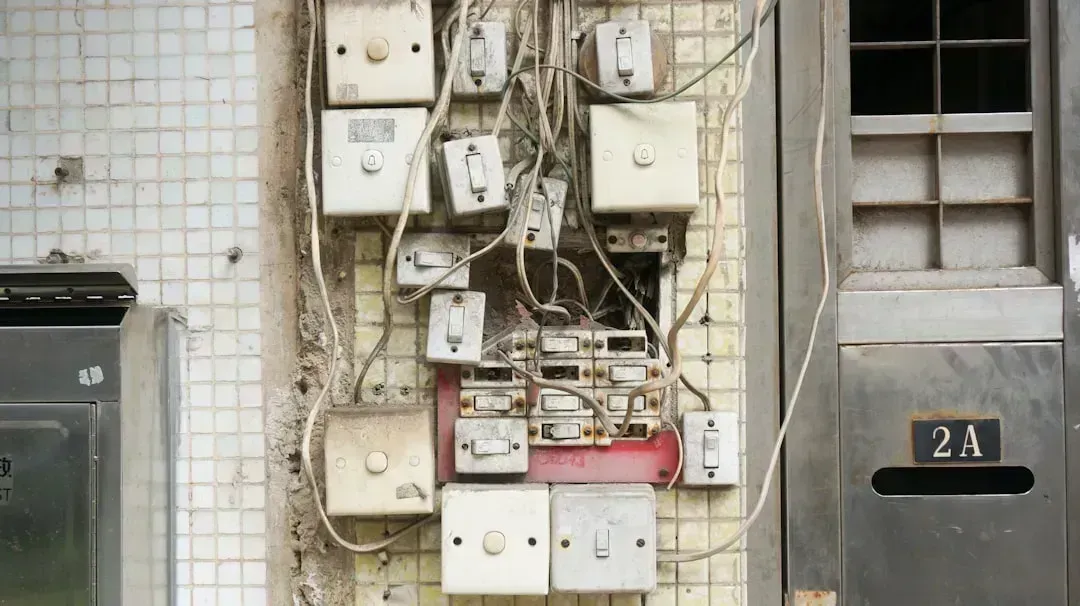
The most common issue found during home inspections is electrical system problems, and the panel is usually where things get interesting. Inspectors see double-tapped breakers all the time, which is when two wires connect to a single breaker slot designed for one. Most circuit breakers are designed for just one wire, and connecting two wires where they are not supposed to be can lead to loose connections, arcing currents and potential fires. Then there are the notorious old panels like Federal Pacific Electric and Zinsco brands that make inspectors cringe. One in four Stab-Lok breakers may fail to trip in the event of an overload, leaving homeowners at a higher risk of electrical fires.
Neglected HVAC Systems That Haven’t Been Maintained
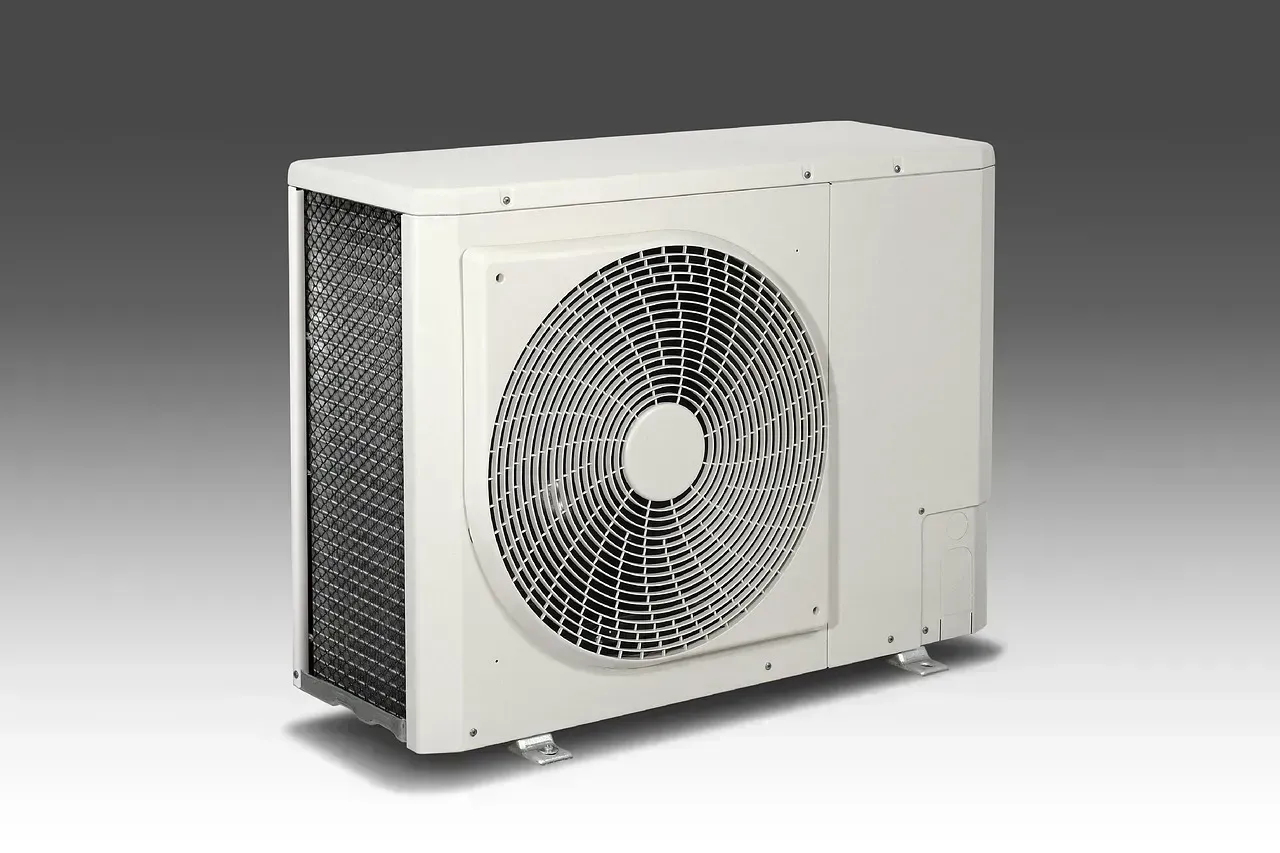
According to Duraplainc, only 30% of Americans get their HVAC systems inspected regularly, and trust me, inspectors can tell. They notice dirty filters, aging units, and systems that are barely hanging on. HVAC units last 10 to 15 years, so if you’re pushing that timeline without regular tune-ups, you’re playing with fire. Inspectors frequently report clogged evaporator coils, leaky ducts, and furnaces with gas line concerns. A cracked heat exchanger or other damaged equipment can cause a leak in your furnace’s gas line, which can be a result of poor airflow to your system. It’s hard to say for sure, but proper maintenance could probably extend these systems way beyond their expected lifespan.
Missing or Malfunctioning GFCI Outlets in Wet Areas
Here’s the thing: Ground Fault Circuit Interrupters are required by code in kitchens, bathrooms, garages, and outdoor spaces for a reason. They prevent electrical shocks in areas where water and electricity might mix. Yet inspectors still find homes without them or with outlets that don’t work properly. GFCI outlets are part of the building code in rooms where moisture is present, and malfunctioning or non-working GFCI outlets could hint at bigger electrical problems. Testing them is simple, but homeowners rarely do it, and that’s why inspectors make a big deal out of this safety feature during walkthroughs.
Roof Issues From Missing Shingles to Poor Flashing
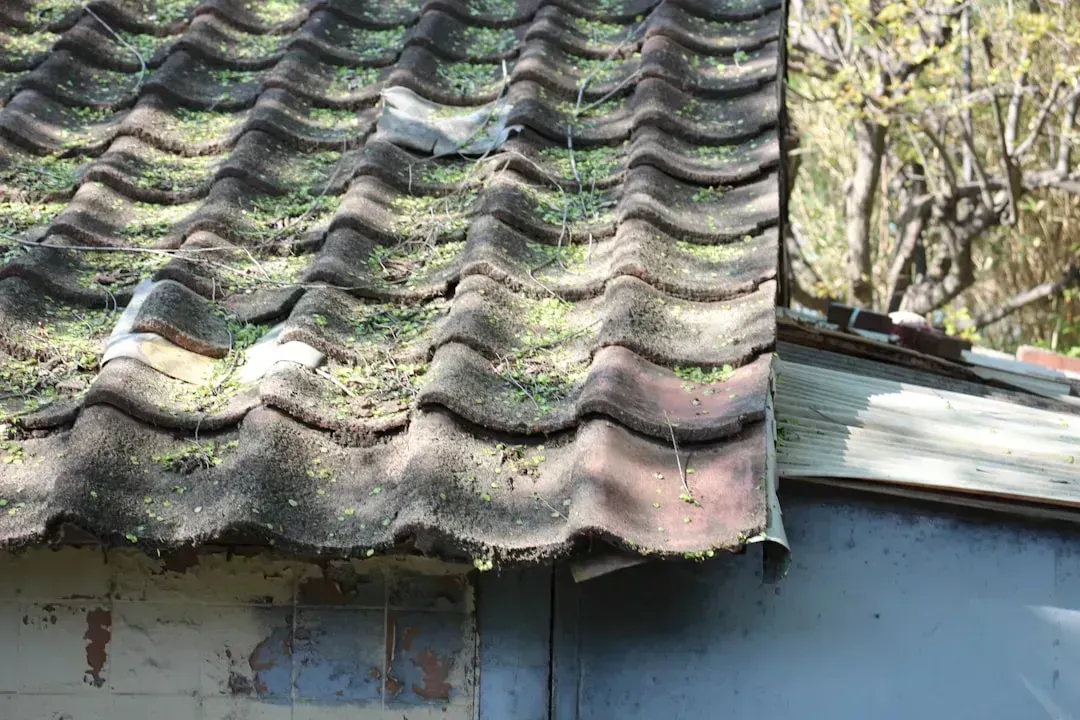
The most frequently inspected component is the roof, with over 90% of inspections including roof examination, and for good reason. The frequency of roof problems found during inspections is approximately 35%. Inspectors spot missing or damaged shingles, improper flashing around chimneys and vents, and signs of water damage on ceilings. A roof that shows signs of deferred maintenance can also signal water damage to the sheathing, rafters, and other wood structural elements in the attic area. Sometimes the issues are minor and fixable, other times they’re red flags that the whole roof needs replacing soon.
Plumbing Leaks and Corroded Pipes
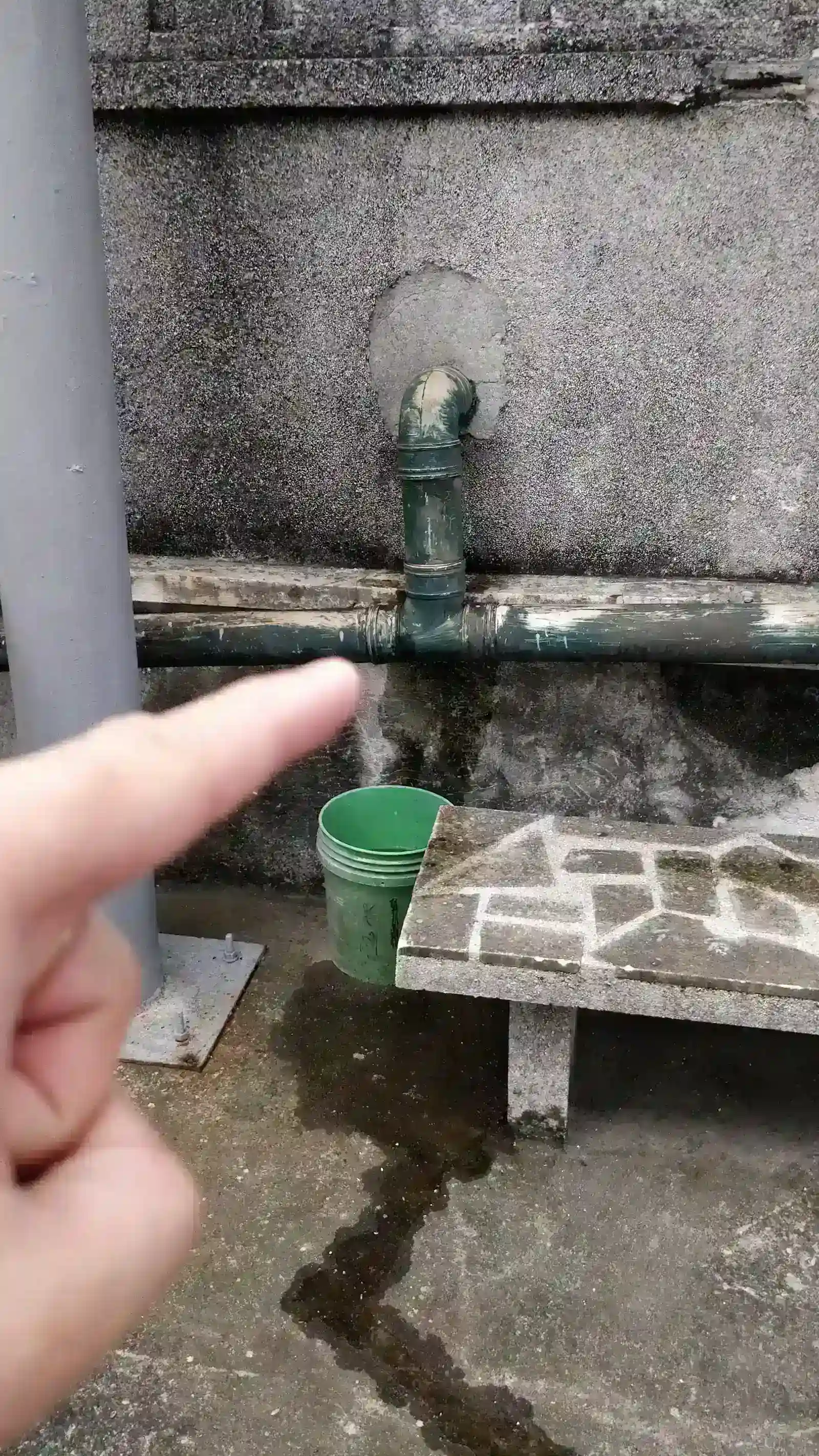
Approximately 30% of homes in the US have some form of plumbing leak, which sounds crazy until you consider how many connections and fixtures there are in a typical house. Leaks under sinks, corroded pipes, and water heater problems are common, and in homes built decades ago, galvanized pipes may need replacement. Inspectors also flag old polybutylene pipes that were popular in the eighties and nineties. These pipes are prone to higher rates of leaks or plumbing line failures compared to more modern piping materials. It’s one of those things where a small leak today becomes a massive water damage headache tomorrow.
Foundation Cracks and Settlement Concerns
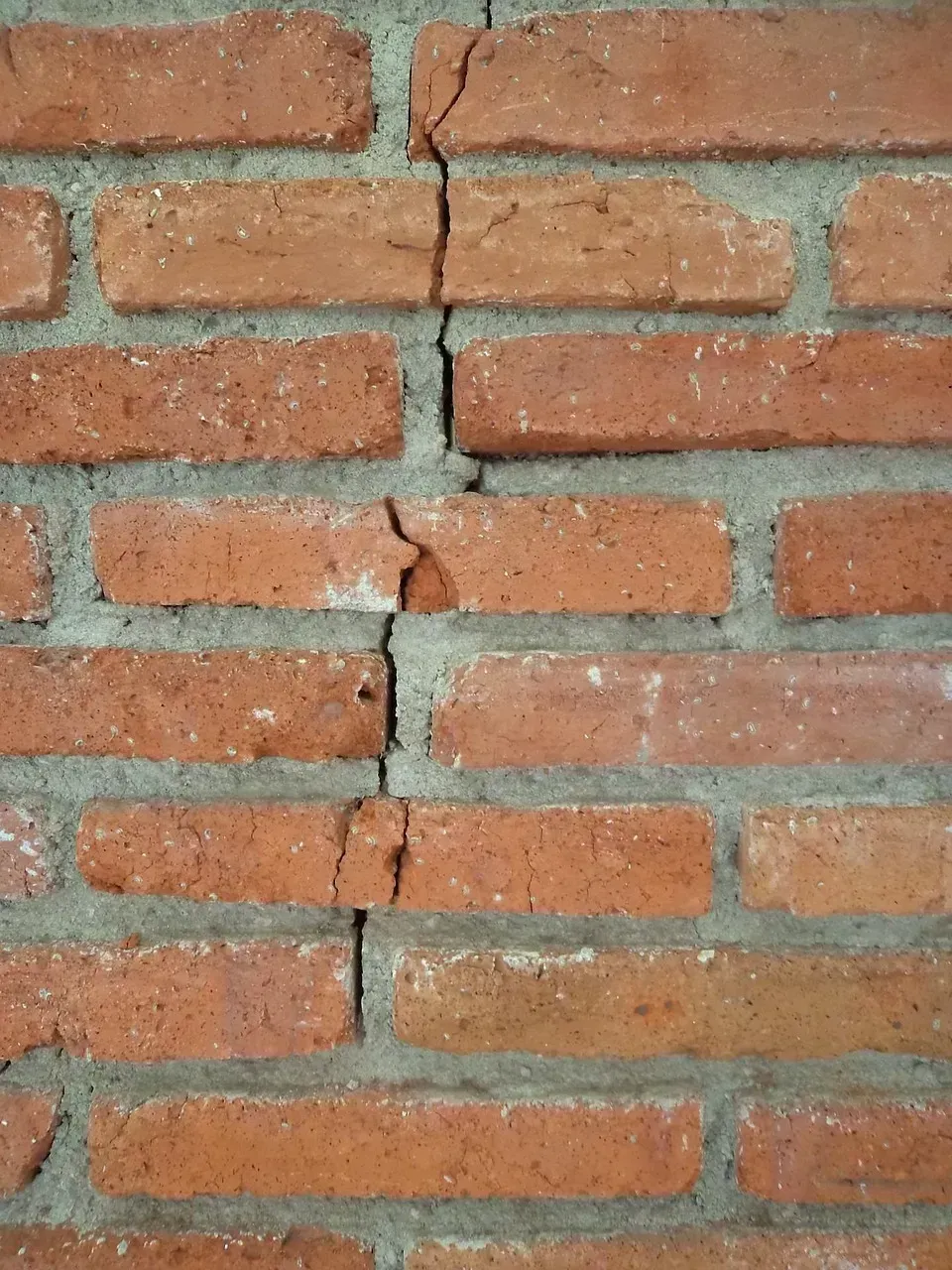
Foundation problems aren’t as common as some other issues, but when they show up, they’re serious. About 20% of homes have foundation problems detectable in inspections. In 2025, foundation repair costs an average of $5,165 but can range between $2,218 and $8,111. Inspectors look for vertical cracks, horizontal cracks, stair-step patterns in brick, and signs like doors that won’t close properly or floors that slope. Not every crack is a disaster though. Home inspectors will look for any signs of structural issues, noting even seemingly minor hairline cracks, and may tell you to just watch it to make sure it doesn’t get bigger or expand.
Insufficient Insulation and Ventilation Problems
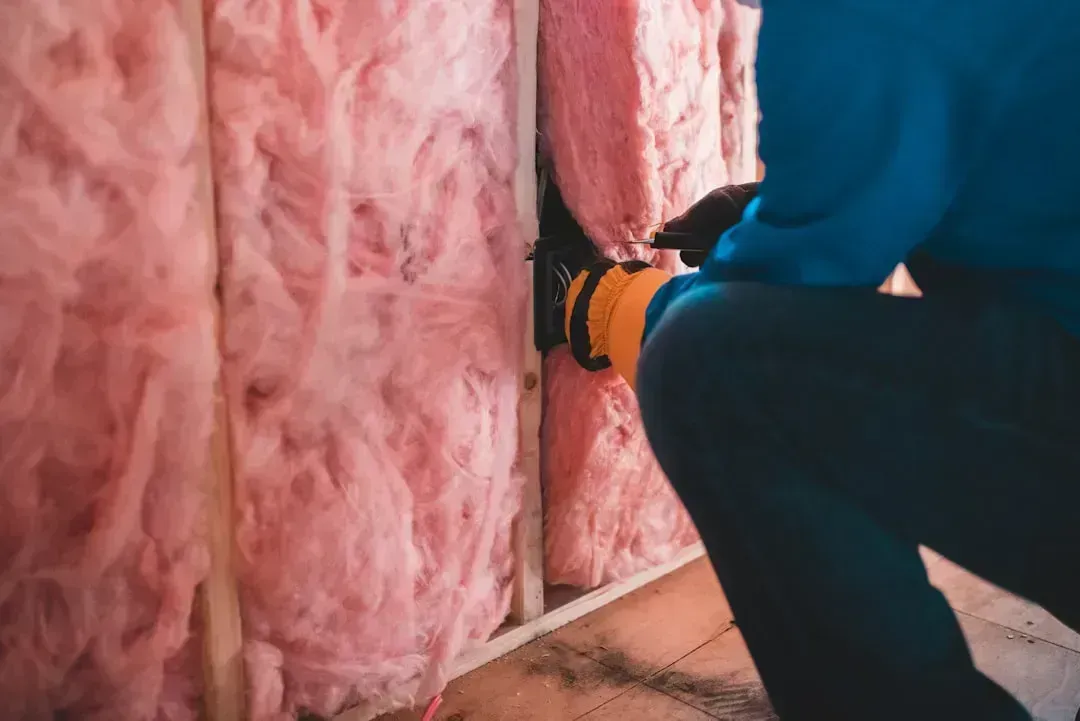
Nearly 50% of home inspectors report encountering issues with insulation and ventilation, which is basically every other house they walk into. Poor attic ventilation leads to moisture buildup, mold growth, and premature roof deterioration. Inadequate insulation in crawl spaces and attics means higher energy bills and uncomfortable temperature swings throughout the house. Washington’s damp climate makes moisture a recurring concern, with inspectors often finding poor ventilation in bathrooms, crawlspaces, and attics, leading to mold, mildew, and wood rot. These aren’t always dramatic issues, but they add up over time in terms of comfort and cost.
Outdated or Ungrounded Electrical Outlets
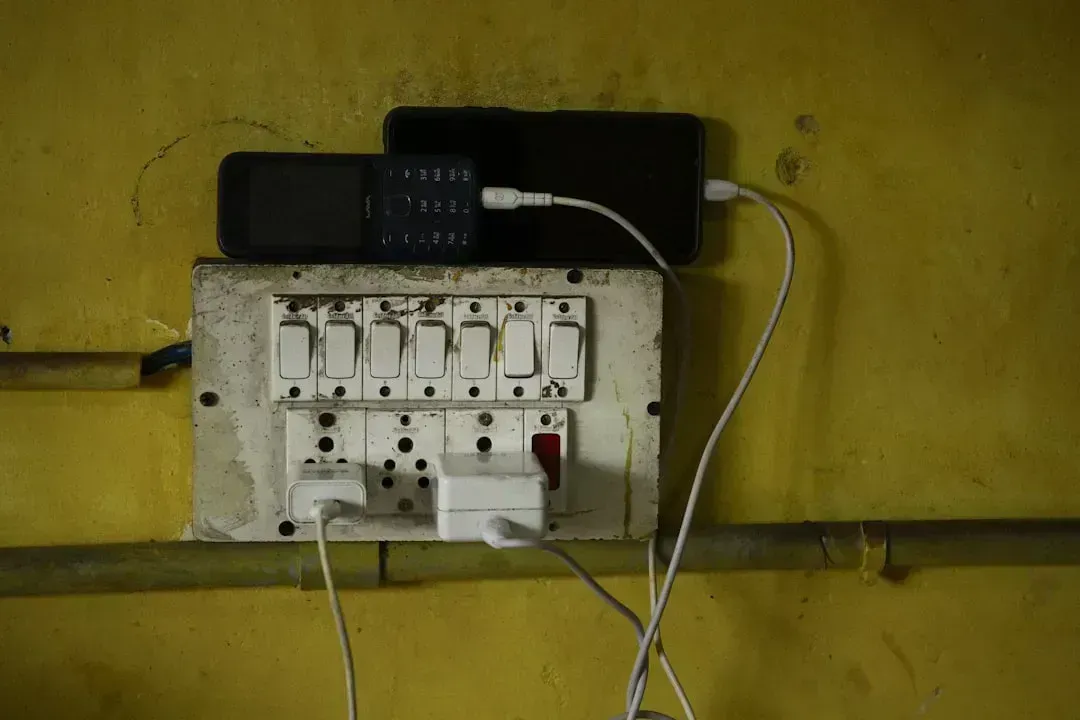
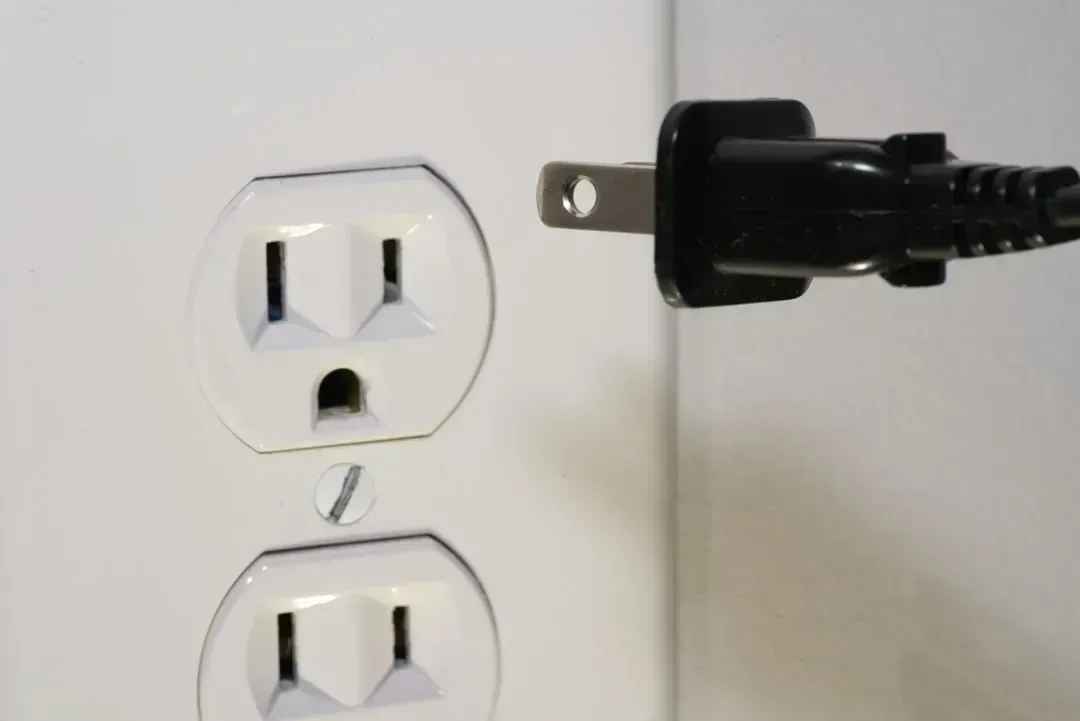
Walk through an older home and you’ll probably spot two-prong outlets that lack proper grounding. Ungrounded receptacles are outlets with just two slots and no hole beneath them for the ground wire, and two-prong receptacles simply are not safe and should be upgraded to minimize the risk of fire. Aluminum wiring can be found in older homes from the 1960s and 70s but has since been found to pose a fire risk, especially if not properly maintained, as it can expand and contract more than copper. Inspectors flag these outdated systems because they’re genuine safety concerns that need addressing sooner rather than later.
Water Stains and Signs of Previous Moisture Intrusion
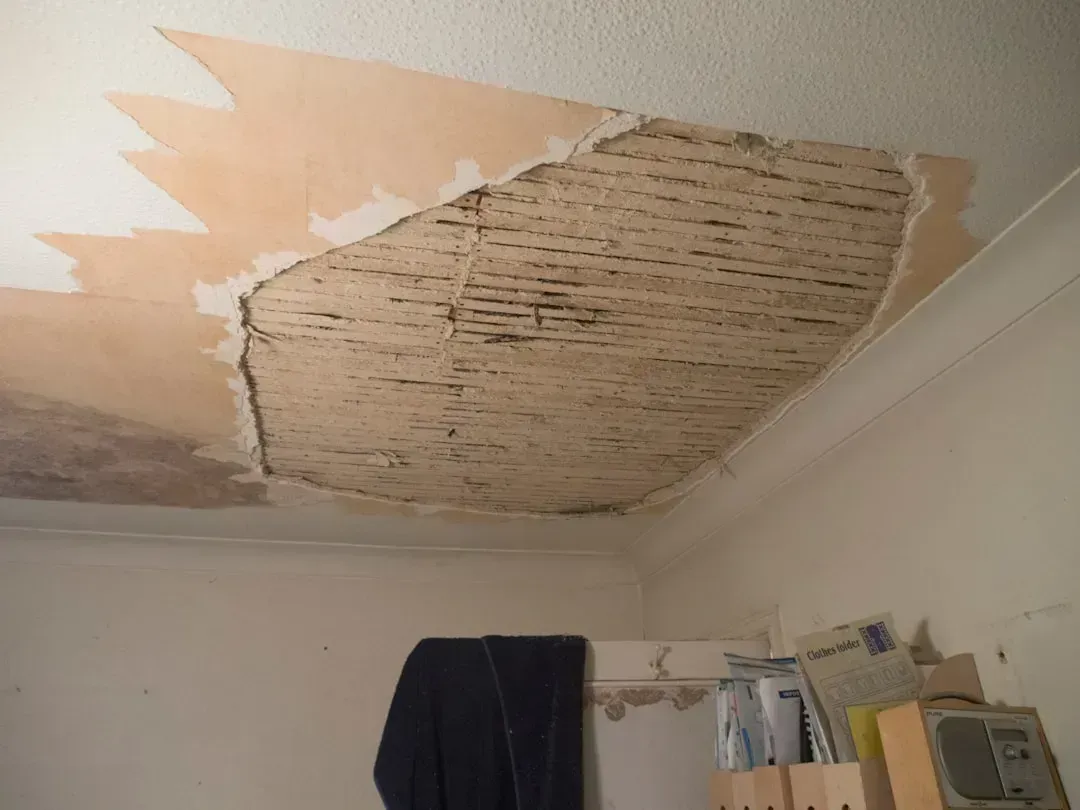
86% of home inspections reveal something that needs to be fixed, and water stains are among the most common clues that something went wrong in the past. Inspectors find discoloration on ceilings, walls, and in basements that hint at old roof leaks, plumbing failures, or condensation issues. Even if the problem seems fixed, the stains remain as evidence. Water damage can weaken the structure and lead to mold growth, which poses health risks. The tricky part is figuring out whether the issue is truly resolved or just temporarily patched over.
Did any of these surprise you? Whether you’re buying, selling, or just maintaining your home, knowing what inspectors consistently find gives you a huge advantage. These aren’t dealbreakers in most cases, just reality checks that help you prioritize repairs and budget accordingly. What would you tackle first if your home had several of these issues?
Improperly Installed or Deteriorating Window and Door Seals

You’d be shocked how many homes have windows and doors that are basically inviting the weather inside. Inspectors constantly spot cracked caulking, gaps in weatherstripping, and seals that have completely given up the ghost after years of expanding and contracting. It’s not just about comfort – though nobody enjoys a drafty room in January – it’s about your wallet bleeding money on heating and cooling bills. When seals fail, moisture sneaks in and causes wood rot around frames, which turns a simple caulking job into a major carpentry project. Some homeowners slap paint over deteriorating seals thinking it’ll help, but that’s like putting a bandage on a broken bone. The good news? Catching these issues early means you can fix them for under $100 in most cases, versus thousands down the road when the damage spreads.
Amateur DIY Repairs That Create Bigger Problems
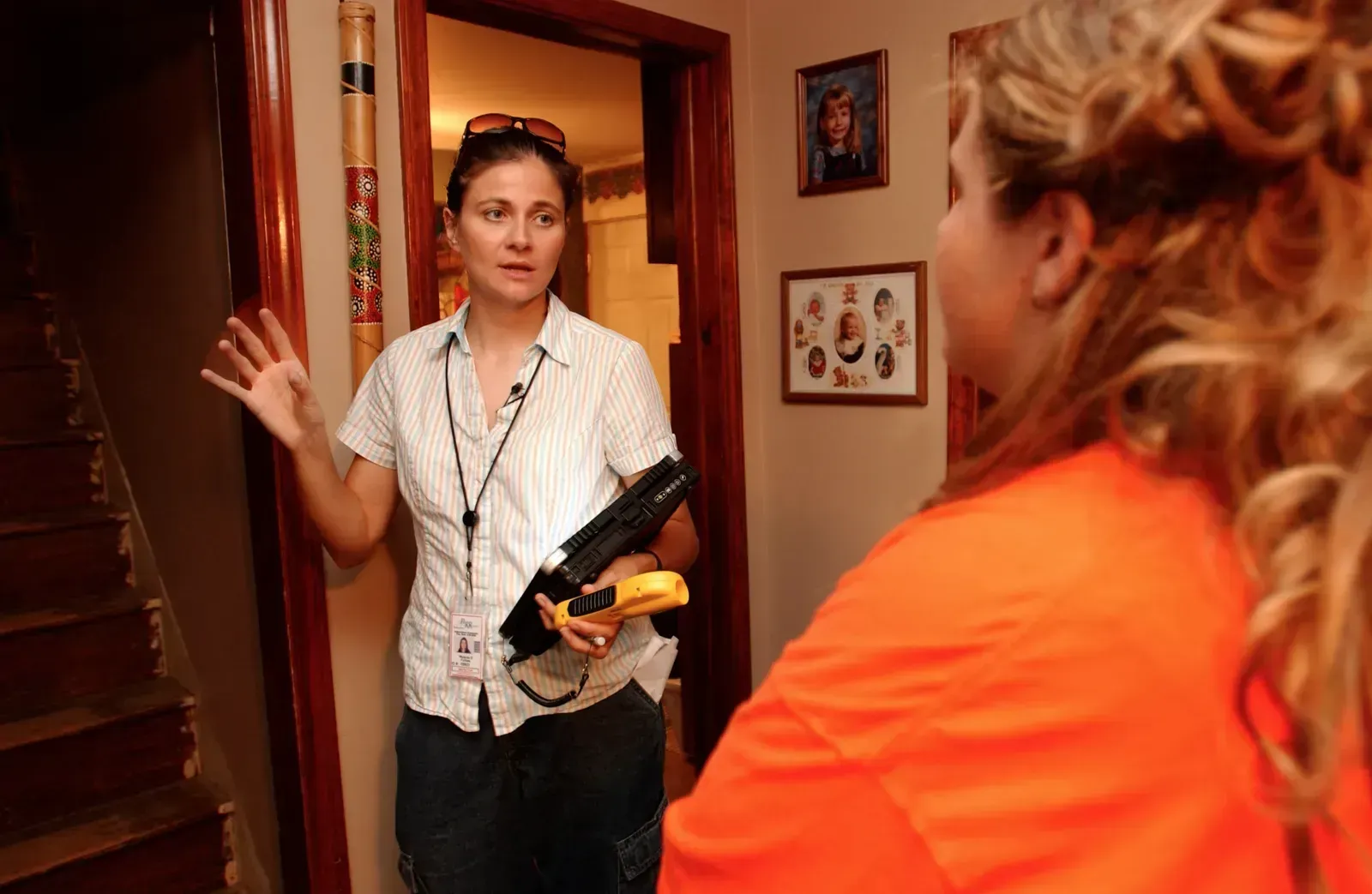
Here’s something that makes inspectors simultaneously laugh and cringe: homeowners who watched one YouTube video and decided they’re suddenly master electricians or plumbers. The evidence of these well-intentioned disasters shows up in almost every inspection, from electrical boxes held together with duct tape to plumbing joints that were clearly assembled by someone who’d never heard of proper fittings. One inspector told me about finding a load-bearing wall that someone had partially removed and “reinforced” with 2x4s and hope. The real kicker? These DIY nightmares often hide behind fresh paint or new drywall, making them ticking time bombs that only reveal themselves during a thorough inspection. What drives inspectors crazy isn’t that people try to save money – it’s that a $200 repair done wrong becomes a $5,000 emergency when it fails spectacularly at 2 AM on a Sunday. Building codes exist for legitimate safety reasons, not because inspectors enjoy paperwork, and ignoring them puts everyone in the house at risk.