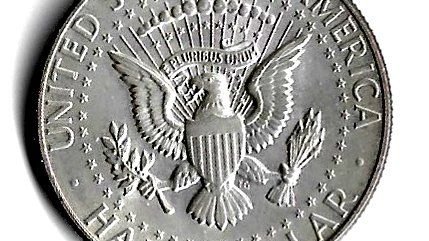
Let’s be real, most folks think of half dollars as those big, clunky coins that got phased out of circulation decades ago. You might have a few sitting in a drawer somewhere, barely worth the metal they’re made from. Here’s the thing, though. Some Kennedy half dollars from certain years or with specific characteristics are worth serious money. We’re talking hundreds, thousands, even hundreds of thousands of dollars for a single coin that once cost just fifty cents. So before you toss those old halves into a coin jar or spend them, you might want to take a closer look. The difference between face value and fortune often comes down to tiny details most people never notice.
The 1964 Silver Kennedy Half Dollar
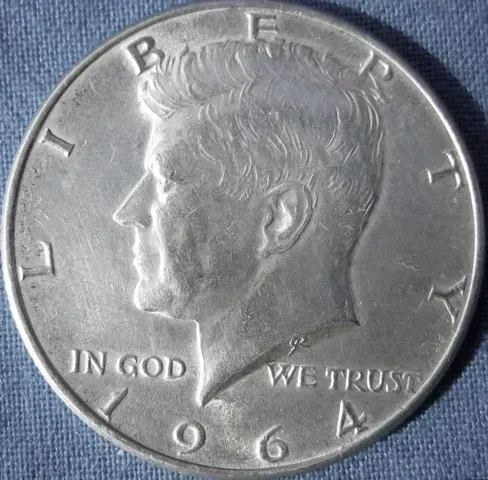
The 1964 Kennedy half dollar stands out as the only circulation year to contain 90% silver, making it instantly more valuable than later issues. Each half dollar contains roughly 0.358 troy ounces of pure silver, which gives it intrinsic metal value beyond its face amount. As of July 2025, each 1964 Kennedy half is worth at least around thirteen dollars at minimum based on current silver spot prices. Yet high-grade examples can command far more.
The total mintage for the 1964 Kennedy Half Dollar was substantial, with more than 433 million coins issued by the U.S. Mint, split between Philadelphia and Denver facilities. Despite this large quantity, public hoarding meant that fewer coins circulated regularly, as Americans kept them as mementos of the late president. Finding one in pristine condition today, free from the wear of circulation, can translate to significant collector premiums.
The Mysterious 1964 SMS Kennedy Half Dollar
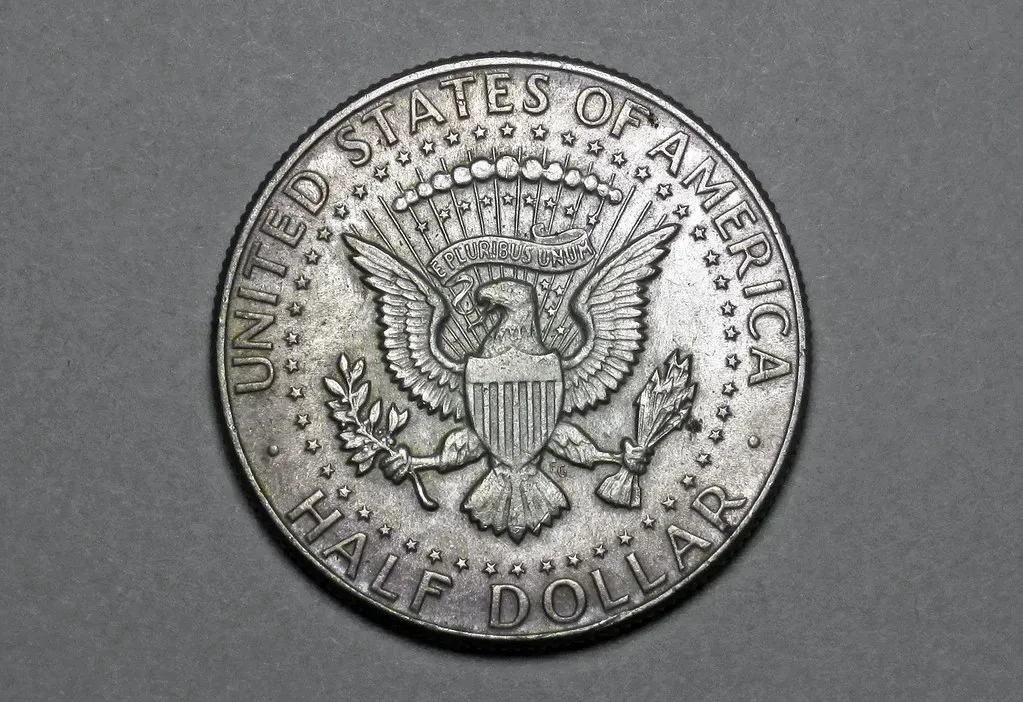
Now this is where things get absolutely wild. The 1964 Special Strike Kennedy Halves are not supposed to exist, yet about a dozen or so examples have surfaced in the past 15 years. These pieces feature an unusually sharp strike, satin-like surfaces, and subtle die polishing lines, indicating experimental production methods, with only a handful known to exist and fewer than 20 examples authenticated.
The origin story reads like a mystery novel. The coins first appeared in a 1993 Stacks auction, apparently originating from Lester Merkin, a well-known coin dealer whose collection was consigned to Stacks, and it’s believed he initially acquired them from a Mint employee or Eva Adams, former Director of the U.S. Mint. Because of their extreme scarcity and unique finish, these coins are valued in the tens of thousands of dollars, with high-grade certified specimens having sold for more than forty to fifty thousand dollars at auction. One specimen in SP68 condition sold for one hundred fifty-six thousand dollars in August 2019.
The 1970-D Kennedy Half Dollar
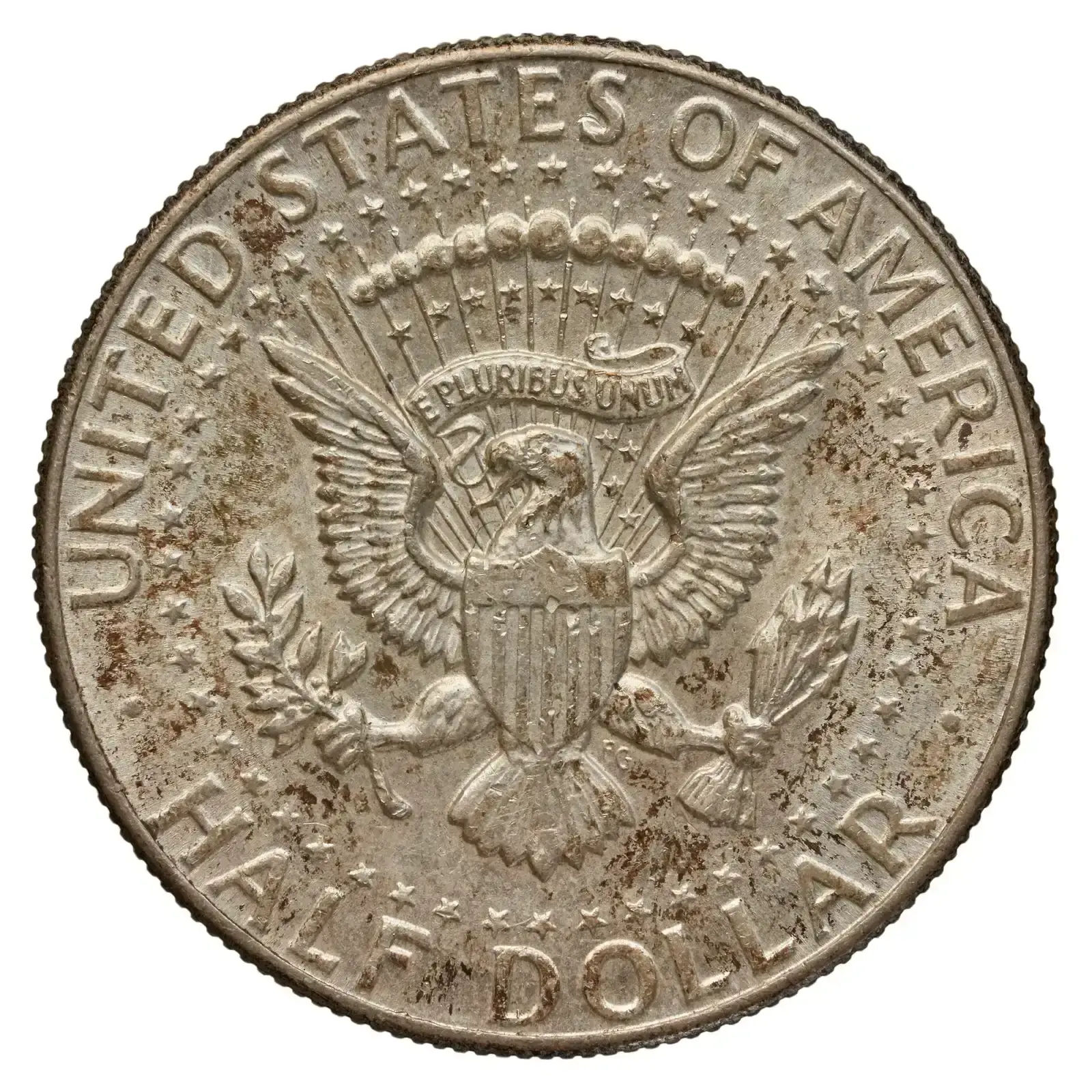
The 1970 Kennedy half dollar marks the final production of silver-clad business strike half dollars before the complete elimination of precious metal content in 1971, with only Denver producing business strikes that year exclusively available in mint sets, making the 1970-D the lowest mintage regular issue Kennedy half dollar until 2006. With a mintage of 2.1 million, the 1970-D became the key coin in the series.
What really catches collectors’ attention are the error varieties. An MS-67 example of the 1970-D error coin could sell for three hundred fifty thousand dollars or more. The version that fetched this amount features a wrong planchet error, where the U.S. Mint mistakenly struck a few 1970-D Kennedy halves on a 1906-S Barber half dollar silver planchet or another older leftover silver blank, and because of this minting error, only a few examples exist with exceptional rarity. Even standard 1970-D halves in top condition are desirable, though. 1970-D Kennedy halves can be worth forty-five dollars in MS65 and three hundred dollars in MS66 if graded by PCGS or NGC.
The 1971-D Transitional Error
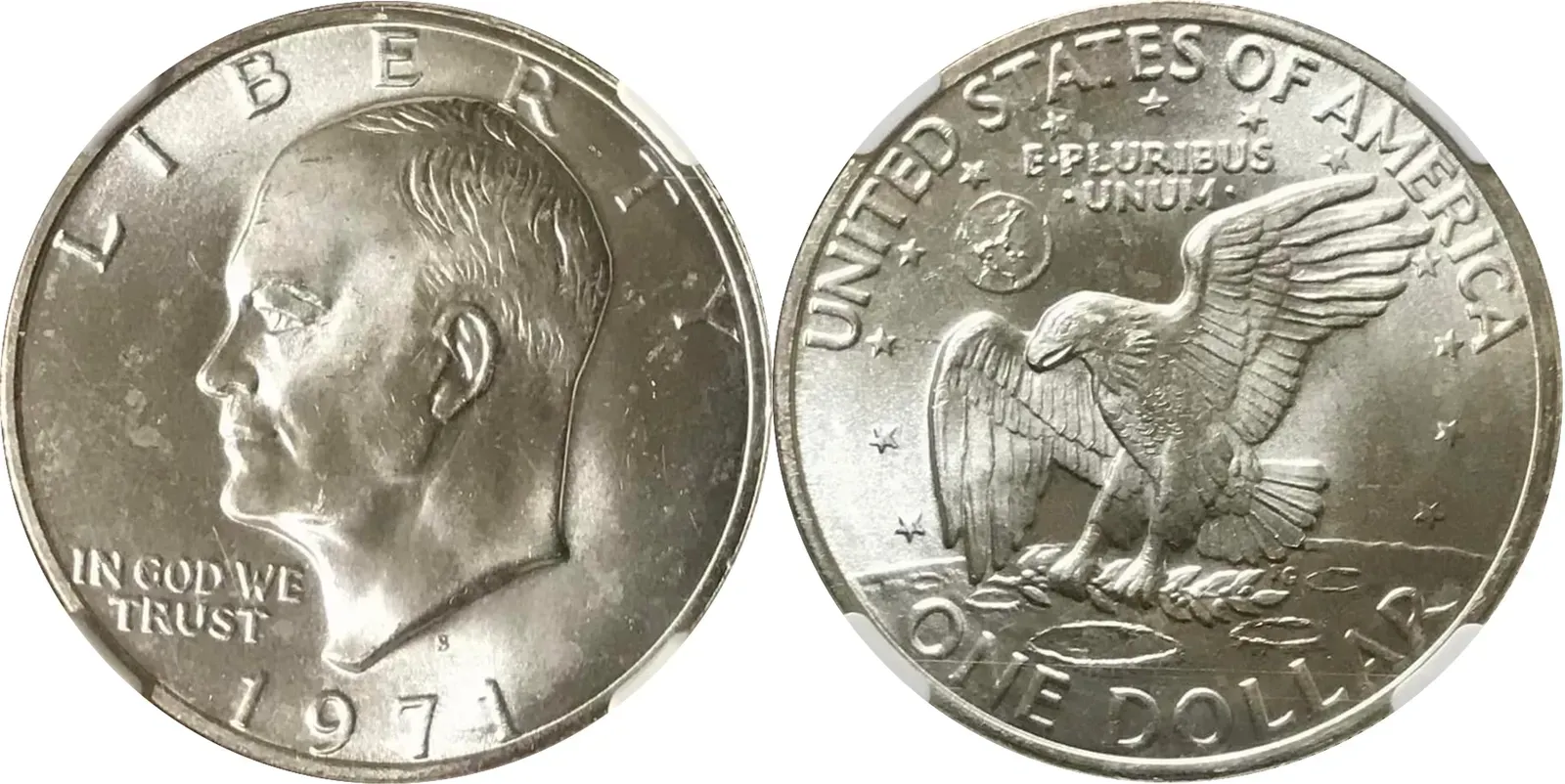
Here’s one of those cool finds that proves treasures still await discovery. The 1971-D Kennedy half dollar transitional error, struck on a silver-copper clad planchet rather than the normal copper-nickel clad composition, is evidence that great finds await discovery. Transitional errors generally occur when a mint is making a change in composition, and they have a coolness level that is hard to match, particularly since they can be found in circulation when the coin’s composition is in the process of being changed, or discovered years later.
One 1971-D Kennedy Half Dollar error coin struck on a silver planchet graded NGC MS61 sold for thirteen thousand dollars in April 2018. It’s hard to say for sure, but this kind of error happens when leftover silver planchets from 1970 production accidentally get mixed with the new copper-nickel blanks intended for 1971. The weight difference and appearance make them stand out once you know what you’re looking for.
The 1968-S Proof Deep Cameo Kennedy
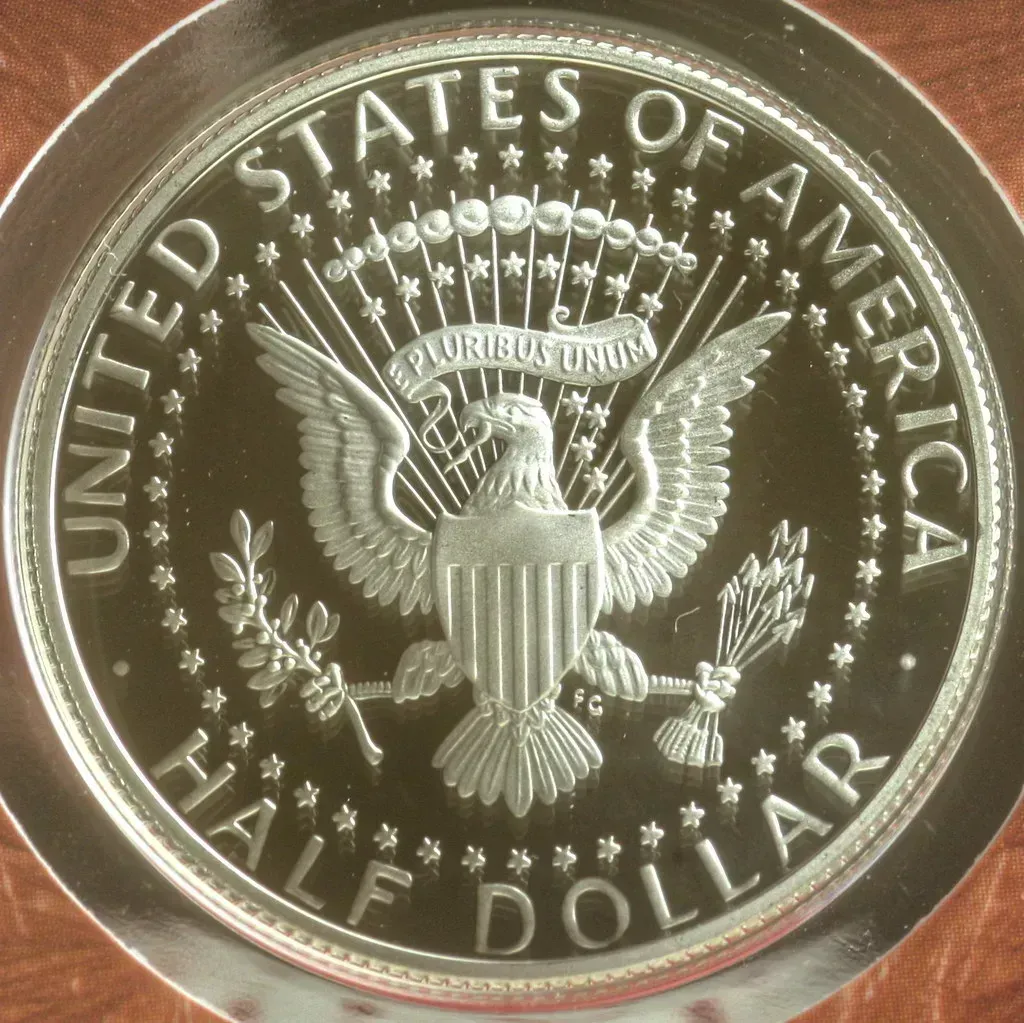
The 1968-S proof Kennedy half dollar marks an important transition as it was the first proof coin struck at the San Francisco Mint, and collectors seek out Cameo and Deep Cameo examples with frosted devices and mirrored fields, which are far rarer than standard proofs from the same year. The contrast between the mirror-like background and the frosted design elements creates a stunning visual effect that collectors prize.
Quality strikes with heavy cameo contrast can command premium values, particularly in grades of PR69DCAM, and while ordinary proofs trade for ten to twenty dollars, exceptional Deep Cameo examples can sell for five hundred to one thousand dollars or more. The difference in value comes down to how well the dies were prepared and maintained during striking. Early strikes from fresh dies produce the best cameo effect, which gradually diminishes as dies wear.
The 1998-S Matte Proof Kennedy
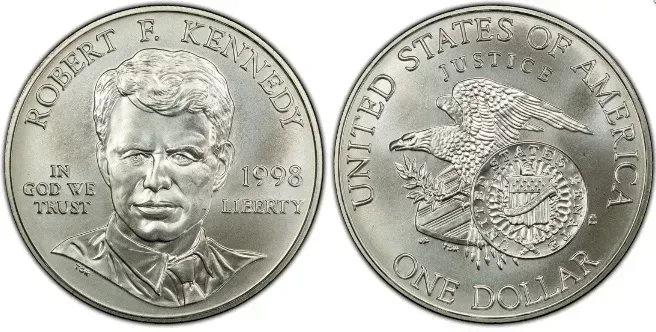
These half dollar silver coins were issued only in a special Robert F. Kennedy commemorative set, featuring a matte finish unlike standard proofs, with mintage limited to just 62,000 pieces. The unique satin-like appearance sets them apart from every other Kennedy half dollar produced. They were struck to commemorate the life of Robert F. Kennedy and were only available as part of a special two-coin set.
The value ranges from fifty dollars to four thousand dollars for PR-70 DCAM specimens. The relatively low mintage combined with the distinctive finish makes these highly sought after by Kennedy half dollar specialists. Many collectors who focus on the series consider this a must-have piece due to its historical significance and unique production method.
The 1964 Accented Hair Variety
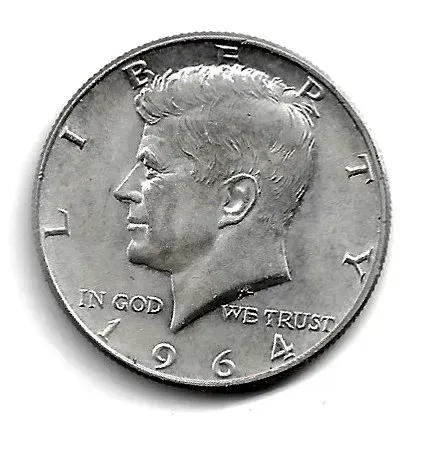
The scarcest proof Kennedy half dollars are those with varieties, such as the 1964 Heavily Accented Hair half dollar, and Cameo and deep cameo proof Kennedy half dollars from the 1960s and early 1970s are also scarce and command solid premiums over prices for typical Kennedy half dollars of the era. The Accented Hair variety shows stronger, more defined hair details on Kennedy’s portrait, particularly above his ear and along the back of his head.
A 1964 Kennedy Half Dollar Accented Hair PCGS Proof-69 DCAM sold for twenty-three thousand five hundred forty dollars. The variety resulted from initial die modifications that were later changed, making early strikes with the accented hair considerably rarer. Distinguishing this variety requires careful examination and comparison with normal 1964 proofs, as the differences are subtle but definitive to trained eyes.
Special Mint Set Coins from 1965-1967

Because of a rare shortage, the US Treasury demanded that no proof sets would be made in 1965, and instead, Special Mint Sets or SMS were struck to appease avid collectors, with these special sets minted at the San Francisco Assay Office in 1966, striking dates for 1965, 1966, and 1967. These coins occupy a middle ground between regular strikes and proofs, with better detail and luster than circulation coins but different surfaces than traditional proofs.
The 1966 SMS Kennedy half dollars are particularly elusive in Deep Cameo condition, and while the Mint produced 2.2 million SMS sets that year, achieving the Deep Cameo effect required perfect die conditions that rarely occurred. One example worth over sixteen thousand dollars is one of only five specimens ever graded SP68 Deep Cameo by PCGS, with none finer. Finding SMS coins with strong cameo contrast is like winning a small lottery, honestly.
High-Grade Modern Proof Coins
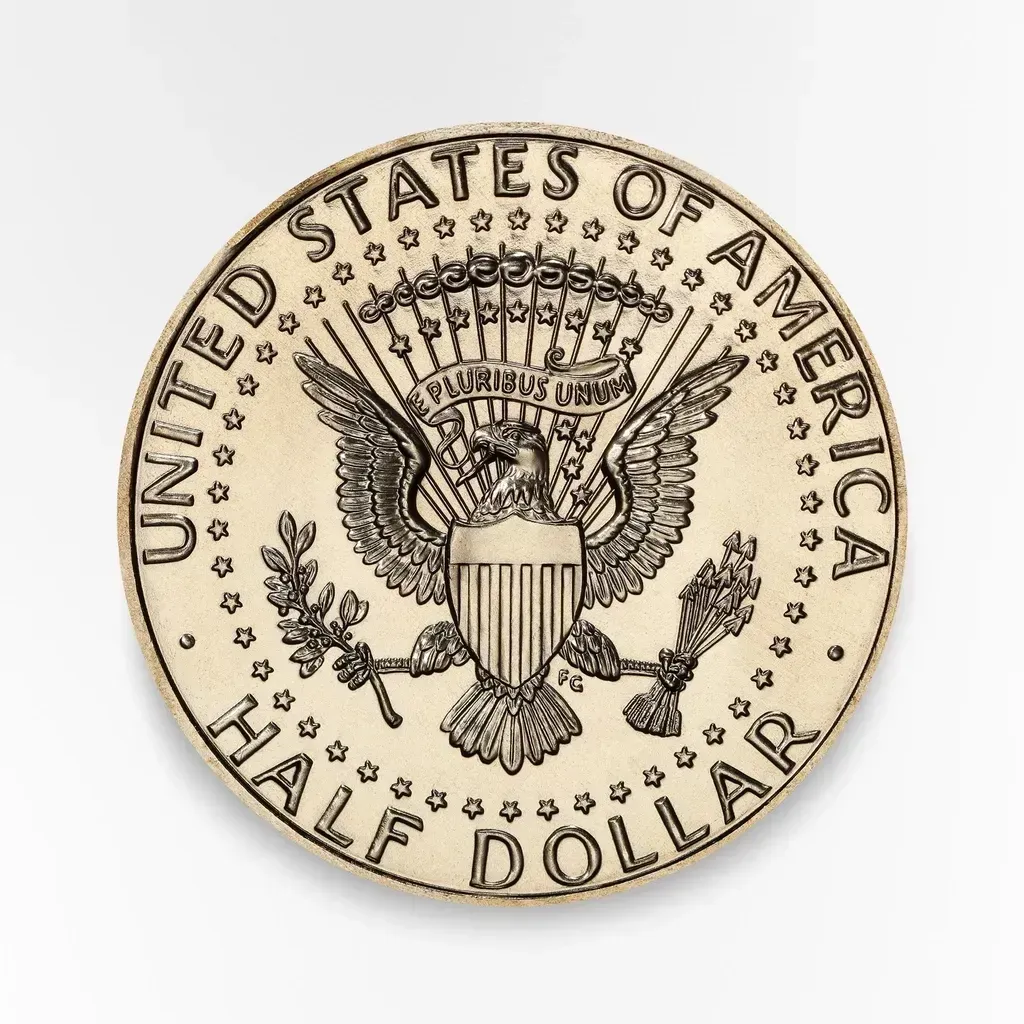
Regular 2023 P and D half dollars average twelve dollars and twenty cents and nine dollars and forty cents respectively in MS condition, while circulated examples remain near face value, but special proof versions command higher premiums, with silver DCAM proofs averaging one hundred fifteen dollars in PR condition. The highest documented sale reached one hundred fifty-three dollars for an exceptional MS67 specimen sold in January 2024.
A certified half dollar coin 2023 DDO error sold on a specialized auction platform in early 2025 for over three hundred fifty dollars. Modern Kennedy halves might seem common, yet perfect specimens with error varieties or exceptional grades continue to command impressive premiums. One token with die crack error was sold at a major numismatic auction in early 2025 for over eight thousand dollars. The lesson here is clear: even recent coins can be valuable if they possess the right combination of condition and characteristics.
Most Kennedy half dollars you find today are worth their face value or maybe a few dollars for silver content. Yet these nine categories represent exceptions where knowledge and careful examination can lead to substantial rewards. Whether you’re actively collecting or just curious about those old coins in your possession, understanding what makes certain Kennedy halves valuable might reveal hidden treasure. Did you ever check the dates on those half dollars sitting in your collection?