:max_bytes(150000):strip_icc():format(jpeg)/Butter-Shoyu-Chicken-FT-RECIPE00126-107d58b38a5143af9ddcae216a6d6083.jpg)
- The sauce is the ideal balance of salty, sweet, and savory, reducing to a rich glaze that clings beautifully to the chicken.
- The method consistently produces deeply golden chicken with tender, juicy meat in under an hour.
- This dish proved reliable, satisfying, and easy for both our developer and cross-tester, earning top marks for simplicity and flavor.
You can never have too many quick and easy chicken dinners in your backpocket, and this one brings together the irresistible combination of soy sauce and butter. An iconic pairing in Japanese home cooking, butter and shoyu create a rich umami depth and silky texture when used to coat chicken, fish, or steak.
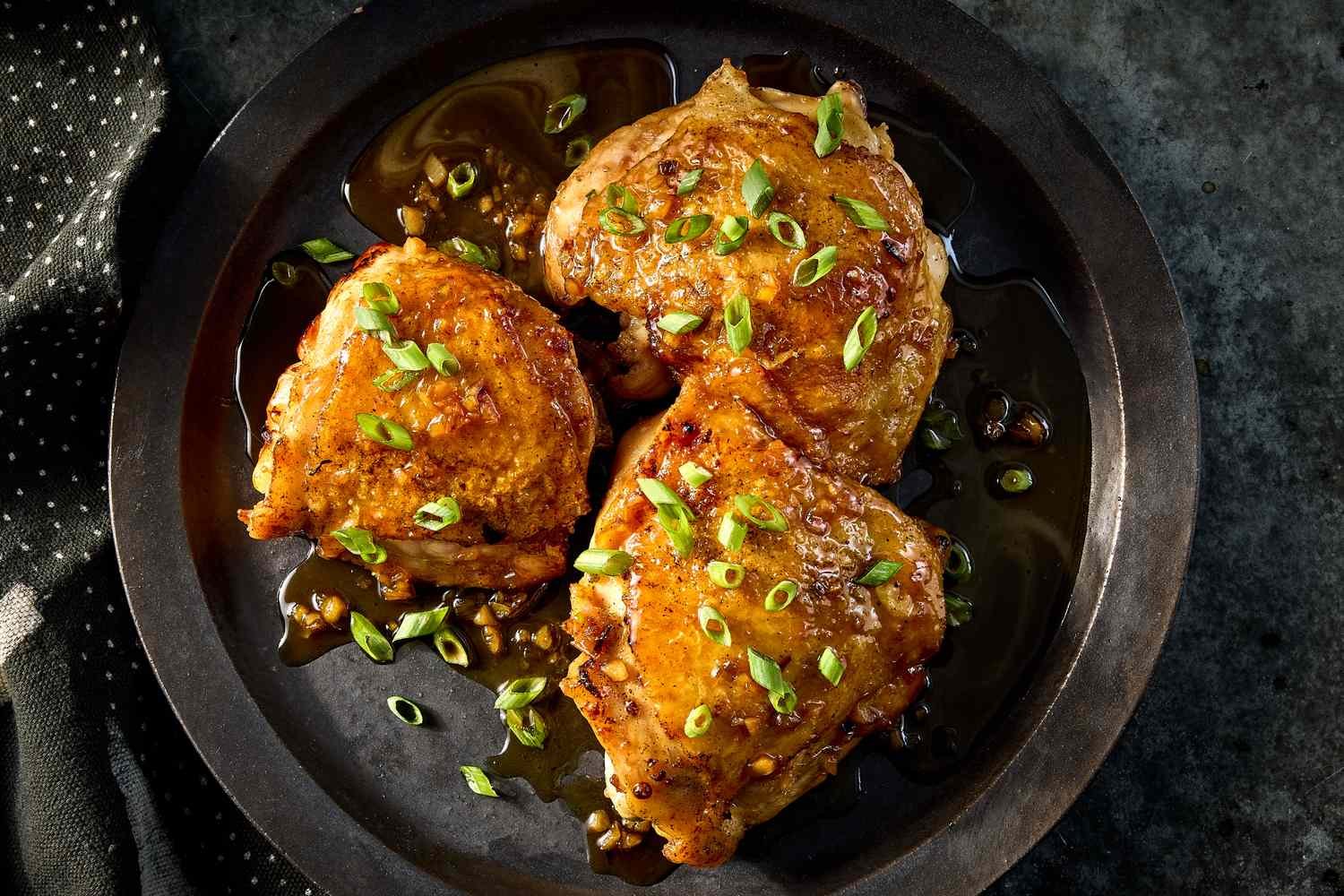
In this recipe, bone-in, skin-on chicken thighs are seared low and slow to render their fat and develop a deeply golden crust before gently simmering in a fragrant mixture of garlic, ginger, and scallions. The aromatics build a bright, savory backbone that keeps the sauce from becoming too heavy, while mirin adds subtle sweetness and lifts every browned bit from the pan. As the sauce reduces, shoyu and brown sugar work together to form a glossy lacquer that’s equal parts savory and comforting.
Finishing the pan sauce with cold butter is essential, not just for flavor but for texture. The butter emulsifies into the reduced shoyu mixture, creating a velvety glaze that gives the chicken its restaurant-level shine. This is a dish designed for simple sides: steamed rice to catch the extra sauce, a tangle of sautéed greens, or even quick-pickled vegetables to cut through the richness.
Shoyu versus soy sauce
While “soy sauce” is a broad category encompassing Chinese light and dark varieties, shoyu is a Japanese-style soy sauce that is traditionally brewed with soybeans, wheat, salt, and water. It has a balanced flavor that’s lighter, smoother, and more aromatic than many generic soy sauces, and typically has a more delicate salinity and a subtle sweetness from longer fermentation. Its rounder, umami-rich profile makes it especially well-suited for sauces, marinades, and dishes that benefit from gentle depth rather than assertive saltiness.
Can you use boneless, skinless chicken?
You can easily make this dish with boneless, skinless chicken thighs or breasts, but you’ll need to add extra oil to the pan since there’s no skin to render fat. Start with 1 to 2 tablespoons of neutral oil to ensure proper browning and prevent sticking. Boneless meat cooks faster, so keep an eye on doneness and reduce the simmering time as needed. The sauce will still cling beautifully, though you may lose some of the richness that rendered skin provides.
Notes from the Food & Wine Test Kitchen
- Browning the chicken thoroughly enhances the flavor of the sauce and keeps the meat juicy throughout simmering.
- Partially covering the pan allows the sauce to concentrate without over-reducing.
- Incorporating the butter gradually ensures a stable, glossy emulsion that won’t break.
Suggested pairing
A lightly chilled Gamay is an ideal match for the dish’s sweet-savory richness. Try Domaine Dupeuble Beaujolais, whose bright red fruit and subtle earthiness balance the butter and soy without overpowering the aromatics. Its lively acidity refreshes the palate between bites and complements the caramelized edges of the chicken. For beer lovers, a crisp Japanese lager such as Kirin Ichiban offers a similarly clean counterpoint.
This recipe was developed by Marianne Williams; the text was written by Breana Killeen.