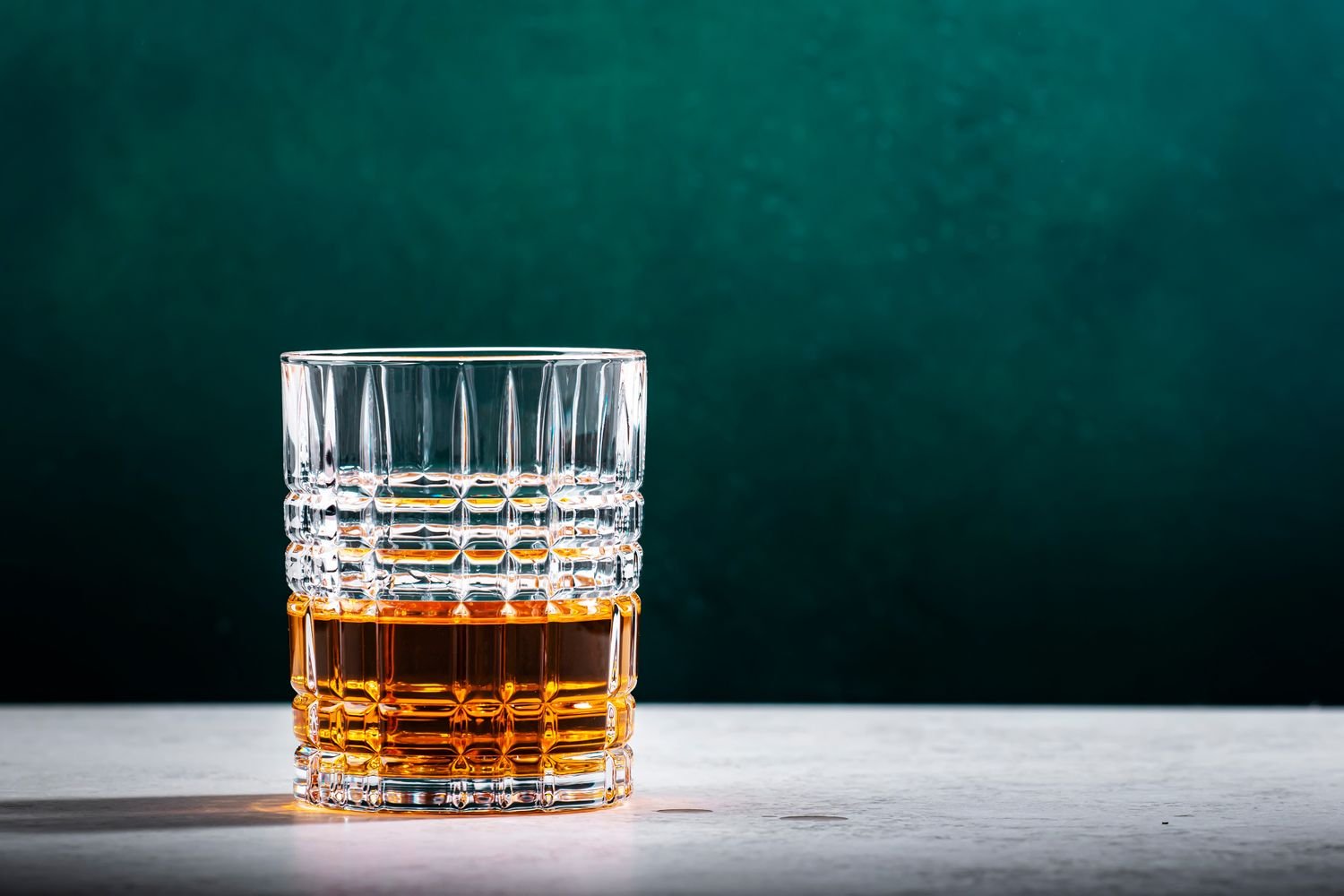
:max_bytes(150000):strip_icc():format(jpeg)/Japanese-Whisky-Explainer-FT-DGTL1225-0948aeeb2b614f82be1eaac45f882ee2.jpg)
Whiskeys hail from all over the world and cover dozens of categories, subcategories, and styles, from homegrown products like bourbon to others native to Scotland, Ireland, and India.
Over the past 15 years, Japanese whisky has experienced a meteoric rise and has become a massively successful category across Asia-Pacific and into the U.S. and Europe. The best bottles command high prices, aged stocks are hard to find, and more distilleries are popping up to meet the demand.
Compared to America’s whiskey scene, and especially its U.K. forebears, Japanese whisky is young. The first distillery, Suntory-owned Yamazaki, was established in 1923.
Japanese spirit, Scottish roots
“Japanese whisky was built on a foundation of Scottish technique, and you can still taste that lineage in the precision and restraint that define the category today,” says Dominic Dijkstra, director of mixology at Waldorf Astoria Osaka, where he oversees bars Canes & Tales and Peacock Alley.
Dominic Dijkstra, director of mixology, Waldorf Astoria Osaka
“There is a real emphasis on harmony, balance, and a meticulous attention to detail, whether that is in the selection of yeasts, the clarity of distillation, or the use of distinctive local cask types like mizunara.”
— Dominic Dijkstra, director of mixology, Waldorf Astoria Osaka
The central figure in Japanese whisky’s earliest days was Masataka Taketsuru. He studied distillation in Scotland before he joined Yamazaki to produce the country’s first whisky. Dijkstra says that Taketsuru brought back a deep respect for malt whisky traditions such as pot-still distillation, long fermentations, and a focus on elegant, complex maturation.
“What makes Japan unique now is how those Scottish fundamentals are interpreted through a Japanese lens,” says Dijkstra. “There is a real emphasis on harmony, balance, and a meticulous attention to detail, whether that is in the selection of yeasts, the clarity of distillation, or the use of distinctive local cask types like mizunara.”
Though its roots may trace to Scotland, the Japanese whisky market is diverse. In recent years, it exploded from just a couple of dozen distilleries to more than 100. The increase brought more consumers into the category, but it’s also put a spotlight on a product that has been loosely regulated for about a century.
What rules govern Japanese whisky?
In 2021, the Japan Spirits & Liqueurs Makers Association (JSLMA) adopted voluntary guidelines to define the category.
To be designated “Japanese whisky,” a product must use Japanese water and grain; all saccharification (the process in which starches from grains are broken down into fermentable sugars), fermentation, and distillation must occur at a distillery in Japan. It must be distilled to less than 95% ABV and aged in Japan in wooden casks of no more than 700 liters for a minimum of three years.
Bottling also must take place within the country, and spirits must be a minimum of 40% ABV. Just like scotch, caramel coloring is allowed to ensure consistency across batches.
There are more than 100 members in the JSLMA that include big brands like Suntory and Nikka. Those in compliance can affix a new JSLMA trademark logo to their bottles that guarantees Japanese provenance and adherence to the rules.
If a product does not meet one or more of these requirements, it cannot be labeled as Japanese whisky, says Jonathan Adler, beverage director of Shinji’s, a New York City bar with an extensive Japanese whisky selection. “There are several brands that have bottlings that might include whiskies blended from other countries, but these must be labeled as ‘world whisky.’”
The Highball’s perfect match
The highball — that simple mix of spirit and sparkling water — is popular in Japan and a great introduction to Japanese whisky. Sometimes, the cocktail is just a quick mix of whisky and flat soda from a gun, while at others it’s a meticulous exercise that pairs a certain whisky with specific bubbles, a complementary garnish, and hand-cut ice. Your favorite bar might even dispense highballs from a custom machine meant to replicate the perfect serve every time.
“Suntory Toki out of a highball machine is one of the most incredible highball experiences you can have,” says Jason Kosmas, beverage director for Hai Hospitality, the group behind concepts including Uchi and Loro. “The bubbles are exceptionally strong, and the result is so light and refreshing [that] it’s almost reminiscent of a reconstituted beer.”
Start with a highball, then pour yourself a glass of these bartender-recommended whiskies.
Japanese whiskies to try
Hibiki 21 Year Old
Food & Wine / House of Suntory
Dijkstra calls Hibiki 21 “a modern icon and arguably the benchmark for harmony in blended whisky.” He notes the way it layers delicate orchard fruit, sandalwood, and subtle mizunara spice with incredible finesse. “Every element feels perfectly placed, and the maturity never weighs it down. It is one of the most elegant examples of what long-aging and thoughtful blending can achieve in Japan.”
Sakurao Single Malt Sherry Cask
Food & Wine / Sakurao Distillery
Another Dijkstra favorite, Sakurao Single Malt Sherry Cask is “a more affordable bottle that still showcases real craftsmanship,” he says. It’s distilled on the Setouchi coast and balances rich sherry-cask depth with a clean, maritime brightness that makes it very approachable. “I enjoy it because it delivers a generous flavor profile without losing the sense of refinement that Japanese whisky is known for, making it a great everyday [drink] with character.”
Yoichi Single Malt
Food & Wine / Yoichi Distillery
Yoichi was founded in 1934, also by the pioneering Masataka Taketsuru, and falls under the Nikka portfolio. Yoichi Single Malt “is very much in the style of Campbeltown scotch with a slight peatiness underpinned by notes of caramel and baking spice,” says Adler. “It is a great entry point into Japanese whisky, and for me, I love the balance between smoke and sweet as well as the fact that it is easy to find.”
Chichibu 2023 U.S. Edition
Food & Wine / Chichibu Distillery
“Chichibu is one of the most exciting distilleries, in my opinion,” says Adler, who recommends this annual release for the U.S. market. Chichibu is run by Ichiro Akuto, grandson of Isoji Akuto, founder of the legendary Hanyu Distillery, so there’s a lot of experience and lineage driving the whisky. Adler says that this bottle is a blend of whiskies between four and seven years old. “The majority uses peated malt aged in different casks, including heavily toasted new French oak, mizunara hogsheads, quarter casks that previously held Chichibu Chibidaru single malt, and sherry casks.”
Yamazaki 12 Year
Food & Wine / House of Suntory
“For me, the perfect bottle of whisky is and has always been Yamazaki 12,” says Rob Scott, head bartender of Almanac in Philadelphia. He says it’s the epitome of Japanese whisky and a flagbearer for the style. “It is light, honeyed, and gentle, with a rich, deepness brought on from the mizunara that it is aged in. It’s the easiest way to get a friend or loved one to experience and [get] into the category of Japanese whisky. Because no matter where they go from there, they will always have the standard to set it to.”