:max_bytes(150000):strip_icc():format(jpeg)/Striped-Sugar-Cookies-FT-MAG-RECIPE-1225-a2f66b52db0144a2b5311779649a42c6.jpg)
- Buttery, tender dough bakes up crisp on the edges and soft in the center for the perfect texture and flavor balance.
- The technique of stacking different colors of dough produces a clean striped effect that looks impressive, but it’s easy to master.
- The hint of lemon zest and sparkling sanding sugar add brightness and texture that make these cookies stand out in any cookie tin.
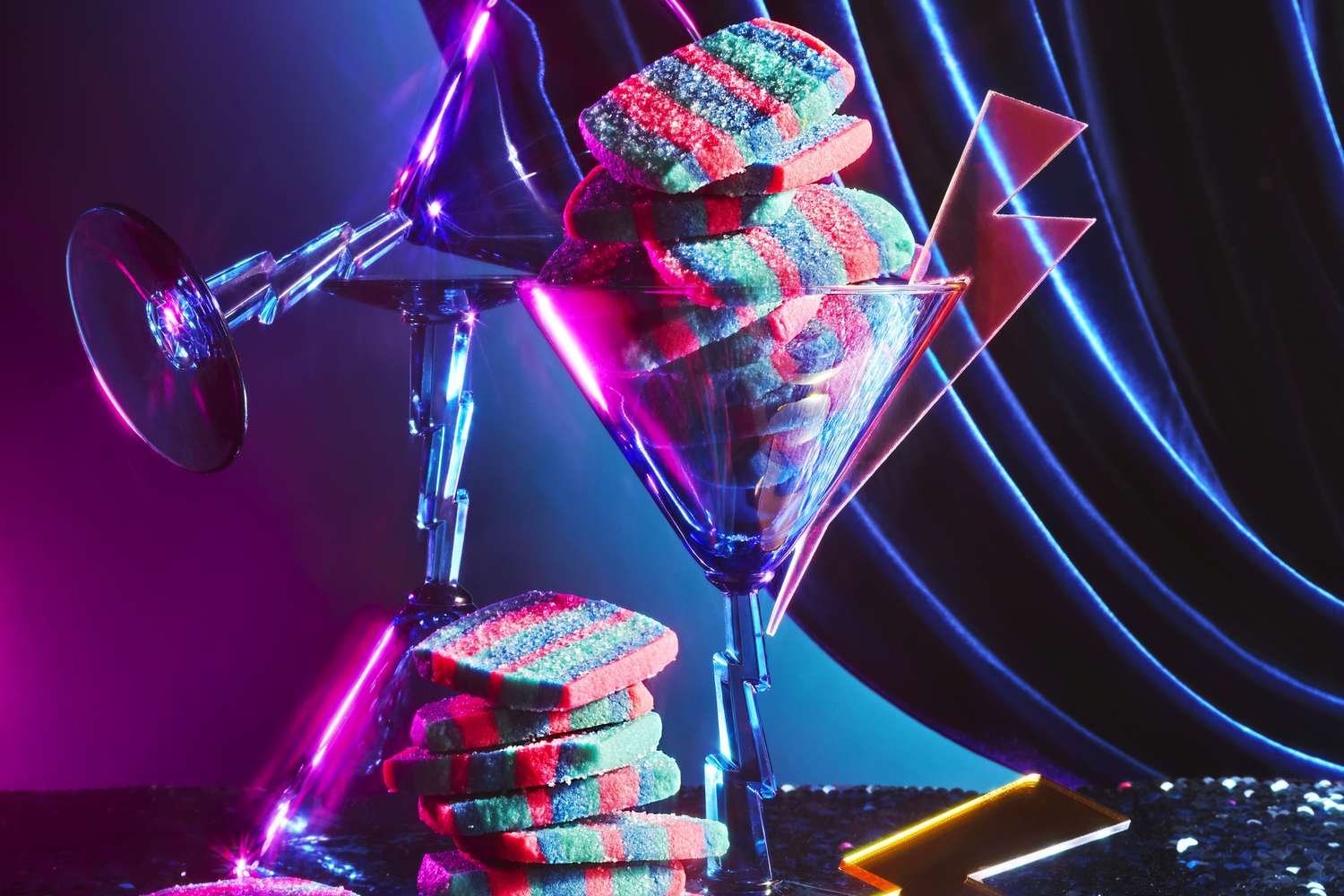
For a cookie that’s as striking to look at as it is delicious, Zoë François’ striped sugar cookies deliver playful color and buttery flavor in perfect proportion. Inspired by the slice-and-bake classics of the midcentury, François elevates the idea with precision layering, bright hues, and a dough that’s rich, fragrant, and easy to handle. A touch of lemon zest brightens the vanilla-forward flavor, while sanding sugar adds sparkle and crunch.
The beauty of this recipe lies in its process: Each batch of dough is divided, tinted with gel food coloring, rolled into rectangles, and stacked in alternating layers. After chilling, the firm block slices cleanly to reveal sharp, colorful stripes, no piping or decorating required. It’s a visually stunning cookie that feels joyful and modern but calls back to nostalgic holiday baking traditions.
Texture-wise, these cookies are a dream: tender and buttery inside with crisp edges that give way to a satisfying bite. They’re also wonderfully adaptable; swap colors to match any celebration, use citrus zest for a fragrant flair, or add a drizzle of royal icing for a touch of glamour. Whether nestled into a gift box or served at a cookie swap, these cheerful confections bring instant holiday magic.
What is food coloring gel?
Food coloring gel is a concentrated form of dye used to add vibrant color to frostings, batters, and doughs without changing their consistency. It’s thicker and more intense than liquid food coloring, so a small amount goes a long way. You can find gel food coloring in baking supply aisles at grocery stores, craft stores, and online retailers. Popular brands include Wilton, AmeriColor, and Chefmaster. If you prefer to avoid artificial colorings, try natural alternatives such as beet juice for red, turmeric for yellow, spinach or matcha powder for green, and butterfly pea flower or blueberry juice for blue.
Vanilla bean paste versus vanilla extract
Vanilla bean paste is a thick, syrupy mixture made from vanilla bean seeds and extract, giving it a rich flavor and visible specks. Vanilla extract is a liquid made by steeping vanilla beans in alcohol. Paste offers a more intense, aromatic taste, while extract blends easily into liquids.
Notes from the Food & Wine Test Kitchen
- Chill the dough thoroughly for at least two hours to get the easiest even stripes when slicing.
- Use gloves when mixing food coloring to avoid staining your hands.
- Cutting the cookies to a 1/4-inch thickness gives the ideal texture of crisp edges and tender centers.
This recipe was developed by Zoë François; the text was written by Breana Killeen.