:max_bytes(150000):strip_icc():format(jpeg)/Whiskey-Sour-FT-Recipe1225-6c9e6b0443a54a2d8d7adda92d05f69f.jpg)
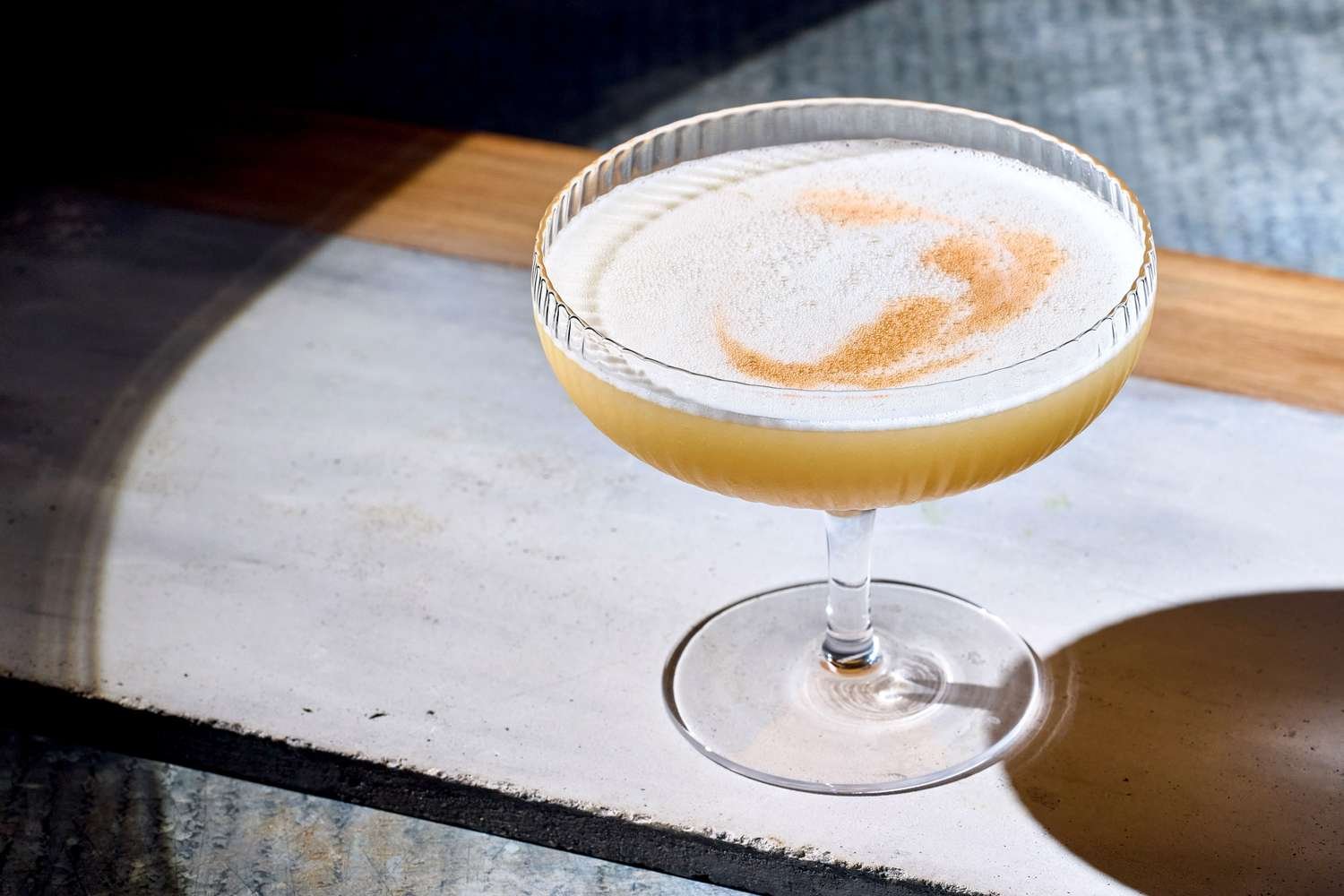
The Whiskey Sour, a combination of bourbon, lemon juice, simple syrup, egg white, and bitters, is among the most iconic drinks in the pantheon of classic cocktails and belongs in every bartender’s arsenal. The classic Whiskey Sour is a cocktail whose spirit–citrus–sugar structure traces back to mid-19th-century American bars. Like many cocktails of that era, the drink’s original creator is unknown, but the recipe was first printed in 1862 in Jerry Thomas’s The Bartender’s Guide — considered the first cocktail book — cementing its place among the earliest codified sours.
Originally built with egg white for texture, the Whiskey Sour evolved alongside American drinking culture. Many modern versions skip the protein, but the traditional preparation delivers a richer, silkier mouthfeel that nods to its Civil War–era roots. A dry shake aerates the mixture, turning the simple trinity into something plush and balanced.
Why the Whiskey Sour works
The Whiskey Sour exemplifies the spirit, citrus juice, and sweetener format of cocktails. Bourbon’s round, caramel-driven profile gives the Whiskey Sour weight, grounding the bright acidity so the drink never becomes sharp or thin. Mid-proof bourbon in particular offers enough structure to carry the citrus while remaining pliant in the shaker.
Lemon juice’s crisp acidity cuts through the bourbon’s richness. In the classic sour ratio, lemon provides a counterpoint to the bourbon, adding a clean brightness that makes the cocktail feel refreshing and alive.
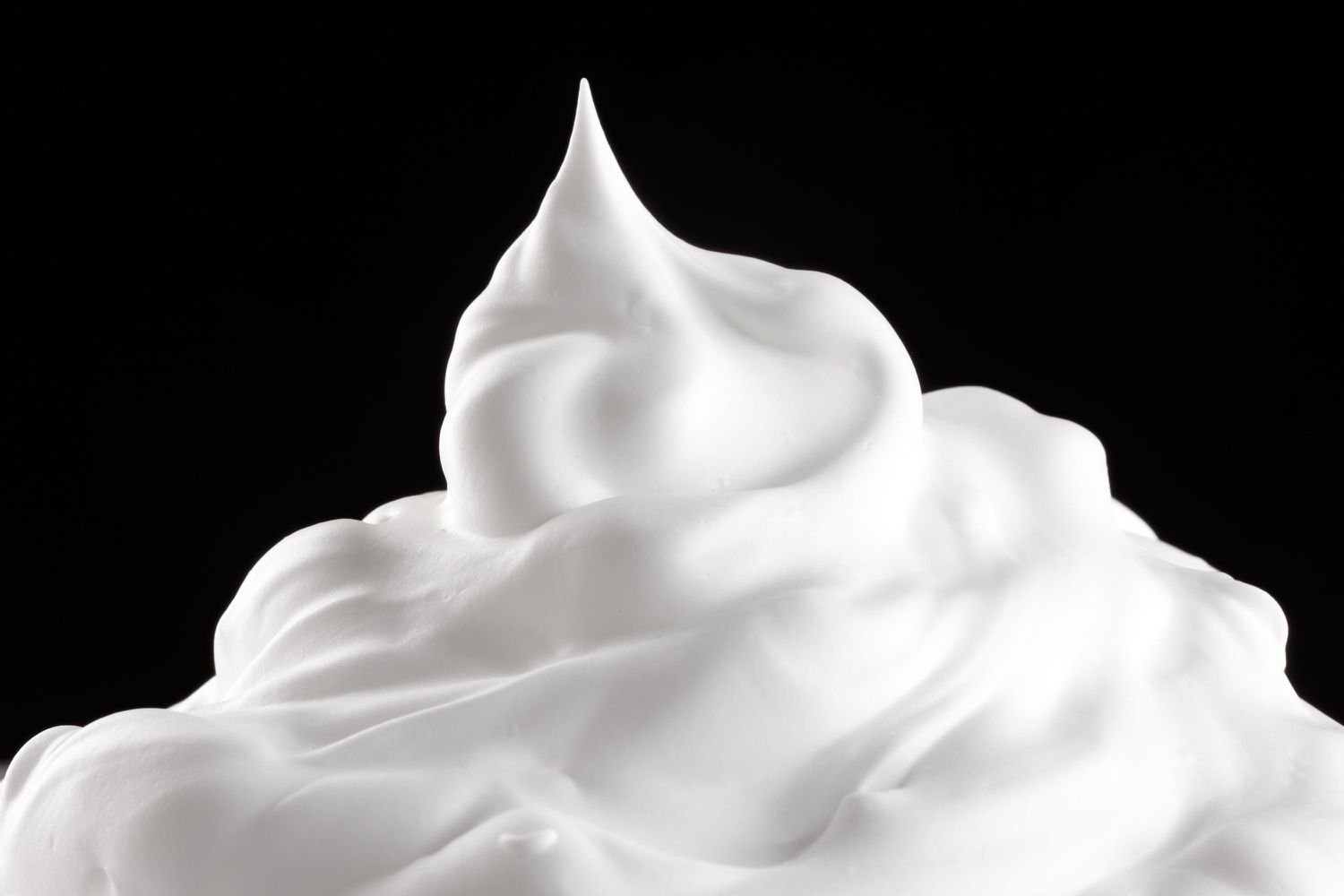
Simple syrup bridges spirit and citrus, moderating lemon’s bite while lifting bourbon’s softer notes. Egg white adds a different kind of balance: not sweetness, but texture. Aerated first through a dry shake without ice, it creates a velvety foam that rounds the edges of acid and alcohol, allowing the flavors to unfold more gradually. A final touch of bitters on top punctuates the drink with gentle spice and visual flourish.