:max_bytes(150000):strip_icc():format(jpeg)/toothpick-test-cake-4x3-52d6e80f2a284d1d9056156cf81d4210.jpg)
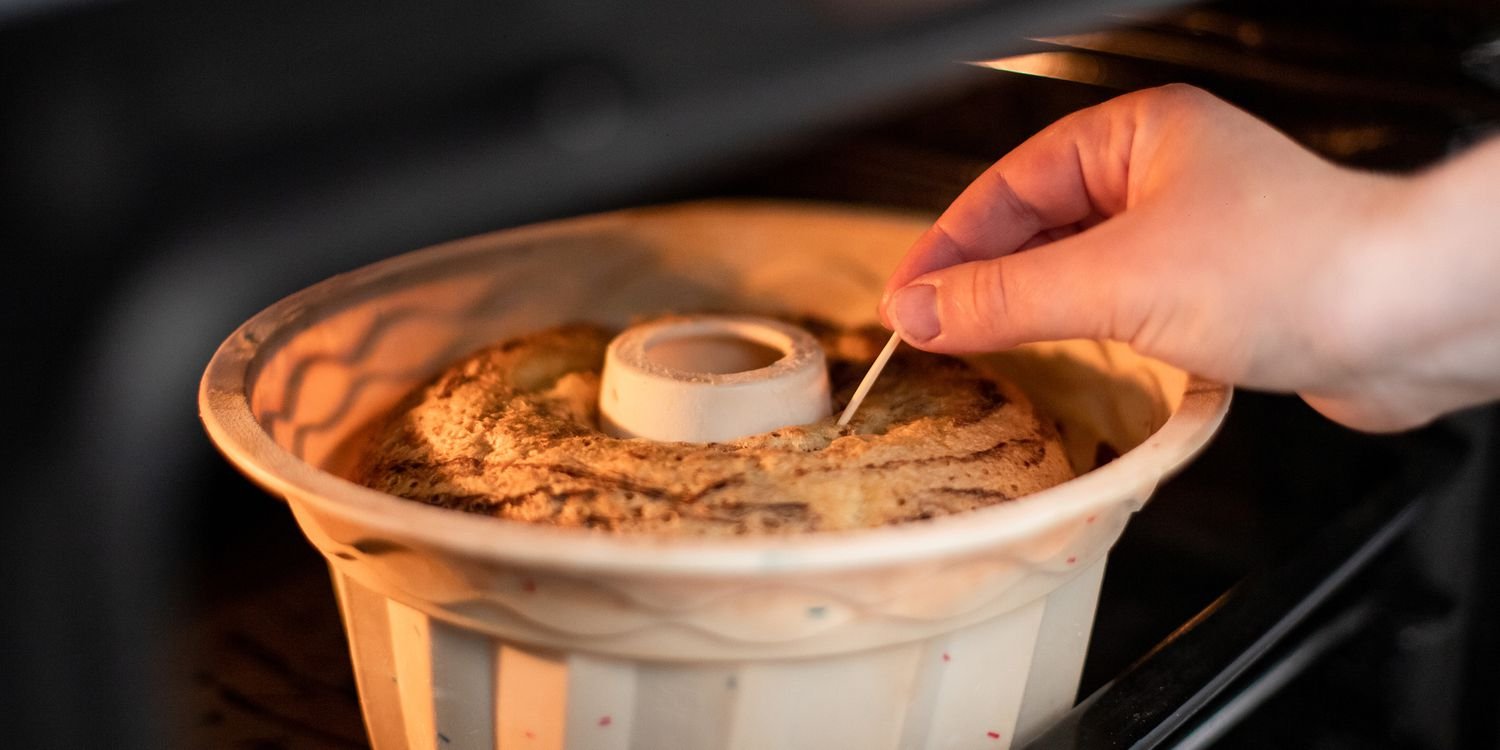
For most of us, the toothpick test has been a part of our baking vocabulary since day one. Your mom used it, your grandma used it, even the majority of cake recipes published today read, “Bake until a toothpick inserted in the center comes out clean.”
So, it might come as a rude awakening (as it did for our editorial staff) to learn from a professional chef that the toothpick test is far from foolproof. In fact, it could even be ruining your cakes. Here’s why.
Why You Shouldn’t Use a Toothpick To Test Cakes
Getty Images
“Oftentimes, people say if the toothpick comes out clean, it’s fully baked,” chef Roice Bethel shares in a viral TikTok video. “Well, that’s correct, but it’s technically over-baked.”
When the crumb is dry enough that it won’t stick to a toothpick or wooden skewer, that’s an indication of exactly what the cake’s final texture will be: dry. Get ready for a quick (but oh-so handy) food science lesson.
“In order for the toothpick to come out clean,” Bethel continues, “the temperature of the cake needs to reach 212 degrees F. This is also the point that water evaporates and turns into a gas, meaning that all the moisture is leaving your cake and turning it really, really dry.”
Luckily, the solution to this problem is a simple fix, and it doesn’t even require an extra step. Here’s the number one tip to keeping a cake spongey, soft, and above all, moist (because once it goes dry, it’s never coming back.)
The Best Way To Tell a Cake Is Baked, According to a Chef
Okay, so, what should you do instead? Get just a little more precise. The ideal internal temperature of a fully baked cake is between 200 and 210 degrees F (205 degrees F is a good middle ground).
However, even when a cake is fully baked to 205 degrees F, an inserted toothpick won’t come out totally clean. This is even more true for certain cakes, because different cakes have different structures. Just think of the batter of a fudgy chocolate cake versus that of a light angel food cake.
At 205 degrees F, one might get the impression the cake needs to keep cooking for at least another 2-3 minutes. But that’s where things go wrong. A toothpick inserted into a textbook cooked cake will look slightly greasy with a few moist crumbs sticking to it—not gooey and not bone-dry.
Between 200 and 210 degrees, the chemical reactions have finished, the riskier ingredients are safe for consumption, and the cake structure is totally set. Keep in mind that the cake is still full of residual heat, which will continue to gradually bake the cake as it cools.
So, to get the perfect bake, all you have to do is forgo the toothpick in favor of a food thermometer. Insert it halfway through the center of the cake (avoid hitting the bottom of the pan), and once it reaches that 10-degree window, it’s time to come out of the oven.
You wouldn’t just eyeball a pork tenderloin or a roast chicken, so why depend on sight alone for your cakes? With just a small range of degrees standing between done and overdone, it’s important to get a bit technical if you want a wow-worthy result.
DOTDASH MEREDITH FOOD STUDIOS
More Tricks To Test if a Cake Is Fully Baked
If you’re in a pinch and don’t have a food thermometer handy, there are several other baking tricks that go beyond a toothpick. Time to rely on your good old-fashioned senses. Here are three tried-and-true tips for knowing a cake is fully baked:
- Watch for the edges of the cake to pull away ever so slightly from the pan, shrinking inward toward the center of the cake.
- Trust your nose! A baked cake will send delicious smells (primarily of butter and sugar) wafting through the house. As soon as someone walks in the kitchen and says, “It smells amazing in here,” it’s time to check on the oven.
- If the cake springs back when you press on it lightly, that’s a good sign the cake is cooked through.
Cake baking is not just a skill, it’s a science, and when you only have one chance to get the cake right—whether it’s for a birthday, holiday, or dinner with the in-laws—you can’t afford to risk messing it up. Use this chef-approved tip to make a cake so melt-in-your-mouth good, you can skip the frosting altogether.