:max_bytes(150000):strip_icc():format(jpeg)/Bacon-Cheddar-Sheet-Pan-Biscuits-FT-MAG-1125-02-bb5e94c3aad3455fa0411186cd3bcf42.jpg)
- A speedy drop biscuit method calls for pressing the dough into one pan, so you can skip rolling and cutting yet still serve neat, tall squares.
- Smoky bacon, sharp cheddar, fresh chives, and a touch of honey mingle for an irresistible sweet-and-savory lift that suits holiday feasts or a cozy brunch.
- Buttermilk, cold butter, and both baking soda and baking powder create a crisp, golden crust and pillowy interior, and the dough can be made ahead for stress-free entertaining.
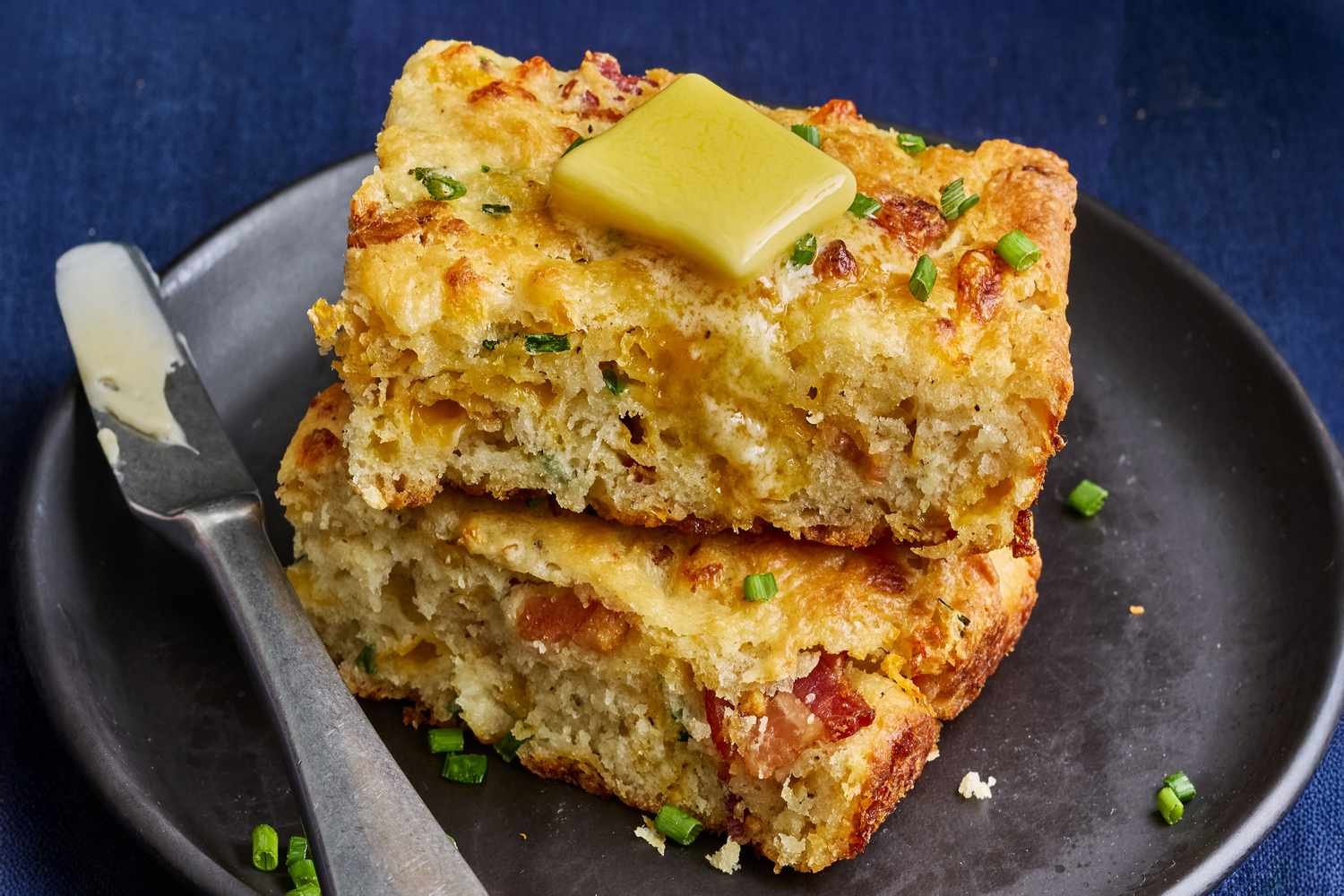
There’s something undeniably festive about a biscuit. These bacon-cheddar biscuits take that classic comfort and turn it into something unforgettable. Instead of traditional layered biscuits, this recipe uses a drop biscuit method, pressing the dough directly into the pan and scoring before baking. The result is a giant slab of biscuit that bakes up beautifully golden on top, then cuts neatly into shareable squares.
What makes these biscuits shine is their balance of rich and savory flavors. Crisp, smoky bacon is folded into a dough flecked with sharp cheddar and fresh chives. A touch of honey adds subtle sweetness, while buttermilk and cold butter give the biscuits their trademark lift and tenderness. The biscuits’ texture hits all the right notes: crispy on the outside, soft and pillowy within.
Perfect for Thanksgiving or any holiday feast, these biscuits are designed for ease and crowd-pleasing appeal. Since the dough is pressed into the pan rather than rolled and cut, you’ll save time while still delivering impressive results. They’re equally at home alongside a roast turkey, a hearty stew, or simply served warm with butter at brunch.
What is the difference between baking powder and baking soda?
Baking powder and baking soda may seem similar, but they serve different roles in biscuits. Baking soda is pure sodium bicarbonate, which needs an acid (like buttermilk) to activate it and create lift.
Baking powder, on the other hand, already contains both an acid and a base, providing additional leavening power.
Using both ensures biscuits rise high, as the soda reacts quickly with the buttermilk in the recipe, while baking powder provides sustained lift in the oven.
No buttermilk?
The best buttermilk substitution depends on what you’re making. For baking, the classic substitute is milk plus lemon juice or vinegar, which curdles to mimic buttermilk’s acidity. Plain yogurt or sour cream thinned with milk also works beautifully, adding tang and richness. For a closer match in both flavor and texture, kefir is ideal.
If you need to go dairy-free, soy or oat milk soured with lemon juice delivers reliable results, keeping baked goods tender and flavorful.
Notes from the Food & Wine Test Kitchen
- We test with Diamond Crystal kosher salt, which has larger flakes of salt and is less salty per teaspoon. If using Morton’s kosher salt, reduce the salt to 2 teaspoons.
- If you don’t have bacon, any type of ham or sausage will work. Or, if you’d like to keep these biscuits vegetarian, omit the meat altogether.
- Sliced scallions can be used in place of the chives.