Ever wondered what professional chefs really avoid when dining out? After spending years perfecting dishes and understanding restaurant operations from the inside, these culinary experts have developed strong opinions about which menu items you should skip. Their insights might surprise you, considering some of these are classic comfort foods that many diners order regularly.
From overpriced basics to potential food safety concerns, chefs know which dishes often disappoint or simply don’t offer value for money. Let’s explore the seven menu items that industry professionals consistently avoid ordering when they’re not in their own kitchens.
Soup of the Day
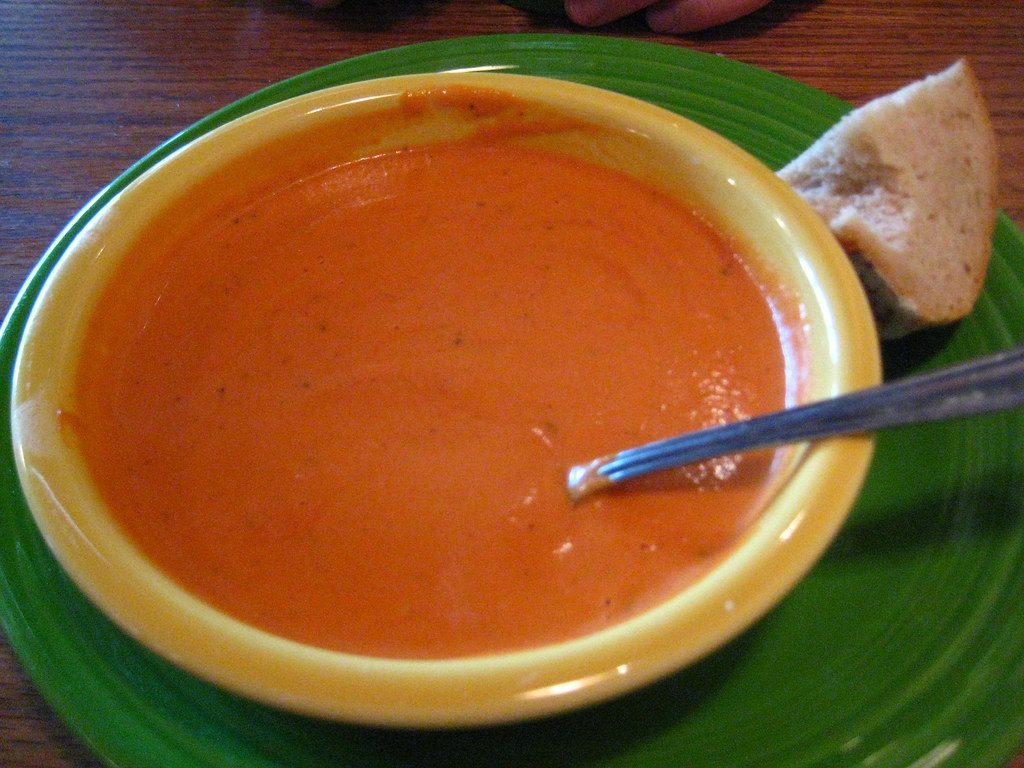
Renowned chef Gordon Ramsay and many industry professionals steer clear of the soup of the day, citing concerns about freshness and ingredient quality. Chef Jon Davis from City Grocery in Oxford, Mississippi, explains his reasoning: “Was it really made today? How long has it been in the steam well? Did the prep cook cool it down properly? It’s a crap shoot I’m not willing to take.”
The reality is that restaurants often serve their soup of the day several days in a row as a way to decrease food waste, which can result in you ordering a fairly expensive dish that’s neither special nor fresh. Gordon Ramsay recommends asking your waiter what the soup was yesterday, as their answer can reveal how fresh the daily soup actually is.
Jack Stein, Rick Stein Restaurants’ chef director, shares this sentiment, noting that restaurant soups often lack vibrancy and lean too heavily into saltiness to give them flavor. Many chefs view soup as a potential dumping ground for leftover ingredients that the kitchen needs to use up quickly.
Chicken Breast
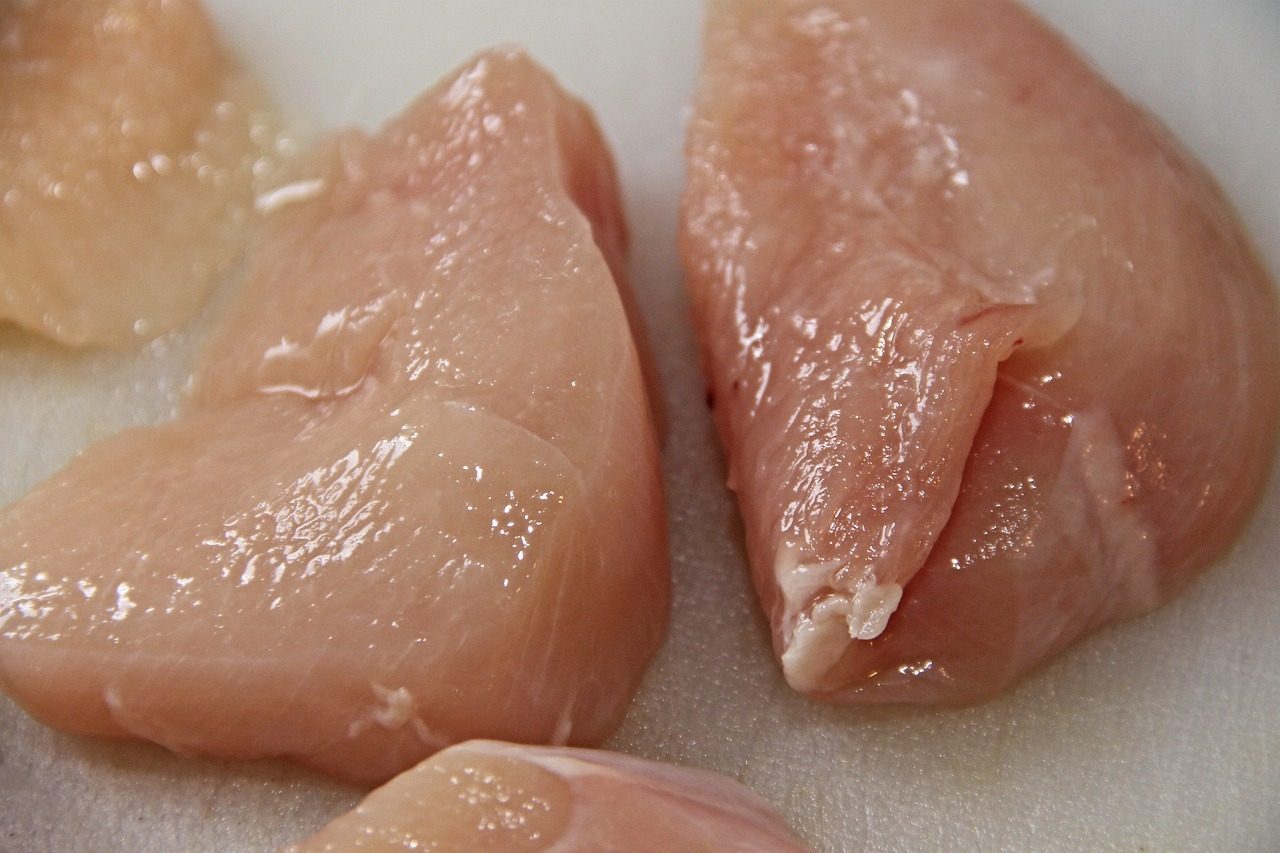
Surprisingly, many chefs refuse to order chicken when dining out, and the reason is simple: it often disappoints. Ryan Ososky, executive chef of The Church Key in West Hollywood, confides that he will “order almost anything when I go out – but never chicken because it tends to be overcooked at most restaurants.”
Chef Luke Shaffer from the Auguste Escoffier School of Culinary Arts also avoids chicken breast, noting that “the odds aren’t in your favor when ordering chicken at a restaurant, as it may just come out ‘sawdust dry.’” Most of the time, diners receive a plate of protein that’s dry, handled poorly, totally tasteless, and just plain boring, as even Anthony Bourdain once warned.
According to the Food Network’s research, chefs avoid ordering chicken in restaurants for multiple reasons, including overinflated pricing and lack of originality. The bird receives a high markup in restaurants and is often no better than what the chefs could make themselves at home.
Margherita Pizza
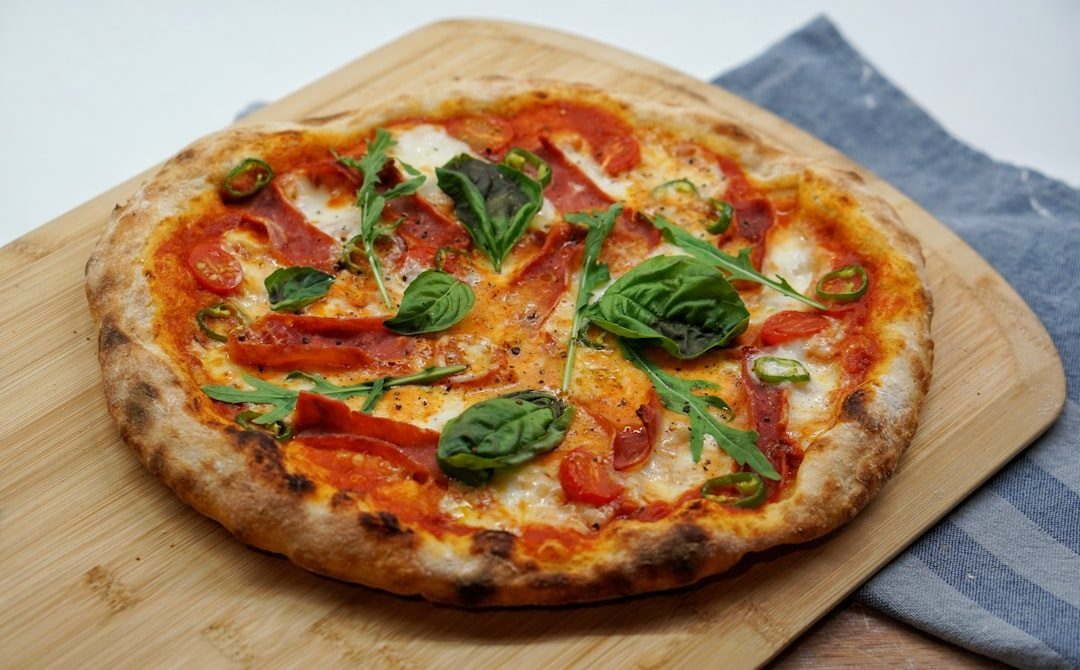
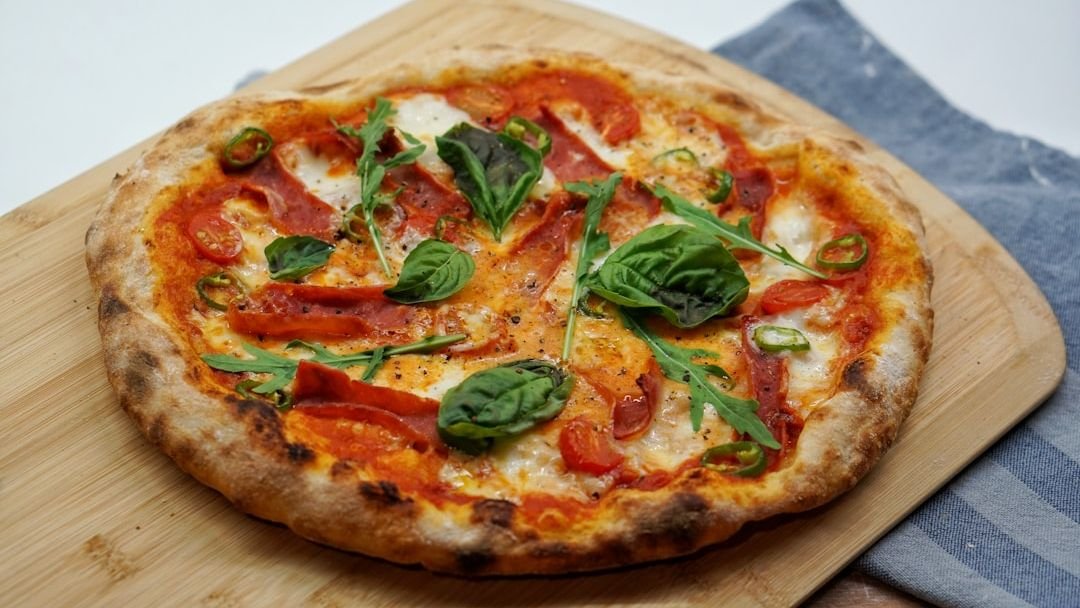
Chef Julia Helton strongly advises against ordering margherita pizza, telling Business Insider to “Stop paying for this dish. It’s just dough, a little sauce, a few pieces of basil, and part of a log of mozzarella. You’re paying $12 minimum for a dish that costs $1 to make.”
Unless you’re at a restaurant that spends top dollar on ingredients, you’re falling prey to an obscene markup, something Helton knows from her experience as an executive chef at an Italian restaurant. Instead of ordering the basic margherita, she suggests choosing pizzas with ingredients you can’t get anywhere else or unique topping combinations.
While margherita pizzas can be excellent at good pizza restaurants, allowing quality ingredients to shine through, they become poor value propositions at establishments that don’t invest in premium components.
House Salad
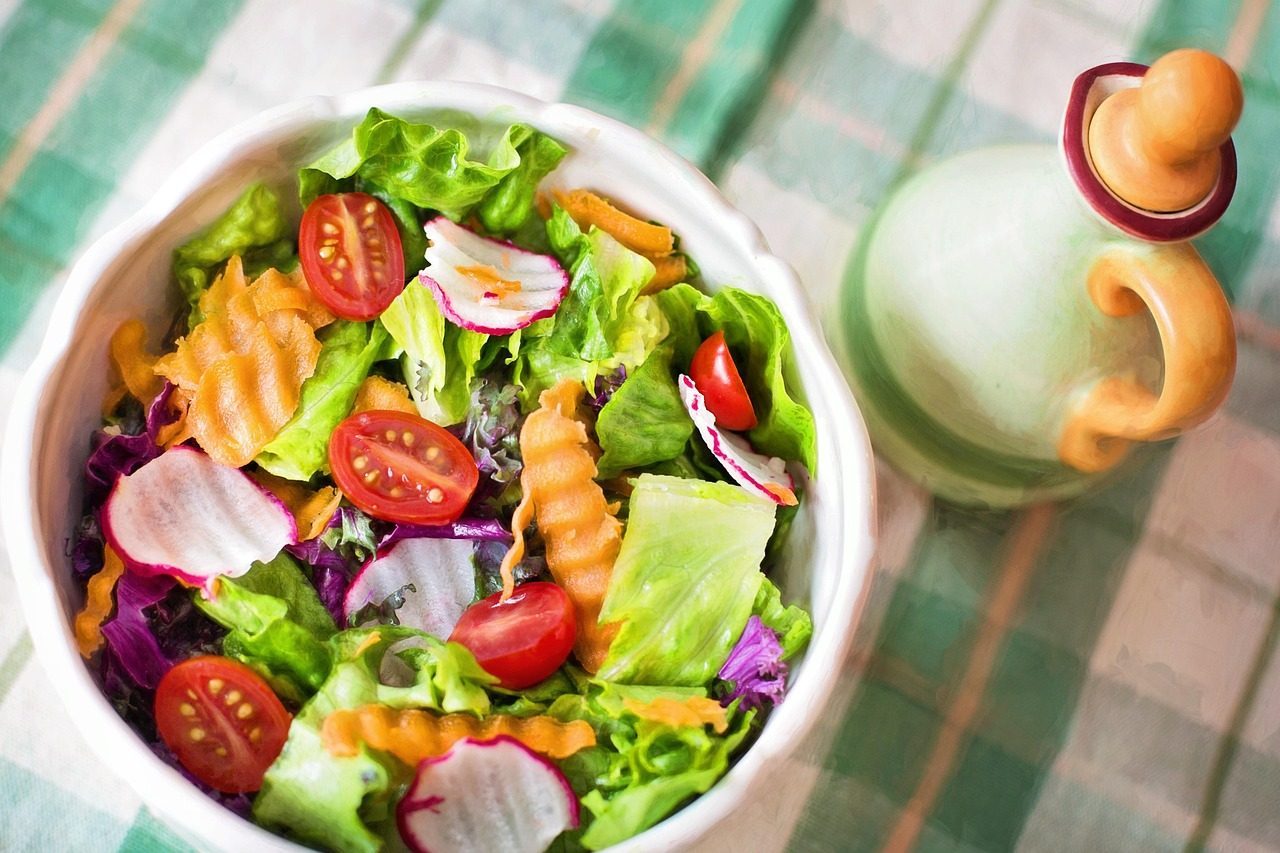
Chef Suhum Jang, co-owner and managing partner of Hortus NYC, personally avoids ordering house salads and generally steers clear of restaurant salads overall. His reasoning is concerning: “I’ve seen restaurants repurpose leftover scraps from other dishes as salad ingredients, which is off-putting. Additionally, the base greens aren’t always fresh, and heavy dressings are often used to mask this lack of quality.”
Kayson Chong, executive chef of The Venue in Los Angeles, explains his avoidance: “I prefer to have something special that a chef created with seasonal products and interesting combinations. I like experiencing new and exciting things to eat when I go to other restaurants, not something I can find easily anywhere.”
The simple reality is that when it’s so easy to make a great salad at home, ordering one when you’re splurging on a nice meal seems wasteful. Food safety expert Bill Marler has expressed serious concerns about contamination risks with pre-washed salads and raw leafy greens, highlighting with raw salad leaves.
Well-Done Steak

According to Anthony Bourdain’s writing, chefs have a tradition called “save for well-done,” meaning meat that they would otherwise throw out is saved for customers who order their cut well-done, as overcooking can disguise toughness, bad smells, or other unsavory elements.
Executive chef Eric Mickle warns specifically against ordering Wagyu well-done, explaining that “the fat content is what makes a Wagyu a Wagyu, and by overcooking that piece of beef, you are just rendering all of that beautiful flavorful fat out.” This principle applies to most steaks, which remain juicier, more flavorful, and more tender when not cooked through.
Chefs recommend avoiding steaks that are curiously cheap or over-sauced, as Grant Morgan from Hotel Drover explains that “most of the time, a cheap steak is lower USDA-grade meat.” Too much sauce is often used to cover up lower quality beef and hide the inherent flavor of higher quality cuts.
Anything with “Truffle” in the Name
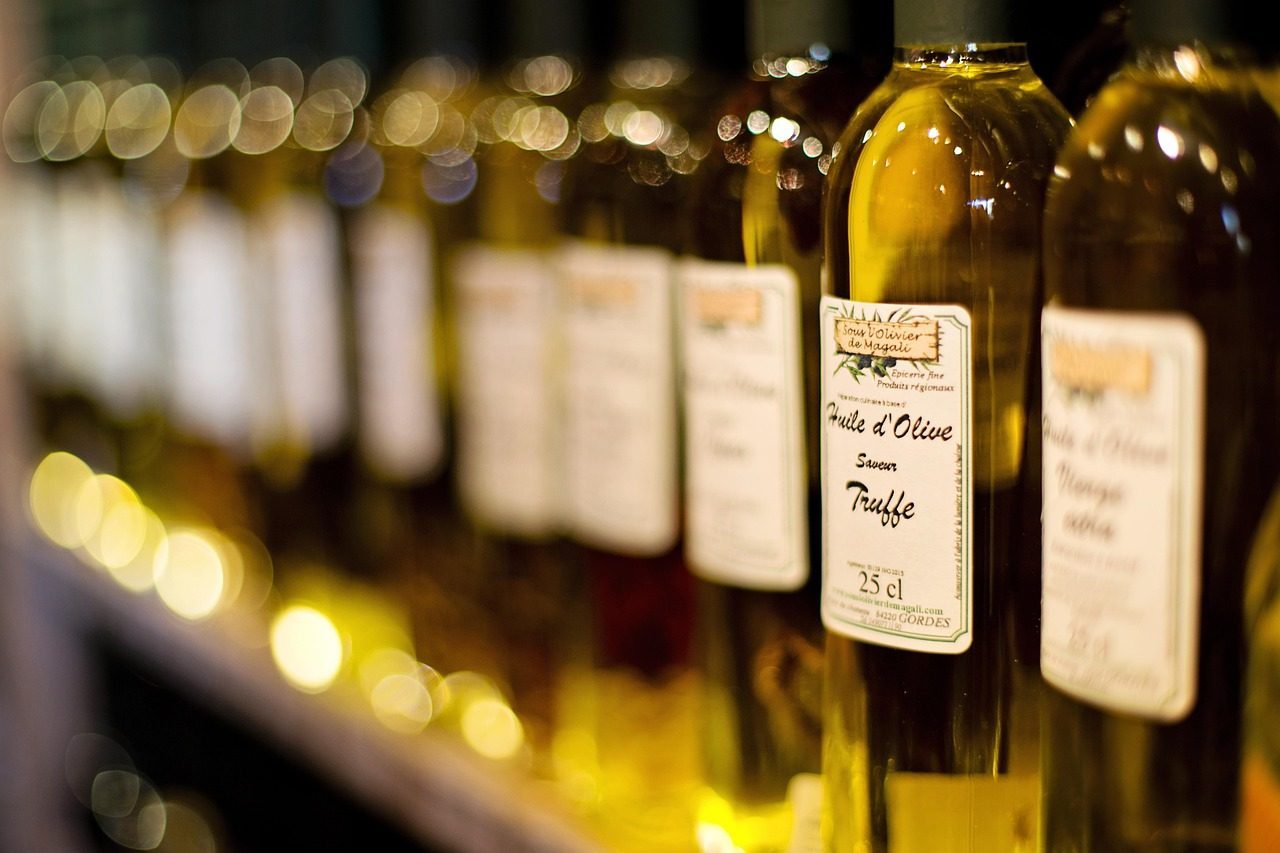
Saura Kline, pastry chef at Local Jones in Denver’s Halcyon Hotel, advises strongly: “Never order anything that has the word ‘truffle’ in it. Unless you’re at a high-class fine-dining restaurant, this usually means truffle oil, which is very rarely made with actual truffles.”
Anthony Bourdain was equally critical, calling truffle oil “dreadful” and criticizing its artificial nature, noting that the product doesn’t contain real truffles or even natural truffle aroma. The ingredient tends to be used aggressively and immediately increases the price of any dish, regardless of its actual quality.
Most truffle oil uses synthetic truffle flavoring rather than real truffles, meaning you’re paying a premium for a fake luxury ingredient. This represents one of the most common ways restaurants inflate prices without delivering genuine value.
Risotto
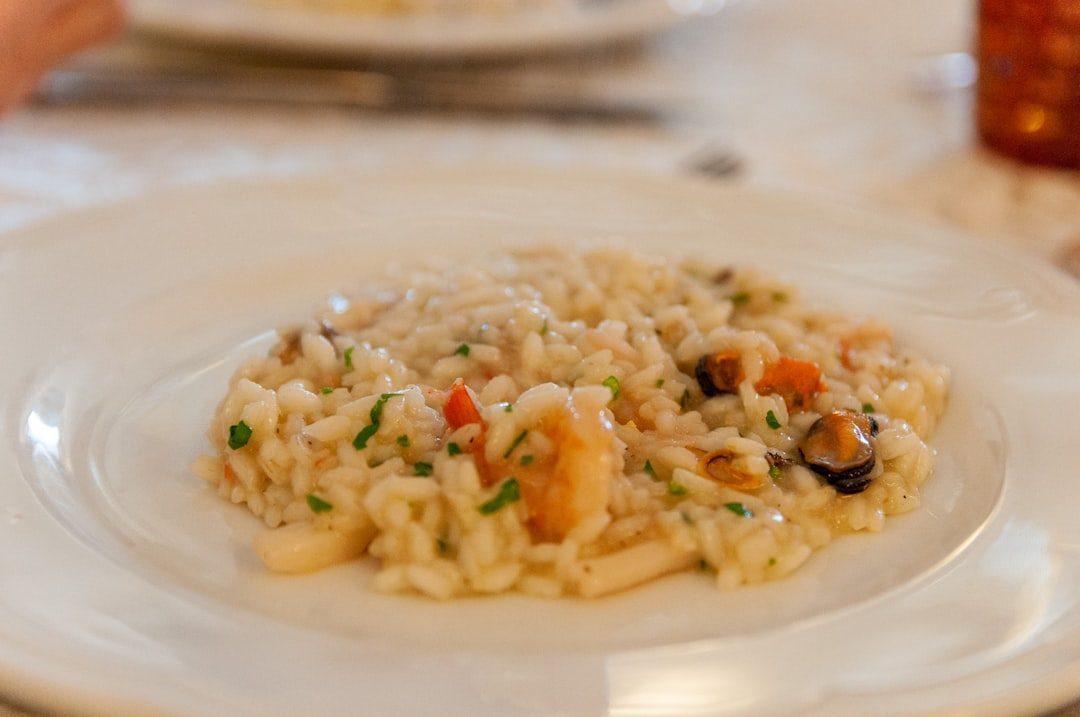
Brian Motyka, executive chef of Longman & Eagle in Chicago, states firmly: “For me personally, the number one main dish I never order at a restaurant is any sort of risotto. Most of the time risottos are pre-cooked, heated up, finished with cream (which is a big no), and then over-cooked beyond the al dente texture that you’re looking for.”
The chef explains that proper risotto should be cooked to order, finished with butter and parmesan, with a consistency that’s luscious and meltingly rich. However, finding a restaurant that actually cooks their rice to order is rare, making most restaurant risottos disappointing versions of the authentic dish.
Like other dishes that rely on cream to mask poor preparation, risotto often becomes an easy way for restaurants to cut corners while charging premium prices.
Professional chefs’ dining choices reflect their deep understanding of restaurant operations and food quality standards. Their avoidance of these seven menu items stems from real concerns about value, freshness, and authenticity. The next time you’re scanning a menu, consider following their lead and choosing dishes that showcase a restaurant’s actual specialties rather than these potentially disappointing options. What would you think twice about ordering after learning these industry secrets?