:max_bytes(150000):strip_icc():format(jpeg)/This-Is-the-Best-Potato-for-Mashed-Potatoes-FT-DGTL1125-Hero-596b75015ab0434baee9afbd2b12271e.jpg)
- Use russet potatoes if you prefer mashed potatoes with a traditional fluffy texture that easily absorb additions like butter.
- Opt for Yukon Gold potatoes if you want creamier mashed potatoes and an attractive yellow hue.
- Avoid potatoes that are high in moisture such as Red Bliss or fingerling potatoes, which can cause gumminess and waterlogging.
Sure, you can technically make mashed potatoes with any of the abundant potato varieties available at most grocery stores. And you’d be forgiven for thinking the results would be the same. After all, most recipes call for adding a healthy amount of butter, cream, milk, and/or sour cream to gently boiled potatoes. Does the variety of potato really make a difference with all those additions?
As it turns out, yes. We reached out to a handful of chefs to get their opinions on which spuds make the best mashed potatoes, and they fell into two camps: russet and Yukon Gold. Here’s what to know before you break out your ricer or masher.
The best qualities for mashed potatoes
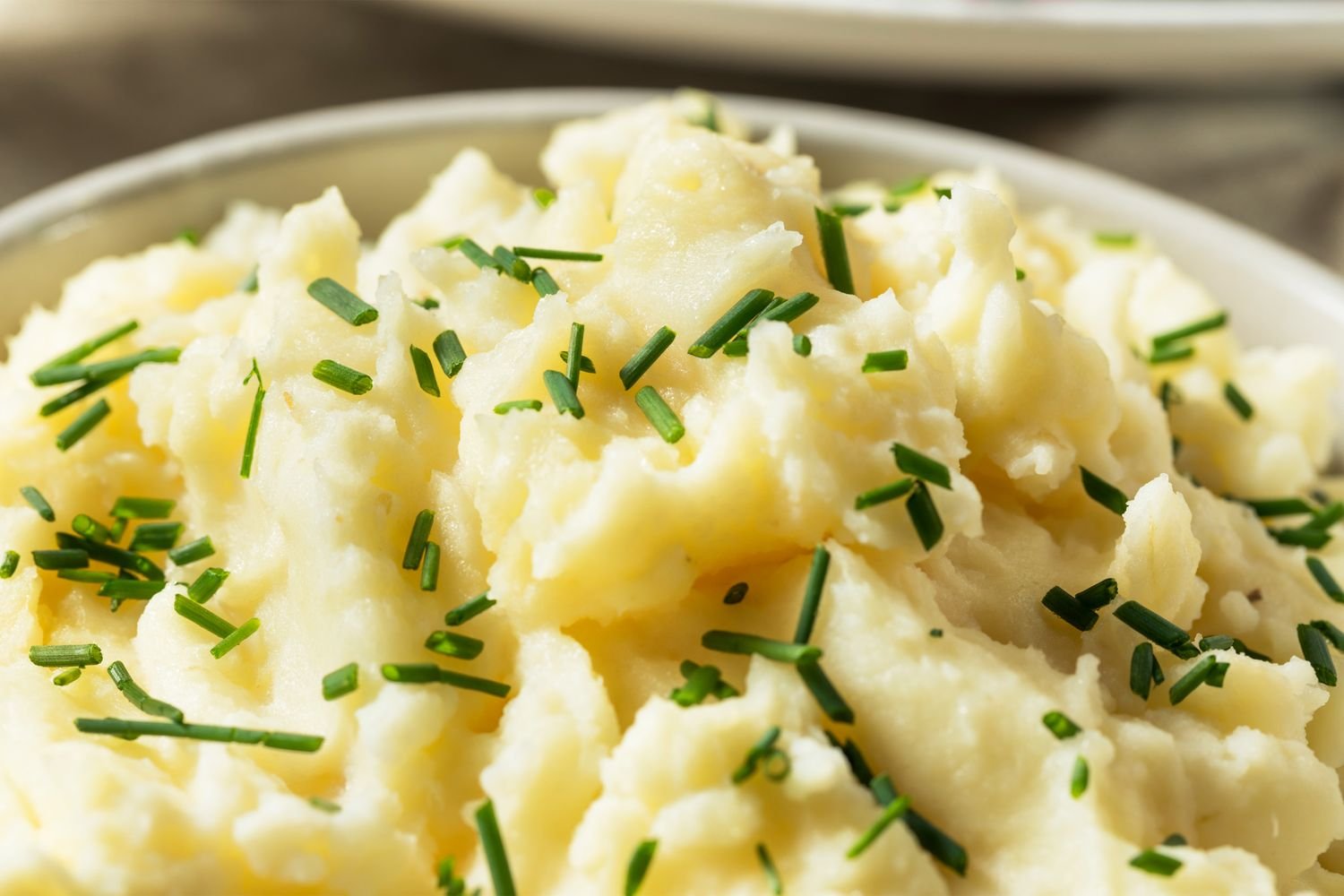
When we’re talking about classic mashed potatoes, we want a texture that’s creamy and rich yet light and fluffy. The spuds should be well-seasoned, buttery, earthy, and essentially a sponge for dairy additions like cream or milk. They shouldn’t be gritty, watery, or gummy — all signs of either using the wrong variety, overcooking, undercooking, or overworking the potatoes.
That means the potatoes should not be waxy or naturally watery. Such potatoes, like Red Bliss, fingerling, and new potatoes, have a low starch content and high moisture content, meaning they retain much of their moisture and even shape when cooked. These varieties are better suited for soups, stews, or salads.
On the other end of the spud spectrum are starchy, low-moisture potatoes like russets. When cooked, they tend to fall apart easily. Because of the lower moisture and higher starch content, they’re quite absorbent of butter or milk, plus their texture is fluffier and less watery.
So now that we’ve covered what to look for in mashing potatoes, here are the two types that chefs love most — and which you should pick depending on your potato preference.
The case for using russet potatoes
Food & Wine / Getty Images
Also known as Idaho potatoes, russets are oblong brown potatoes with white flesh. “As chefs, we love russet potatoes for mashed because of their high starch and low moisture content,” says Bill Taibe, chef-partner at Kawa Ni in Westport, Connecticut. “That balance gives you a fluffy, cloud-like texture when you whip or mash them — you’re never fighting that gummy, gluey texture you can get from waxier potatoes.”
Justin Freeman, chef of Somebody People in Denver, agrees. “I’m a big fan of russet potatoes for my mashed potatoes, because when done right, they’re able to get creamy and fluffy, and their sweet, earthy flavor brings back a lot of nostalgia for me,” he says. “When a classic mashed potato is done right, it’s hard to beat.”
That high starch, low moisture combo is why Andrew Black, chief culinary officer for Counter Service in New York City, also likes to use russets for mashed potatoes. These potatoes, in particular, are ideal for incorporating a lot of fat, he says.
Our favorite russet recipes
Pro tips
- Be sure the potatoes are fully cooked before mashing, says Harrison Porter, executive chef and co-owner of BearLeek in Denver. This may seem quite obvious, but if the spuds are undercooked the mash will have a lumpy, uneven texture, he explains.
- There are a variety of cooking methods you can use, but most chefs recommend starting peeled potatoes in a pot of cold water. Taibe explains his process: “Cut russets evenly. The pieces should be the size of a golf ball. Cover with cold, salted water, and bring them up slowly. This cooks the starches gently and evenly.”
- You can also bake the potatoes instead. Porter says he rubs potatoes in oil and salt, which helps release excess moisture. Once they’re fully baked, he scoops out the insides and runs them through a ricer.
The case for using Yukon Gold potatoes
Food & Wine / Getty Images
Developed in Ontario, Canada, in the 1960s, Yukon Gold potatoes are a cross between a North American white potato and South American yellow potato. With a more moderate moisture level compared to russets, Yukon Golds have a naturally creamy texture and buttery richness. When used for mashed potatoes, they offer a smooth, rich texture and slightly sweet flavor compared to russets’ lighter, fluffier texture and dryness. For some chefs, Yukon Gold is the desired spud for the best mash.
“Using Yukon Gold potatoes adds a deeper flavor and naturally creamy texture along with a beautiful blonde hue,” says Black.
“When it comes to mashed, I want creamy and rich, and that’s exactly what Yukon Golds give you naturally,” says Joe Nierstedt, co-owner and chef of Katsubo in Charleston, South Carolina. “They’ve got that buttery flavor and velvety texture built in.”
Our favorite Yukon Gold recipes
Pro tips
- However you cook the potatoes, chefs recommend heating the milk or cream before adding to the potatoes. This keeps the mash hot but also reduces the chances of overmixing and creating a gummy texture. The butter, however, may be added cold or room temperature, piece by piece.
- To actually mix the ingredients into a cohesive mash, you have several options. At home you can simply use a potato masher and spatula, but for bigger batches you can turn to kitchen equipment. “I like to mix the potatoes with the paddle attachment of the stand mixer to make sure everything is mixed well together but keeping some texture,” says Sam Levenfeld, executive chef of Laser Wolf, K’Far, and Jaffa Cocktail & Raw Bar at The Hoxton in Brooklyn.
- Season your potatoes well. “Potatoes can take on a surprising amount of salt, so season at every step: while cooking, when ricing, and as you fold in the butter and cream,” Porter says. “That layering is what builds great flavor.” Levenfeld likes to finish mashed potatoes with chives and roasted garlic.