:max_bytes(150000):strip_icc():format(jpeg)/AR_adobe_stock_pryex431-a30a79459ecd4339ad6b7d099b41f793.jpg)
Many home cooks have Pyrex in their cabinets. They fill the baking dishes with lasagna, measure out oil for making brownies in the brand’s measuring cups, and store leftovers in the signature lidded containers. The Pyrex name has become synonymous with glass bakeware, much like the brand Crock-Pot is with slow cookers, or Tupperware is with plastic storage.
Vintage collectors pay good money for many of those brands’ older products in good condition, but at the moment, Pyrex is the hottest of them all.
Pyrex first came onto the scene in 1915 when Corning Glass Works turned its tough lab glass into oven-ready cookware. What began as simple, clear dishes quickly evolved into the colorful bowls and casseroles that became iconic in the kitchen. Corning went on to make Corning Ware and Corelle, but Pyrex stayed the fan favorite—sturdy, charming, and now … Surprisingly collectible.
A couple of years ago, a rare, 1959 Lucky In Love pattern bowl had a high bid of over $22,000 on eBay, according to Curbed. Ultimately, the high bidder of the bowl backed out, and the piece went for much less in private bidding, but the frenzy didn’t stop there.
Pull up an eBay search for Pyrex auctions today and be prepared for sticker shock. The current most expensive piece on offer is a “Vintage Corning Ware Pyrex 1970’s 2 QT La Marjolaine Casserole” (with a “rare stamp”) listed for $99,999.99. While we can only assume this is meant as a conversation starter rather than an actual expected sale price, other similar pieces are still listed for upwards of $20,000 to $50,000.
How To Know Which Pyrex Patterns Are Collectible
Not all vintage Pyrex sells at record high prices, but these auctions bring to light just how in demand some vintage Pyrex is. Pyrex is built to be durable, so there’s a lot of it still out there sitting in kitchen cupboards, packed in boxes in basements and attics, lining the shelves of thrift stores, and on the folding tables at yard sales. How do you know which releases are the most desirable?
First, you need to know if the colorful glass mixing bowl in the cheerful pattern you’re eyeing is genuine Pyrex. Fortunately, the Corning Museum of Glass has an online Pyrex Pattern Library, which lists 176 different patterns from 1945 to 1986. Even if you have no intention of collecting Pyrex, glancing at the photos of the patterns is like taking a quick trip down memory lane, through midcentury decor trends.
But just because a pattern is older doesn’t mean it will command a high price. You have to do your research. Spend some time on eBay or Etsy to see what various pieces have sold for and how much sellers are asking.
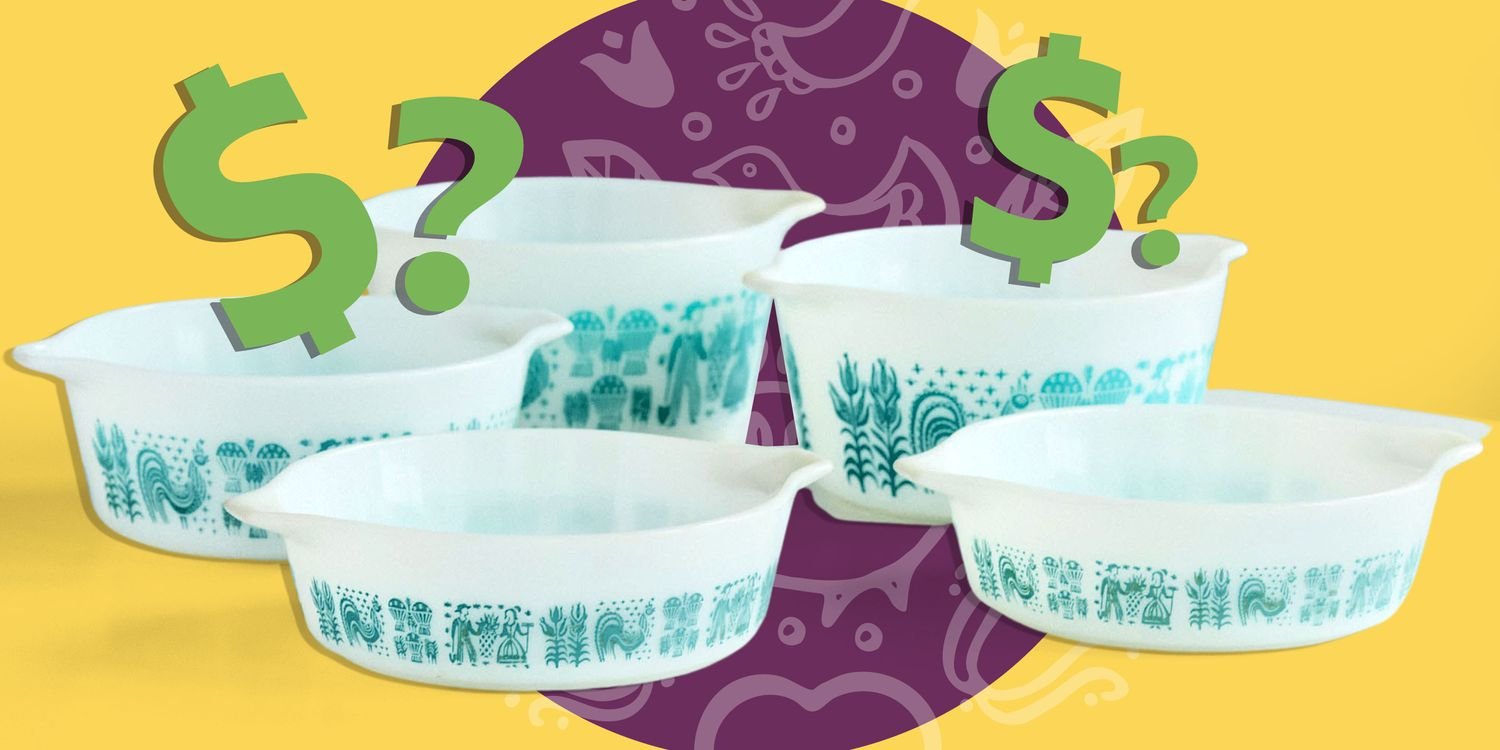
Also, check Replacements, LTD. A quick search on that site shows that the patterns Butterprint (in orange and turquoise) and Gooseberry Pink, both released in 1957, are commanding the highest prices for replacement dishes.
You can also follow the social media accounts of Pyrex collectors and sellers, such as PyrexTherapy, or search for the hashtag #pyrexforsale.
What To Do if You Think You Have Valuable Pyrex
If you do have your grandma’s Pyrex and discovered that it’s worth something, the first thing you need to do is decide if you really want to sell it. The sentimental value of the bowl or its functionality as a usable piece may prompt you to keep it.
If you decide to part with your Pyrex, selling on eBay is a solid choice, provided you can package it carefully to ensure it arrives undamaged. Facebook Marketplace is another option if you prefer not to pack up the item for shipping. And, if you get the Pyrex bug after finding a buyer for a piece, you can join groups like Pyrex Collectors. The social forum does not allow sales, but you’ll be able to learn a lot from the thriving group of Pyrex hunters.