:max_bytes(150000):strip_icc():format(jpeg)/Cemitas-Pueblan-Style-Sandwiches-FT-MAG-RECIPE-1125-8b5e4b0005d047188b02d376e55773e9.jpg)
- Pounding the pork cutlets before breading helps them cook quickly and fry evenly for a crisp, satisfying crunch.
- Soft yet sturdy cemita buns hold the sandwich fillings without collapsing or turning soggy.
- Canned chipotles in adobo add a smoky depth that cuts through the richness of the avocado and pork.
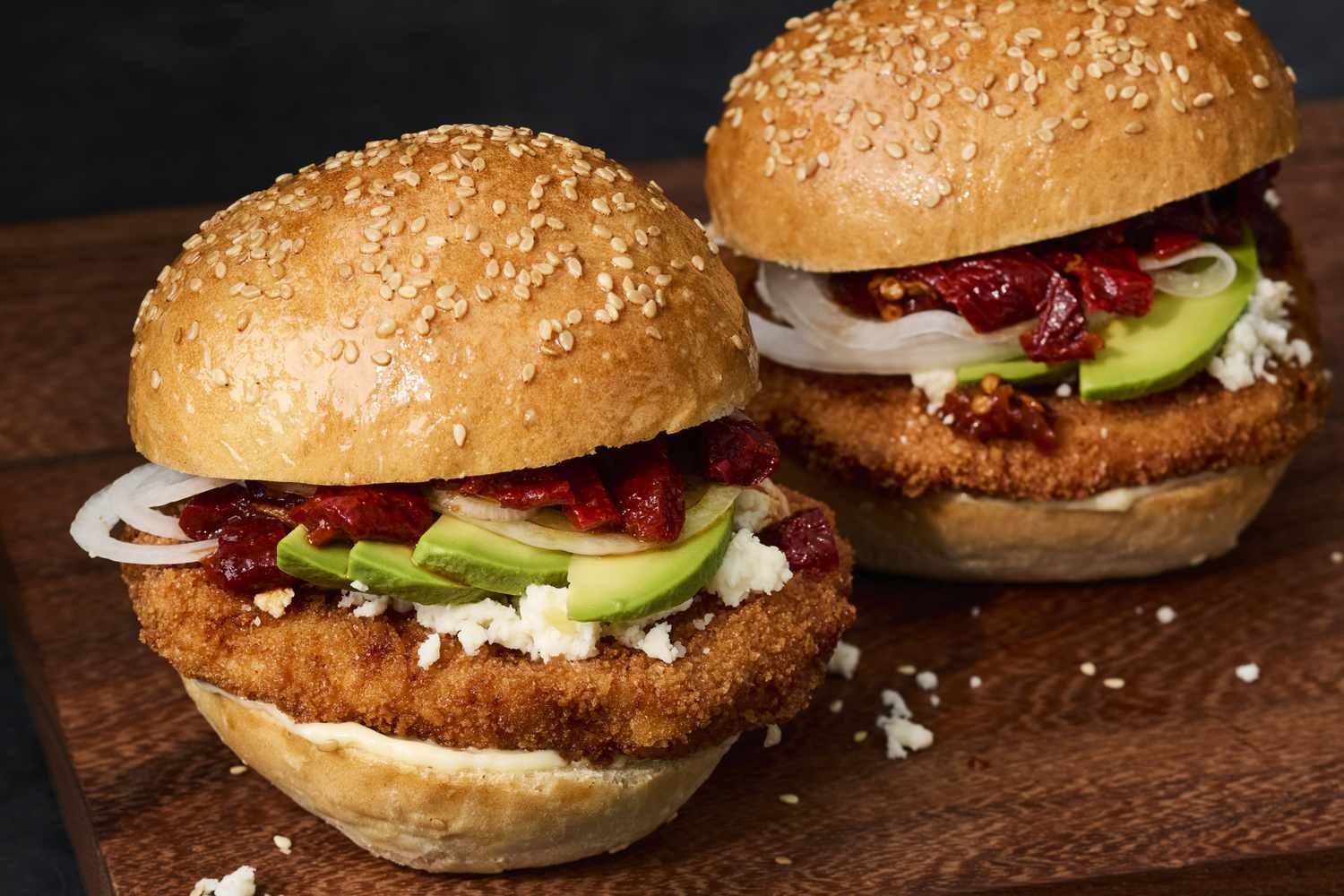
This beloved regional specialty hails from the bustling streets of Puebla, Mexico, where the cemita is as iconic as mole poblano and chiles en nogada. The sandwich takes its name from its signature bread — a soft yet sturdy sesame seed–topped roll that is fluffy inside but strong enough to hold generous fillings. That bread is what sets cemitas apart from other Mexican sandwiches and gives them their distinctive character.
A cemita sandwich is all about contrast and balance. Here, the crispy fried pork cutlets are layered with creamy slices of ripe avocado, tangy queso fresco, and the sharp bite of fresh onion. While pork is the most common protein, there are also traditional versions with beef and chicken prepared in the same Milanese style. The star of the sandwich filling is the canned chipotles in adobo and how it plays off the other ingredients. These dehydrated jalapeños marinated in a tomato-based sauce with warm spices are a pantry staple in most Mexican households, and they cut through the fattiness of the pork and the richness from the avocado, giving the filling tasty depth.
Making these sandwiches is a great opportunity to practice the fundamentals of dredging and frying. Use the wet-hand, dry-hand method when breading the cutlets to keep your station — and your hands — clean and the process more efficient. It’s also a chance to work on temperature control, a crucial step in frying that ensures a crisp, crunchy result every time.
Cemita sandwiches traditionally use Oaxaca cheese; why do these use queso fresco?
The traditional cheese for cemitas is Oaxaca cheese, also known as quesillo, a cow’s milk cheese with a buttery flavor and stringy, mozzarella-like texture. Because it can be hard to find outside Mexico — most often available in markets that specialize in Oaxacan ingredients — this recipe uses queso fresco instead. The mild, salty cheese is easier to source and still complements the other filling ingredients.
What is the wet-hand, dry-hand technique?
The wet-hand, dry-hand technique is a breading method designed to keep your hands and cooking station neat. Use one hand for dredging in dry ingredients, such as flour or breadcrumbs, and the other for dipping in wet ingredients. This prevents your fingers from sticking together and makes the process more efficient.
Notes from the Food & Wine Test Kitchen
- Set up your breading station with the wet- and dry-hand method in mind. Start with the raw pork at your far left, followed by your flour, egg mixture, breadcrumb mixture, and finally a clean plate for your breaded protein on your far right.
- Substitute cemita buns with a sturdier bread like a sesame-seed brioche hamburger bun. Regular sesame hamburger buns still work, but the texture will be softer.
- Frying in batches allows the oil to come back up to temperature and prevents the cutlets from becoming greasy.
This recipe was developed by Iliana de la Vega; the text was written by Andee Gosnell.