Chuck Eye Steak – The Poor Man’s Ribeye
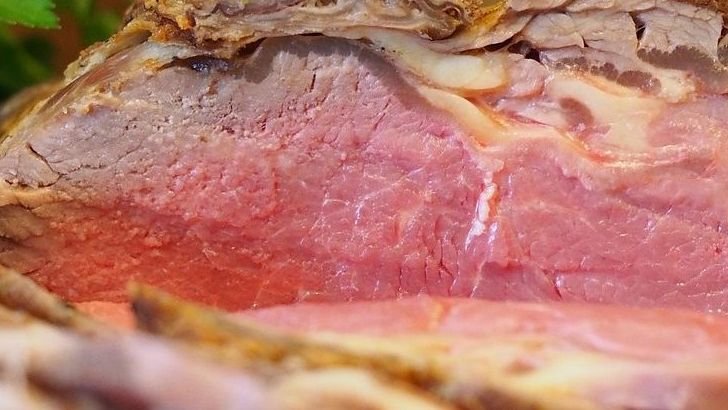
Professional chefs are constantly raving about chuck eye steak, and for good reason. This cut is significantly less expensive than ribeye, with chuck eye steak being 25% cheaper than ribeye according to USDA pricing data. As of mid-2024, boneless ribeye steak averages $12.55 per pound while chuck eye steak averages $9.44 per pound. Located right next to the ribeye, chuck eye shares many of the same flavor characteristics as a ribeye, but without the hefty price tag. Most of the chuck eye comprises the same tender longissimus dorsi muscle that makes up most of the ribeye. The only catch? There are only two chuck eye steaks per animal, and they tend to be snapped up quite quickly, often by the butchers themselves.
Flat Iron Steak – The Hidden Chuck Champion
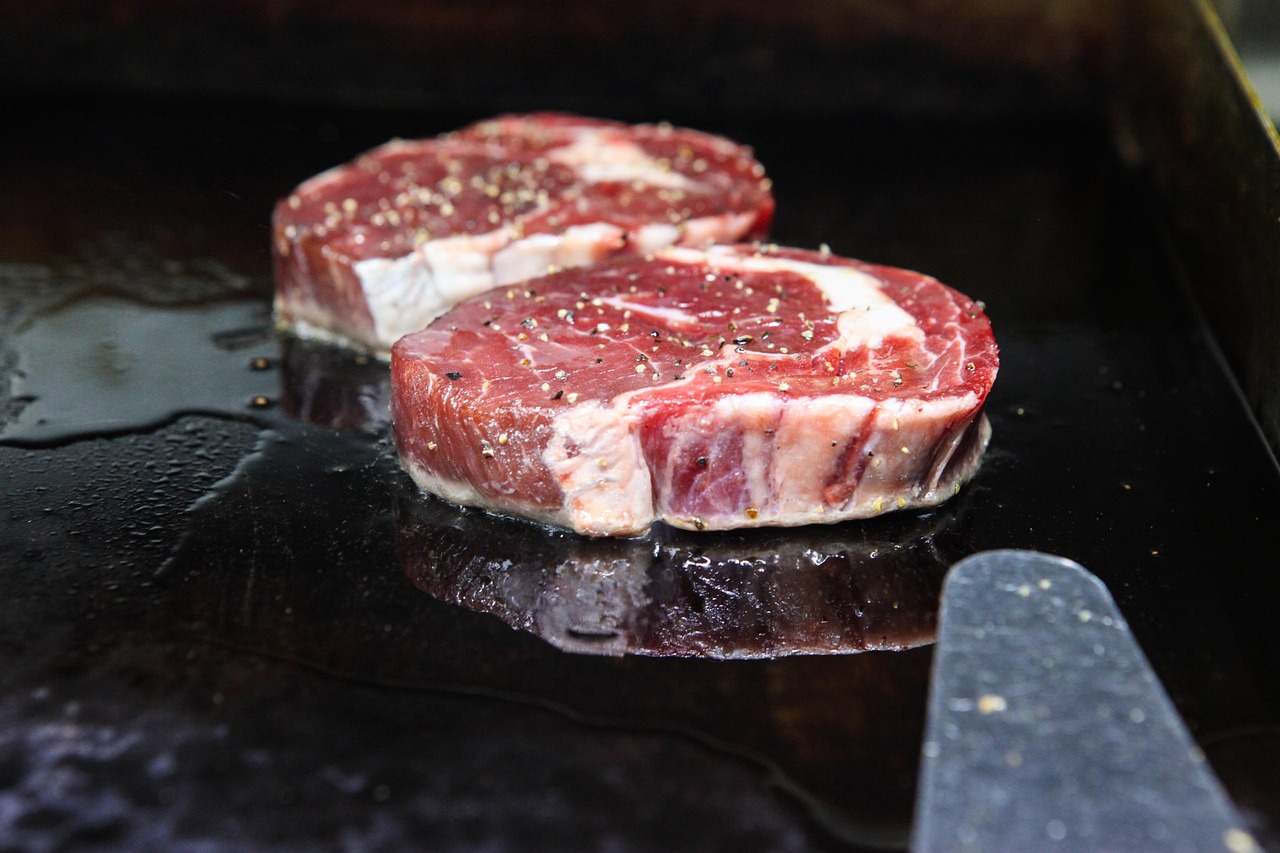
Flat iron steak is known for its tenderness, second only to the tenderloin. Cut from a more fatty part of the chuck known as the top blade roast, the tough connective tissue that runs through the muscle is carefully removed, freeing the flat iron from toughness. One of the benefits of the flat iron is that it’s a very versatile piece of meat, well-suited to pan-frying or grilling due to its marbling and tenderness. Flat iron steaks are an excellent value choice and usually a little cheaper than skirt steaks, offering more tenderness and nice beefy flavor. Unlike many cheaper cuts, it doesn’t require extensive marination or special handling techniques.
Denver Steak – The Marketing Marvel That Delivers
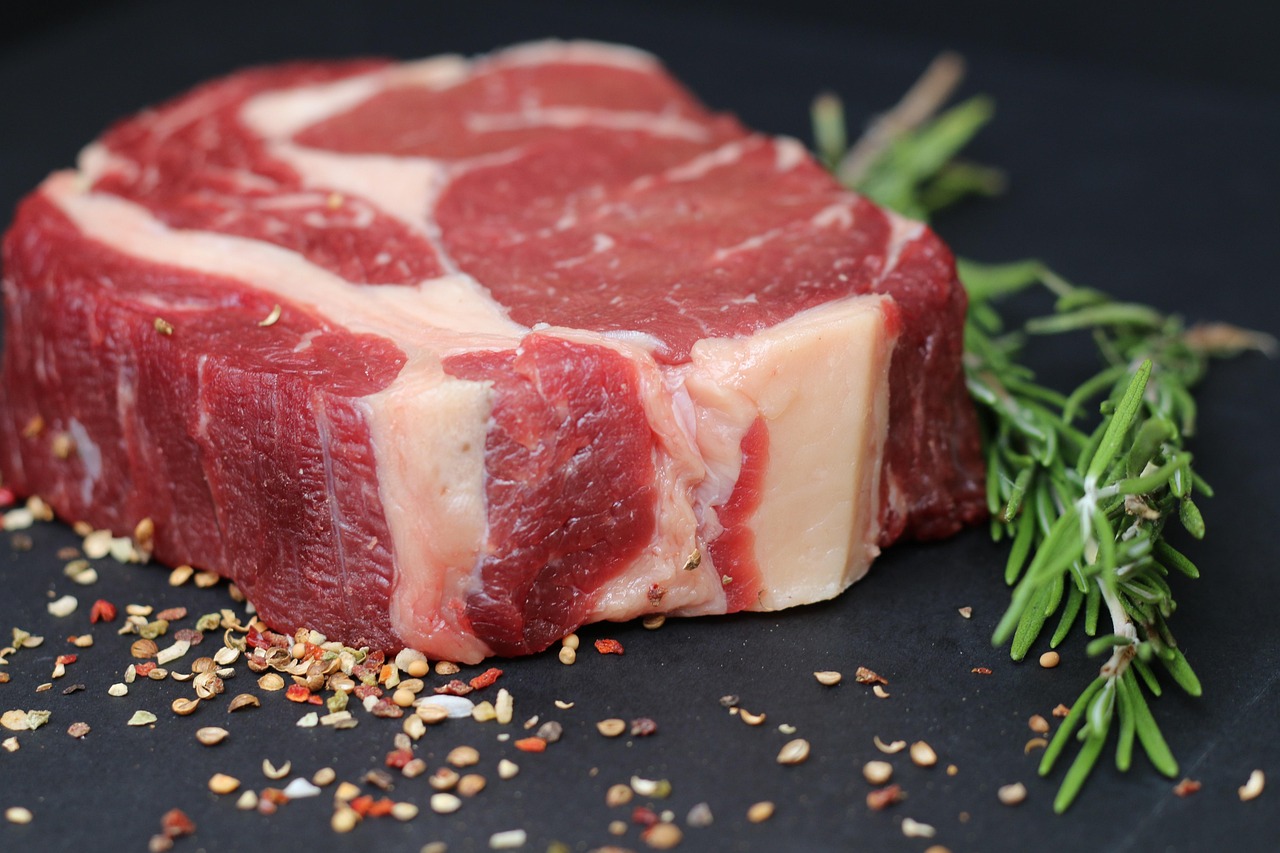
Also known as Zabuton, the Denver steak comes from the chuck and is one of the most beautifully marbled cuts you’ll find – rich, buttery, and incredibly tender when prepared correctly. Fun fact: The name “Denver” has no real significance and wasn’t originated in Colorado – the title was purely for marketing purposes. Cut from the center of the Under Blade, these steaks are extremely tender with a good amount of marbling and beef flavor. The average cost of Denver steak is $15 per pound, whereas skirt steak costs around $16 per pound. The Japanese call this pillowy cut zabuton after a cushion used in Zen meditation, but focus groups in the U.S. liked the sound and easy memorability of Denver cut.
Skirt Steak – The Fajita Favorite
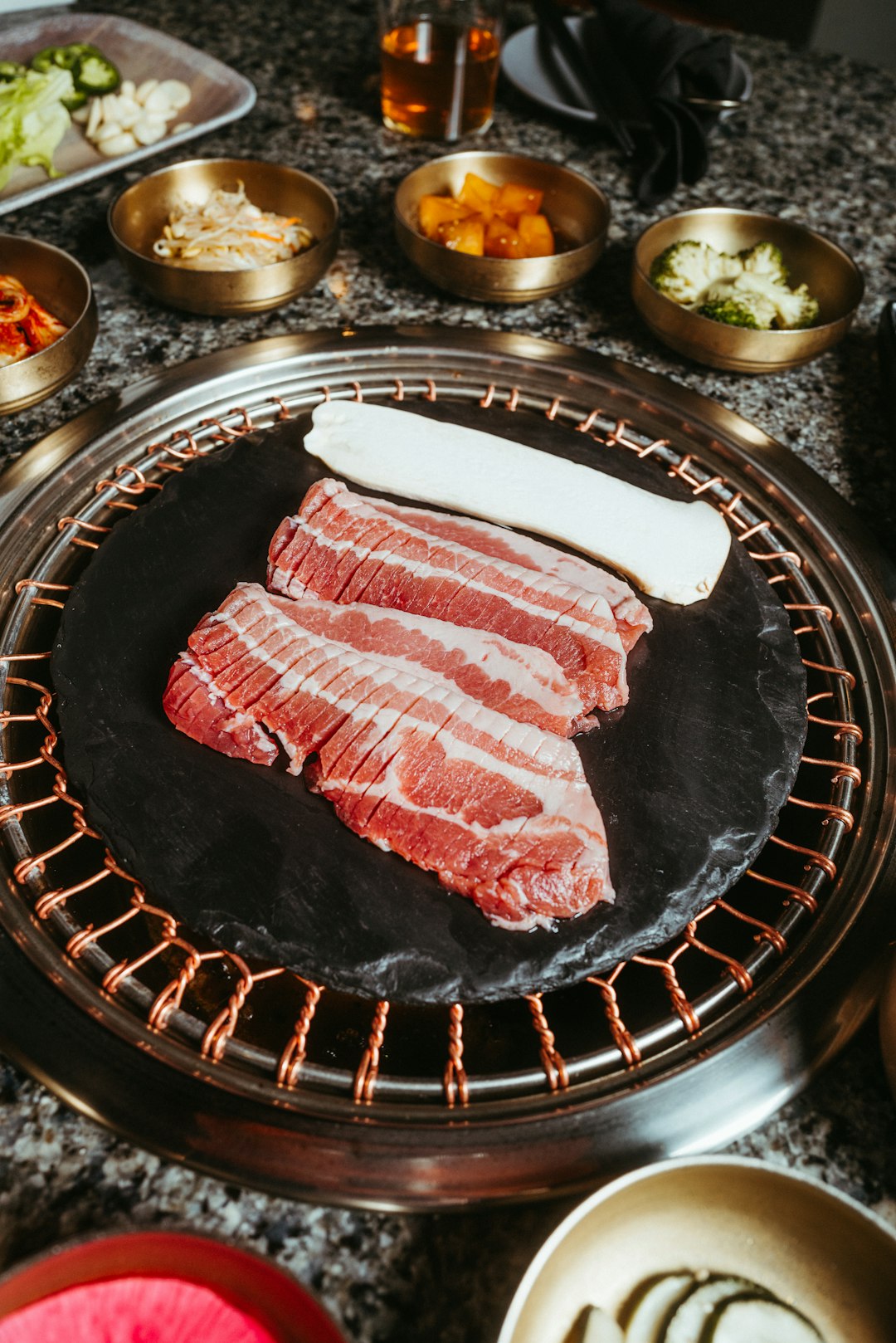
Thin, long, and loaded with flavor, skirt steak is a fajita favorite cut from the plate and features a coarse grain that soaks up marinades like a sponge – it’s quick-cooking, full of juicy richness, and ideal for tacos, stir-fries, or anything that benefits from bite-sized pieces. Skirt steak has a more beefy flavor than flank steak and usually has a higher fat content, which helps balance out the stronger muscle fibers and contributes to a more meaty flavor. There are two types – outside skirt from the diaphragm muscle which is generally larger and reserved for chefs and restaurants, and inside skirt from the abdominis muscle which is cheaper and more commonly found at supermarkets. With the rise of quick, nutritious meals, skirt steak is a great option for anyone looking to make something delicious in under 20 minutes.
Hanger Steak – The Butcher’s Secret
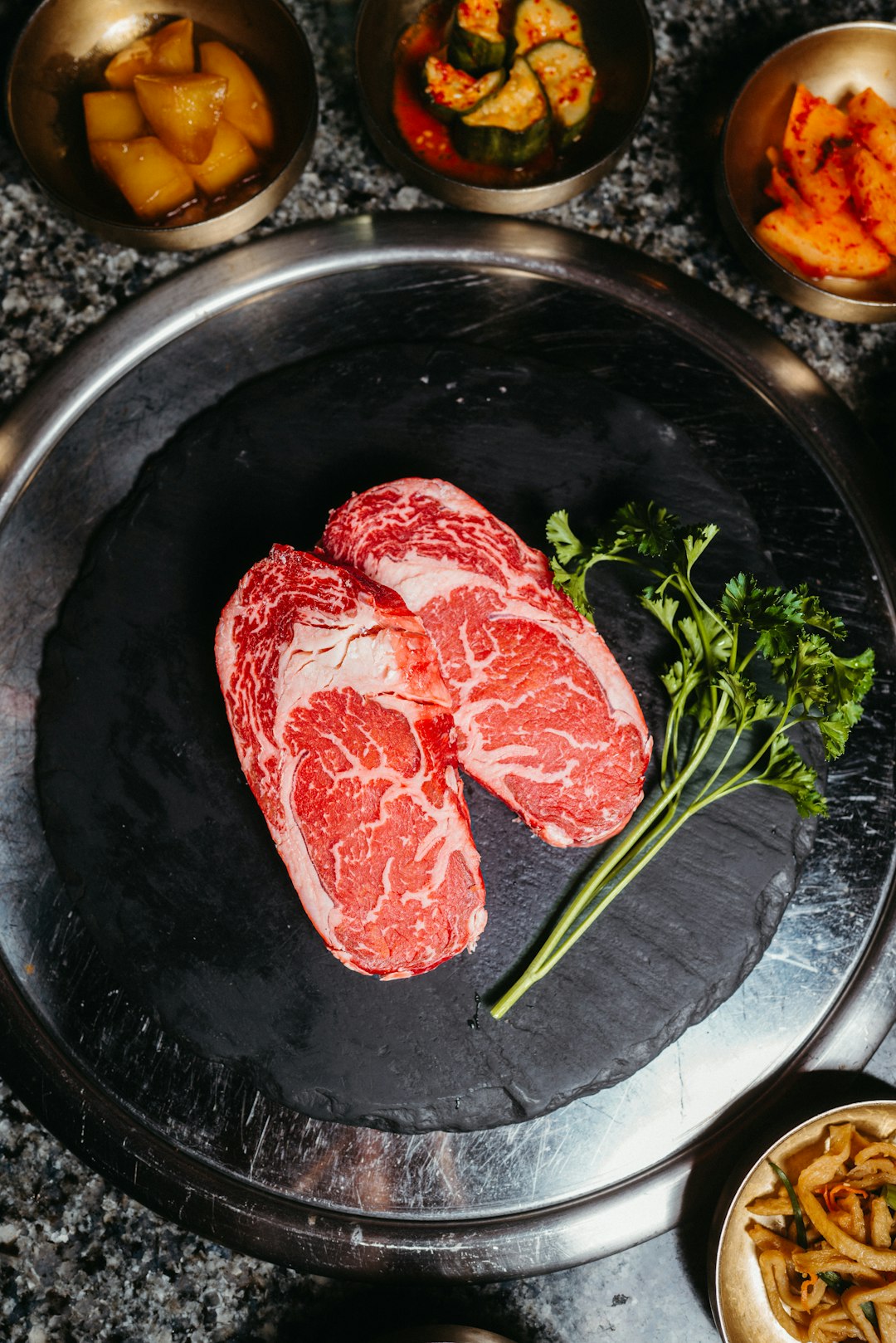
Hanger steak is affectionately known as the “butcher’s steak” because butchers used to keep it for themselves instead of selling it when people didn’t know to ask for it – hence the original name “butcher’s steak”. For every cow, there is only one hanger steak, so for a grocer to stock their shelves with a dozen hanger steaks, they’d have to purchase a dozen cows. This cut comes from the diaphragm area and has a deep, beefy flavor similar to flank steak but with even more tenderness. Hanger steaks come from a more relaxed area of the steer’s diaphragm, giving it more fat marbling and a richness that can rival the most high-end steak while remaining super tender. Both hanger steak and skirt steak share the average price of $16 per pound.
Sirloin Flap Steak – The Brazilian Barbecue Star
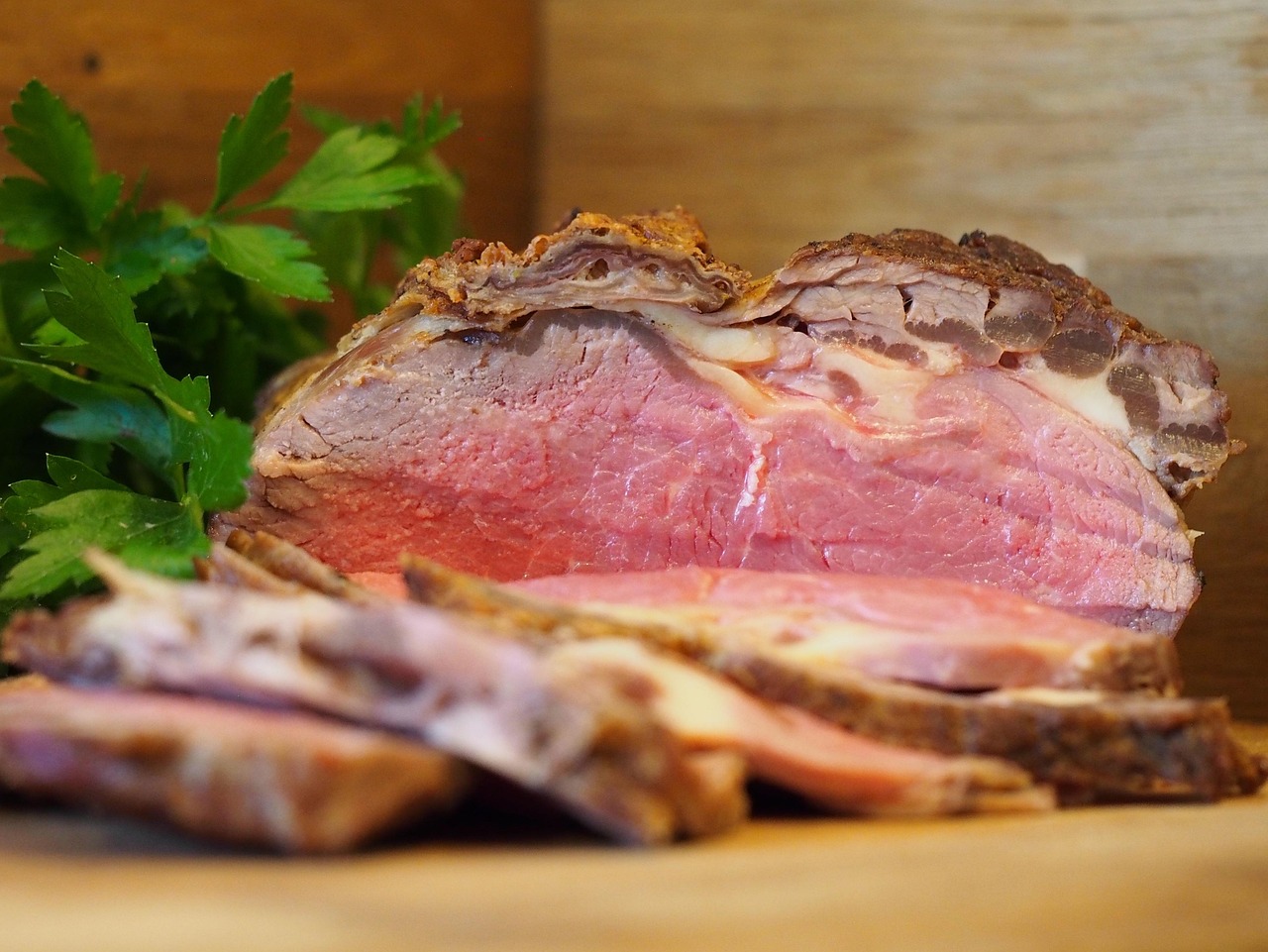
Sirloin flap steak comes from the bottom of the sirloin and is sometimes called “sirloin tips”, “flap steak” or “faux hanger” – it’s highly versatile and an excellent replacement for fast cooking or braising. From the bottom sirloin butt, this bistro-style cut could easily be confused for skirt steak or hanger steak and is sometimes labeled “faux hanger steak” – it’s a meat lover’s meat, intensely beefy. The average price for sirloin flap steak is $13 per pound, compared to $16 per pound for skirt steak. Less expensive than flank steak and a terrific choice for Mexican carne asada or fajitas, it’s available in many supermarkets for as little as $3.99 a pound. Its coarse texture embraces flavor-enhancing marinades as well as dry or wet rubs.
Top Sirloin Butt Strip Steak – The Brazilian Picanha Connection
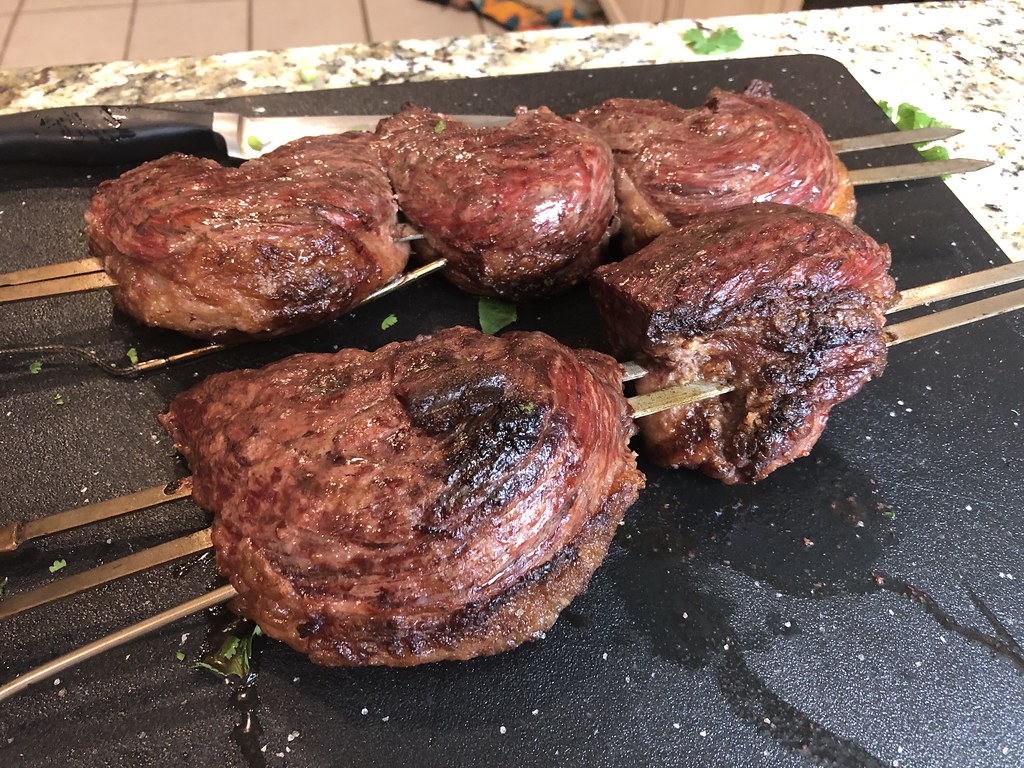
Top sirloin cap from the loin primal is one of the most popular cuts of meat in Brazil where it’s known as picanha, and top sirloin butt strip steaks are harvested from the same muscle. Another underrated cheap steak cut is picanha, also known as sirloin cap, rump cap, or coulotte – it’s the steak of choice in Brazilian steakhouses but is becoming more popular in the States thanks to its budget-friendly price, well-marbled texture, and taste. Because these steaks are very lean, you need to be careful not to overcook and slice thinly against the grain – a little coarse salt is all that’s needed to bring out their great flavor. This cut offers excellent value while delivering the authentic Brazilian churrasco experience that’s becoming increasingly popular in American restaurants.
Eye of Round Steak – The Underrated Lean Choice
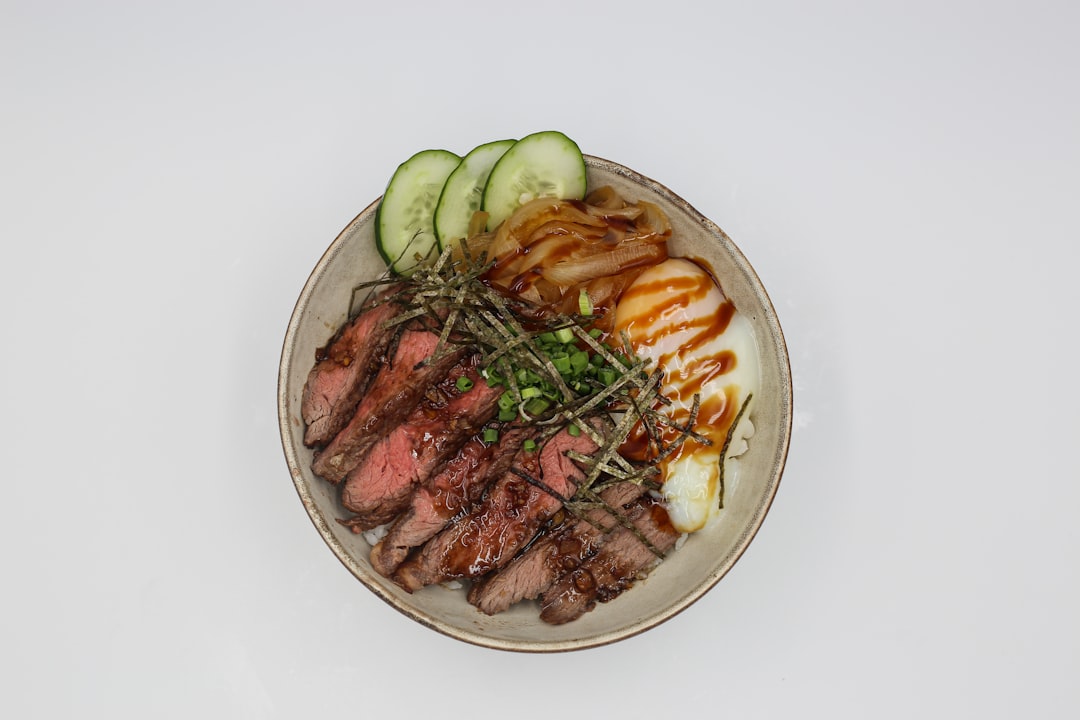
Eye of round is a tough muscle, but if it is matured properly and cooked correctly, it is a good value steak – it’s best cut thinly and fried medium-rare. A tremendous value cut that is lean and boneless, the Eye of Round Steak is ideal for marinating, then grilling or skillet cooking. While some suggest Sprite tenderizes eye of round, pineapple juice or papaya juice are great tenderizers. This cut of meat also makes a good lean, affordable roast, although it would benefit from a layer of fat on the outside. The key with eye of round is understanding that it requires proper technique – thin slicing and quick cooking or careful marination can transform this budget-friendly cut into something surprisingly tender and flavorful.
Chuck Roast Steaks – The DIY Ribeye Alternative
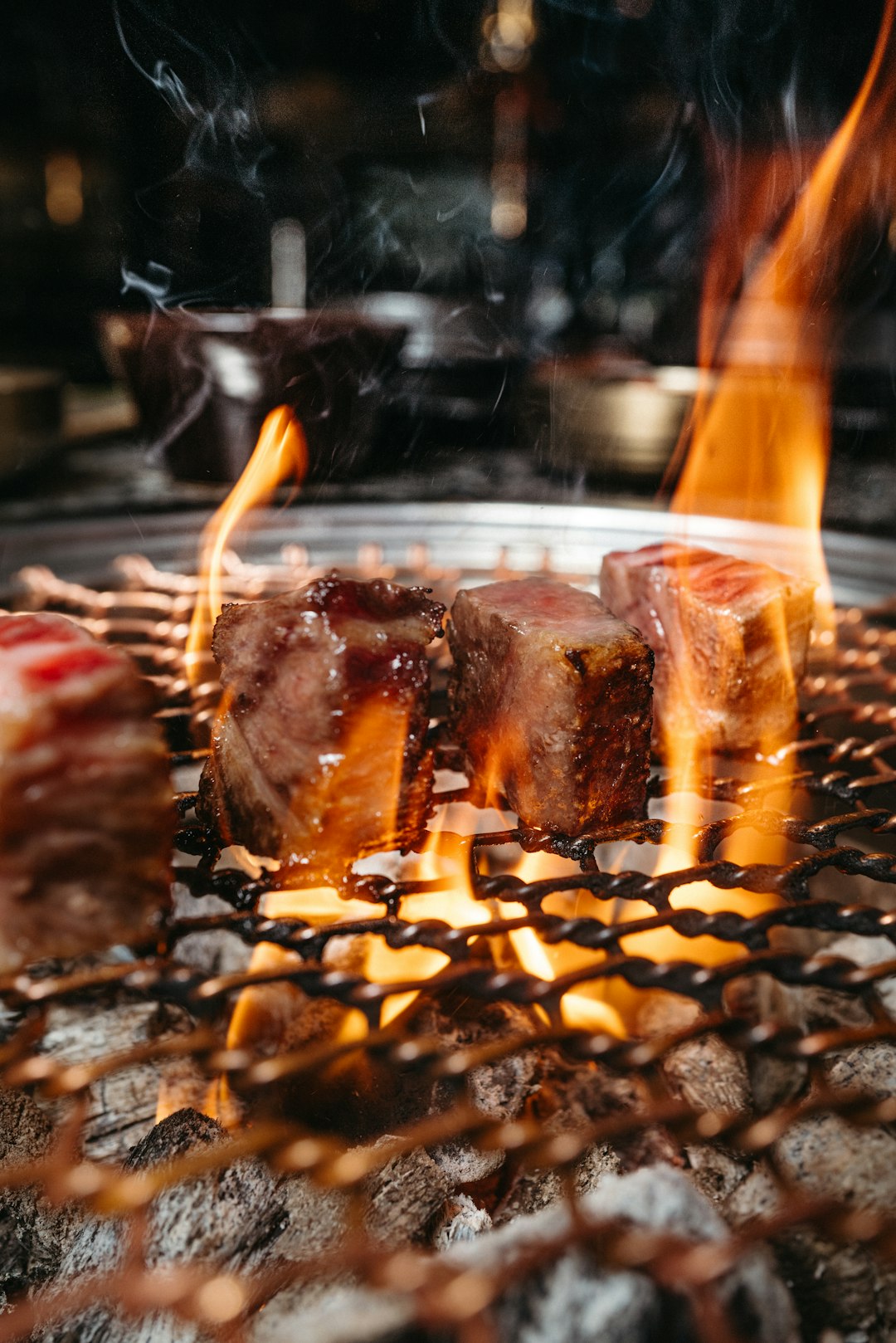
Save money by buying a chuck roast instead of ribeye – simply separate the chuck eye from the Denver cut and you get a delicious steak without spending ribeye money. A chuck roast on sale was $5.99 a pound, so a small 3 pound roast costs almost $20, leading many to choose ground beef for hamburger steak more often than weekly ribeye. You can turn affordable chuck roast into a delicious steak alternative that’s perfect for budget-friendly meals. Butchers are often surprisingly competitive on cheaper cuts like brisket, shin, and belly pork, and beef chuck steak or pork shoulder are best for pulled meat preparations. The trick is knowing how to break down the roast properly – many butchers will even do this for you if you ask, giving you individual steaks at roast prices.
Bavette Steak – The French Butcher’s Choice
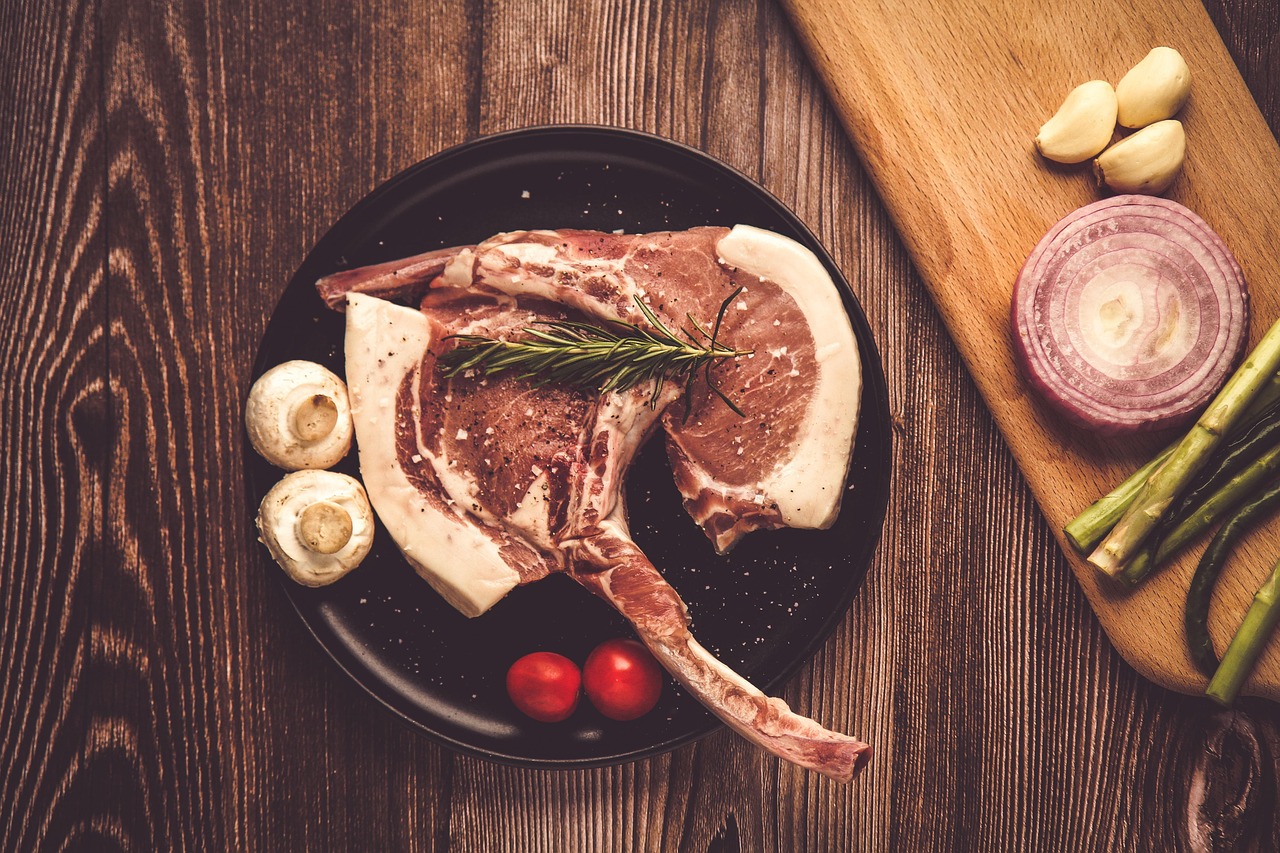
Bavette means “bib” in French and refers to this steak’s wide, flat shape – it’s often mistaken for flank but offers more marbling and a bolder flavor, making it a favorite among chefs for its ability to deliver on both flavor and presentation. Bavettes have a similar flavor profile to flank or skirt steak and are packed with minerals and dense with fiber, but have a very loose structure that helps avoid chewiness with wiggle room in cooking method – this loose structure also lends itself to seasoning rubs and marinades. The difference between bavette and flank steak goes a long way in flavor, texture, and price, and bavette can most likely only be found at a butcher shop. The Bavette steak, also known as flap steak, is derived from the lower chest or abdominal muscles of the cow. This cut represents the kind of treasure that knowledgeable chefs seek out for its exceptional value-to-quality ratio.
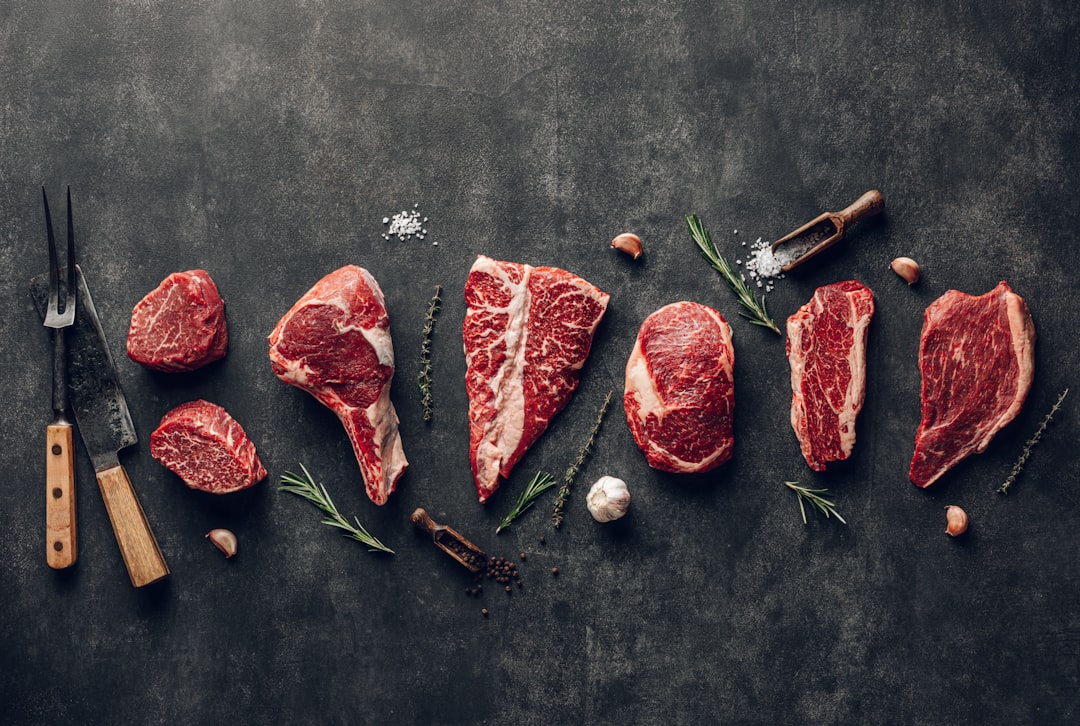
These affordable cuts prove that great flavor doesn’t always come with a premium price tag. Smart home cooks and professional chefs alike are discovering that with proper technique, these lesser-known cuts can rival their expensive counterparts while keeping your grocery budget intact.