Hamburger Helper – The Ultimate Budget Stretcher
What started as a clever response to a meat shortage became the backbone of eighties family dining. Hamburger Helper became widely popular after its debut in 1971, but its true heyday arrived in the eighties when working mothers needed quick solutions.
Hamburger Helper has become a go-to for families seeking an easy and filling dinner option. These convenience foods weren’t just about saving time – they were also about making cooking accessible to everyone, even those who might not have had the most culinary skills. The stroganoff flavor was considered fancy while the cheeseburger macaroni became a kid favorite that could transform a pound of ground beef into enough food for a family of six.
Sloppy Joes – Messy but Magnificent
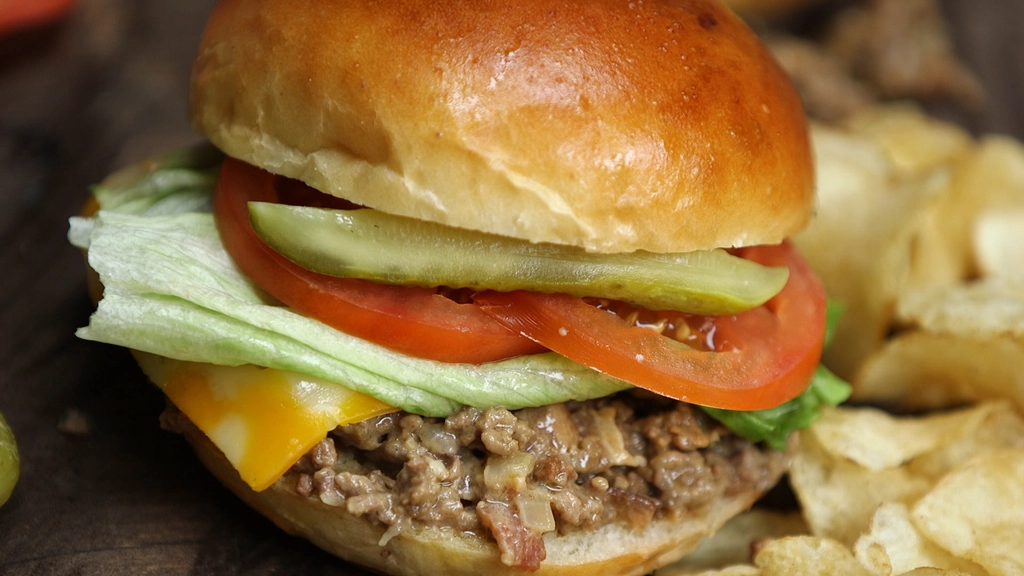
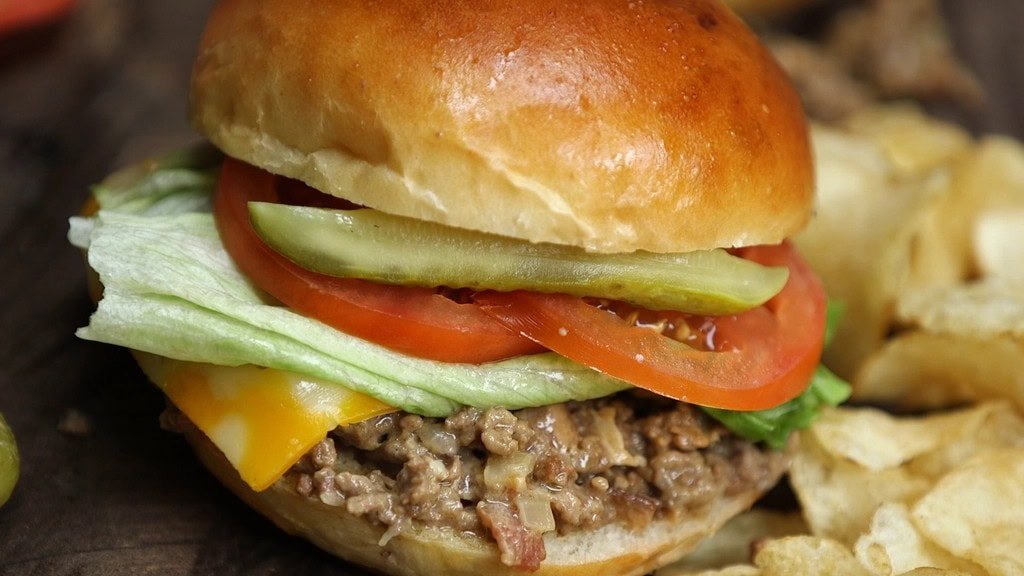
Canned Manwich, arguably the most popular way to make sloppy joes, was introduced in 1969, but it really took off in the ’80s. This tangy, slightly sweet ground beef mixture served on hamburger buns became the perfect solution for busy weeknights. Sloppy Joes ruled dinner tables across America during the ’80s, thanks mainly to convenience sauces like Manwich that turned ground beef into a family feast in minutes. Moms loved this brown some beef, stir in the sauce, and you had a family-friendly dinner to serve on hamburger buns with a bag of chips. Their messiness became part of what kids loved about them, an excuse to be messy at the dinner table without getting in trouble!
The beauty of sloppy joes lay in their simplicity and kid appeal. Unlike more sophisticated dishes, these sandwiches encouraged interaction and fun at the dinner table, making them perfect for families trying to bring everyone together after long workdays.
Tuna Noodle Casserole – The Ultimate Comfort Food
The 1950s was the heyday for this casserole but it is still made quite a bit today. Canned tuna was extremely popular in American households during the 1950s, with tuna casseroles being among the most common preparations. Families surveyed commented that they like using canned tuna fish because it was quick, easy, cheap and convenient but mainly they just simply liked it. By the eighties, this dish had evolved from its fifties origins but remained a staple.
The typical tuna casserole was made from a can of tuna, a can of vegetables, a package of egg noodles and a can of condensed cream-of-mushroom soup. For the most part, the ingredients were quickly stirred together, right in the casserole dish, and were topped with with a crunchy layer of breadcrumbs, corn flakes or canned onions, and sometimes a sprinkling of Parmesan cheese. It was touted as a dish that, from start-to-finish was ready in 45 minutes. The golden crushed potato chip topping became the signature element that kids looked forward to most.
Shake ‘N Bake Pork Chops – Oven Magic
Making breaded pork chops (or chicken drumsticks, or fish, if you were fancy) on the stove is a mess with splatting oil, but Shake ‘N Bake solved all that nonsense. This revolutionary coating mix promised the crispy satisfaction of fried food without the mess or oil, making it perfect for busy families trying to put a decent meal on the table.
The genius was in its simplicity – just shake the meat in the bag with the seasoned crumbs and pop it in the oven. Shake ‘n Bake gave people a similar meal that was easier to make, less messy, and healthier than frying. Though it’s just a mixture of seasoned bread crumbs, the end product tasted better than you’d expect. Bonus points that it turned almost anything into something resembling a chicken nugget. The distinctive crunchy texture and herb flavor became synonymous with eighties family dinners.
Hard Shell Tacos – America’s Mexican Night
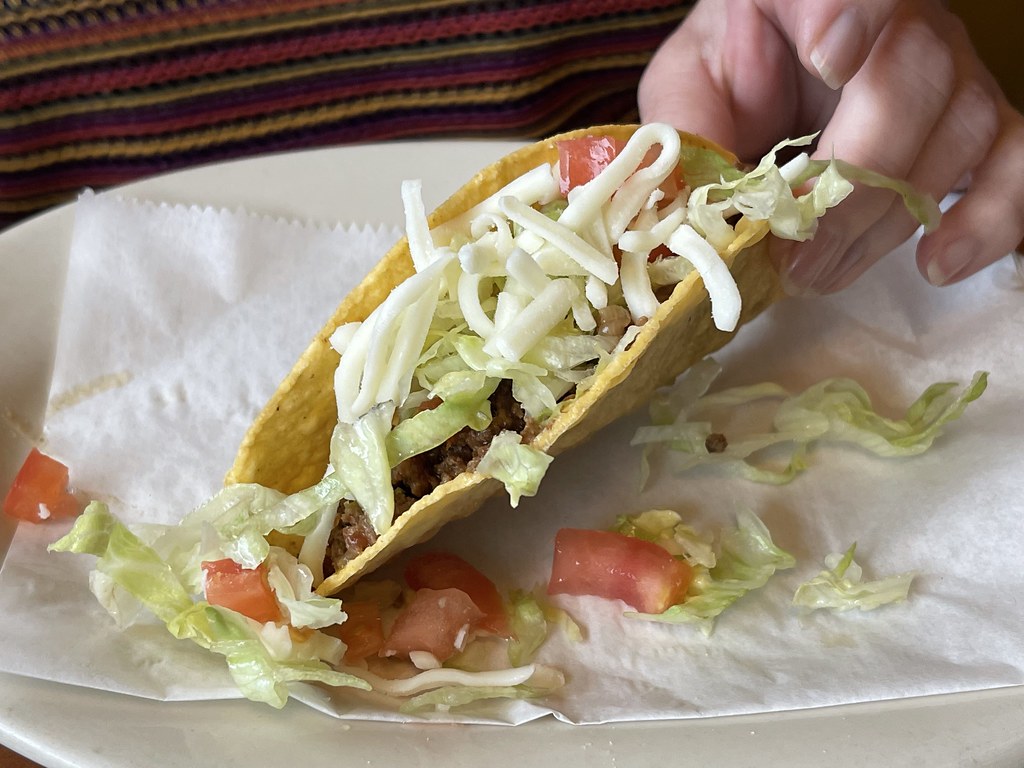
America really started its love affair with ground beef hard shell tacos in the ’80s, and it’s been a staple ever since. Families with lots of kids especially loved it since everyone made their own. Taco night became a weekly tradition for many families, with crunchy taco shells and seasoned beef being the stars of the show. This interactive dinner allowed family members to customize their meal with lettuce, cheese, tomatoes, and hot sauce.
The beauty of taco night wasn’t just in the convenience – it was democratic. Picky eaters could skip the vegetables, spice lovers could load up on jalapeños, and parents felt good about offering a meal that seemed international and sophisticated yet remained budget-friendly.
Microwave Dinners – The Future is Here
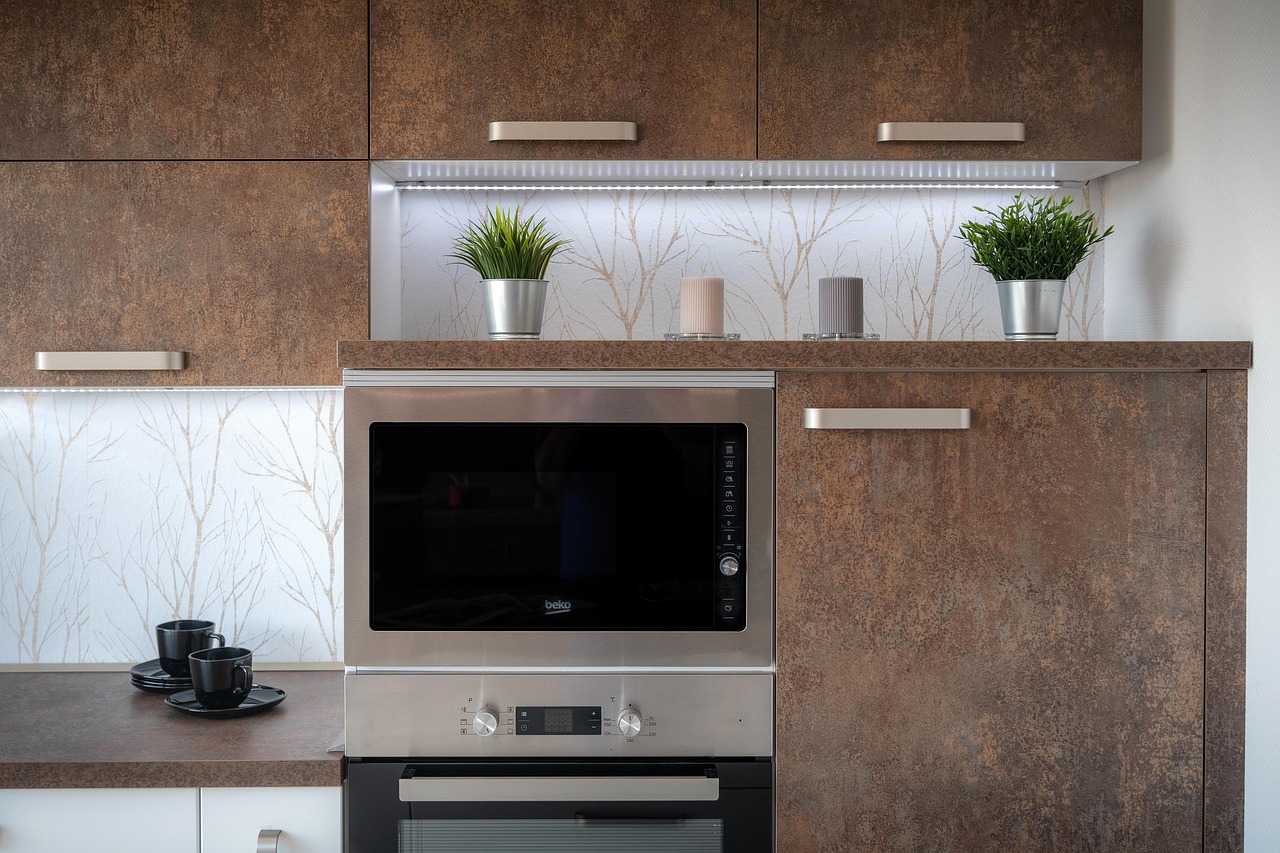
In 1980, 20 percent of American households owned a microwave. By 1986, that figure had tripled. And by 1990, experts predict eight in 10 households will own one. The microwave revolution transformed how middle-class families approached weeknight meals. Microwaves were the height of convenience at the time, so frozen meals were popular. One of the most common was salisbury steak, a seasoned beef patty that’s a burger and meatloaf mashup. It was always drenched in gravy, of course, and usually came with mashed potatoes too.
These complete meals in plastic trays represented the pinnacle of modern convenience. Families could have individual dinners ready in minutes, and the compartmentalized trays meant vegetables, starches, and proteins all heated at different rates for a balanced meal. The novelty of eating a hot dinner that had been frozen just minutes before felt truly futuristic to eighties families.
Beef Stroganoff – Elegant Yet Economical
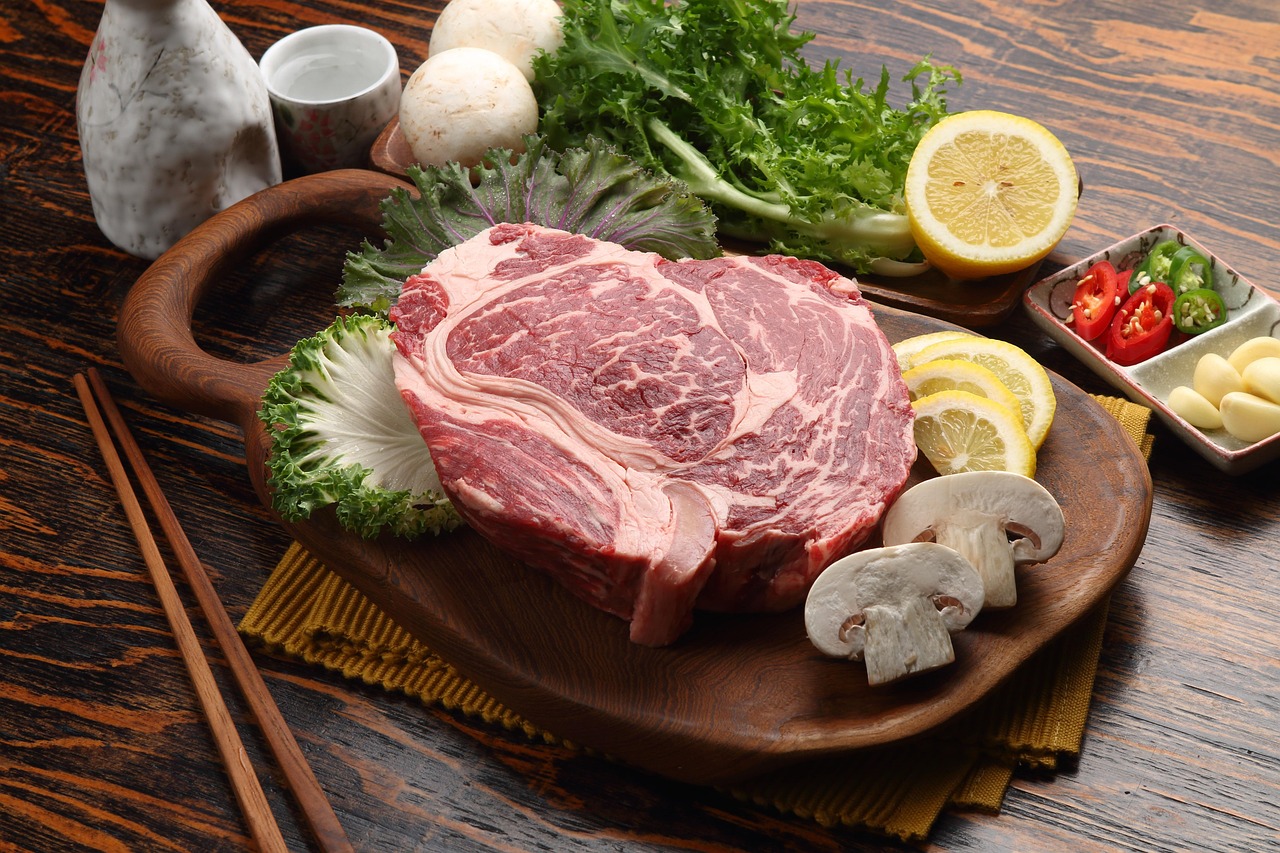
Ground beef stroganoff, swimming in cream of mushroom soup and ladled over egg noodles, served as the economical solution to feed hungry families without going into debt doing it. It was Americanized, mass-produced in all its convenience and economy over the more traditional sort. When seasoned and served over pasta, the rich, savory sauce could take a pound of ground beef further than five or six people. This dish made families feel sophisticated while staying within budget.
The creamy mushroom sauce elevated simple ground beef into something that felt restaurant-worthy. Served over wide egg noodles with a side of green beans or peas, it became a go-to for Sunday dinners or when company was coming. The one-skillet preparation meant less cleanup, always a bonus for busy mothers.
Seven-Layer Dip – Party Perfection
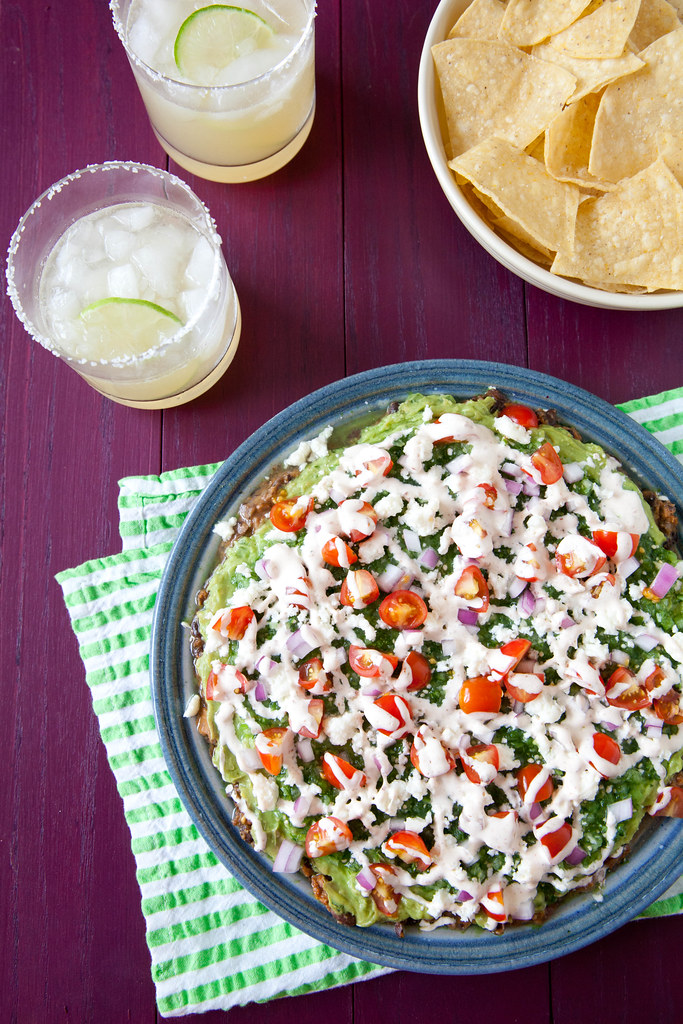
7-layer dip reigned supreme in the 1980s. Tex-Mex food (we thought of it as just “Mexican food” back then) was gaining popularity fast, and this dip layered all the best stuff: guacamole, refried beans, sour cream, veggies, and cheese. Salsa was also a must, since this is the decade when it started to become as American as apple pie. The Tex-Mex revolution of the 1980s made salsa America’s favorite condiment by the early ’90s, surpassing ketchup.
This colorful appetizer became the centerpiece of casual entertaining, whether for football games, potluck dinners, or birthday parties. The visual appeal of the distinct layers – from the bean base to the bright green guacamole top – made it as much about presentation as taste. Plus, it could feed a crowd affordably.
Chicken Divan – The Sophisticated Casserole
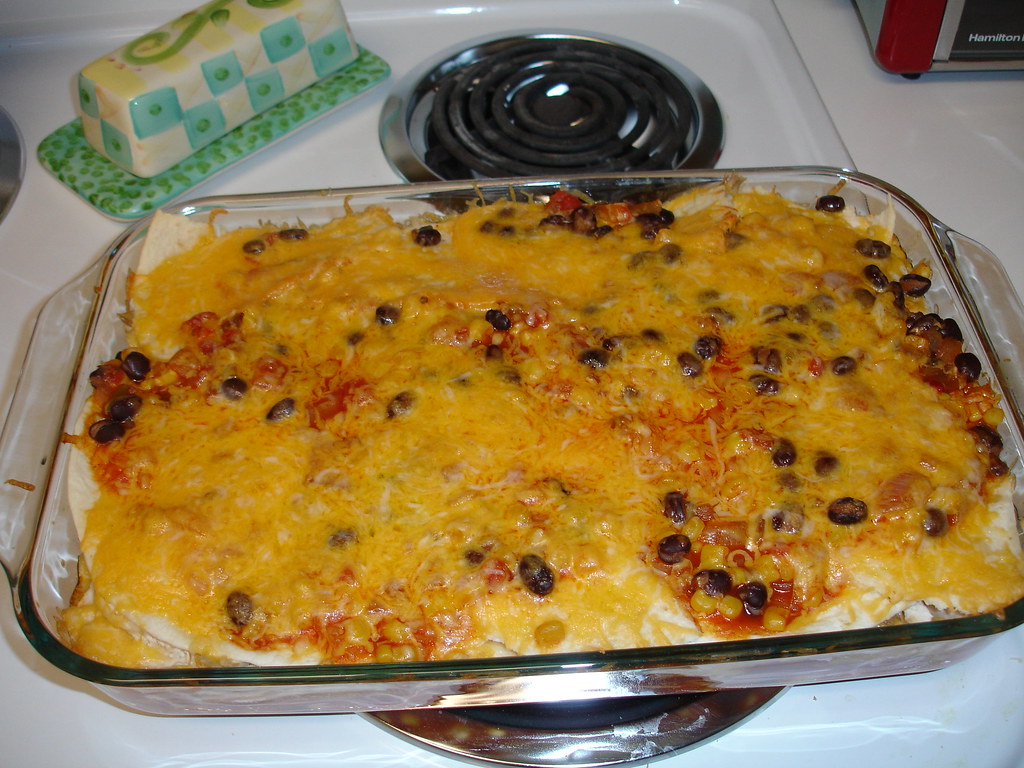
Chicken Divan is an easy casserole that is full of rotisserie chicken and broccoli. It has the perfect crunchy top and wonderful on its own or served over rice or pasta. It’s simple and fast with very little work. The perfect weeknight dinner! This dish elevated the humble casserole concept by incorporating what felt like upscale ingredients – broccoli was still somewhat exotic in many American households.
The combination of tender chicken, bright green broccoli, and creamy cheese sauce created a one-dish meal that looked restaurant-worthy but used ingredients from the regular grocery store. The golden-brown top provided textural contrast that made each bite interesting, while the make-ahead nature meant it could be assembled in the morning and baked when everyone got home.
Mud Pie – Chocolate Heaven
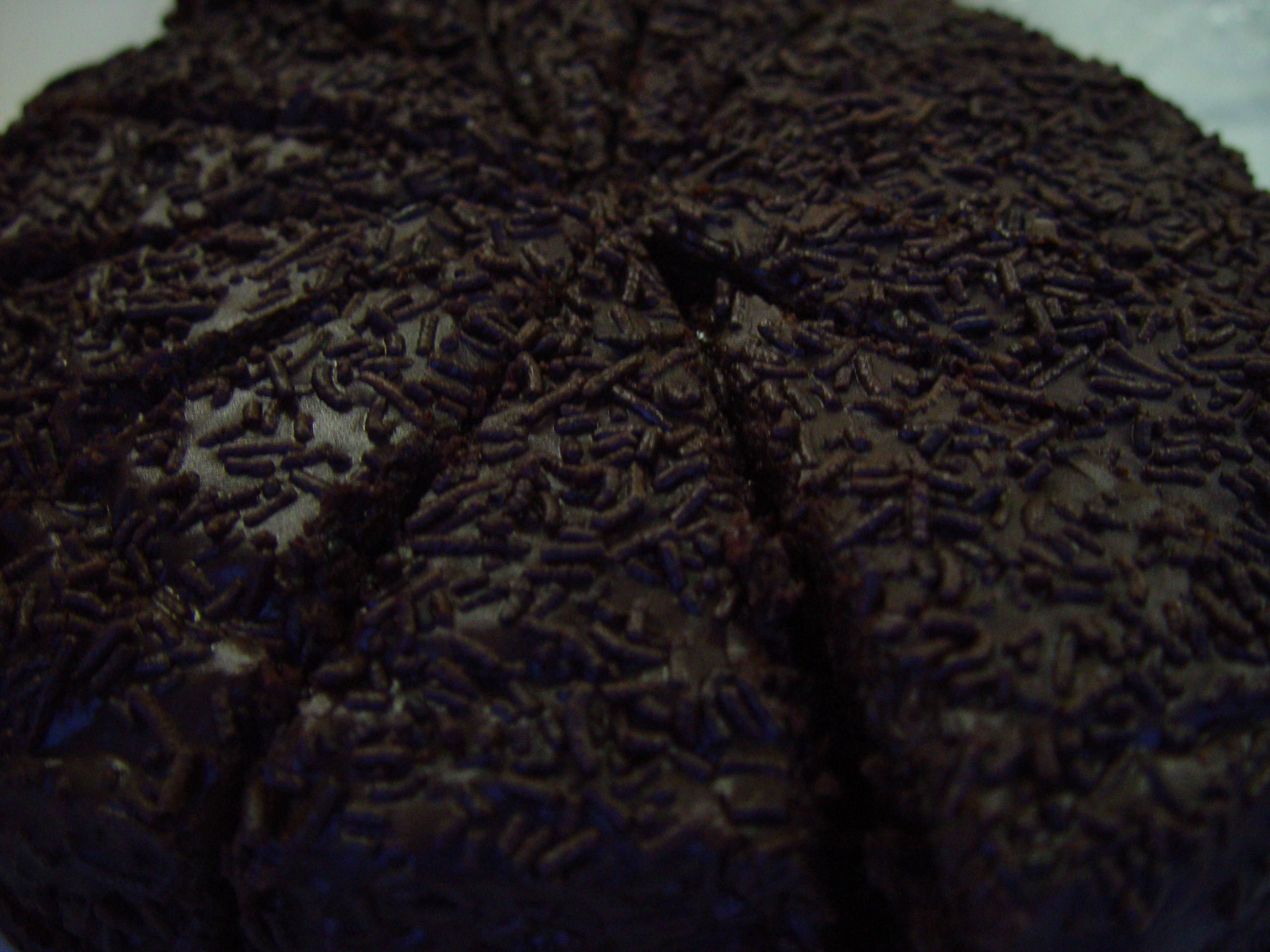
Mud pie, or the “Mississippi” style, sprang up all over the place in the ’80s. It could take many forms, but what the name always implied was chocolate, and lots of it. Coffee, crushed Oreos, and Cool Whip often made appearances as well, making for an easy and cheap dessert for moms to tackle. This no-bake dessert represented the perfect intersection of impressive appearance and simple preparation.
The genius of mud pie was that it looked incredibly sophisticated but required no actual baking skills. Using store-bought cookies for the crust, instant pudding for the filling, and Cool Whip for the topping, even novice cooks could create something that looked like it came from a fancy restaurant. The rich chocolate flavor satisfied the era’s love affair with decadent desserts while remaining completely foolproof to make.
The eighties dinner table reflected a unique moment in American family life – when convenience met aspiration, when working mothers needed solutions that didn’t compromise on taste or family time. These meals represented more than just food; they were the soundtrack to a decade where families gathered around kitchen tables, sharing stories while eating from dishes that promised both simplicity and satisfaction.