Timing Salt Like Building a Symphony
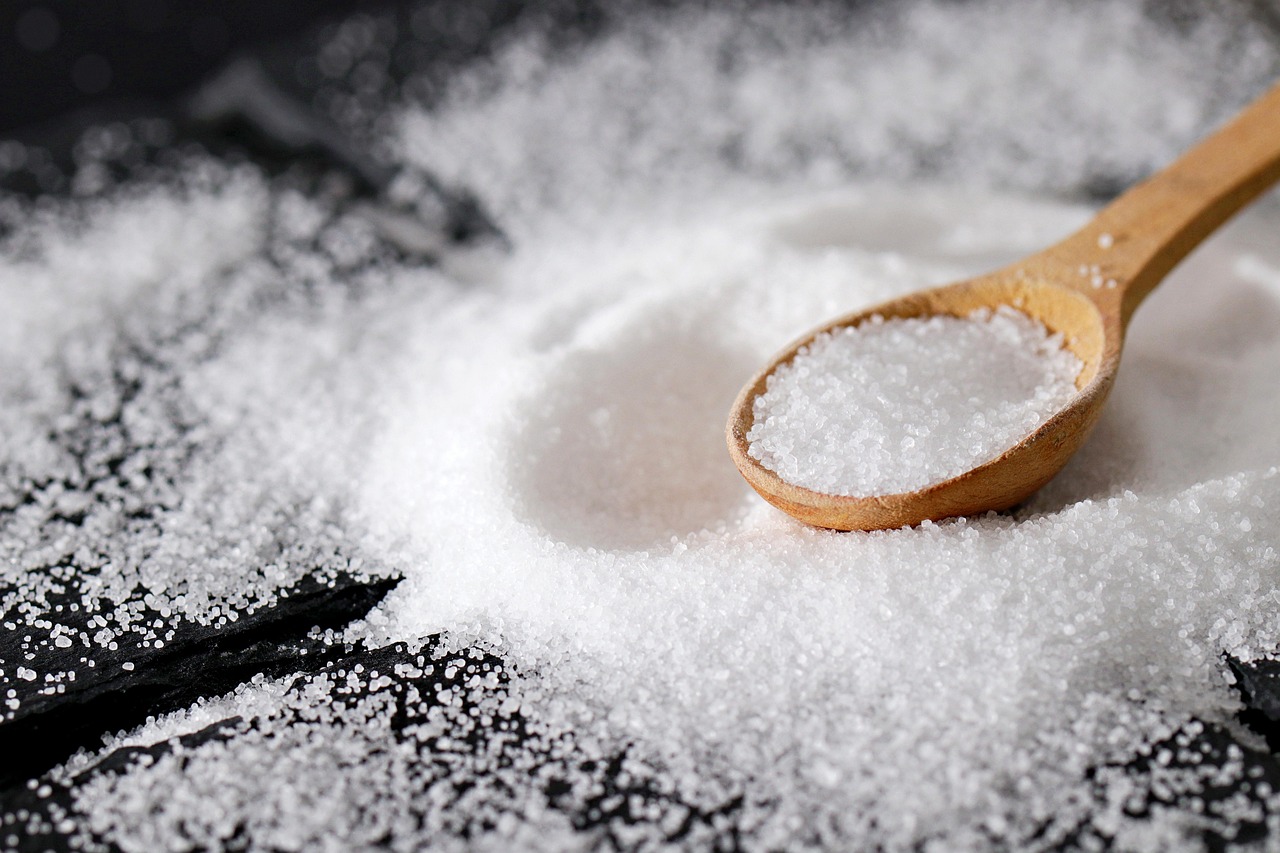
Most home cooks treat salt like a final afterthought, sprinkling it onto finished plates like fairy dust. Professional chefs understand that seasoning throughout the cooking process builds layers of flavor, with small amounts added at the start helping flavors build during simmering or sautéing. They don’t just salt at the end – they create what I like to call a “salt timeline” throughout the entire cooking process. Restaurant chefs salt at every stage of cooking, and then check one last time before serving, just to be sure. The difference is like comparing a flat note to a full orchestra – each layer adds depth and complexity that penetrates every bite.
The Cold Butter Swirl That Changes Everything
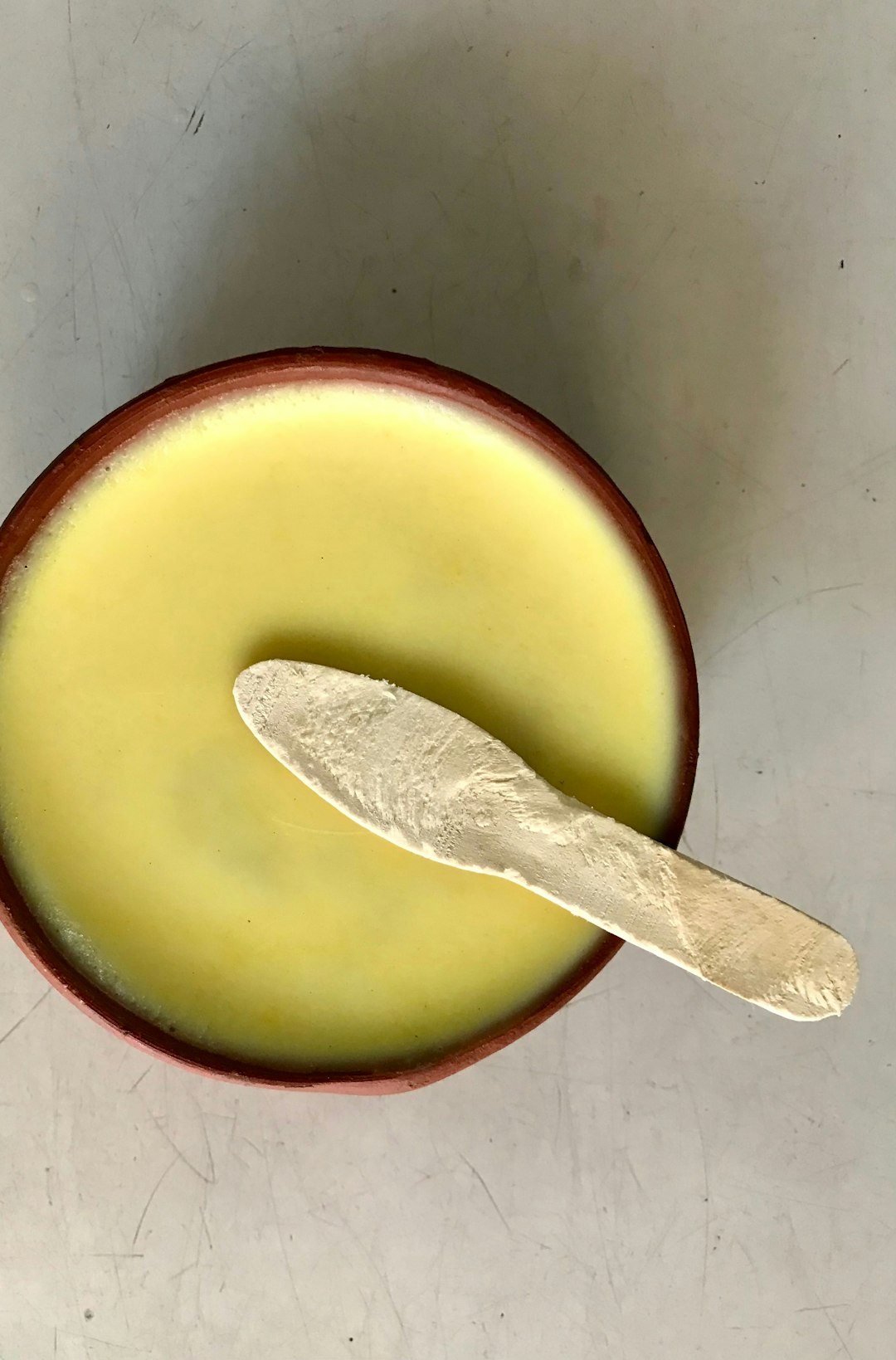
Professional kitchens use a French technique called monter au beurre, where they swirl cold butter into tomato sauce right before serving to create a richer taste and glossy sheen with little to no effort. This isn’t just about adding richness – it’s culinary alchemy. When finishing a pan sauce, line cooks add small cubes of chilled butter to hot sauce and slowly swirl it in, creating a velvety texture and glossy shine while mellowing aggressive flavors like vinegar, wine, or garlic. Home cooks miss this because they think more heat equals better results, but sometimes the magic happens when you pull back from the flame. The technique transforms ordinary sauces into restaurant-quality masterpieces.
Mise en Place – The Secret to Never Being Overwhelmed
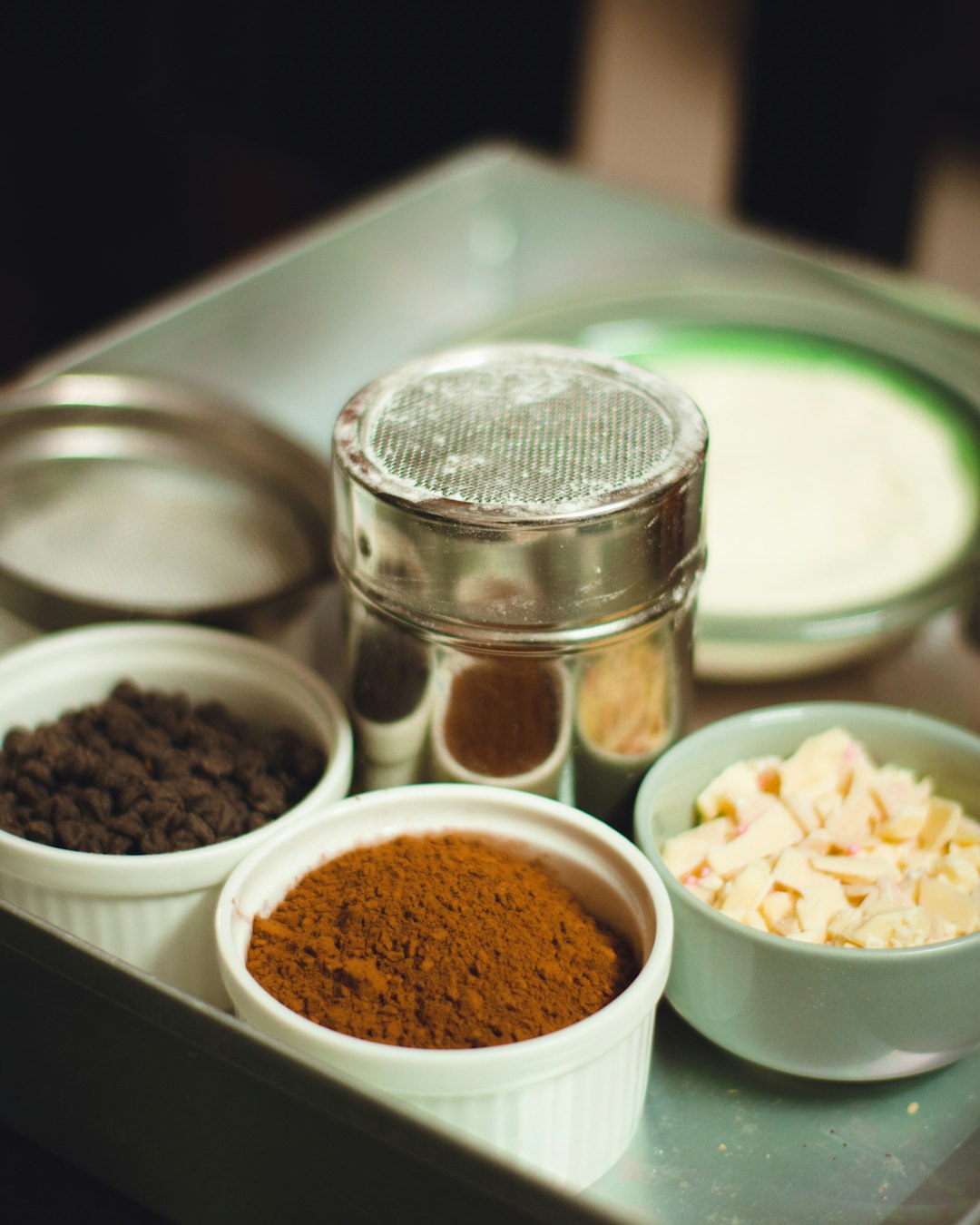
Professional kitchens live by mise en place – everything in its place – which is the best way to stay calm in a professional kitchen, with cooks spending hours chopping and preparing ingredients so they’re ready to add to the pan when needed. This isn’t just about organization; it’s about mental clarity and execution speed. When your onions are already diced, your herbs are chopped, and your spices are measured, you can focus entirely on the cooking process instead of scrambling to prep while your garlic burns in the pan. Before cooking a dish, professional chefs organize their tools and prepare, cut, and measure their ingredients so everything is close at hand and ready to go when it’s time to cook, allowing them to be mentally prepared to execute techniques properly.
The Art of Strategic Fat Usage
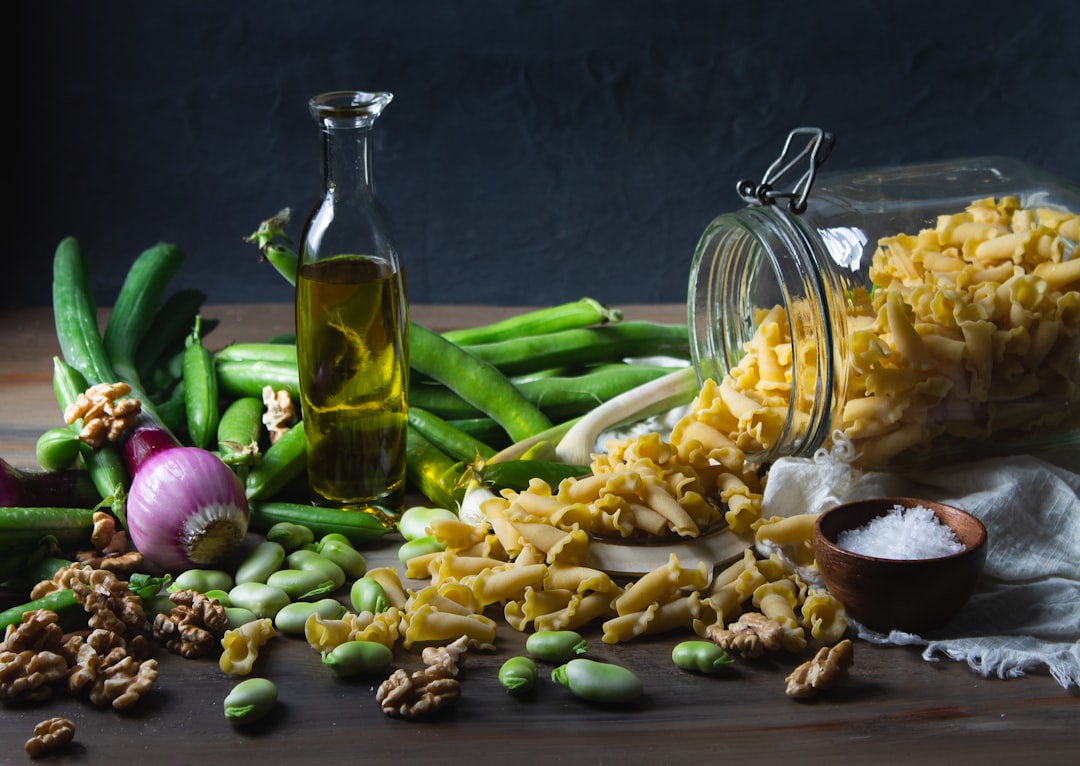
Professional chefs understand that fat coats your tongue and helps carry all the other flavors in the dish, using healthy fats like nuts and avocado but not being afraid of butter, cream and cheese which add serious flavor even in small quantities. Home cooks often fear fat, but restaurants embrace it strategically. It’s not about drowning food in grease – it’s about understanding which fats work when and why. Different cooking oils have unique flavor profiles and smoke points, with some oils like canola or peanut oil better for high-temperature frying, while butter or lard work best for stir-frying and sauteing, and fragrant oils like extra-virgin olive oil being best used raw as finishing oils. The key is knowing when to use what fat for maximum impact.
Uniform Cuts That Actually Matter
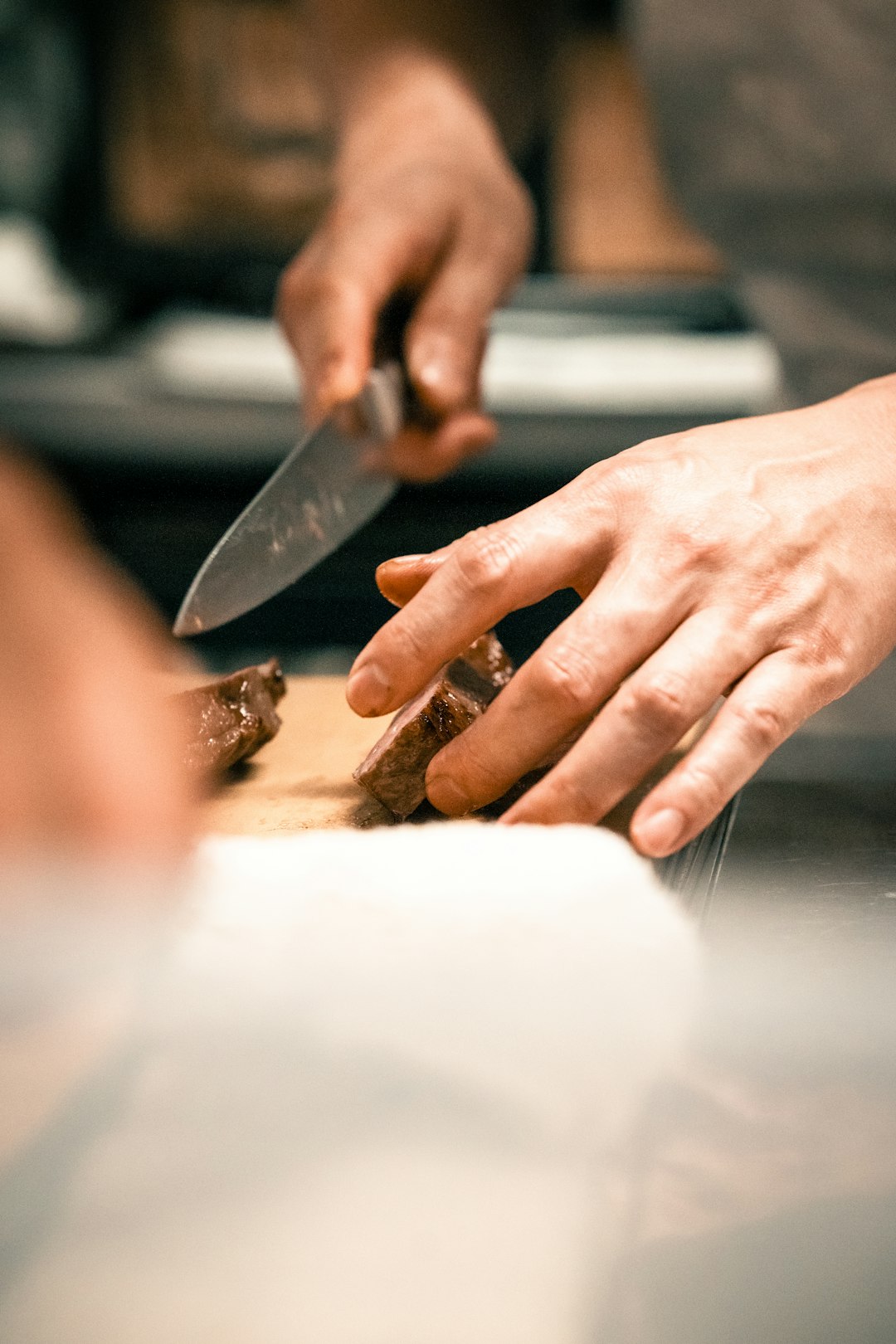
Professional chefs spend significant time chopping, mincing, slicing and dicing not just to make food look nice on the plate, but because it’s really all about how the food cooks, with good knife skills ensuring all ingredients cook evenly and at the same rate. When your carrots are all different sizes, some turn to mush while others stay crunchy – it’s not rustic, it’s inconsistent. Restaurant kitchens demand precision because they understand that cooking is essentially controlled chemistry. The size and consistency of vegetable cuts can elevate cooking and ensure every component of a dish is cooked perfectly – for example, finely chopped vegetables might be more appropriate for a delicate soup than large, chunky pieces. Every piece should hit the same doneness at the same time.
The Height Drop Salt Technique
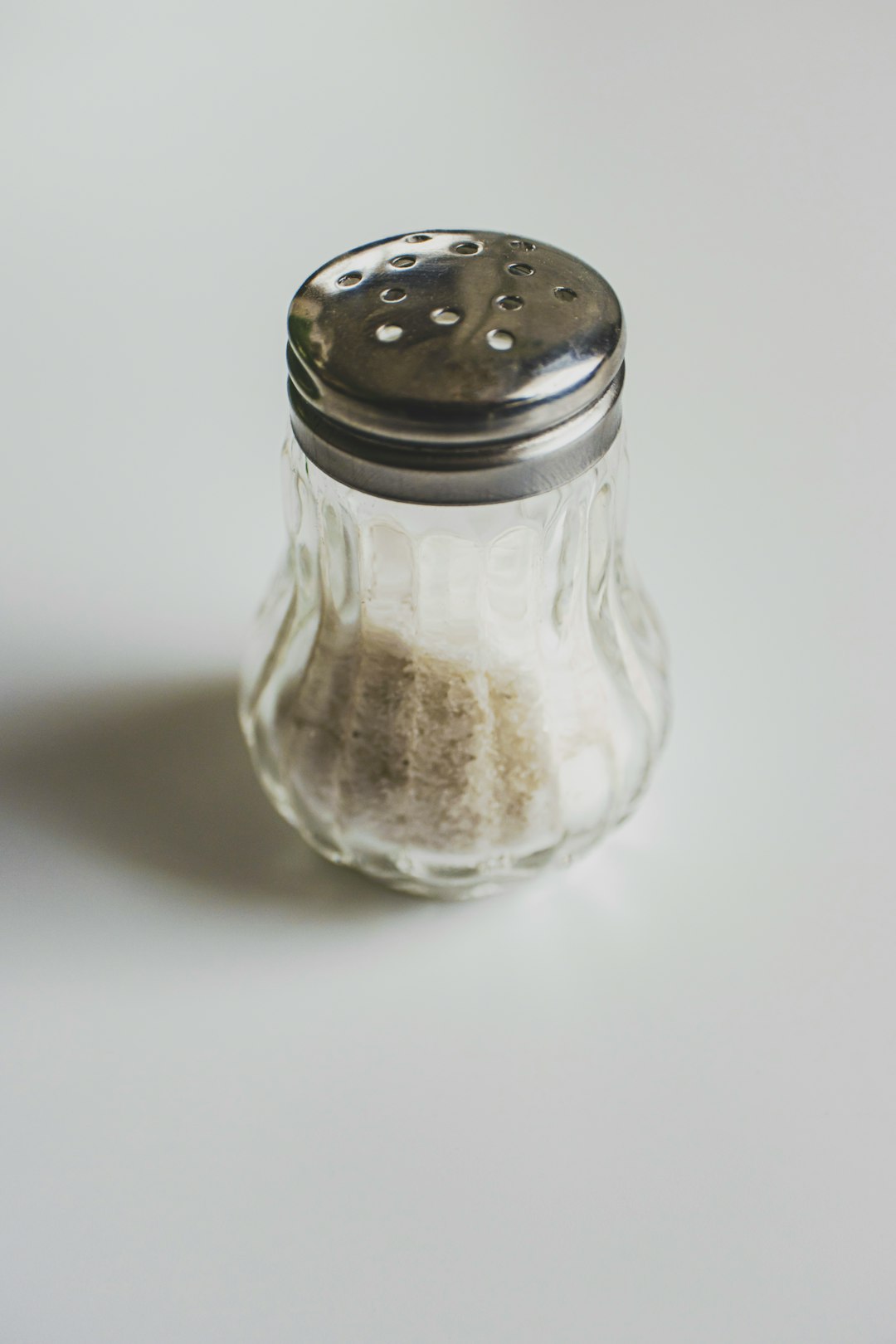
Professional chefs salt their food by sprinkling it from about eight or more inches above the food, which allows for salt crystals to fall more evenly. This isn’t showmanship – it’s physics. When salt falls from height, it distributes more uniformly across the surface instead of creating concentrated salty spots. Home cooks typically pinch salt and drop it directly onto food, creating uneven seasoning that leads to bites that are either bland or overwhelming. The dramatic arm movement you see in professional kitchens serves a real purpose: better salt distribution. The size and shape of salt crystals affect how quickly they dissolve and interact with food, with finer salts dissolving quickly during cooking to ensure even flavor distribution.
Temperature Testing Without Thermometers
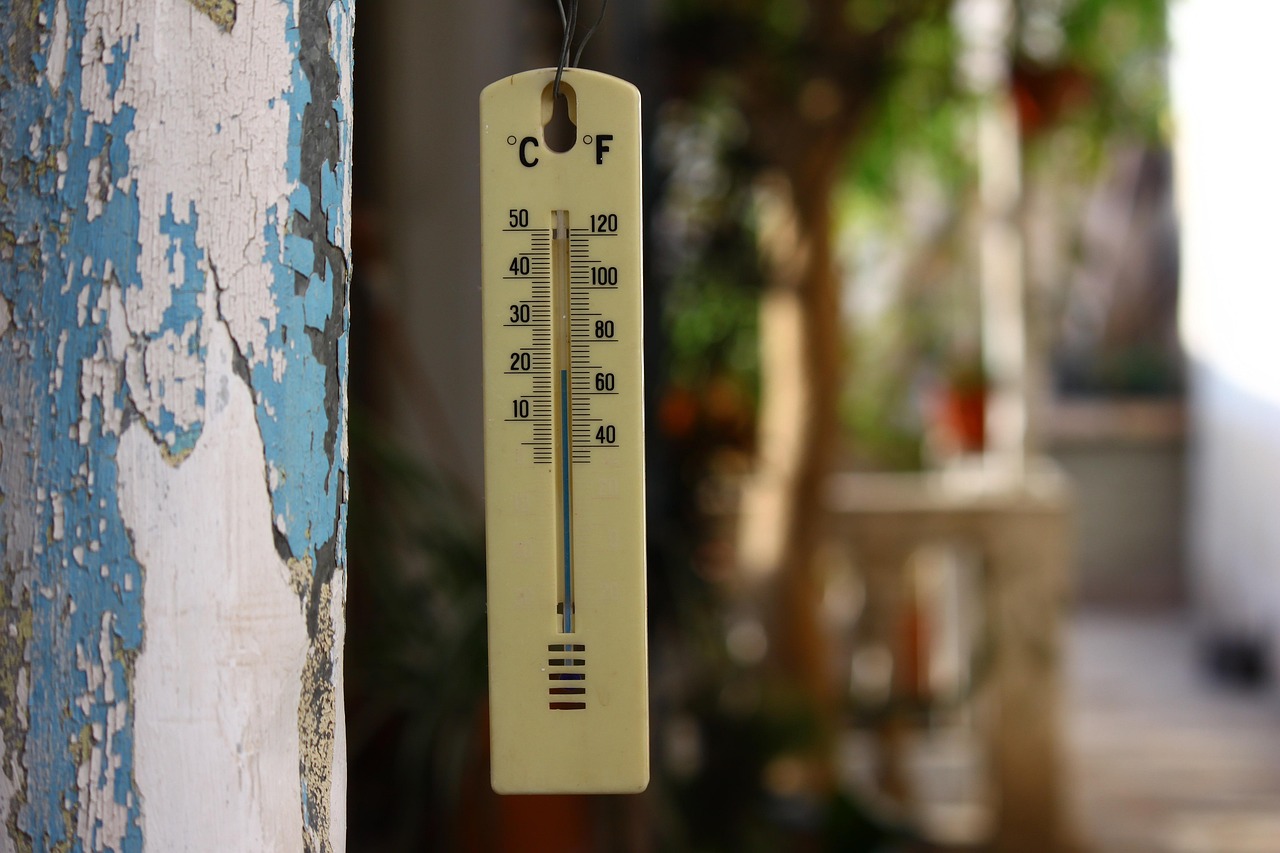
Professional kitchens use simple cake testers to check doneness of vegetables, seafood, and scallops by placing the tester in the center – if the metal is warm, the food is done. This technique gives you instant feedback without cutting into your protein or vegetable. Restaurant cooks develop an almost supernatural ability to gauge temperature through touch, sound, and visual cues. They listen to the sizzle intensity, watch for color changes, and use their palms to gauge heat radiating from pans. Since professional kitchen burners are much hotter than home versions, restaurant cooks let their pans heat up while prepping other ingredients to mimic that intense heat level. It’s about developing sensory cooking skills that go beyond relying on gadgets.
The Magic of Blanching for Color and Texture
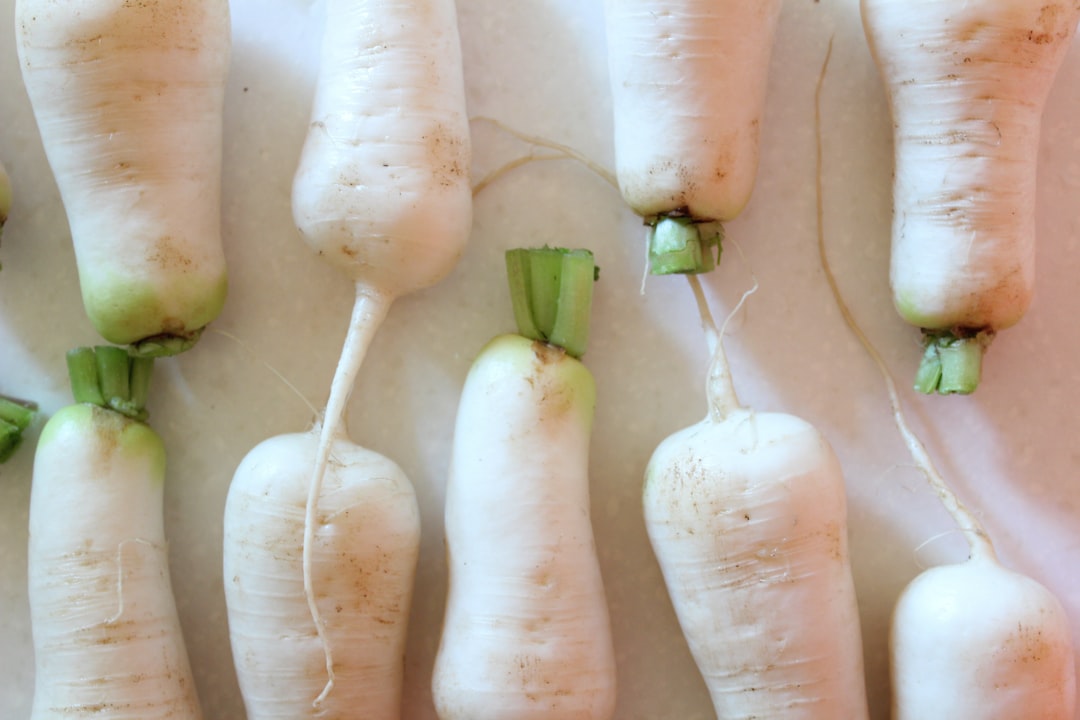
Restaurant vegetables appear brighter and more vibrant because they’re blanched – briefly boiled to bring out bright color without cooking them completely through, resulting in tender-crisp and delicious vegetables every time. This technique stops the cooking process at the perfect moment while locking in both color and nutrients. Home cooks often either undercook vegetables leaving them raw and tough, or overcook them into mushy disappointment. Professional kitchens use blanching as a prep technique, partially cooking vegetables during slow periods, then finishing them quickly during service. The result is vegetables that maintain their structural integrity while developing proper tenderness and vibrant appearance that makes diners think the kitchen has magical powers.
Strategic Protein Preparation
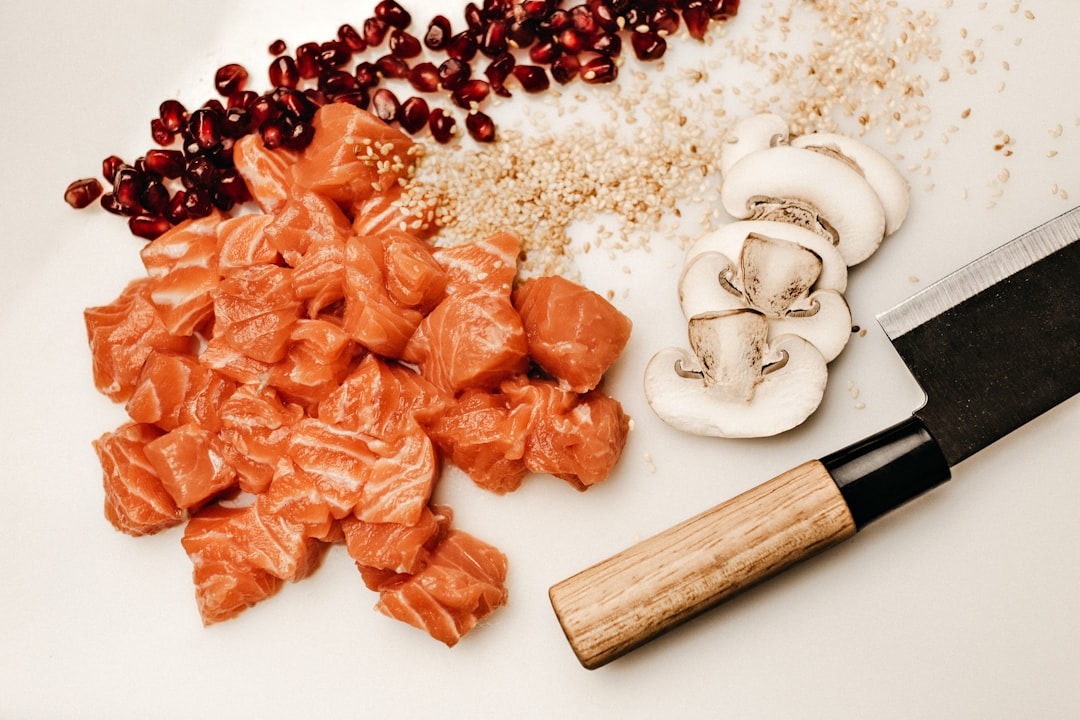
Every line cook knows that the only way to get a deep sear is to thoroughly dry proteins with paper towels to ensure the sear is dark, crisp, and flavorful. Moisture is the enemy of browning – it creates steam instead of the Maillard reaction that produces those coveted crispy, flavorful surfaces. Restaurant chefs also use brining for lean meats like chicken and pork chops, as the salty solution tenderizes tough muscle fibers while helping proteins retain moisture during cooking for juicier results. Professional kitchens treat protein preparation like a science experiment, understanding exactly how moisture, salt, and heat interact to create optimal textures and flavors that home cooks struggle to replicate.
Chopsticks as the Ultimate Kitchen Tool
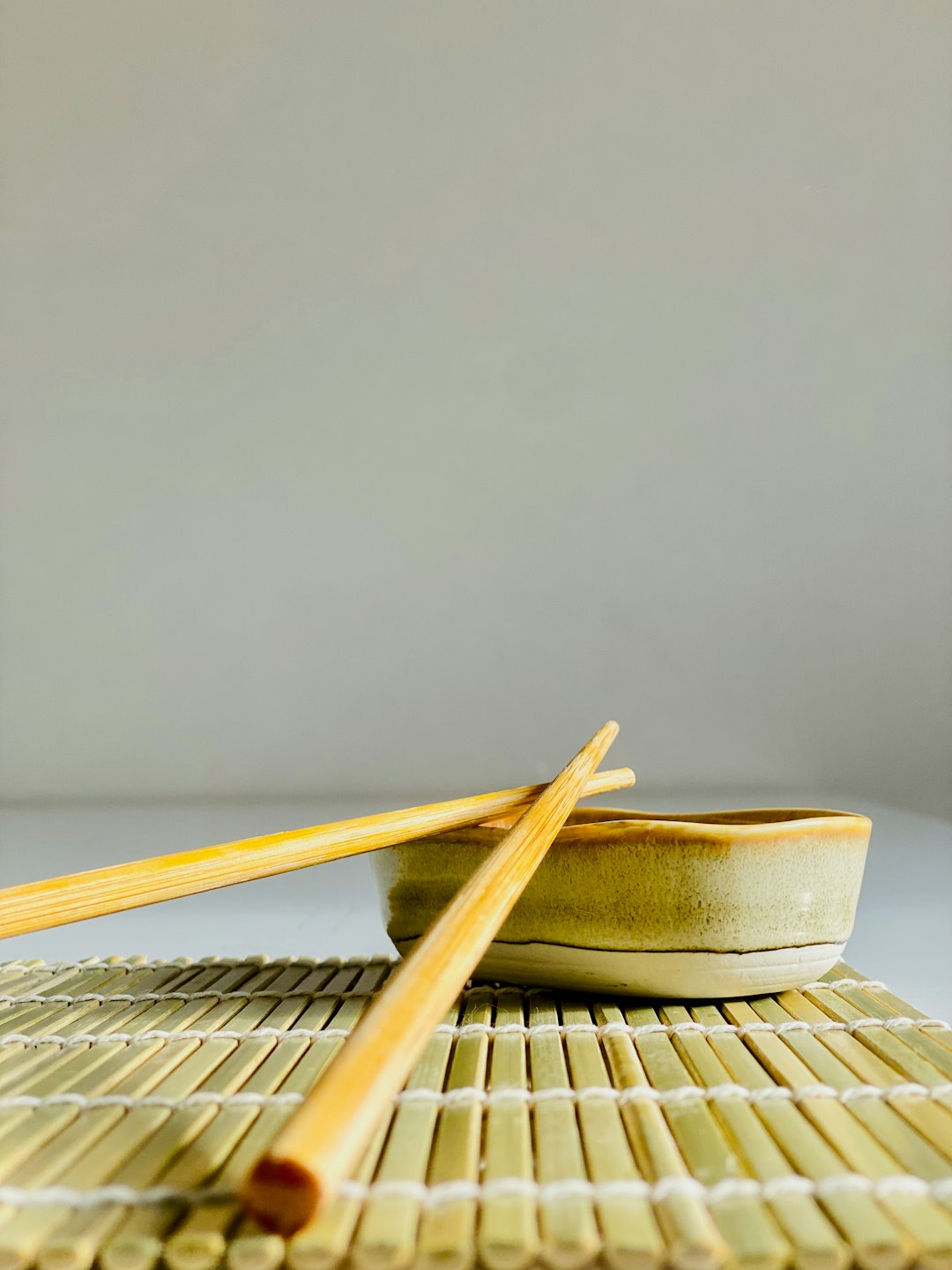
Professional line cooks use chopsticks as their go-to tool for almost everything, making them moonlight as tongs, spoons, and spatulas, especially helpful during brunch service for quickly making hundreds of scrambled eggs and omelets since wooden chopsticks don’t scratch nonstick pans. This might sound gimmicky, but it’s purely practical. Chopsticks give you precise control, they’re heat-resistant, they can reach into tight spaces, and they won’t damage delicate surfaces. Restaurant cooks realize that the right tool can make the difference between struggling through a technique and executing it flawlessly. They’re also perfect for cutting herbs like chives or green onions in small amounts, allowing you to drop them directly into prepared dishes while cutting, with cleanup being just a rinse of the scissors rather than washing knives and cutting boards.
The Power of Pasta Water
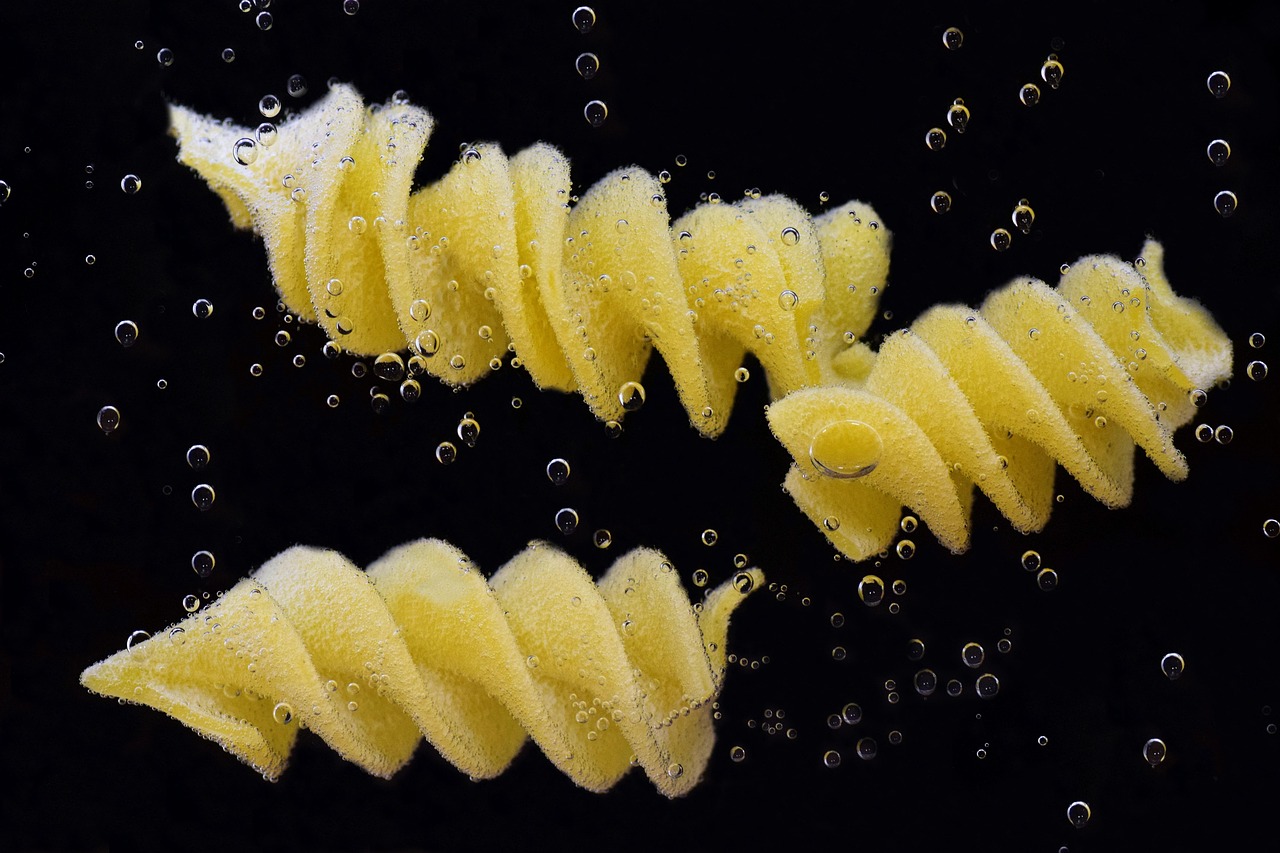
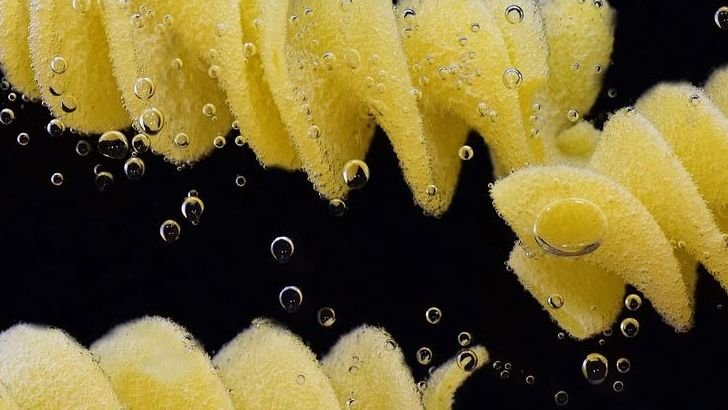
Restaurant pasta always seems more decadent because chefs use starchy pasta water – when pasta cooks, some starch stays in the water, and restaurants finish their noodles by adding a small ladleful of this starchy water to help bridge the gap between pasta and sauce. This isn’t just about thinning sauce – it’s about creating emulsification that makes everything cling together properly. The best restaurant pasta is finished cooking directly in the sauce, giving noodles a chance to absorb more flavor so the dish comes together as one instead of simply being an assembly of different ingredients. Home cooks typically drain pasta completely and pour sauce on top, missing this crucial integration step that transforms separate components into a unified dish.
Cast Iron Over Everything Else
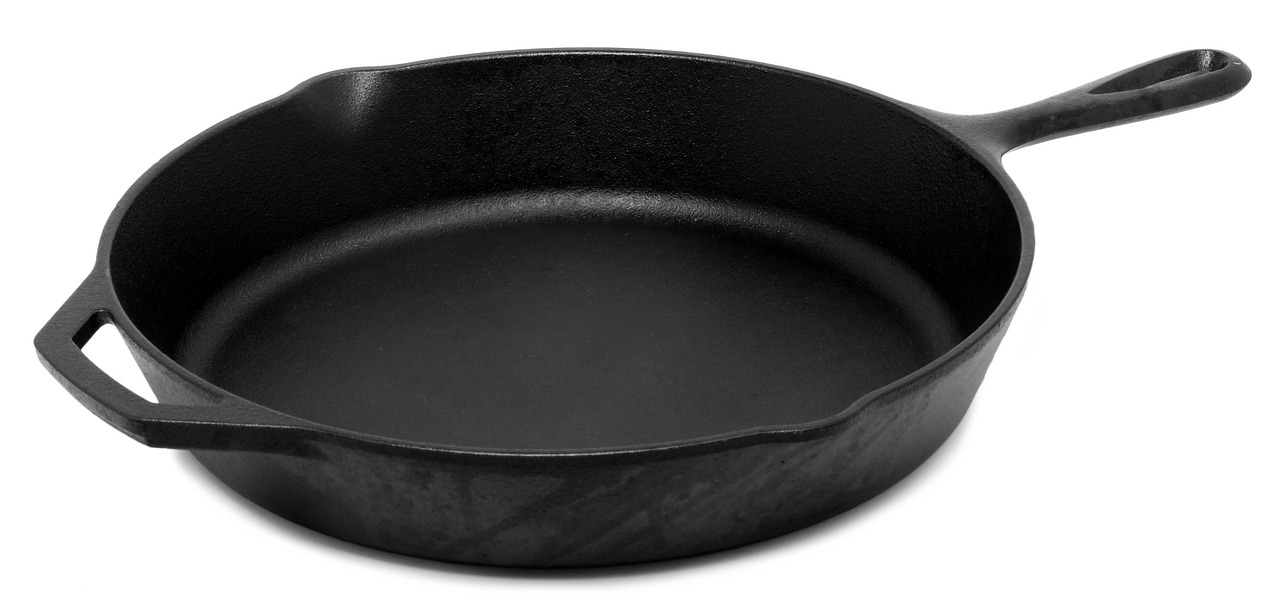
Professional kitchens prefer cast iron pans over non-stick because cast iron can be used to cook all sorts of recipes, creates perfect stovetop steaks, and the dense metal is nearly immune to damage while creating an even finish on dinner favorites. Non-stick pans are thin and don’t get very hot, so for achieving dark sears, professionals ditch non-stick for stainless steel pans or heavy skillets. Restaurant cooks understand that different tools produce different results – they’re not afraid to use the right equipment for the job. Cast iron retains heat better, distributes it more evenly, and can go from stovetop to oven without skipping a beat. Home cooks often rely too heavily on non-stick convenience, missing out on the superior heat retention and versatility that makes restaurant cooking possible. The tool shapes the technique, and the technique shapes the final result.