
Rice Harboring Deadly Bacteria
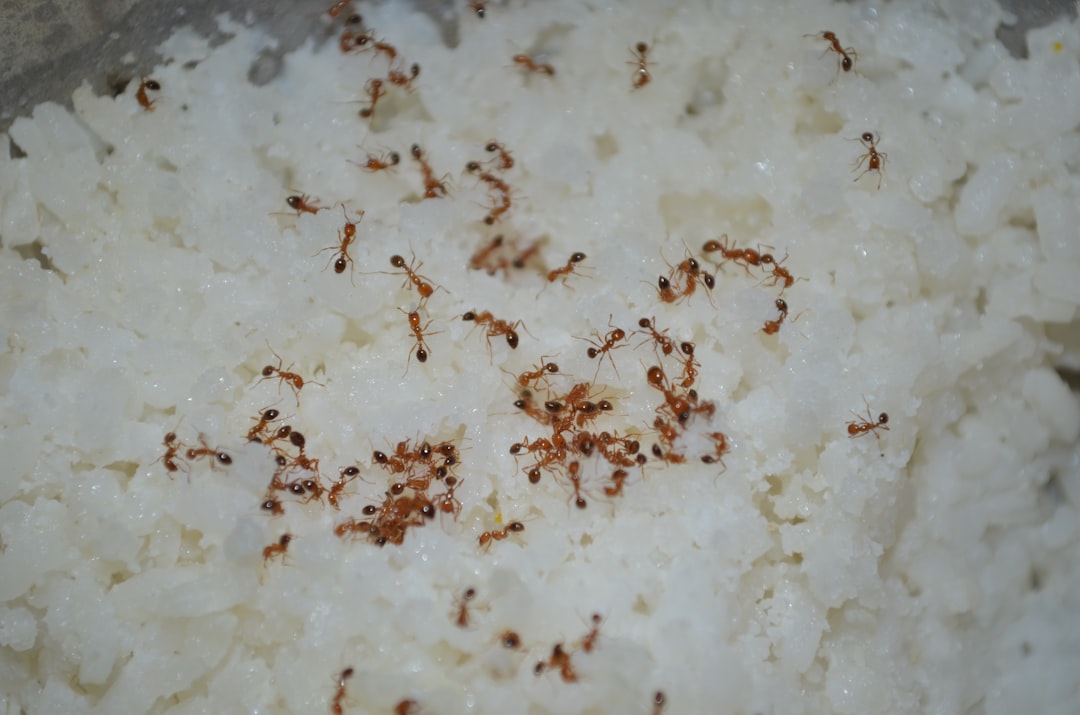
Reheated rice syndrome, or fried rice syndrome, is food poisoning caused by the Bacillus cereus (B. cereus) bacterium. Symptoms can include vomiting and diarrhea. Heat kills this bacteria, but it can have produced spores that are toxic, according to findings in the International Journal of Food Microbiology – and surprisingly heat resistant. A number of studies confirm that once rice comes out of the microwave and is left out at room temperature, any spores it contains can multiply and cause food poisoning if you eat it. According to health experts, Bacillus cereus causes thousands of annual cases of foodborne illness in the United States.
Symptoms of diarrheal reheated rice syndrome usually occur within 6 to 15 hours after consuming the rice. Symptoms of emetic reheated rice syndrome typically begin within 30 minutes to 6 hours. These toxins are heat stable and will survive getting zapped in the microwave or cooked in another dish. The symptoms hit fast too, with symptoms from Bacillus cereus forming within 6 to 12 hours, which is faster than most foodborne illnesses.
Chicken Creating Protein Breakdown
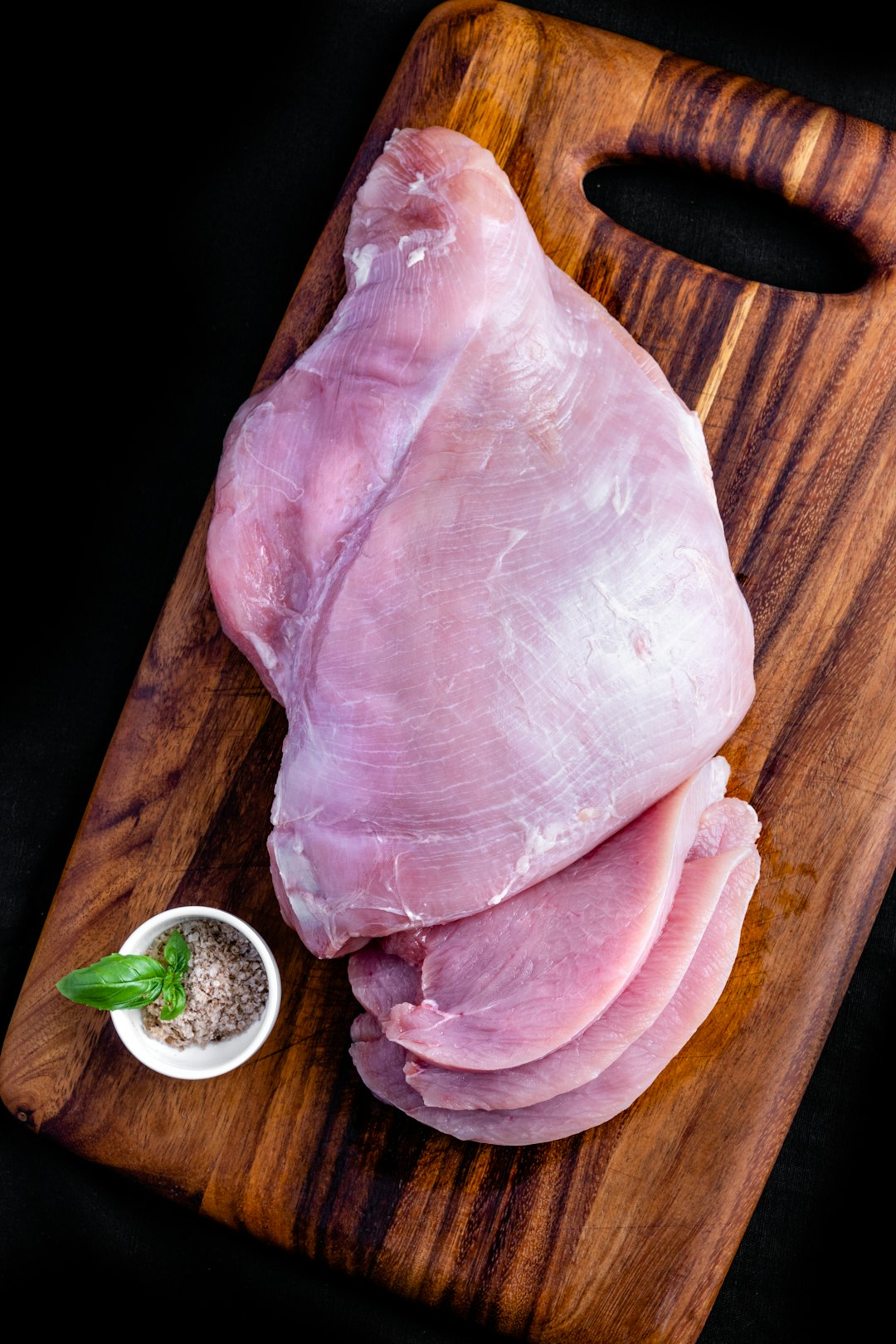
Reheating chicken and processed meats like ham and turkey can be harmful. Chicken proteins break down when reheated, forming toxins that may cause digestive issues. Since microwaves don’t fully or evenly cook all parts of the meat, you’re more likely to be left with surviving bacteria, such as salmonella. Some studies suggest that microwaves may not heat meat as evenly as conventional methods, potentially leaving surviving bacteria. This stark difference shows just how dangerous microwave reheating can be for poultry.
Salmonella can cause death, but rarely. People most likely to suffer death or other severe salmonella symptoms are those in vulnerable groups, such as the elderly, children, pregnant people, and individuals with compromised immune systems (via Healthline). More common, less serious Salmonella symptoms include stomach pain, headaches, chills, fever, diarrhea, or nausea.
Spinach Converting to Carcinogens
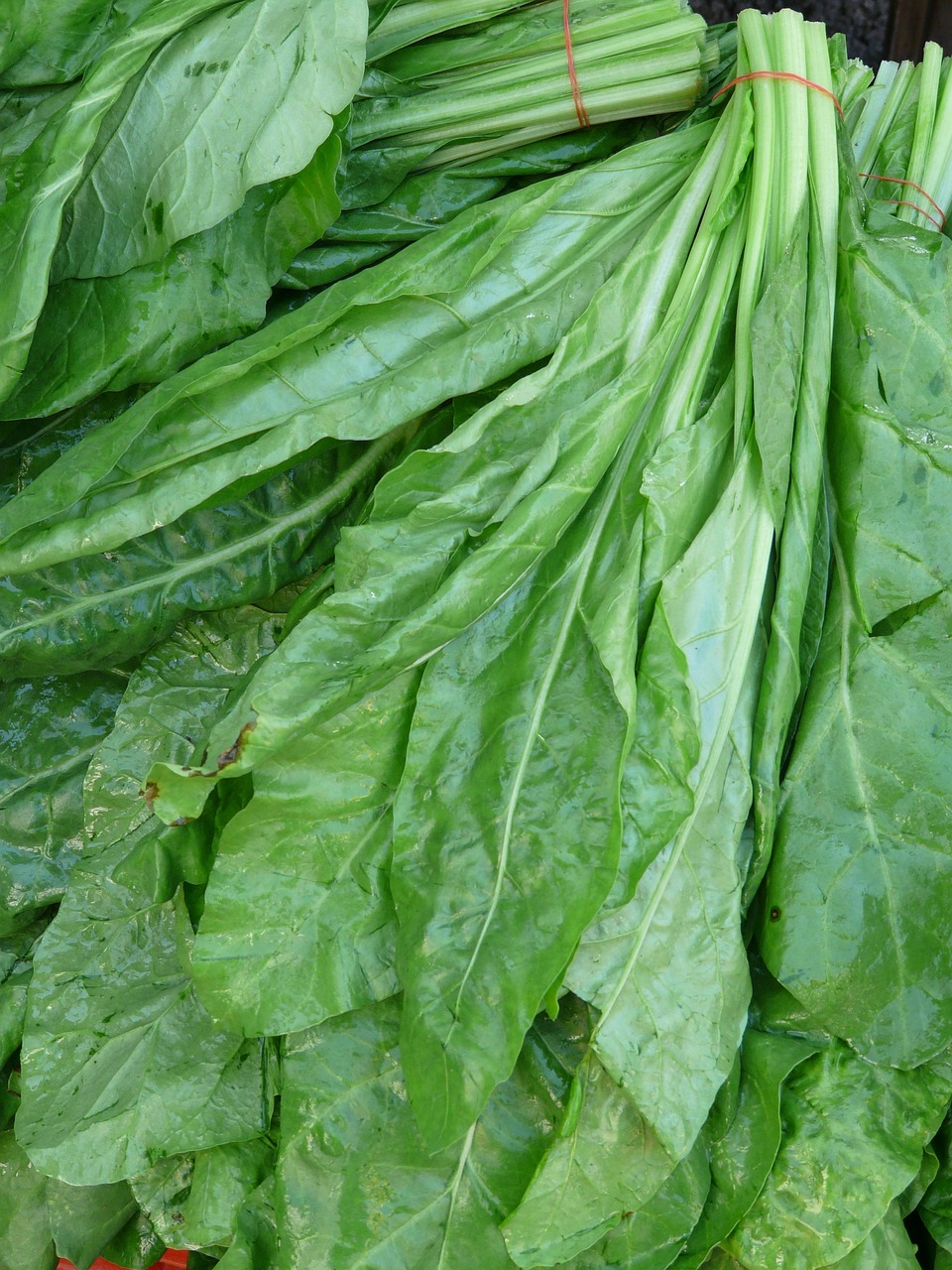
Reheating spinach and other leafy greens can lead to toxic reactions due to the buildup of nitrates. When vegetables like spinach are cooked and then stored, they can convert nitrates into harmful compounds. Reheating spinach can turn the nitrates and nitrites into N-nitrosamines, a known carcinogen that can cause different forms of cancer (via “Encyclopedia of Toxicology”). Per a 2017 paper published in Oncotarget, these nitrosamines can also cause liver damage and lead to major issues like cirrhosis.
To summarize, spinach does contain a high amount of nitrates, and this is converted to nitrites by enzymes within the plant cells, and by bacterial action on the vegetables before cooking, after cooking, and after ingestion. It is probably not the action of reheating the spinach that is the issue, but that the cooked spinach has been left at room temperature before being refrigerated, since this period of time allows for an accumulation of nitrites. A study published in the scholarly journal Foods recommends not storing boiled spinach for more than 12 hours at room temperature, if you want to avoid a “direct nitrate safety risk” and “adverse health effects.”
Mushrooms Changing Protein Structure

Mushrooms are another food item that can pose health risks when reheated. They contain proteins that can break down when cooked and then reheated, which could potentially lead to gastrointestinal discomfort. It’s advisable to consume mushrooms immediately after cooking and to avoid repeated reheating. Mushrooms Changing Protein Structure (image credits: unsplash) Reheating mushrooms is not recommended as they are prone to bacterial contamination. Mushrooms have a high protein content, and reheating may not eliminate bacteria, leading to digestive issues. Mushroom leftovers should not be reheated, as the protein and the nutrient levels in the mushrooms, can turn toxic and cause digestive problems.
Even if they don’t produce harmful substances, some mushrooms are still not safe for consumption if they were mishandled or grown in fertilizer that was not properly sterilized. Without the proper temperature or pH for the processing of mushrooms, they may harbor harmful bacteria such as Salmonella, Listeria, or Staphylococcus spp. Mushrooms contain proteins that begin breaking down immediately after cooking. When left at room temperature or reheated multiple times, these proteins degrade further, creating compounds that upset your digestive system. The delicate structure of mushrooms makes them particularly vulnerable to bacterial contamination.
Fish Developing Scombroid Poisoning

Fish can spoil quickly, and reheating it can exacerbate potential health issues. Fish contains histidine that can convert to histamine if the fish is not stored properly after cooking. This can lead to scombroid poisoning, characterized by allergic reactions. Scombroid is caused by eating fish that contain high levels of histamine. Bacteria convert histidine, an essential amino acid found in the flesh of the fish, to histamine. The process of histidine conversion can be mitigated by inhibiting bacterial growth through proper storage of freshly caught fish by refrigeration or icing.
Conversely, when fish are improperly stored after capture, bacterial overgrowth can occur, facilitating and accelerating histamine production. One of the most common fish poisonings, scombroid occurs worldwide in both temperate and tropical waters. Fish typically associated with scombroid have naturally high levels of histidine in their flesh and include amberjack, anchovies, bluefish, herring, mackerel, mahi mahi (dolphin fish), marlin, sardines, and tuna. Histamine and other scombrotoxins are resistant to canning, cooking, freezing, and smoking.
Eggs Releasing Toxic Sulfur Compounds

Eggs are highly nutritious but can become toxic when reheated. Reheating scrambled or boiled eggs can cause them to release sulfur compounds, which may lead to stomach upset or worse. Eggs are also prone to contamination by bacteria like Salmonella if left out too long. Eggs can be risky to reheat due to the potential for bacteria growth, especially salmonella. When eggs are initially cooked, if they are not handled and stored correctly, harmful bacteria can multiply.
Morning scramble leftovers might scramble your stomach later! Eggs provide the perfect medium for Staphylococcus aureus bacteria, which produce heat-resistant toxins even after thorough cooking. The proteins in eggs also undergo chemical changes during storage and reheating.
Potatoes Creating Botulism Breeding Grounds

According to Food Safety News, the source of the botulism was “potatoes stored at room temperature for two weeks.” As the Food Poisoning Bulletin explains, the greatest risk for potato-based-botulism comes from baked potatoes stored in the fridge in aluminum foil. The foil wrapping creates that perfect oxygen-free environment where this deadly bacteria loves to multiply. Spuds might seem harmless, but improperly stored baked potatoes create the perfect breeding ground for Clostridium botulinum. The aluminum foil wrapping many people use creates an oxygen-free environment where this dangerous bacteria thrives. Even a few bites of affected potato can cause botulism – a potentially fatal illness. The toxin attacks your nervous system, causing difficulty breathing, muscle paralysis, and in severe cases, the end of your life.
This bacteria can thrive in low-oxygen environments, such as wrapped potatoes. To stay safe: – Store cooked potatoes in the refrigerator promptly. – Reheat them thoroughly before consumption.
Oils Forming Toxic Aldehydes
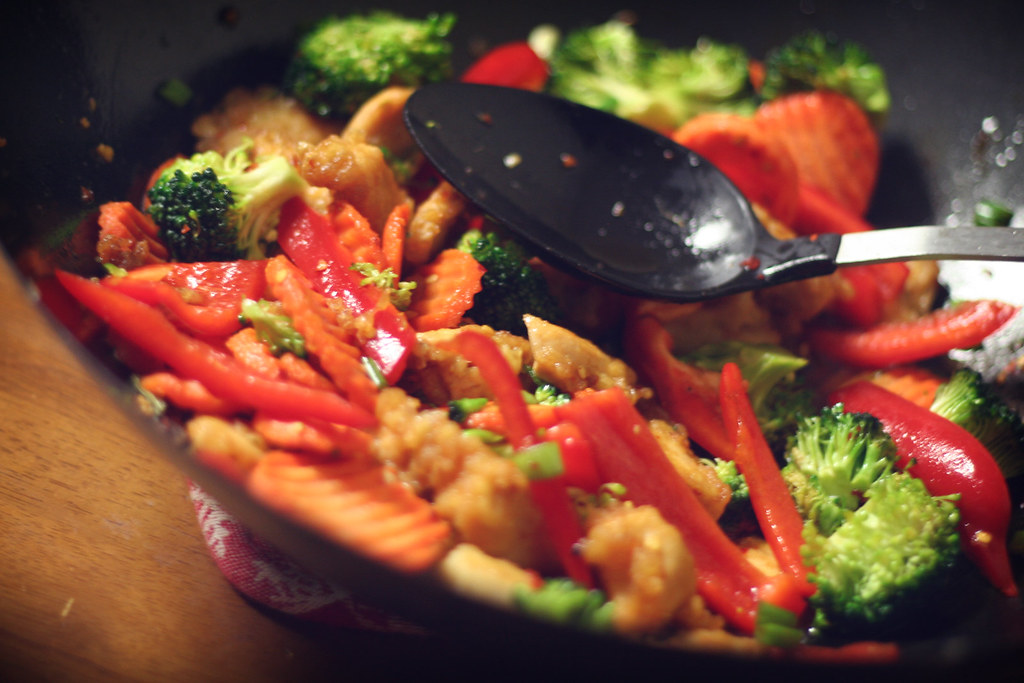
Researchers have been the first to discover the presence of certain aldehydes in food, which are believed to be related to some neurodegenerative diseases and some types of cancer. These toxic compounds can be found in some oils, such as sunflower oil, when heated at a suitable temperature. When oils are repeatedly heated and reheated, they undergo chemical changes that create potentially harmful compounds.
These aldehydes form especially when cooking oils reach high temperatures during multiple heating cycles. The process is accelerated when food particles remain in the oil, creating a perfect environment for toxic compound formation. Many families unknowingly expose themselves to these dangers by reusing frying oils or reheating oil-cooked dishes multiple times.
Celery and High-Nitrate Vegetables
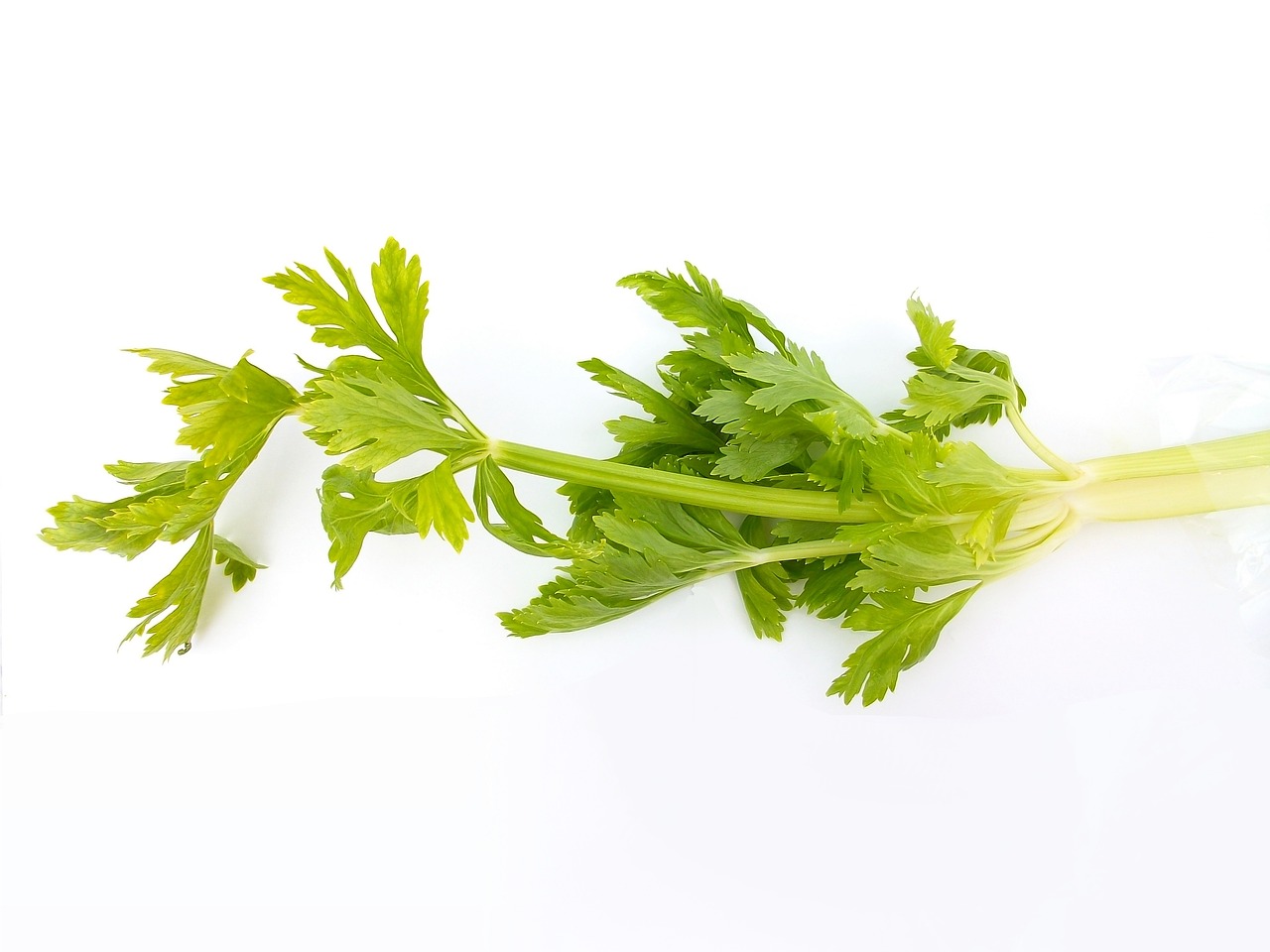
These three were also mentioned as having high levels of nitrates. However, I unearthed this factsheet on nitrates and nitrites, and it stated that the vegetables that contain the most nitrates include lettuce, spinach, beetroot, celery and radishes. A study by the Centre for Food Safety has revealed that among the leafy vegetables, amaranth (莧菜), green Chinese cabbage (小棠菜), Pak-choi (白菜), and spinach (菠菜) have higher levels of nitrate. Beetroot (紅菜頭), a root vegetable, also has a high level of nitrate.
Nitrate is relatively non‐toxic by itself, but its metabolite, nitrite can lower the ability of blood to carry oxygen in humans. Nitrate can be converted to nitrite by: • an enzyme (known as nitrate reductase) naturally present in vegetables; or • bacteria. Celery and other high-nitrate vegetables pose similar risks to spinach when reheated, converting beneficial nitrates into potentially harmful nitrites and nitrosamines.
Processed and Cured Meats Concentrating Bacteria
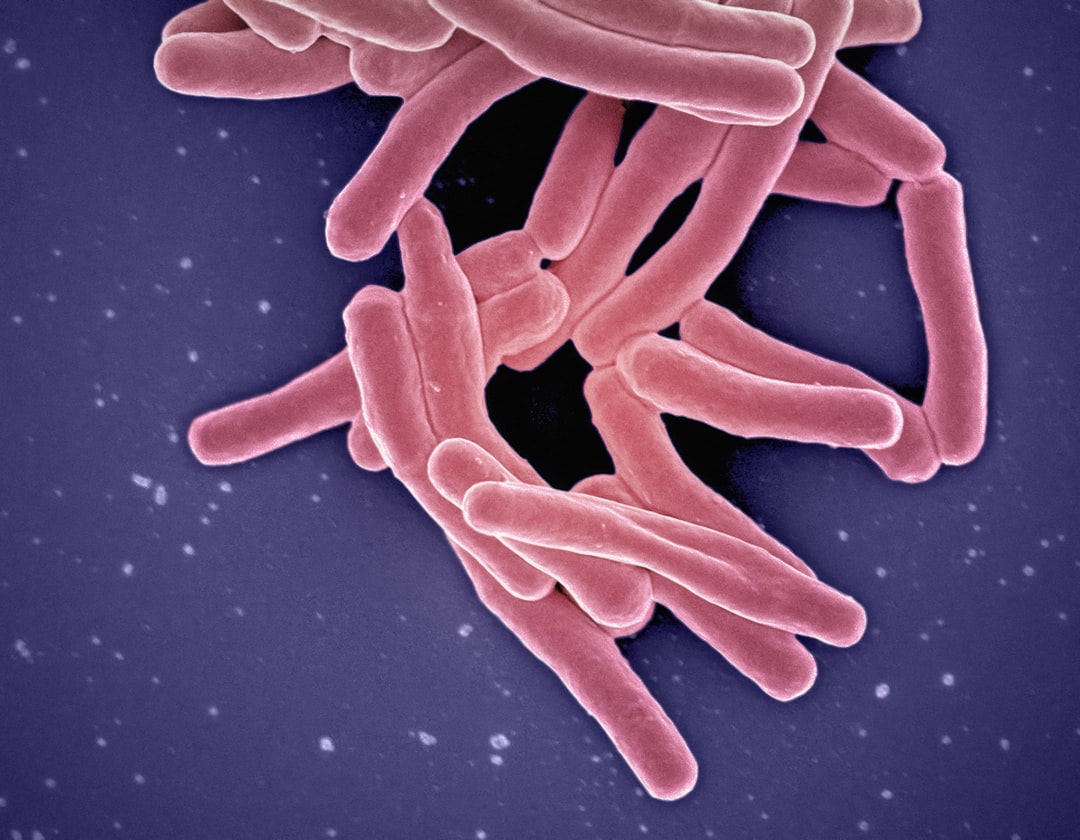
The danger arises when chicken is cooked and then cooled improperly. Pathogenic bacteria such as Salmonella or Campylobacter can be harbored and become more concentrated during the cooling process. It is imperative always to reheat chicken to an internal temperature of 165°F (74°C) and to avoid reheating multiple times. Ham, turkey, and other processed meats face similar bacterial concentration issues when reheated improperly.
These meats often contain preservatives like nitrates and nitrites, which can form harmful compounds when exposed to high heat repeatedly. The protein structure in processed meats breaks down more rapidly than in fresh meats, creating an environment where bacteria can multiply quickly. According to various reports, contaminated food continues to be a significant health concern. This increase is worrisome, as severe illness can have long-lasting consequences: lifetime health conditions, distressed loved ones and families burdened by medical expenses. Foodborne illness deaths remain a serious public health concern.
Despite knowing these dangers, families continue reheating leftovers because it seems convenient and wasteful not to use them. The 2015 WHO report on the estimates of the global burden of foodborne diseases presented the first-ever estimates of disease burden caused by 31 foodborne agents (bacteria, viruses, parasites, toxins and chemicals) at global and sub-regional levels, highlighting that more than 600 million cases of foodborne illnesses and 420 000 deaths could occur in a year. The burden of foodborne diseases falls disproportionately on groups in vulnerable situations and especially on children under 5, with the highest burden in low- and middle-income countries. These staggering statistics show how widespread foodborne illness really is, yet most people never connect their reheating habits to potential health risks.