19) Tomatoes
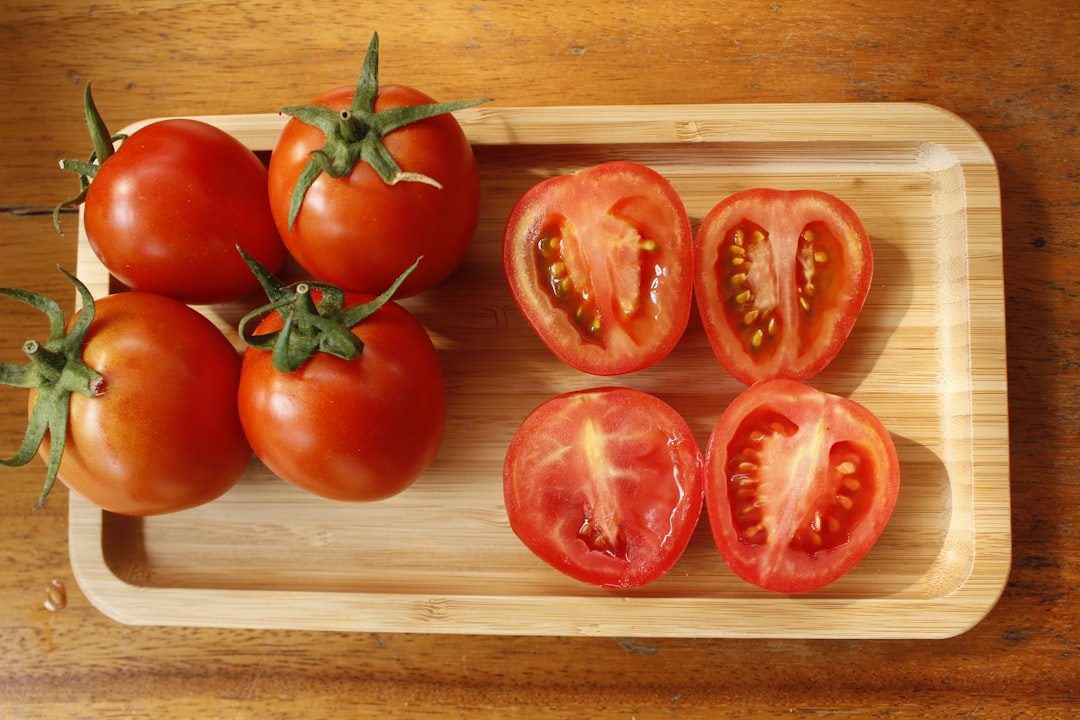
– Shocking but true: the fridge can wreck a tomato’s juicy texture and mute its sunshine-sweet flavor almost overnight. – Cold temps break down cell walls, making tomatoes turn mealy instead of luscious, especially below roughly about fifty degrees Fahrenheit. – Keep whole tomatoes at room temperature on the counter, ideally around the mid-sixties to low seventies Fahrenheit, stem side down to slow moisture loss.
– For the best taste, let them ripen fully on the counter and slice only when you’re ready to eat. – Only refrigerate once cut, and even then for no more than a day or two in a sealed container to limit flavor loss. – A simple rule: if it smells like a garden when you pick it up, it belongs on the counter, not the fridge shelf.
18) Potatoes
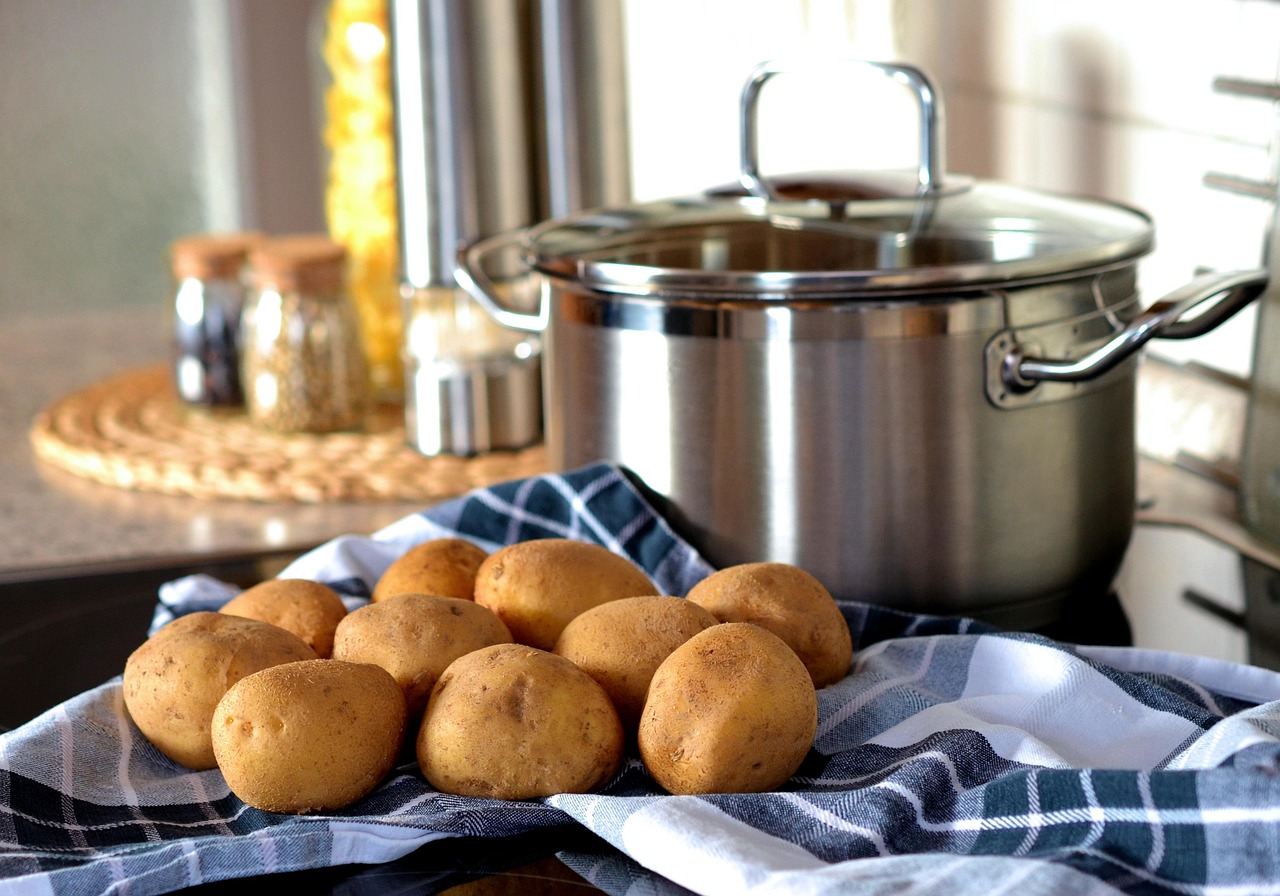
– Cold turns potato starch into sugar, which can make cooked potatoes taste oddly sweet and brown too fast. – When you fry or roast “cold-sweetened” potatoes, those extra sugars can promote more acrylamide formation, which you don’t want. – Store potatoes in a cool, dark, well-ventilated spot around forty-five to fifty-five degrees Fahrenheit, not the refrigerator.
– Skip plastic bags; use a paper bag, basket, or open bin to let them breathe. – Keep them away from light to prevent greening and away from onions to slow sprouting. – Don’t wash before storing, and plan to use them within a couple of weeks for the best texture.
17) Onions
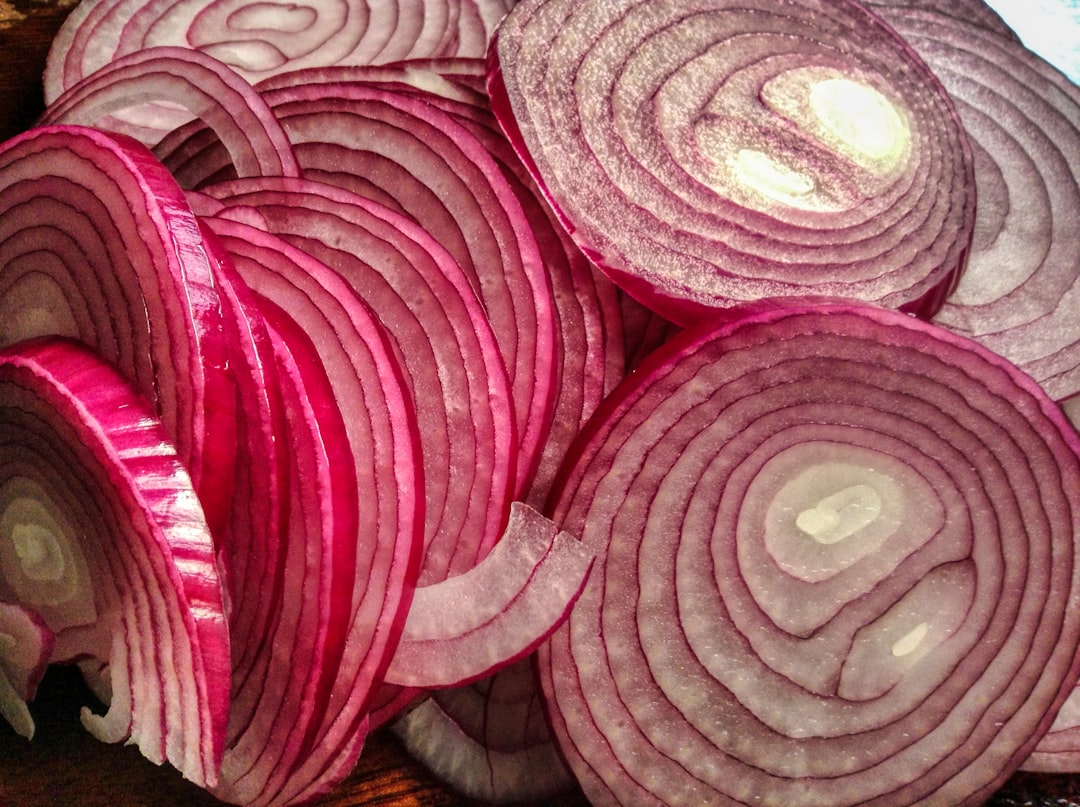
– The fridge’s humidity makes whole onions soft, damp, and more likely to mold. – Onions prefer a dry, ventilated home between about fifty and sixty degrees Fahrenheit, like a pantry or cellar. – Stash them in a mesh bag or basket and keep them far from potatoes, which release moisture and gases that speed spoilage.
– Whole onions last weeks in a dry spot, while cut onions should go in the fridge in a sealed container and used within a few days. – If your eyes sting when chopping, chill the cut pieces afterward, not before. – For long storage, choose firm bulbs with tight necks and avoid any with soft spots.
16) Garlic
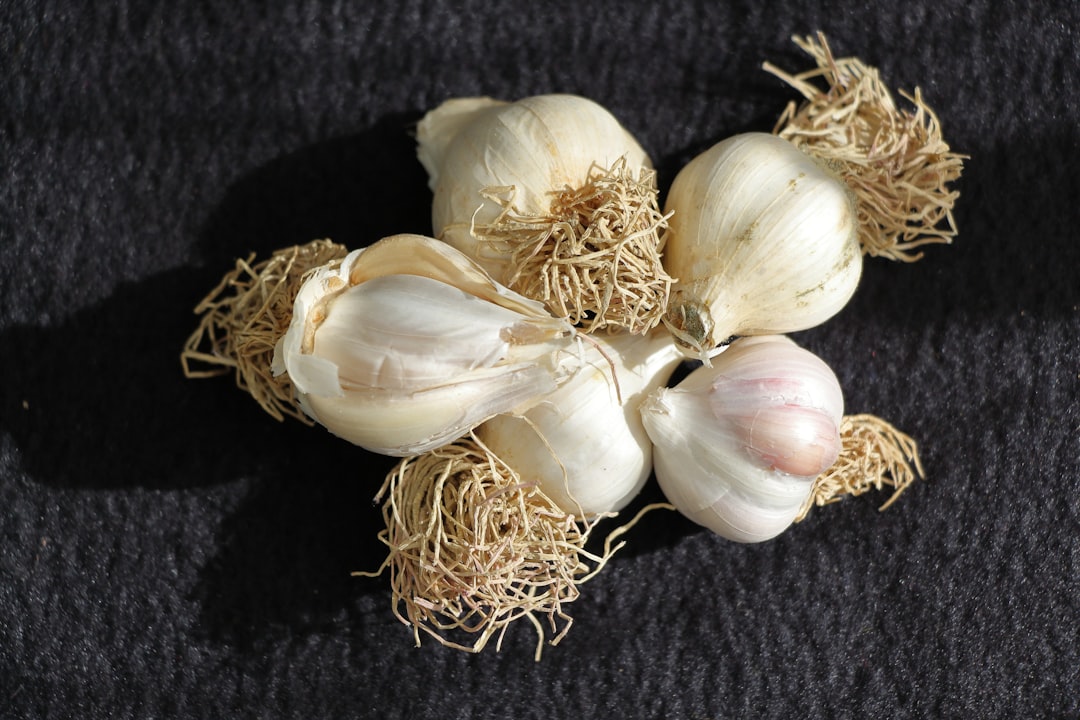
– Refrigeration pushes garlic to sprout, turning cloves sharp, rubbery, and a little sad. – Whole heads want cool, dry air in the low sixties Fahrenheit and darkness to stay sweet and punchy. – A small basket on a breezy shelf or a ventilated crock works wonderfully.
– Keep the papery skins on until you’re ready to cook to lock in moisture and flavor. – Once peeled or minced, refrigerate promptly and use within a few days for safety. – Avoid storing garlic with high-humidity produce that can nudge it toward mold.
15) Bread
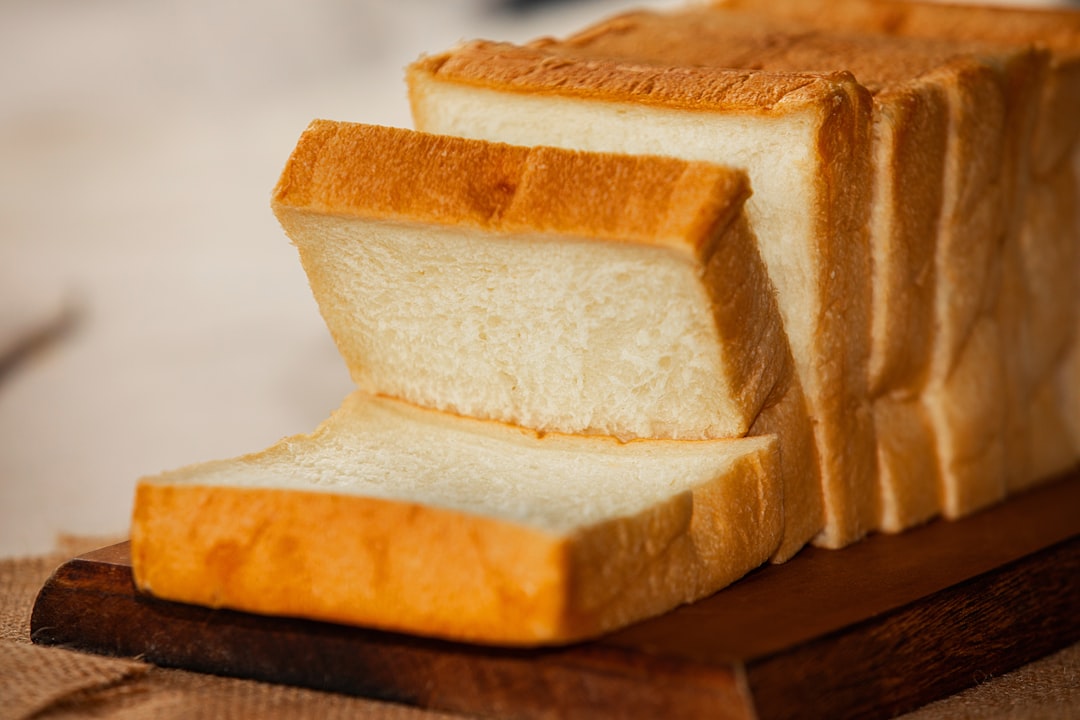
– The fridge speeds up staling because starches retrograde faster in cold, which is as disappointing as it sounds. – Keep your loaf at room temp in a bread box or paper bag for two to three days of soft slices. – For longer than that, freeze, don’t refrigerate, and toast straight from frozen for a quick, crispy fix.
– Avoid airtight plastic on the counter unless you like a softer crust and a shorter window before mold. – Slice before freezing so you can pull only what you need. – If you love sourdough’s crackle, room temp is your best friend.
14) Bananas
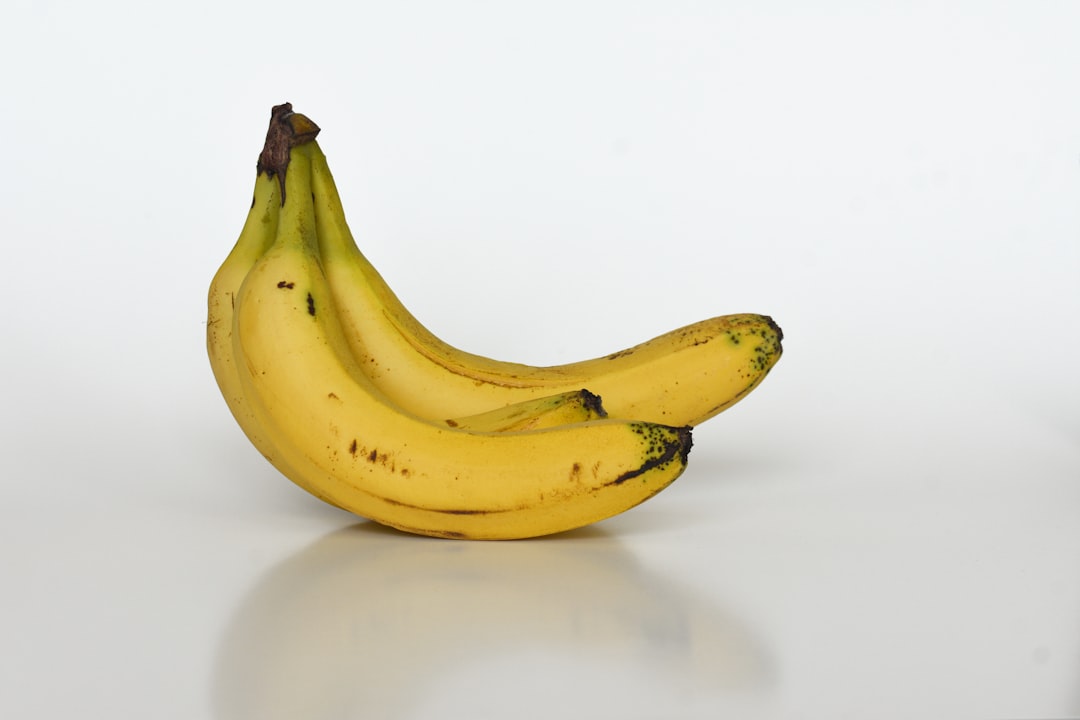
– Bananas hate the cold; below the mid-fifties Fahrenheit, their skins blacken and the texture turns grainy. – The chill disrupts ripening enzymes, so you get a weird mix of under-ripe inside and bruised-looking outside. – Let them ripen on the counter, ideally on a hanging hook to minimize pressure spots.
– If you need to speed things up, pop bananas in a paper bag with a ripe apple for a day. – Once fully ripe, you can refrigerate to slow browning, but expect the peel to darken fast. – For smoothies, peel and freeze in chunks instead of chilling whole.
13) Avocados (Unripe)
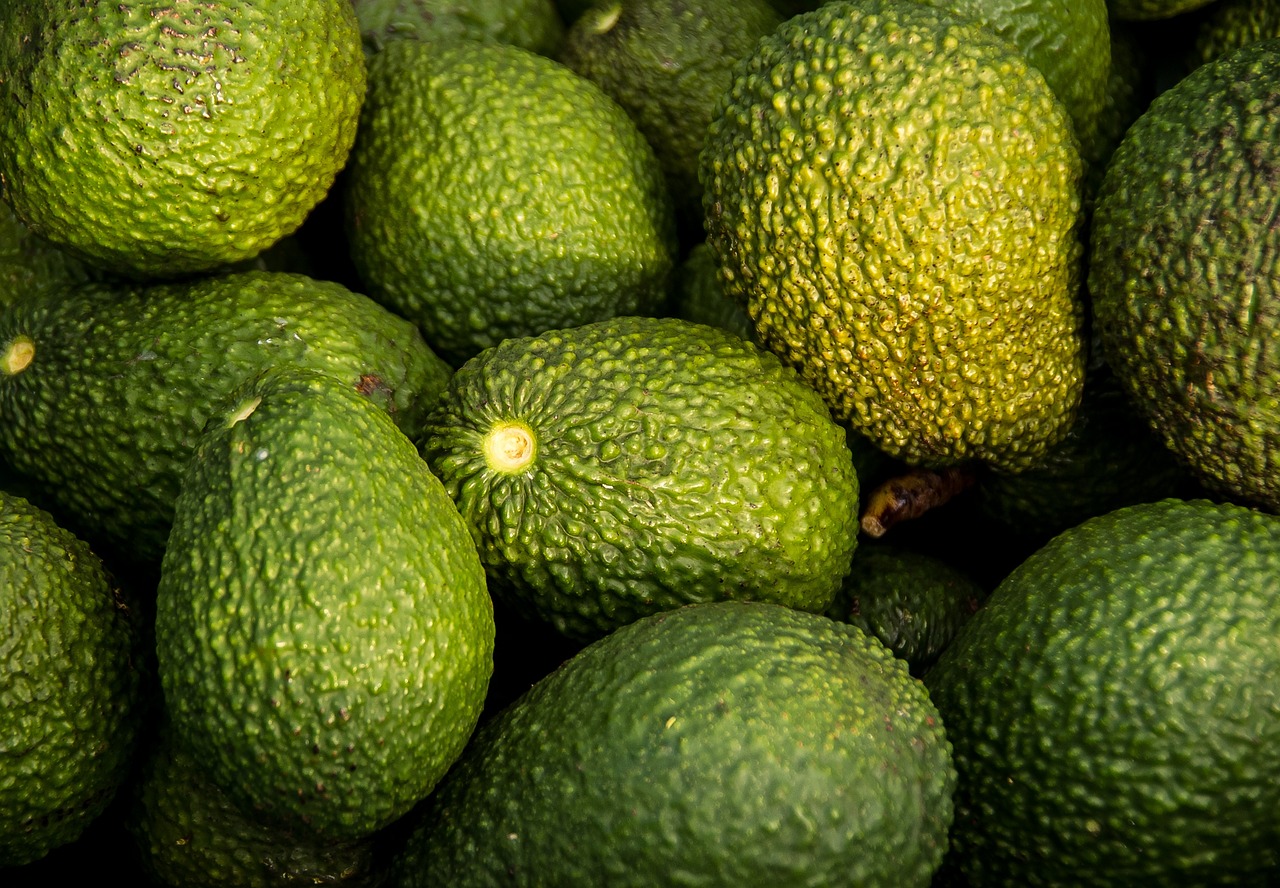
– Fridge-cold pauses an avocado’s ripening, leaving you with a stubborn, rock-hard fruit for days. – Keep unripe avocados at room temp until they give slightly to gentle pressure, usually two to five days. – To nudge ripening along, tuck one into a paper bag with a banana to harness ethylene.
– Once ripe, you can refrigerate for two to three days to hold the line. – For halves, brush the cut surface with lemon or lime and cover tightly to slow browning. – If guacamole is your plan, ripen on the counter first for that buttery, dreamy texture.
12) Stone Fruits (Peaches, Nectarines, Plums)
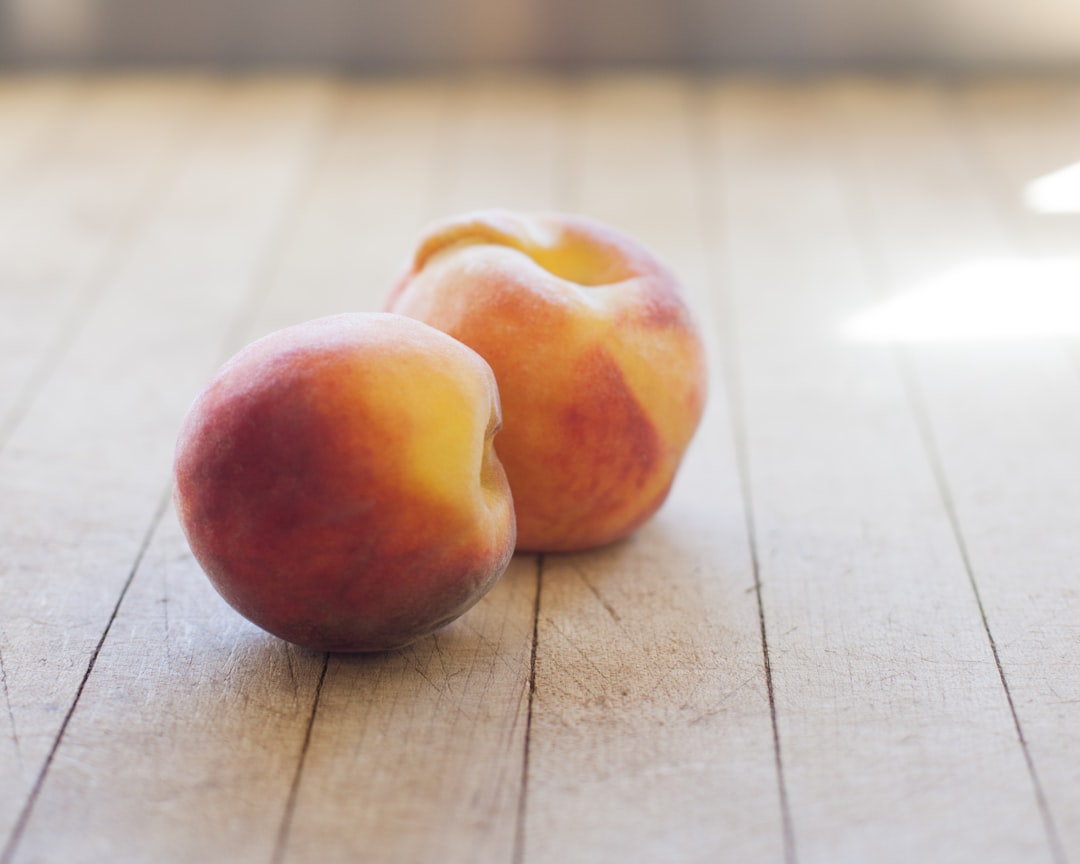
– Cold temperatures can turn stone fruits mealy, robbing them of that bursting, sunny juice. – Leave them on the counter until fragrant and slightly soft, then enjoy at room temp for peak flavor. – Chilling before ripeness slows their natural sugars from developing properly.
– Once ripe, you can refrigerate briefly to buy an extra day or two, but the taste will be softer. – Keep them away from direct sunlight and don’t stack them to prevent bruising. – A simple smell test works: if it smells like summer, it’s ready.
11) Basil

– Basil is hilariously dramatic about the cold and turns black and limp in the fridge. – Treat bunches like a bouquet: trim the ends, place in a jar with a little water, and keep at room temp. – Lightly cover the leaves with a loose bag to reduce wilting and change the water every couple of days.
– Avoid washing until right before using to keep leaves from breaking down. – If you have a mountain of basil, make pesto and freeze it in small portions instead of chilling the leaves. – Keep basil away from drafts and blazing sun for steadier freshness.
10) Honey
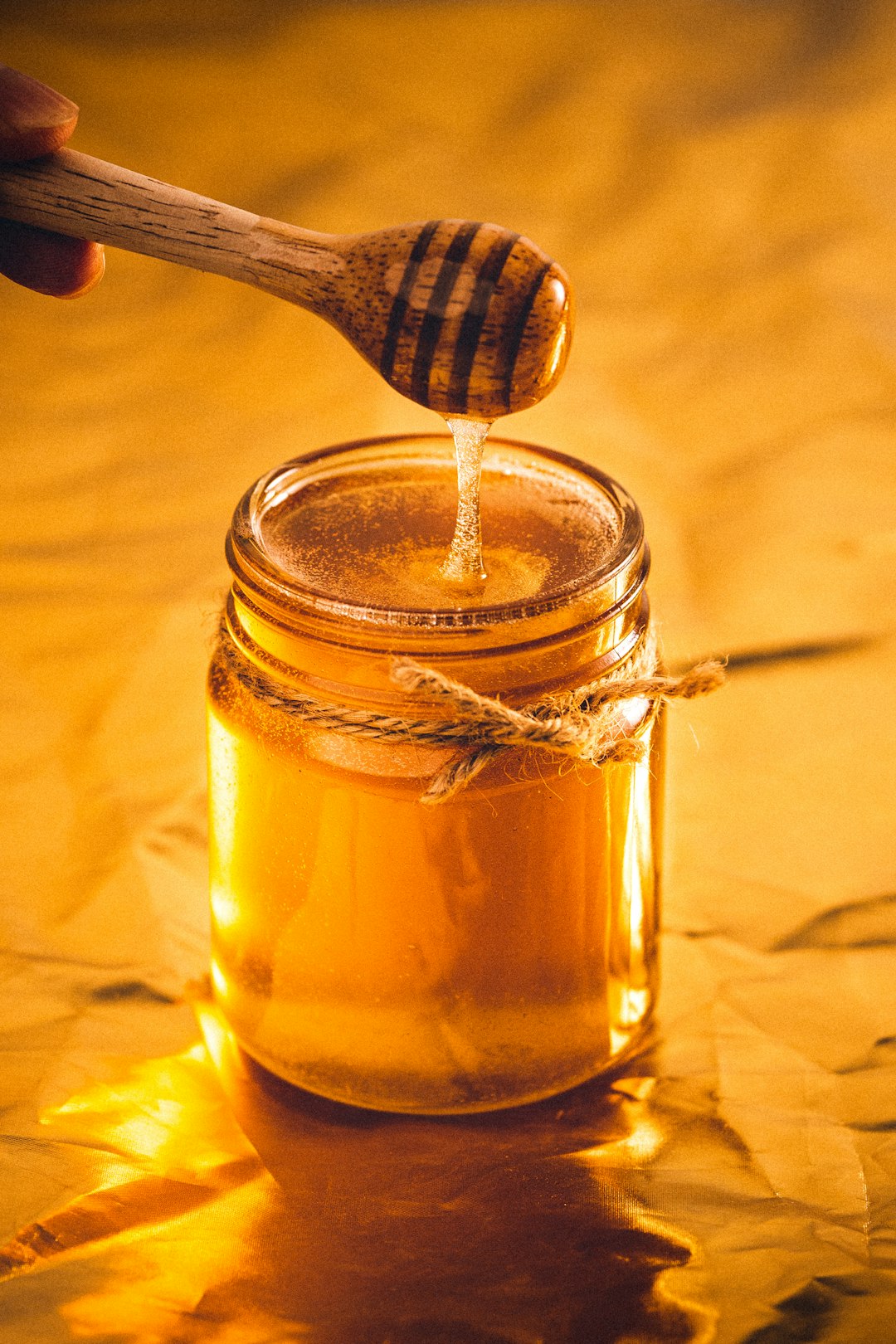
– Honey doesn’t spoil under normal conditions thanks to its low moisture and acidity, so the fridge is unnecessary. – Cold makes honey crystallize faster, turning it gritty and hard to pour. – Store it tightly sealed in a dark cupboard at comfortable room temperature.
– If crystals form, gently warm the jar in a bowl of hot water and stir until smooth. – Keep water out to avoid dilution, which can invite fermentation. – Glass jars are great because they’re easy to warm and reuse.
9) Olive Oil
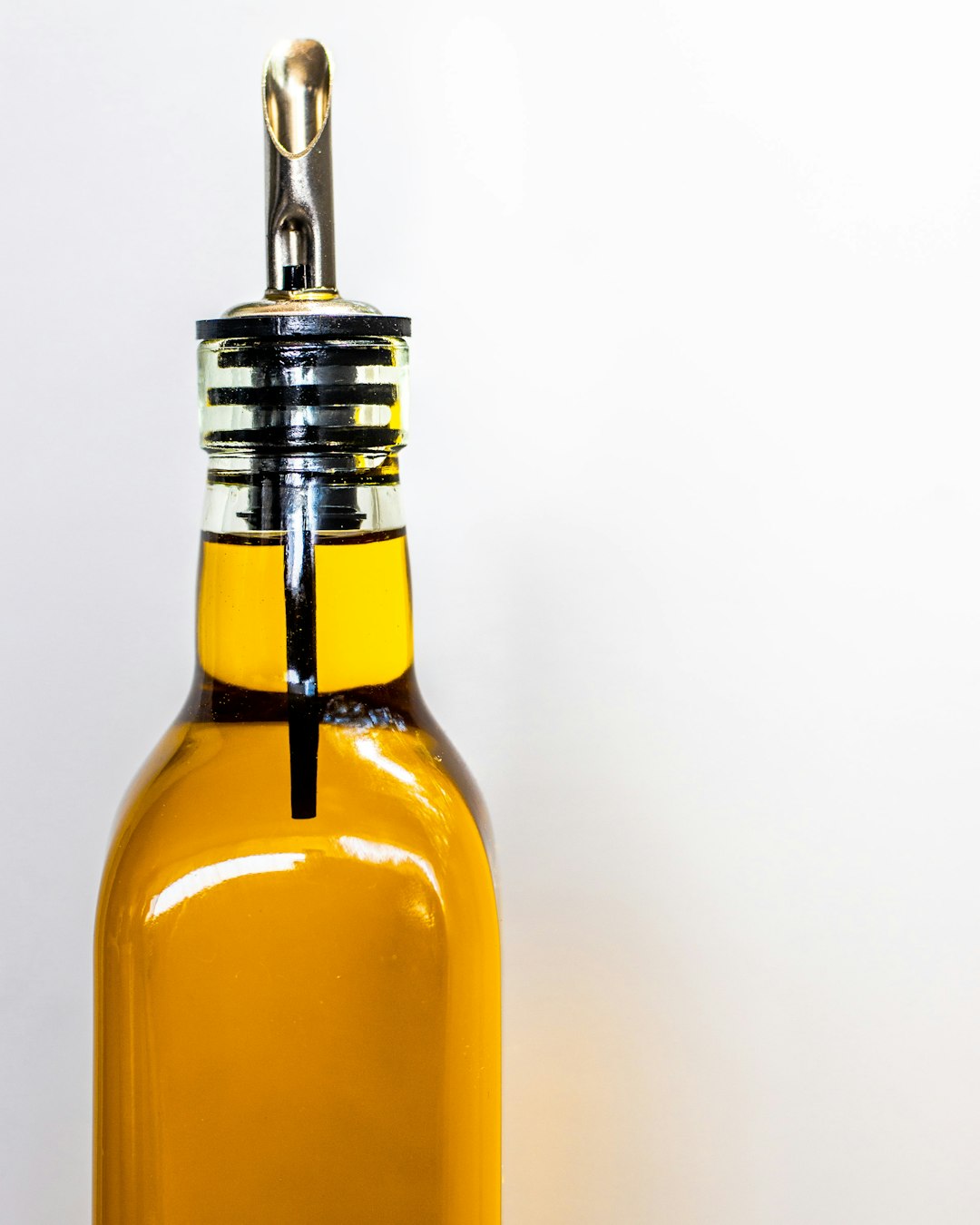
– Refrigeration clouds and solidifies olive oil, which isn’t harmful but is a headache to use. – Temperature swings can also lead to condensation inside the bottle and faster quality loss. – Keep oil in a cool, dark cupboard, ideally around the upper fifties to mid-sixties Fahrenheit.
– Choose dark glass or tins and recap immediately to limit oxygen and light exposure. – Buy sizes you’ll finish within a couple of months for fresher flavor. – Don’t park the bottle beside the stove, where heat quietly spoils it.
8) Hot Sauce (Vinegar-Based)
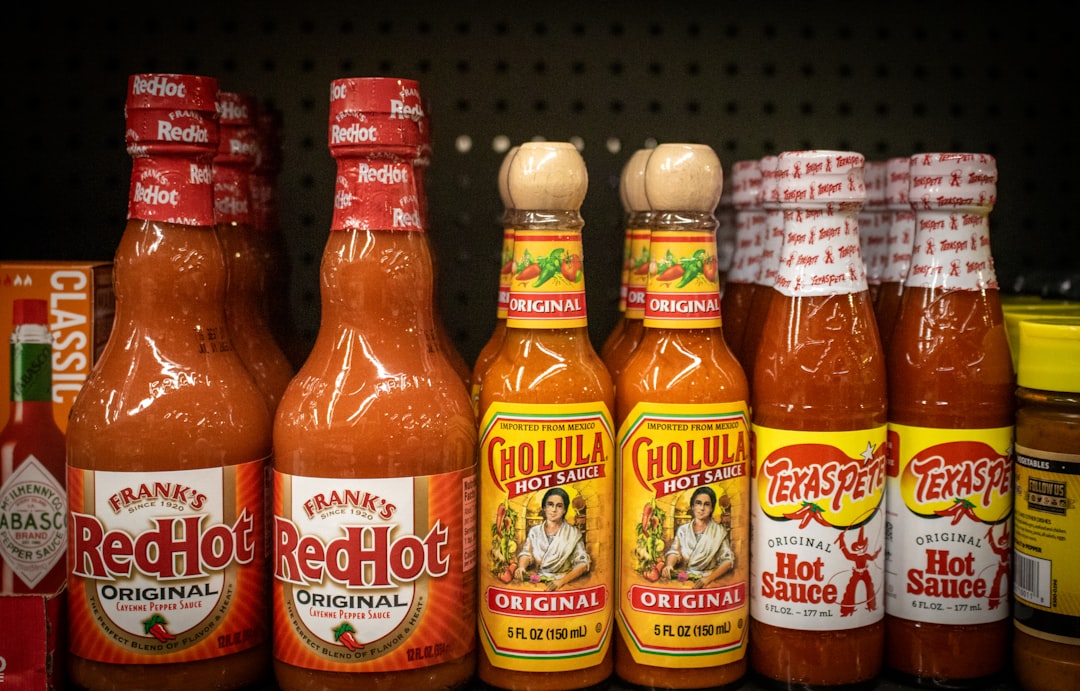
– Most vinegar-and-salt hot sauces are naturally shelf-stable, so the fridge isn’t required. – Cold can slightly mute the heat and aroma, which defeats the whole thrilling point. – Store in a cool pantry and enjoy the full fire right from the bottle.
– Use clean utensils and cap tightly to keep it crisp and bright for months. – Sauces with fresh fruit, herbs, or cream are a different story and may need chilling, so check the label. – When in doubt, pantry first for classic vinegar-based styles.
7) Whole Melons (Watermelon, Cantaloupe, Honeydew)
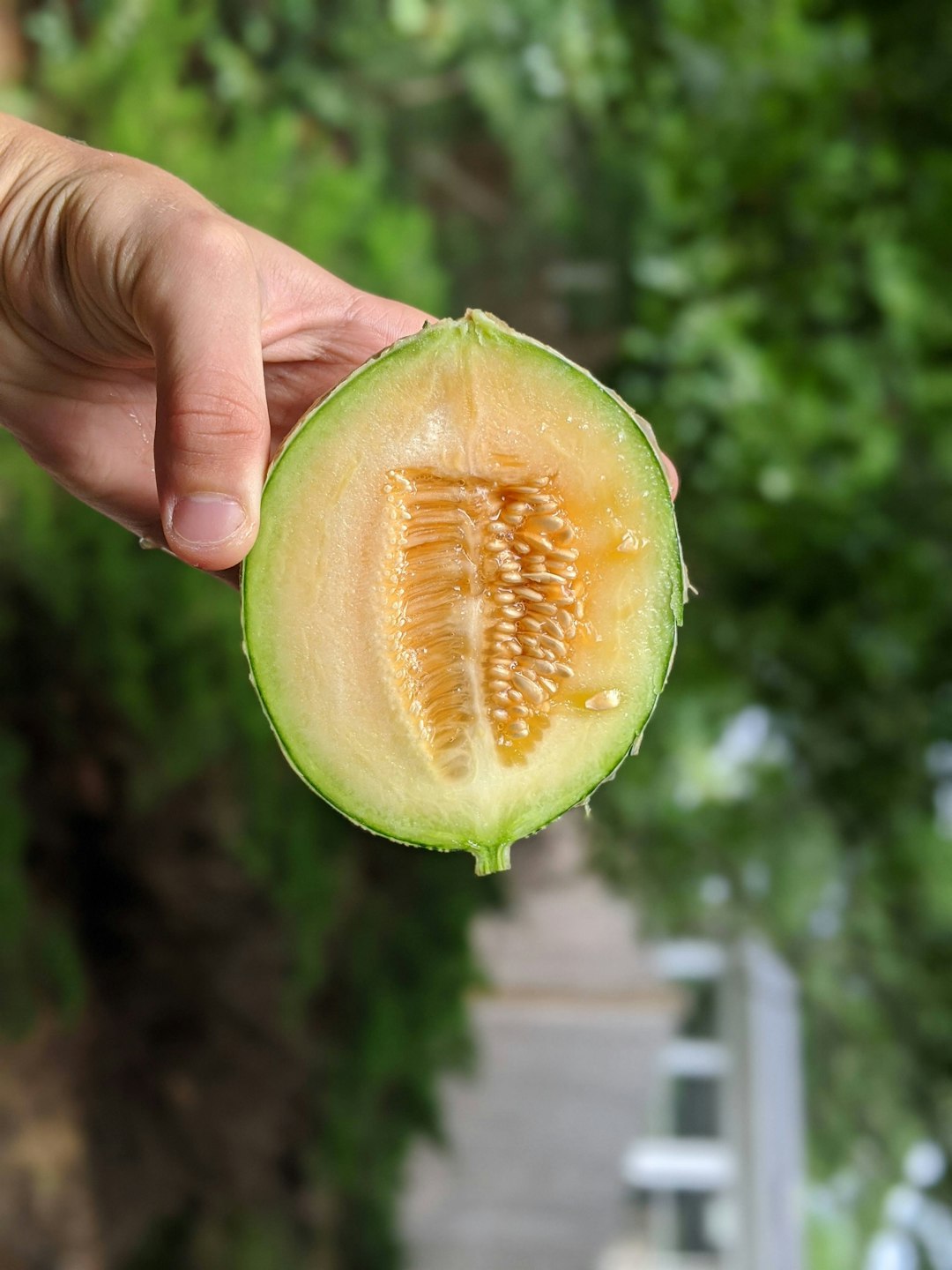
– Whole melons taste better and keep their vibrant aroma when ripened at room temperature. – Chilling them before cutting can dull sweetness and can flatten that juicy, sunny flavor. – Store on the counter for a few days, turning occasionally to avoid flat spots.
– Once cut, refrigerate promptly in a sealed container and eat within three to four days. – Wash the rind before slicing to prevent bacteria from transferring to the flesh. – For picnics, pack cut melon on plenty of ice to keep it safe.
6) Cucumbers
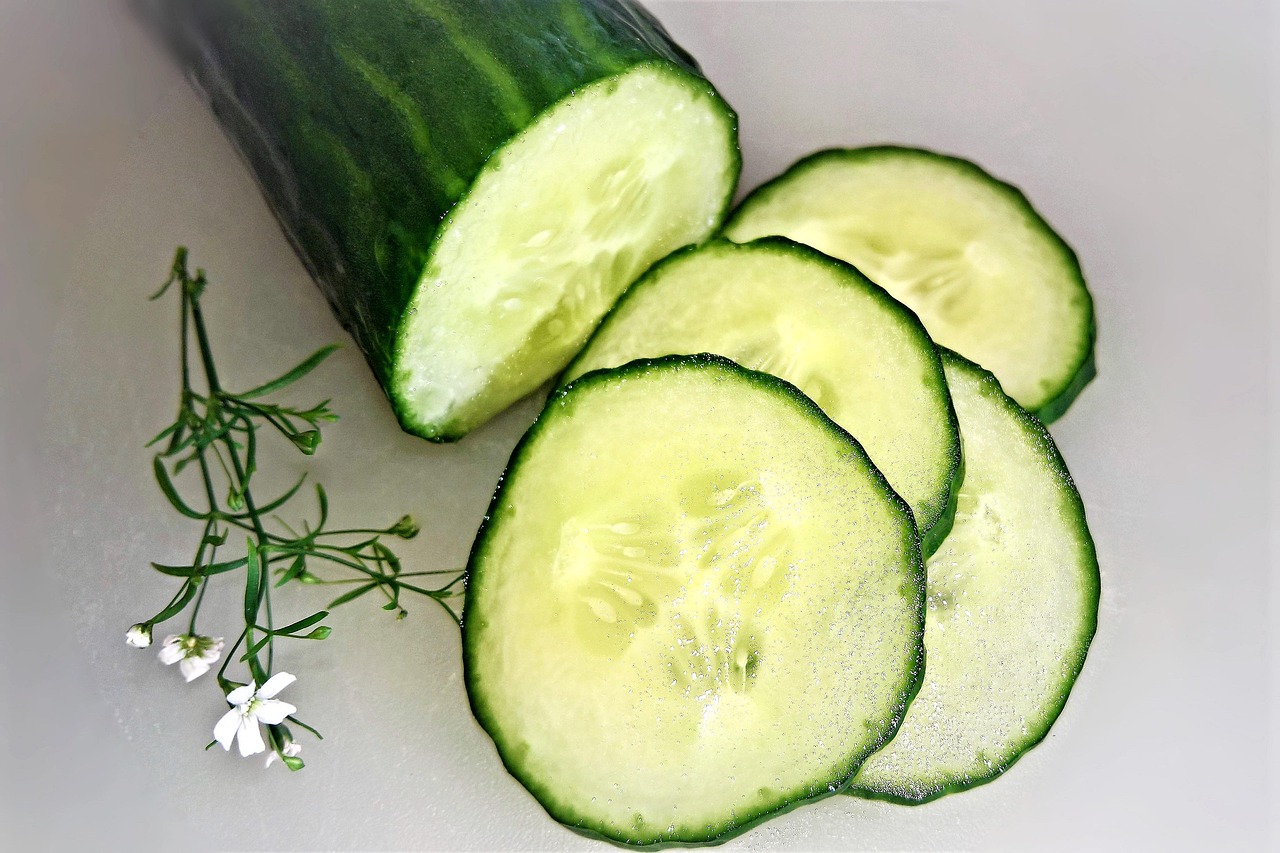
– Cucumbers suffer chilling injury below roughly about fifty degrees Fahrenheit, leading to pitting and water-soaked spots. – The fridge can make them limp and watery in just a couple of days, which is a salad heartbreak. – Keep them on the counter and use within three to five days for crunch.
– If you must chill, stash them in the crisper for only a short time and away from ethylene-heavy fruits. – Wrap loosely in a paper towel and slip into a breathable bag to manage moisture. – Slice just before serving to keep that refreshing snap.
5) Eggplant
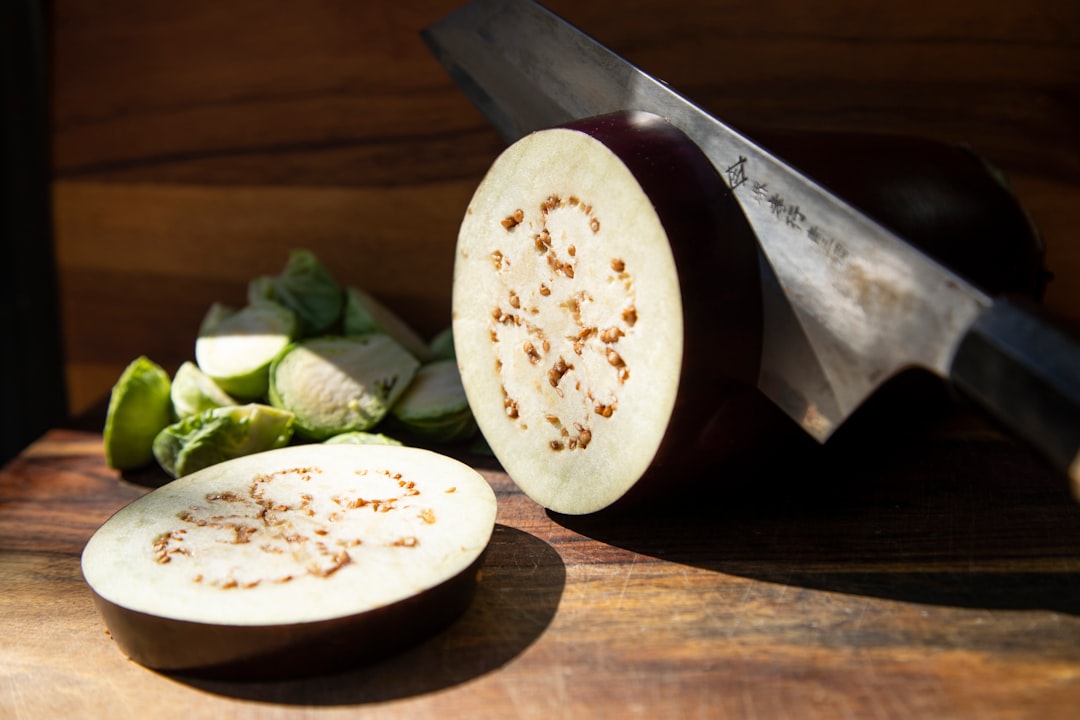
– Eggplant bruises easily and gets cold damage in the refrigerator, showing up as browning and spongy flesh. – The delicate seeds and cells don’t love temps below the low fifties Fahrenheit. – Keep it at room temperature and cook within two to three days for best texture.
– Don’t stack or squeeze it under heavy items, which cause dents and bitterness. – If you see soft spots, cook it soon in a sauce, dip, or roast where texture matters less. – A glossy skin and firm feel are your best freshness cues.
4) Sweet Potatoes
– Like regular potatoes, sweet potatoes dislike the fridge, which pushes starches toward sugars. – That shift messes with texture once cooked and can make them oddly gummy in the center. – Store them in a cool, dark spot around fifty to fifty-five degrees Fahrenheit with good air flow.
– Skip refrigeration and plan to use within a couple of weeks for peak flavor. – Don’t wash before storing; moisture invites mold and rot. – For meal prep, roast and freeze rather than chilling raw.
3) Winter Squash (Butternut, Acorn, Spaghetti)
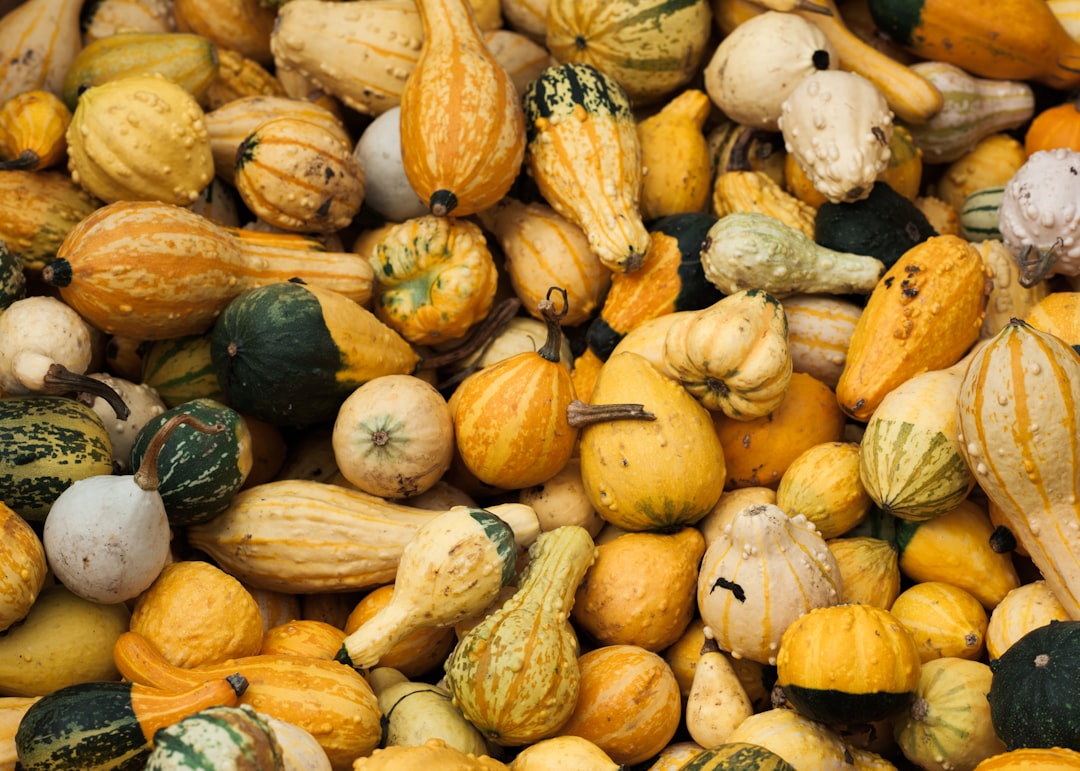
– Whole winter squash stores best in a cool, dry place rather than a cold, humid fridge. – Refrigeration can encourage surface moisture and soft spots over time. – At room-like cool temps around fifty to fifty-five degrees Fahrenheit, many varieties last weeks to months.
– Keep them off concrete and allow space between squash for airflow. – Once cut, wrap tightly and refrigerate the pieces, using within a few days. – Choose squash with firm skin and intact stems for longer storage.
2) Coffee (Beans and Grounds)
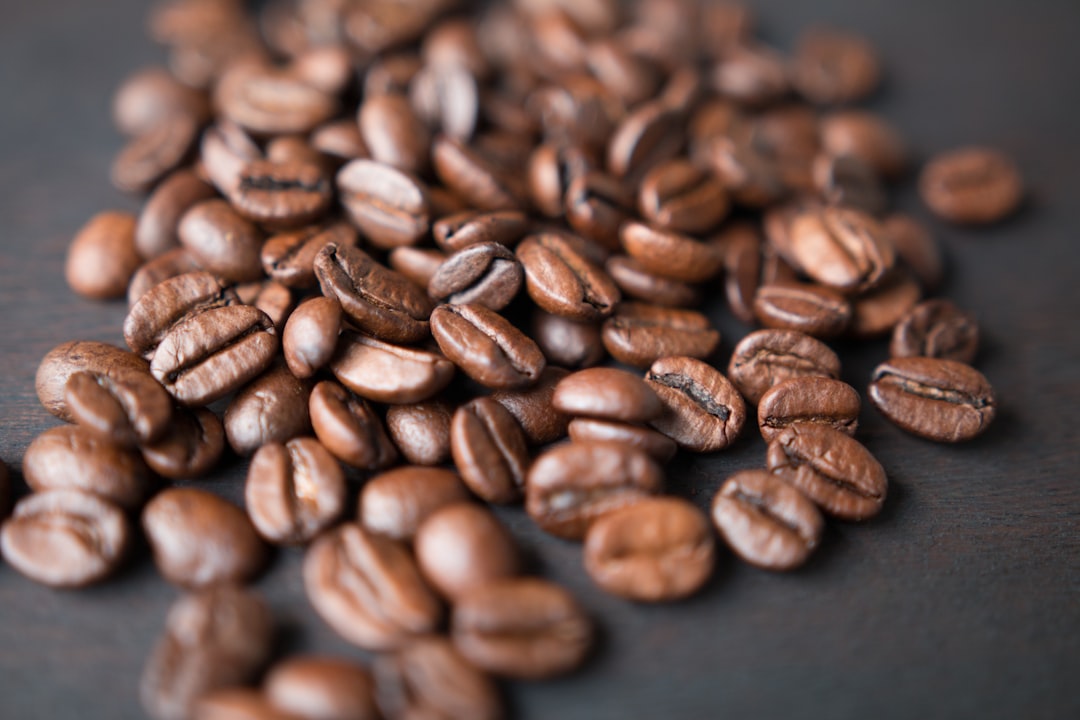
– The fridge is a flavor thief for coffee because condensation forms when you take it in and out. – Moisture plus odors from nearby foods can dull your cup dramatically. – Store beans or grounds airtight, opaque, and at room temperature in a cool cabinet.
– Buy smaller amounts you’ll brew within a couple of weeks, and grind right before brewing for a fresher, bolder taste. – For long-term storage, freeze in well-sealed, small portions and thaw only what you’ll use quickly. – Skip the refrigerator entirely if you care about aroma.
1) Chocolate
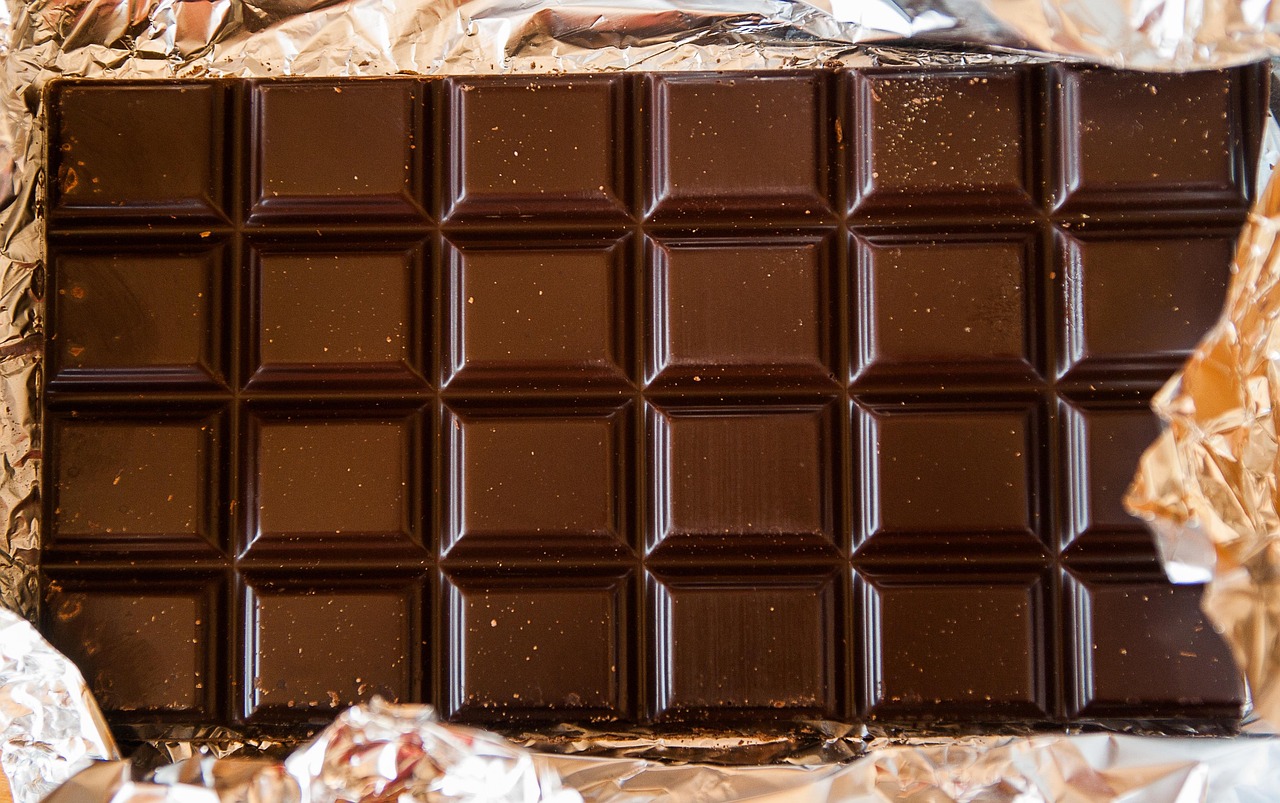
– Refrigeration causes sugar bloom on chocolate, leaving a dusty film and stealing that satisfying snap. – It also absorbs fridge odors like a sponge, which is a tragic way to ruin a treat. – Keep chocolate at room temperature in a dry place, ideally around the low to upper sixties Fahrenheit.
– Seal it well and keep it out of direct light to preserve gloss and flavor. – If heat waves force you to chill it, wrap it airtight and let it slowly come back to room temp before unwrapping. – For daily nibbling and baking alike, the pantry wins every time.