:max_bytes(150000):strip_icc():format(jpeg)/traditional-catalan-garlic-and-oil-sauce-FT-RECIPE0825-b2057b4c6904492f849a0832d1e70a9d.jpg)
- This recipe is as traditional as they come, calling for just garlic, oil, lemon, and salt.
- It’s borrowed from José Andrés, who also shares some tips for allioli success.
- The finished allioli is rich and pungent — delicious with grilled meats, seafood paella, fried potatoes, or dippable vegetables.
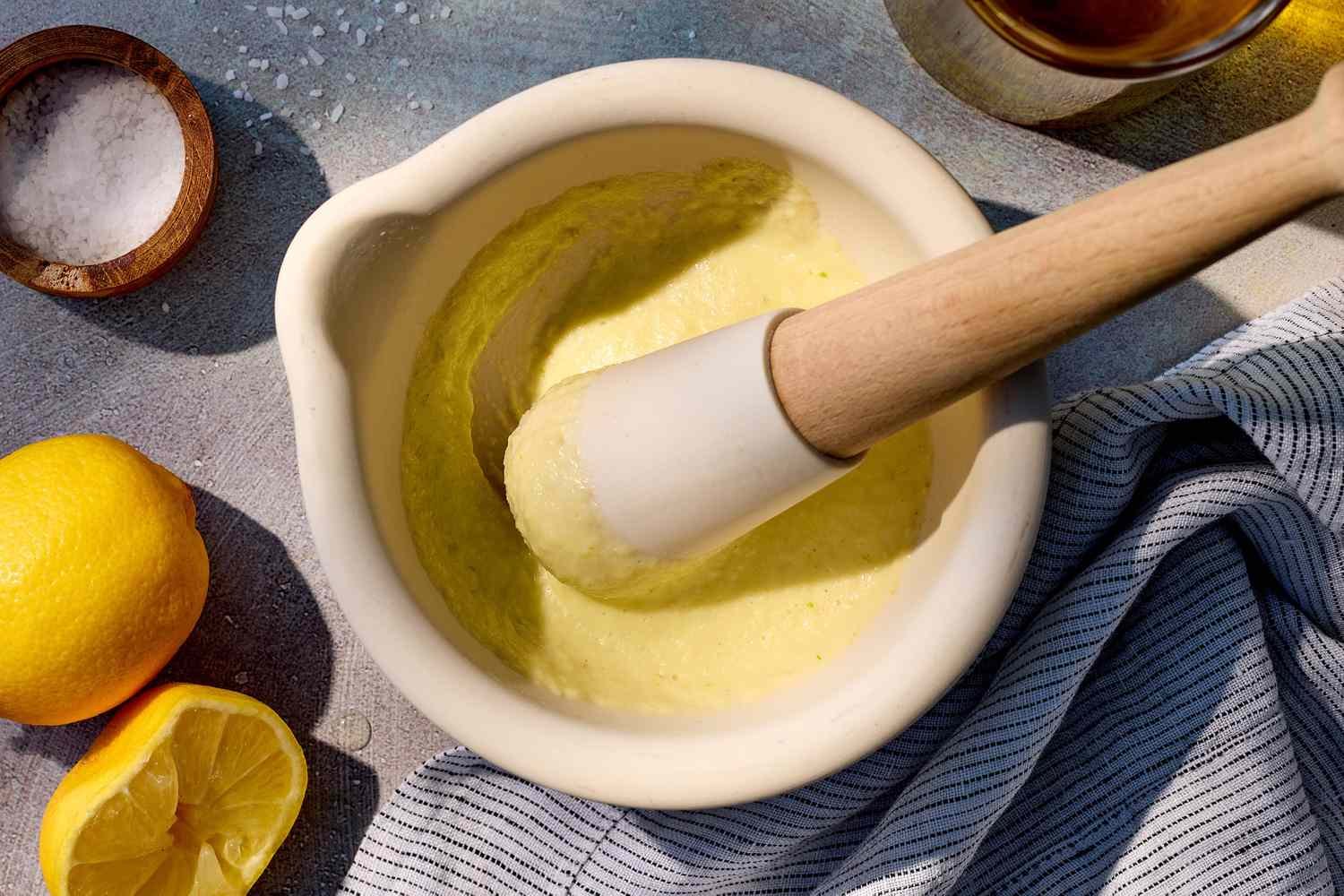
Allioli is an incredibly versatile sauce that is eaten across Spain. This recipe is the real thing, made the old-fashioned way with a mortar and pestle. The result is garlicky and creamy, but it’s not just the taste that makes this sauce so incredible; it’s the process, which is labor-intensive but rewarding (and even a little fun).
Traditionally served alongside grilled meats, it enhances lamb, chicken, and pork with bold flavor. It’s also a perfect dip for roasted vegetables, potatoes, or rustic bread, making even simple sides shine. In coastal areas, it pairs beautifully with seafood like shrimp or grilled fish. Whether spread, dipped, or dolloped, allioli transforms everyday dishes into something distinctly Mediterranean and memorable.
Allioli vs. aïoli
“Aïoli” has been adopted into English to refer to garlic mayonnaise, but it’s originally a Provençal word — one that points to the condiment’s more pared-down origins, combining the roots for “garlic” and “oil.” Allioli is essentially the Catalan equivalent. Both originally referred to the same type of sauce, which contained no egg yolks, like the one Andrés shares here.
Practice patience
When you start crushing the garlic, it’s hard to think that it will ever turn into something as dense and smooth as allioli. But don’t give up. It’s worth the time and effort to see the oil and garlic come together before your eyes. Just make sure you’re adding the olive oil slowly, drop by drop. Keep moving the pestle around the mortar in a circular motion and keep dreaming of the thick, creamy sauce at the end of it all.
Note from the Food & Wine Test Kitchen
- Adding the oil very slowly, in small amounts, is key; an olive oil dispenser with a pour spout provides more volume control.