:max_bytes(150000):strip_icc():format(jpeg)/Some-Spirits-Have-Different-ABVs-in-Different-Countries-FT-BLOG0825-0dece12a49264a1da7ef88ddc5a39de0.jpg)
Part of the joy of travel is to try new spirits and cocktails, whether regional amari in Italy, cachaças and Caipirinhas in Brazil, or aquavits in Scandinavia. You might also encounter spirits you’re familiar with, but look and taste a little different from home.
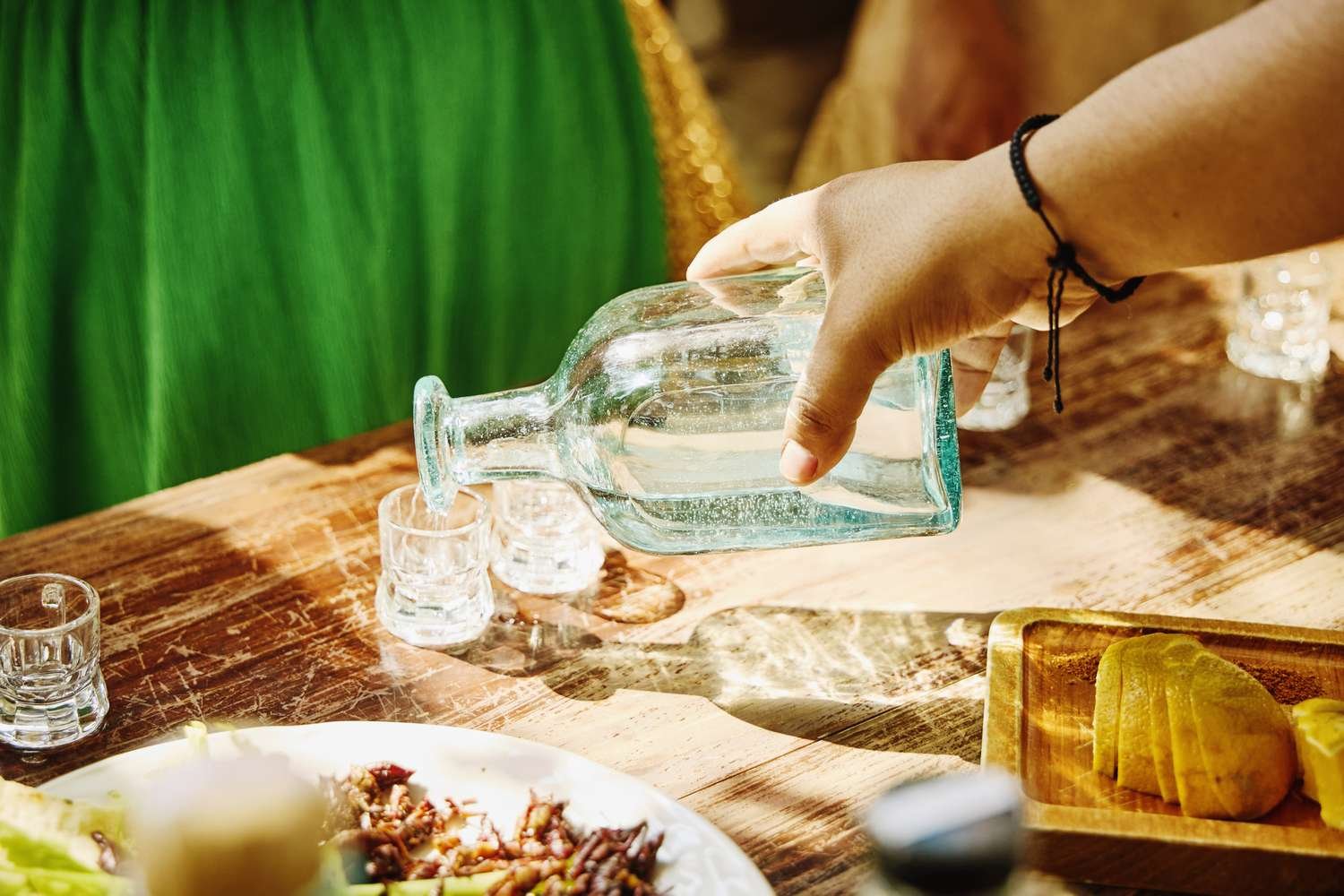
In the European Union, many spirits can be sold at a legal minimum alcohol by volume (ABV) of 37.5%. In Mexico, tequila is often sold at 38% ABV, though it can be bottled as low as 35%. In the U.S., tequila must meet a 40% ABV minimum to be considered a spirit. (Spirits with added flavors, including tequila, rum, and vodka, can be sold at lower proofs than unflavored base spirits.)
In South Africa, nearly all spirits were required to be a minimum of 43% ABV. That law was changed earlier in 2025. It’s still common to see spirits like vodka there at this unusually high strength. Elsewhere in the world, it’s usually sold at 40%.
But those are just legal minimums. Spirits can be sold at higher proofs, and in some countries, those higher proofs are traditional. In many Caribbean countries, rum is bottled at higher strengths than in the U.S. Many mezcal bottlings are sold at lower proof in the U.S. than in Mexico.
Whiskey drinkers are likely the most familiar with paying attention to ABV levels. Scotch, bourbon, and other whiskeys from the same brand can range from 40% ABV to more than 60% ABV, even in local stores. These may carry labels like “single barrel,” “distiller’s strength,” “cask proof,” or other descriptors. For the most part, the terms don’t signify specific ABVs, with the exception of bottled-in-bond spirits: Those are always sold at 50% ABV, in accordance with U.S. law.
Liqueurs are often bottled at varying strengths in different countries. Campari has been spotted from as low as 21% ABV to as high as 28.5% in different parts of the world. In the U.S., it’s about in the middle, at 24% ABV.
There may be other regional differences in liqueurs. Campari has used various natural and artificial colorings in different countries. Some liqueurs bottled in sugarcane-producing countries are made with flavor concentrates from their home region, but they contain sugar and neutral spirit from the locale where it’s sold.
While these changes shouldn’t make much of a flavor difference for liqueurs, some drink-centric jetsetters find it fun to bring home bottles to compare against their bar cart.
Changes in proof at home
Spirits brands sometimes change their bottling strengths, which can leave their fans flustered. Beefeater gin lowered its alcohol percentage from 47% ABV to 44% in the U.S. a few years ago, and then dropped it shortly thereafter to 40%. The gin had been sold at 40% ABV in the UK for a while.
This didn’t sit well with Martini-obsessive Robert Simonson, author of The Martini Cocktail and co-founder of Martini Expo in New York City. Beefeater was one of his favorite gins to use in a classic Martini. He says that he heard of its lowered proof from Toby Cecchini, owner of The Long Island Bar in Brooklyn. Ever since, he has hunted for the remaining higher-proof bottles.
“I would guess I’ve found and bought about 40 bottles of Beefeater 47% in the last four years,” says Simonson. “I found them in liquor stores in Queens, Connecticut, Massachusetts, New Jersey, Pennsylvania, and Delaware.”
Simonson considers even the 44% ABV to be too tame, and he hasn’t picked up any of those bottles since the strength further dipped to 40%. He says he still has a dozen or so bottles of the 47% ABV version stashed.
What a difference a few percent makes
Can the tongue detect the difference of a few percent ABV? Well, yes. First, the numbers can be deceiving. A 40% ABV liqueur is not 10% stronger than a 30% ABV one: It is 33% stronger. Beefeater’s switch from 47% to 40% ABV is a 15% decrease in alcoholic strength, not 7%.
From a taste perspective, a shot of tequila at 40% ABV will have more of a spicy kick than one at 35%. While the lower-proof version may register to some people as “smoother,” others might call it flabby or light in flavor. Spirits distillers will often find a strength at which they think their spirit tastes best, but the marketing and financial departments often have different ideas about what will prove most profitable.
In mixology, proof matters. If the ABV of the three ingredients in a Negroni is variable, the standard recipe of equal parts of each ingredient may not result in the same drink abroad as at home.
It can be good, nerdy fun to spot the differences in familiar spirits brands abroad. Or perhaps, it’s a worthy justification to jet off to an international destination and double-check the gin.