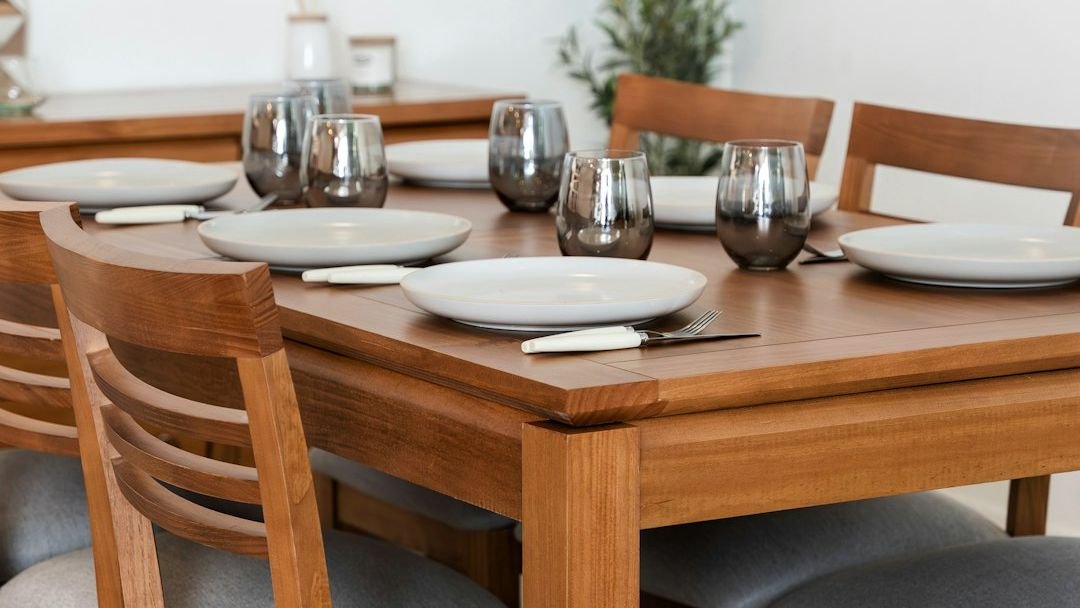
The real estate market shifts constantly. What seemed desirable just five years ago might now be a dealbreaker for potential buyers. Homes sit on the market longer when they’re packed with dated features that scream ‘stuck in the past.’
Modern buyers have specific expectations. They want homes to look like those they see on TV and photograph beautifully online. Let’s explore which home features are actively turning away buyers in 2025, backed by recent survey data and realtor insights.
Wall-to-Wall Carpeting Throughout the Home
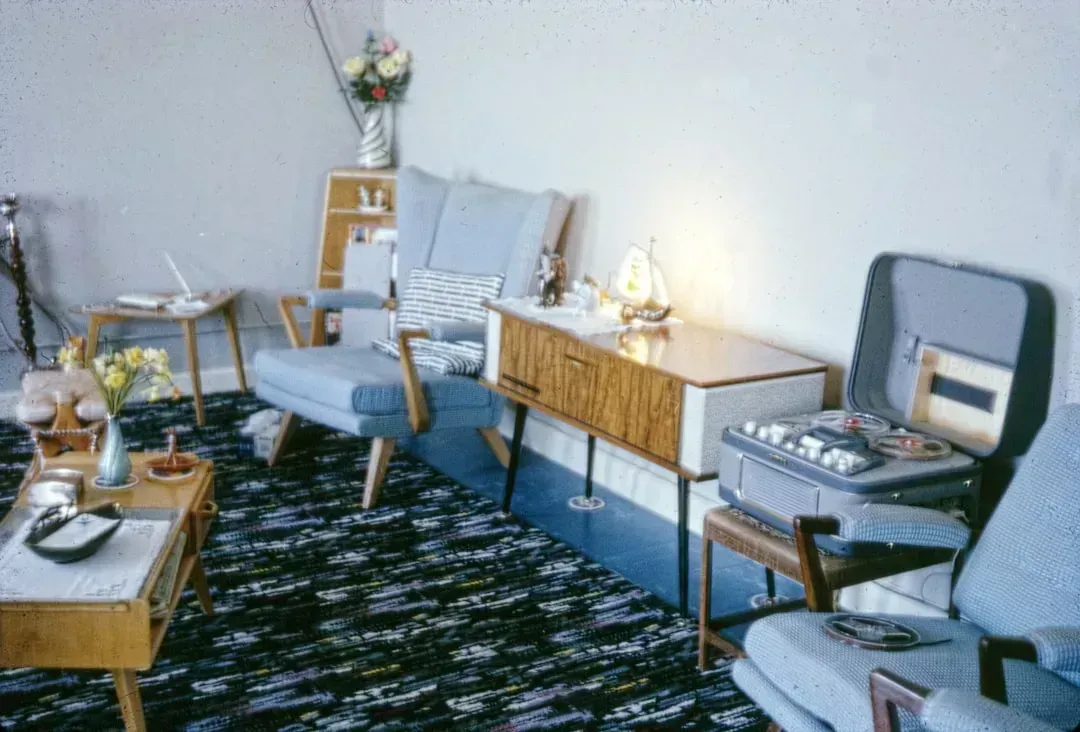
With 83% of buyers citing open-concept floor plans as a top priority in Redfin surveys, buyers increasingly prefer hard flooring surfaces that create seamless visual flow throughout homes. Carpeting, particularly in formal dining rooms and high-traffic areas, has become a liability rather than an asset. The maintenance concerns alone make many buyers hesitate before making an offer.
The all-white kitchens and gray shades that dominated the home design space for the last few decades are done, and the same applies to neutral wall-to-wall carpeting that once seemed like a safe choice. Buyers worry about hidden stains, allergens trapped in fibers, and the eventual replacement costs. Hardwood, luxury vinyl, and tile have become the preferred options because they feel cleaner and more contemporary.
Formal Dining Rooms
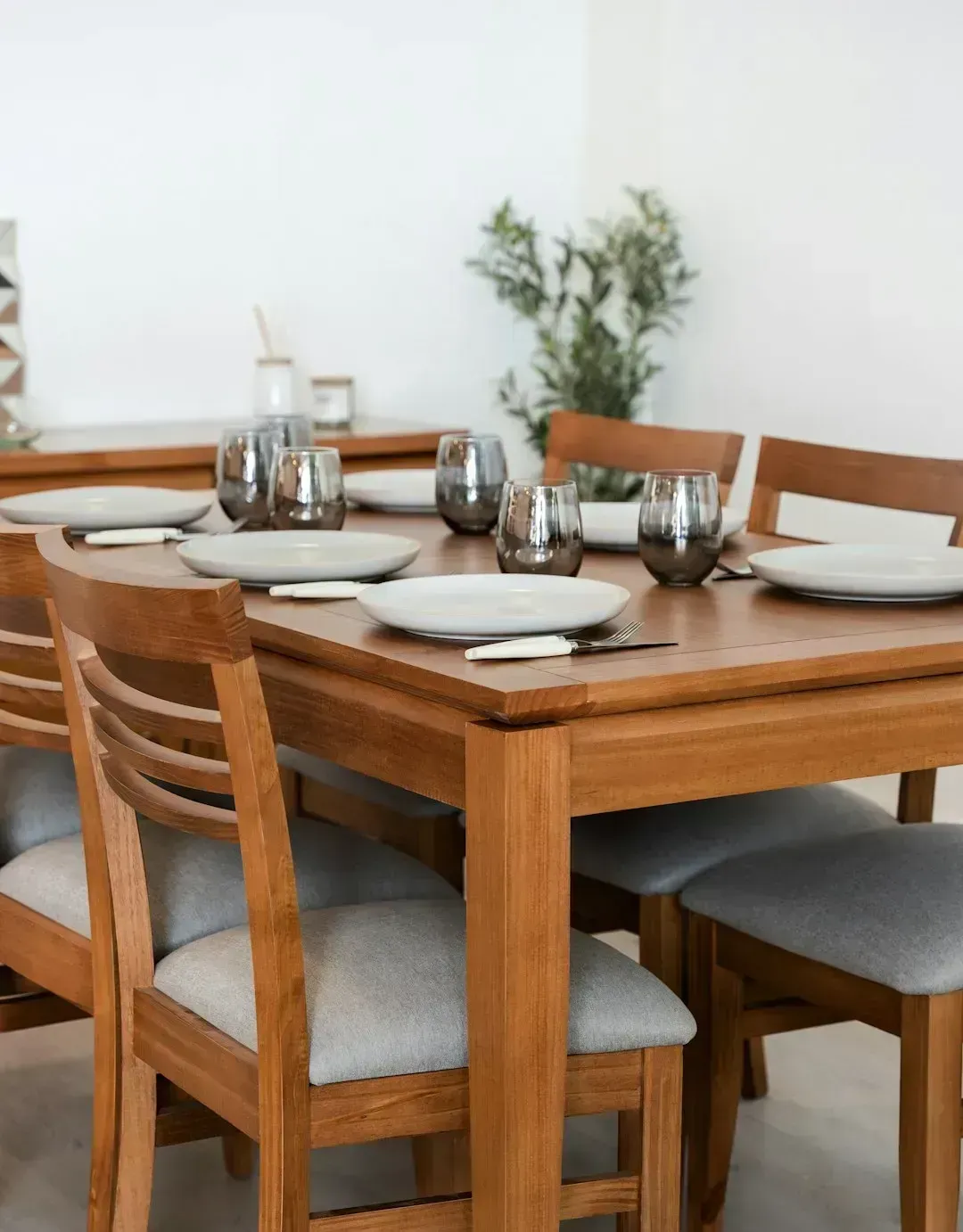
Here’s something that might surprise sellers who invested in elegant dining furniture. According to Jennifer Carlson of Love Pines Realty, out of 36 buyers last year, only 2 wanted a formal dining room. That statistic is staggering. The shift reflects changing lifestyles where families prefer casual eating spaces or multifunctional rooms that can serve as home offices.
Dining rooms now serve multiple purposes beyond hosting meals, doubling as spaces for remote work, virtual meetings, children’s homework stations, and intimate social gatherings. Buyers in 2024 and 2025 increasingly view traditional formal dining rooms as wasted square footage. They’d rather see that space converted into something more practical for everyday living. Honestly, when was the last time most families used their formal dining room outside of major holidays?
Popcorn Ceilings
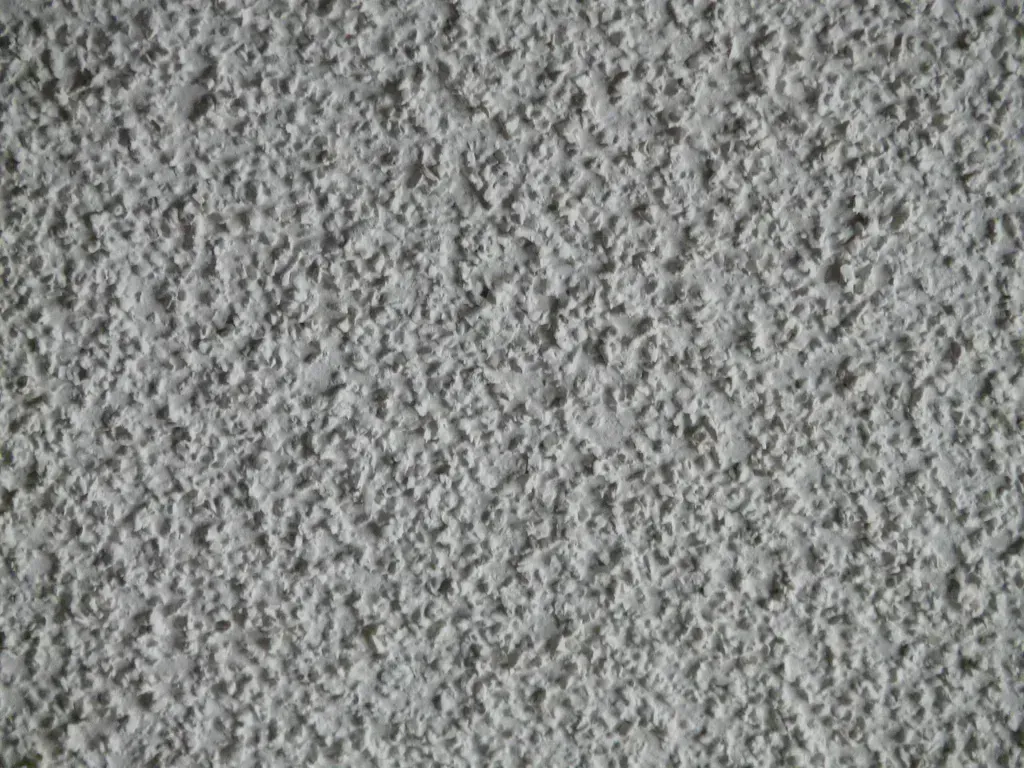
Let’s be real about this one. Modern buyers tend to associate popcorn ceilings with an older, less-maintained home, especially among younger buyers who prioritize clean, updated aesthetics. This textured ceiling treatment, popular from the 1950s through the 1980s, immediately dates a property.
The concerns go beyond aesthetics. Many popcorn ceilings from homes built before the mid-to-late 1980s were made using asbestos fibers for fireproofing and insulation, and when scraped, sanded, or damaged, those fibers can become airborne and pose serious health risks. Even if testing shows no asbestos, buyers still mentally calculate removal costs into their offers. Removing popcorn ceilings will almost always increase a home’s value, making this one of the most worthwhile updates sellers can tackle before listing.
Overly Trendy Design Choices
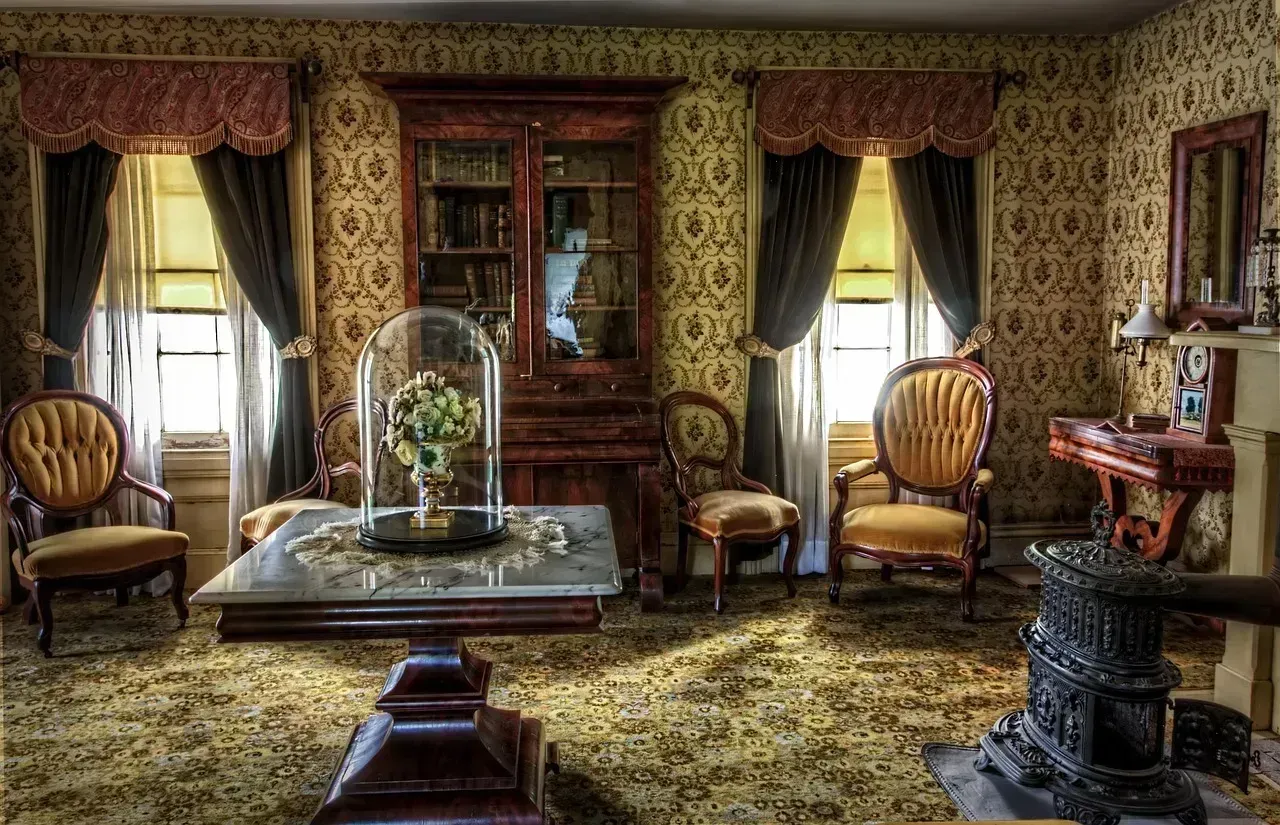
Interiors that lean too far into specific design trends can instantly make your home feel dated, especially if the trend in question has fallen out of style, and decorating your whole home, top to bottom, in one viral aesthetic feels a little dated. Think of the farmhouse explosion with shiplap everywhere, or homes drowning in gray paint and word art signs.
Based on the Redfin Premier agent survey, 69% of buyers indicated that they are not at all interested in brightly painted accent walls and 61% are not interested in wallpapered rooms. The once-popular gray color scheme has particularly fallen from grace. Buyers want homes that feel fresh but timeless, not like they walked into a 2018 Pinterest board brought to life.
Jacuzzi Tubs and Oversized Soaking Tubs
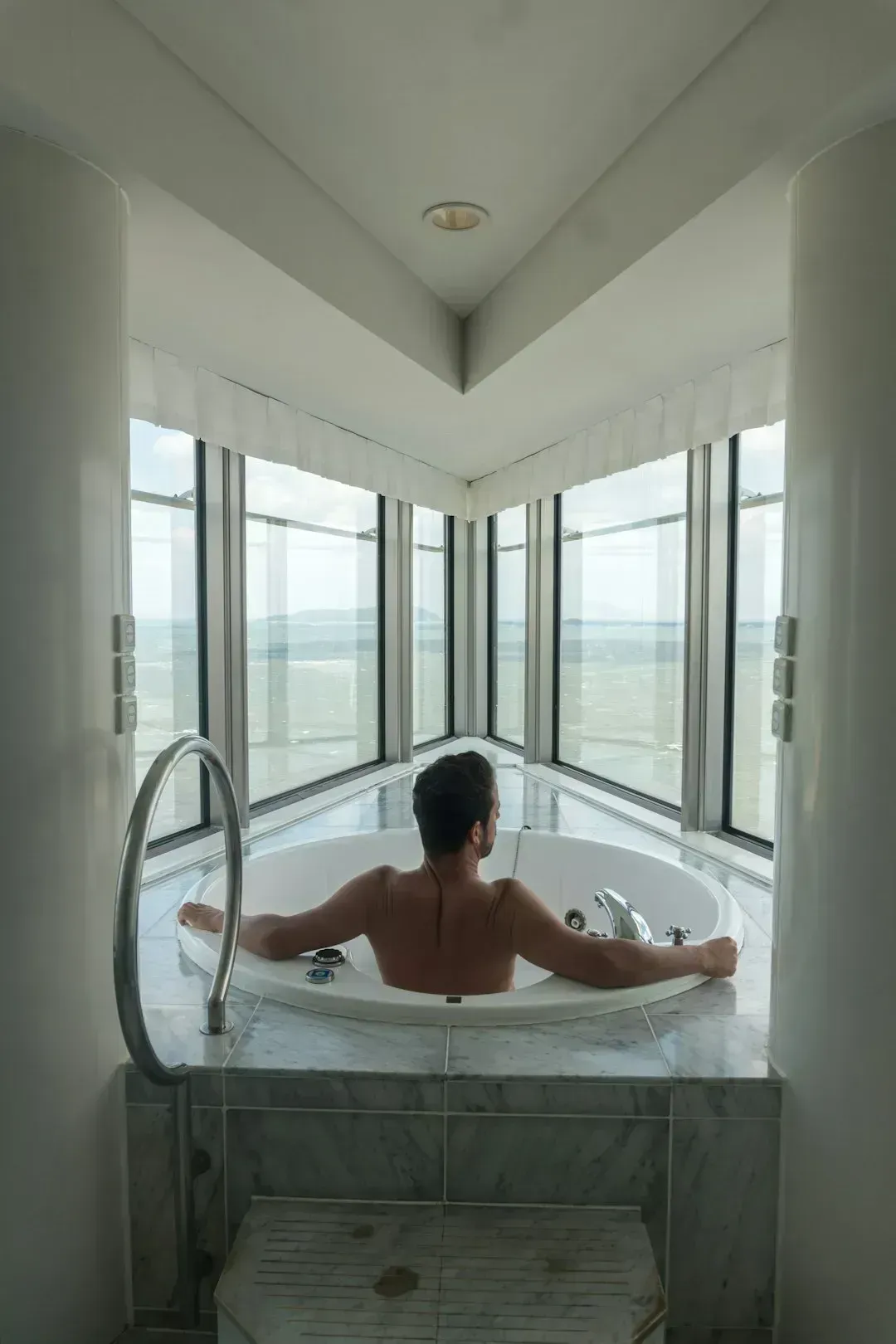
The Jacuzzi tub has fallen out of favor with many modern buyers, and with its larger size and impracticality for those who prefer showers, Redfin Premier Agents shared that 58% of buyers are not at all interested in this feature. The reality is that most people never use these large tubs, viewing them as dust collectors that take up valuable bathroom space.
Modern buyers prefer luxurious walk-in showers with multiple showerheads, built-in benches, and contemporary tile work. These feel more practical for daily routines. I think the 2020 pandemic accelerated this shift, as people realized they wanted functional spa experiences they’d actually use rather than impressive features that looked good but served little purpose. The maintenance and cleaning requirements of jetted tubs also make buyers wary.
Dedicated Home Offices (as Permanent Fixtures)
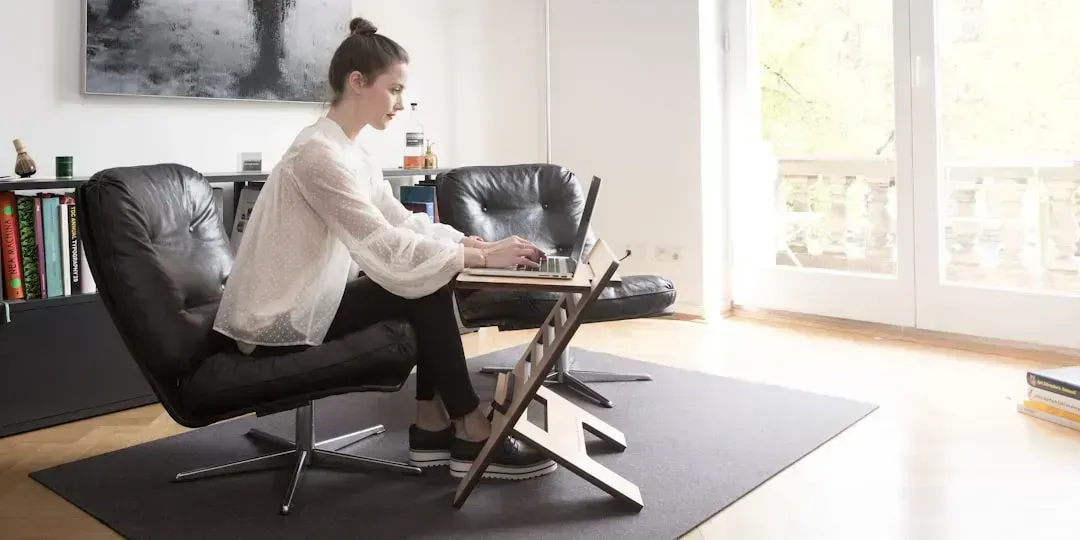
This one feels counterintuitive given the work-from-home revolution, but hear me out. With many now returning to their offices, the WFH feature is now quickly becoming obsolete with 54% fewer Zillow listings, with Zoom rooms down by 41% and office sheds down by 31%. Buyers want flexibility rather than rooms pigeonholed into single purposes.
Today’s homebuyers often don’t fit neatly into the imagined norm of two adults and two children, which requires a rethinking that results in greater flexibility of house plans. A spare bedroom that can function as an office, guest room, or hobby space is far more appealing than a custom-built office that limits future use. Buyers increasingly value adaptable spaces over specialized rooms.
Overly Open Floor Plans Without Definition
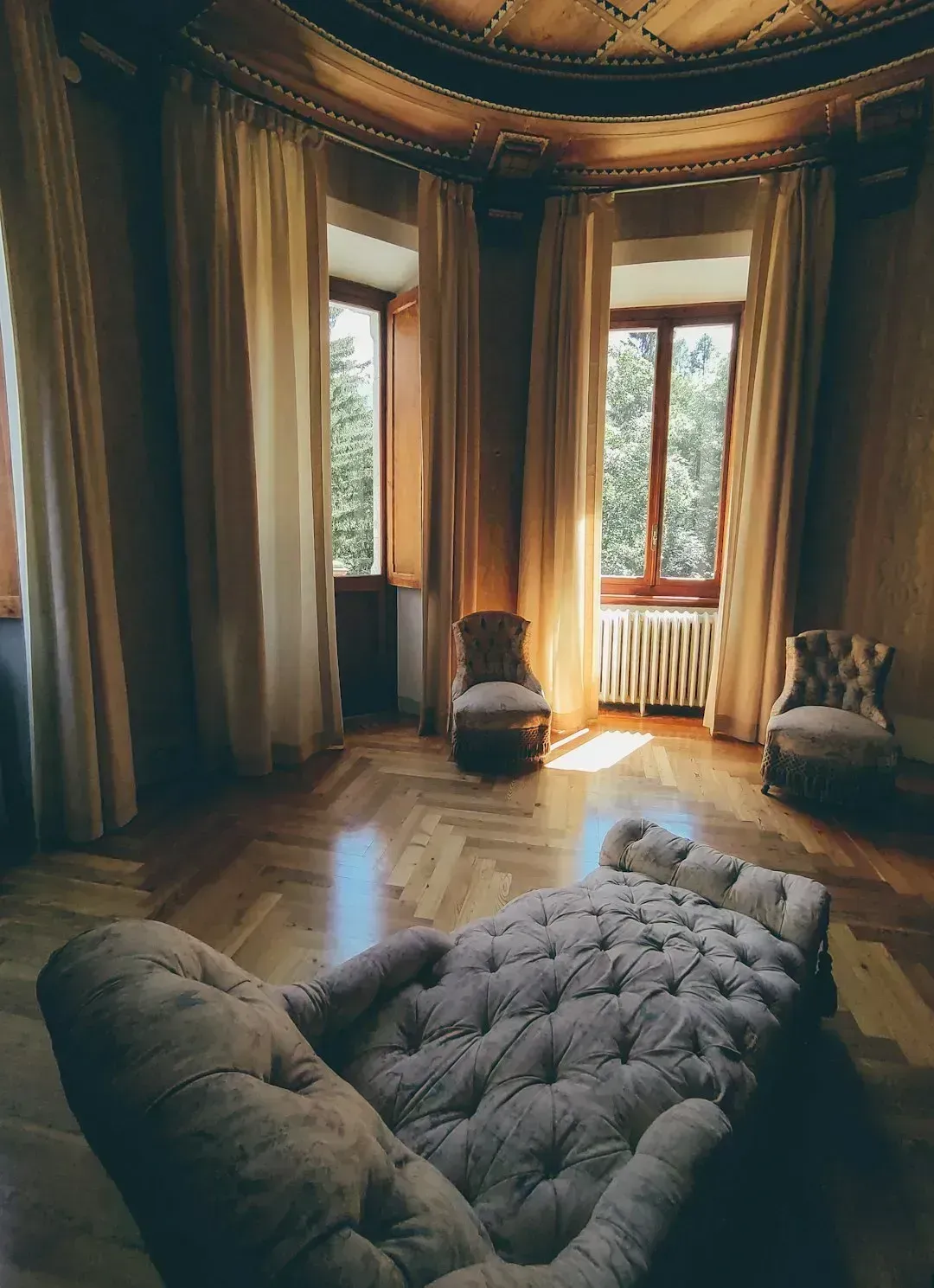
Open floor plans have had their time in the spotlight, but we’re welcoming closed floor plans with open arms, saying goodbye to vast spaces and hello to intimate seating arrangements in smaller rooms. The pendulum has swung from completely open to seeking some definition and privacy within homes.
Privacy concerns arise from the lack of walls, meaning less privacy and sound insulation, which can be challenging in busy households or for those working from home, and open spaces can quickly appear cluttered, as there are fewer options to conceal messes or separate areas for specific functions. Buyers in 2024 and 2025 increasingly prefer hybrid layouts that offer both openness and defined zones. They want the best of both worlds: social spaces for gathering combined with quieter areas for concentration or privacy.
Tuscan and Mediterranean-Inspired Kitchens
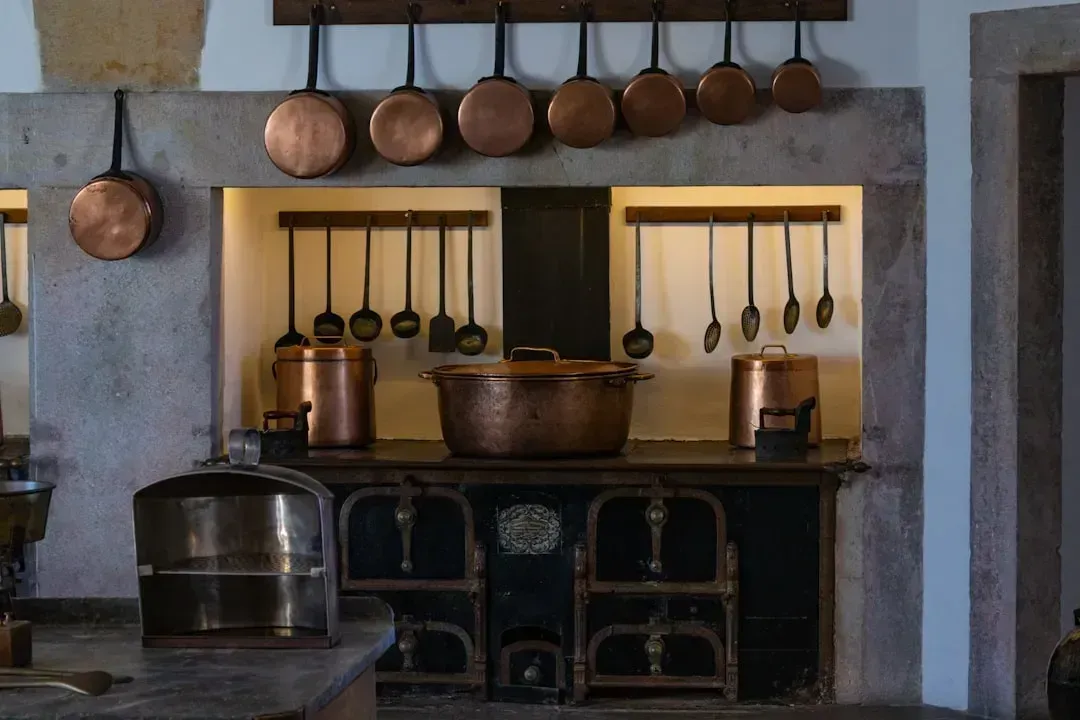
Tuscan-inspired aesthetics became a hit during a time when people couldn’t travel and were forced to stay at home, but now that homeowners can set off on global adventures again, mentions of Tuscan kitchens are down 45% from a year ago, while all things Parisian are down 26%. Those arched doorways, terracotta tiles, wrought iron details, and faux-aged finishes feel heavy and dated to contemporary buyers.
The trend toward cleaner, more minimalist aesthetics has made elaborate themed kitchens feel like decorating choices that will need immediate reversal. Buyers want kitchens that feel current and adaptable to their personal style rather than locked into a specific geographic aesthetic. While quality materials and craftsmanship never go out of style, overly themed spaces have become red flags for buyers who calculate remodeling costs before submitting offers.
Carpeted Bathrooms and Other Questionable Flooring Decisions
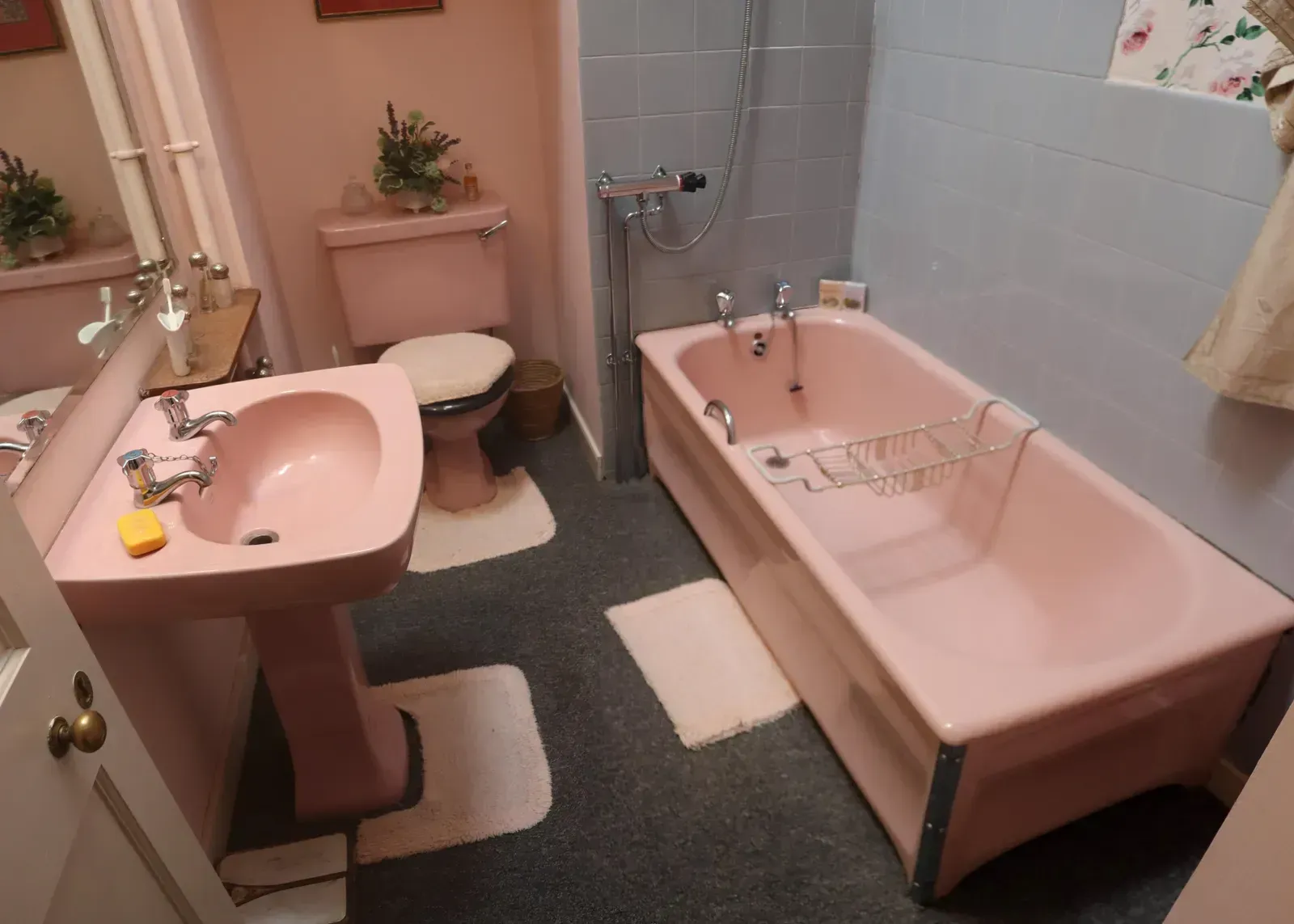
If you’ve ever encountered carpet in a bathroom, you know the visceral reaction it triggers – and that gut feeling is exactly what today’s buyers experience when they spot this relic from the 1970s and 80s. The hygiene concerns alone make carpeted bathrooms an instant dealbreaker, but they’re part of a larger pattern of flooring choices that now send buyers running. Shag carpeting in any moisture-prone area, linoleum designed to look like other materials, and those glossy ceramic tiles with busy patterns all scream “renovation required” to modern homebuyers. Real estate agents report that buyers will literally subtract estimated flooring replacement costs from their offers when they see these outdated choices. What’s replacing them? Luxury vinyl plank that’s actually waterproof, large-format tiles in neutral tones, and authentic hardwood in living spaces have become the gold standard. The difference is dramatic – homes with updated, practical flooring sell faster and command higher prices than identical properties where avocado-green bathroom carpet still clings to life.