:max_bytes(150000):strip_icc():format(jpeg)/Ways-Chefs-Add-Flavor-Without-Salt-or-Butter-FT-DGTL0126-d0d70c48c422462fa7ce3ca8579fe567.jpg)
If you’re a cook, you know that seasoning well and often is key to making food taste great. But if you immediately reach for salt and butter whenever you’re building flavor, you might find it rewarding to expand your options, whether or not it’s out of necessity.
While restaurants have a reputation for being heavy-handed with butter and salt, many modern chefs rely on a broader toolkit to create brightness and depth, from bursts of acid to flavor-enhancing umami from ingredients like nutritional yeast.
We reached out to four professional chefs around the country to learn how they create layers of flavor in their cooking. Here are their tips that you can use in your own kitchen.
Add acid
“Adding citrus or a splash of vinegar can elevate [a dish],” says Paul Rohadfox, executive chef of Adrestia at TETRA Hotel in Sunnyvale, California. “Using the juice of a lemon and then zesting the rind offers two ways to add citrus. The juice gives you a punch, and the zest is more of a tap.” Preserved lemons do double duty, adding acid and fermented funk to a dish, Rohadfox adds.
Vinegar is another great way to add a pop of acid. Try adding different bottles to your pantry, like Champagne or sherry vinegar, to play around with different flavor profiles.
“With all food, balance is key, so adding [a little] acid will go a long way,” says Tyler Fenton, chef-owner of BATA in Tucson, Arizona. “It’s particularly important in low-salt cooking to create still-exciting dishes.”
Keep in mind that acidic ingredients are usually best, or at least the most prominent, when added to your dish just before serving. Add them too early and you risk your dish turning bitter as it cooks.
Rely on herbs
“In my experience, herbs can really lead the charge when it comes to flavor,” says Rohadfox. “When added at the correct time, and whether cut or left whole, they can be a great addition to any dish.”
How you use herbs matters: Soft herbs are best for finishing, while woody herbs can be used with other aromatics to build flavor.
“To replace butter, I finish dishes with fresh herbs like basil or parsley,” says Angelo Caruso, chef-owner of Angelo’s Ristorante in Stoneham, Massachusetts. “I cook with rosemary, thyme, sage, or oregano when roasting or braising.”
Garnish your favorite pasta dish with fresh parsley to add brightness or roast potatoes with thyme for deep, earthy flavor.
Jennifer Causey / Food Styling by Emily Nabors Hall / Prop Styling by Claire Spollen
Caramelization is key
Caramelizing is a slow cooking process that brings out either added or natural sugars in an ingredient through browning.
“When you allow ingredients to caramelize properly, you unlock sweetness and depth that make a dish taste fuller without relying on extra fat or sodium,” Caruso says. Try caramelizing red onions, broccoli, or garlic.
“Roasting onions or other vegetables and puréeing them can also add richness to sauces and vinaigrettes,” adds Abby Burk, executive chef of Eight North in Calistoga, California. For example, roasted red peppers bring big flavor to muhammara.
Bring on the smoke
Similar to how caramelizing food can transform its flavor profile, so too can adding a touch of smoke. This could mean using ingredients that are already smoked, like some tinned fish or paprika, but it could also mean you’re cooking directly over wood or charcoal.
“Hard-grilling over a wood grill is a great technique to draw out natural flavors from products while introducing pleasant new layers,” Fenton says.
Barella explains that one of the oldest substitutes for salt is actually ash. “Wood ash contains potassium carbonate, and it is used in Africa, Asia, and Mesoamerica since it raises pH and enhances flavor, giving a salt-bitter impression,” says Manny Barella, chef and co-owner of Riot BBQ in Denver. “Smoke adds bitterness, phenols, and umami that activate the same receptors as salt.”
It’s as great a reason as any to fire up the grill, even in the colder months.
Food & Wine / Photo by Jen Causey / Food Styling by Margaret Dickey / Prop Styling by Josh Hoggle
Include fermented foods
“If you’re trying to limit salt use, fermented foods are a great way to add salinity while also layering flavor,” says Fenton. “Miso, shoyu, garum, and fish sauce are all great choices for this method, as are lacto-fermented foods such as sauerkraut or kimchi.”
Keep in mind that fermented foods can be high in sodium, but the idea is that you’re using less of them for dishes like Miso-Glazed Salmon.
Use pungent ingredients
Beyond fermented ingredients, there are plenty of other options for adding depth to your dishes.
“Butter adds a creamy richness to dishes that is irreplaceable, and I always say to use a little of a good-quality butter and enjoy it,” says Burk. “But when you are avoiding butter altogether, there are plenty of options to achieve a similar creaminess in meals. I love Dijon mustard because it is a great emulsifier, gives a cream-adjacent texture to dishes, and adds a soft acidity.”
Many strongly flavored ingredients like tahini, nut butters, ginger, seaweed, mushrooms, and MSG are great for packing in the flavor and sometimes texture without adding salt or butter.
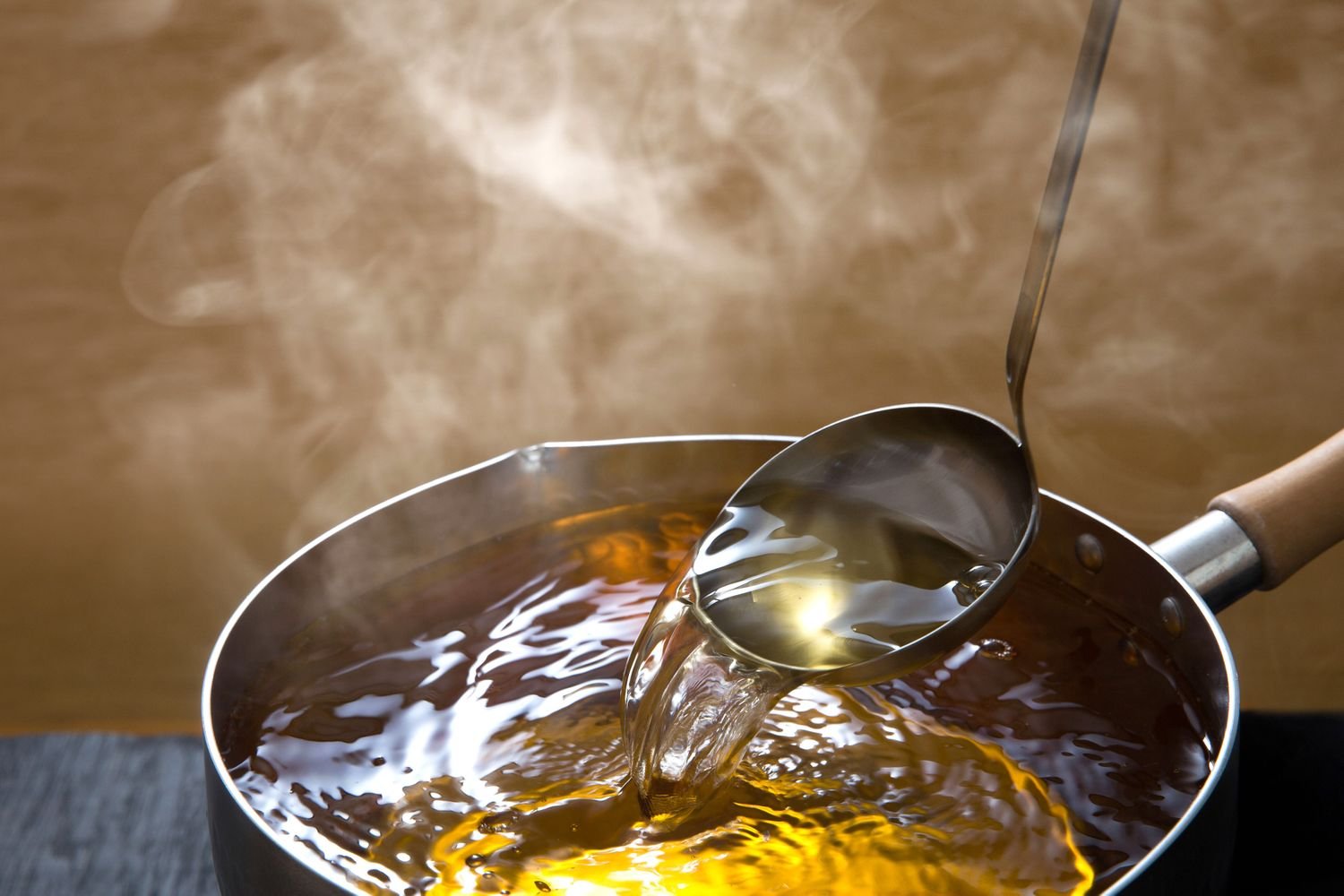
“Simmering Parmesan rinds in broths or sauces is also a go-to method,” Burk says. “I love using celery in dishes because it has a saline-adjacent quality. Nutritional yeast is also a good option to help offset some salt use. Steeping rich broths with dried seaweeds and/or mushrooms adds depth.”