Canned Beans: The Protein Powerhouse
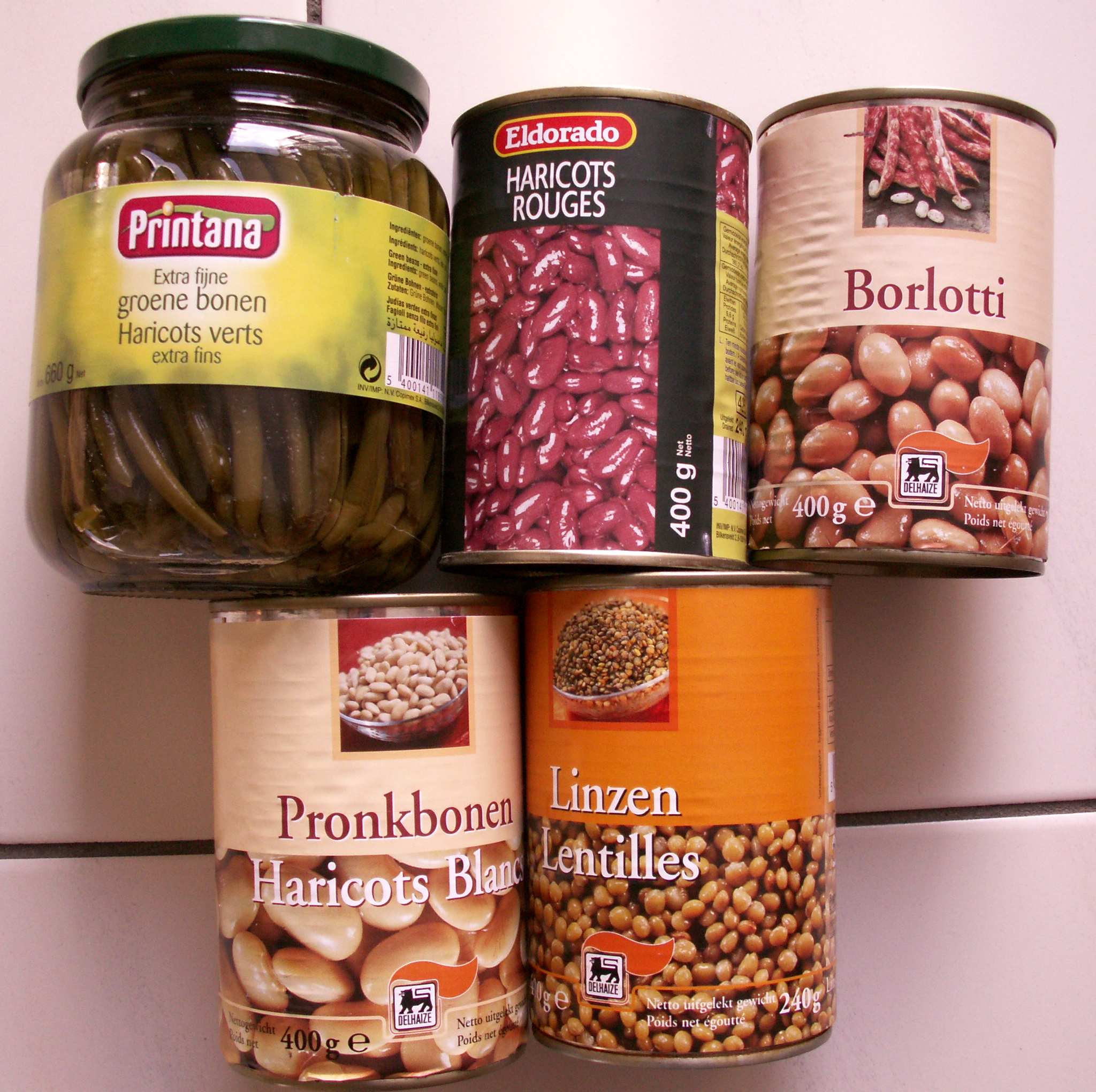
Here’s something that might surprise you – canned beans are nutritional champions hiding in plain sight on your pantry shelves. Canned beans are such a kitchen workhorse. They bulk up soups and stews, they add tons of fiber and protein to everything from salads, like this hearty Southwest Cobb Salad to dips like our Sweet and Smokey Bean and Corn Dip. The convenience factor is unbeatable when you’re trying to get dinner on the table after a long day.
While the nutrients in each variety of bean differ somewhat, no matter which kind you choose you’ll be getting fiber, plant-based protein, iron and other essential vitamins and minerals. Research shows that frequent canned food users actually consume more nutrient-dense foods overall compared to those who rarely use canned goods.
Canned Tomatoes: Your Secret Sauce
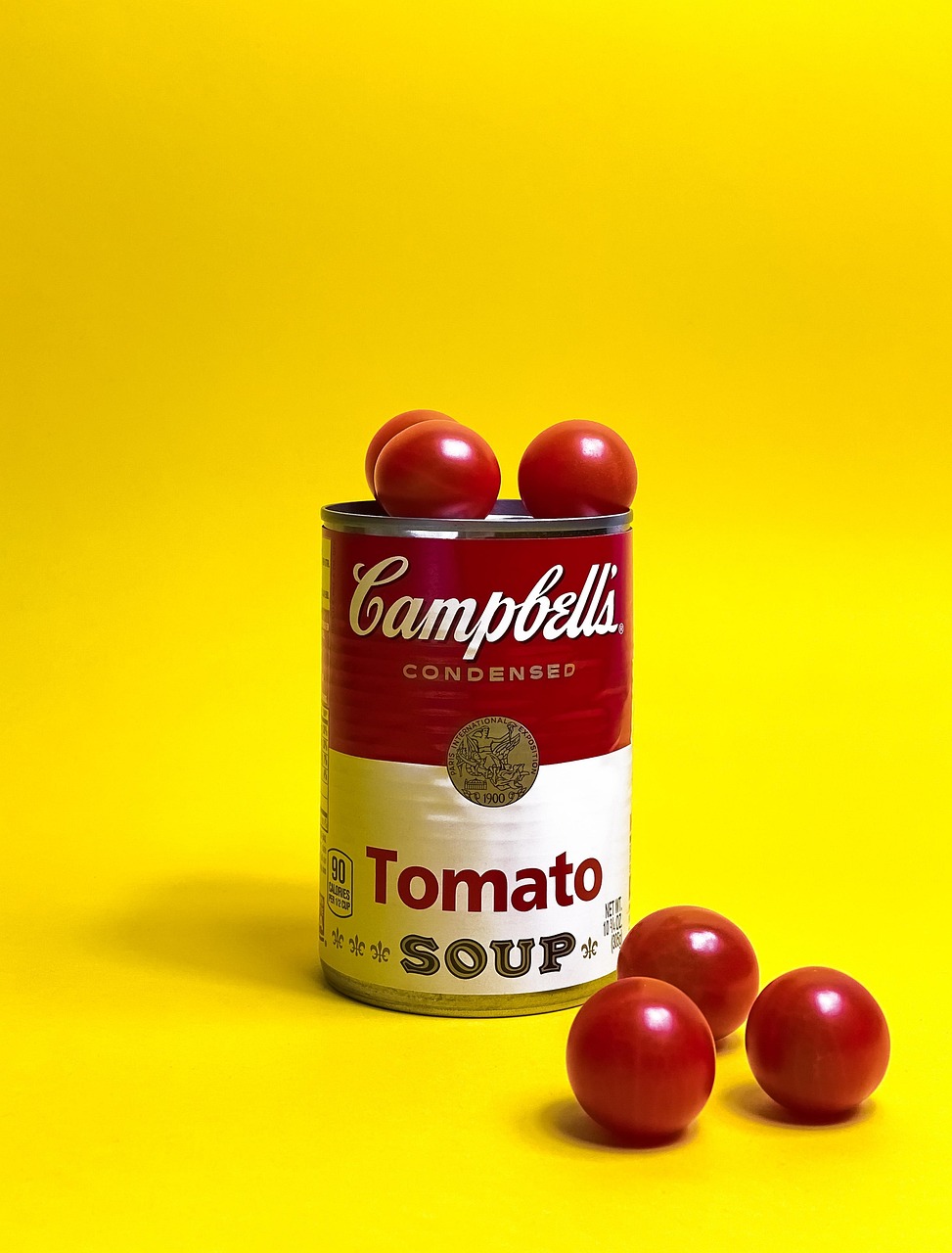
If there’s one canned good that deserves a permanent spot in your kitchen, it’s tomatoes. Almost every meal we make seems to start with a can of tomatoes. Whether you’re making pasta sauce, curry, soup, or chili, canned tomatoes provide the acidic backbone that brings flavors together beautifully. They’re like the Swiss Army knife of canned goods.
The canning process actually concentrates the lycopene in tomatoes, making them even more nutritious than fresh ones in some cases. Plus, you don’t have to worry about seasonal availability or spending ten minutes peeling and chopping fresh tomatoes when you’re in a hurry.
Coconut Milk: The Creamy Game Changer

You guys know how much we love coconut milk – do you love it, too? A plant-based milk that turns everything it touches into silky, creamy, buttery, rich goodness – what’s not to love? This isn’t just another trendy ingredient – it’s genuinely transformative for both cooking and baking. One spoonful can turn a basic curry into restaurant-quality comfort food.
Coconut milk: full-fat coconut milk is an absolute must – we use it in our warm and healthy Breakfast Quinoa and it makes our Easy Cauliflower Curry so luxuriously creamy. It’s dairy-free, shelf-stable for years, and works equally well in sweet and savory dishes. Talk about versatility in a can!
Canned Fish: The Quick Protein Fix
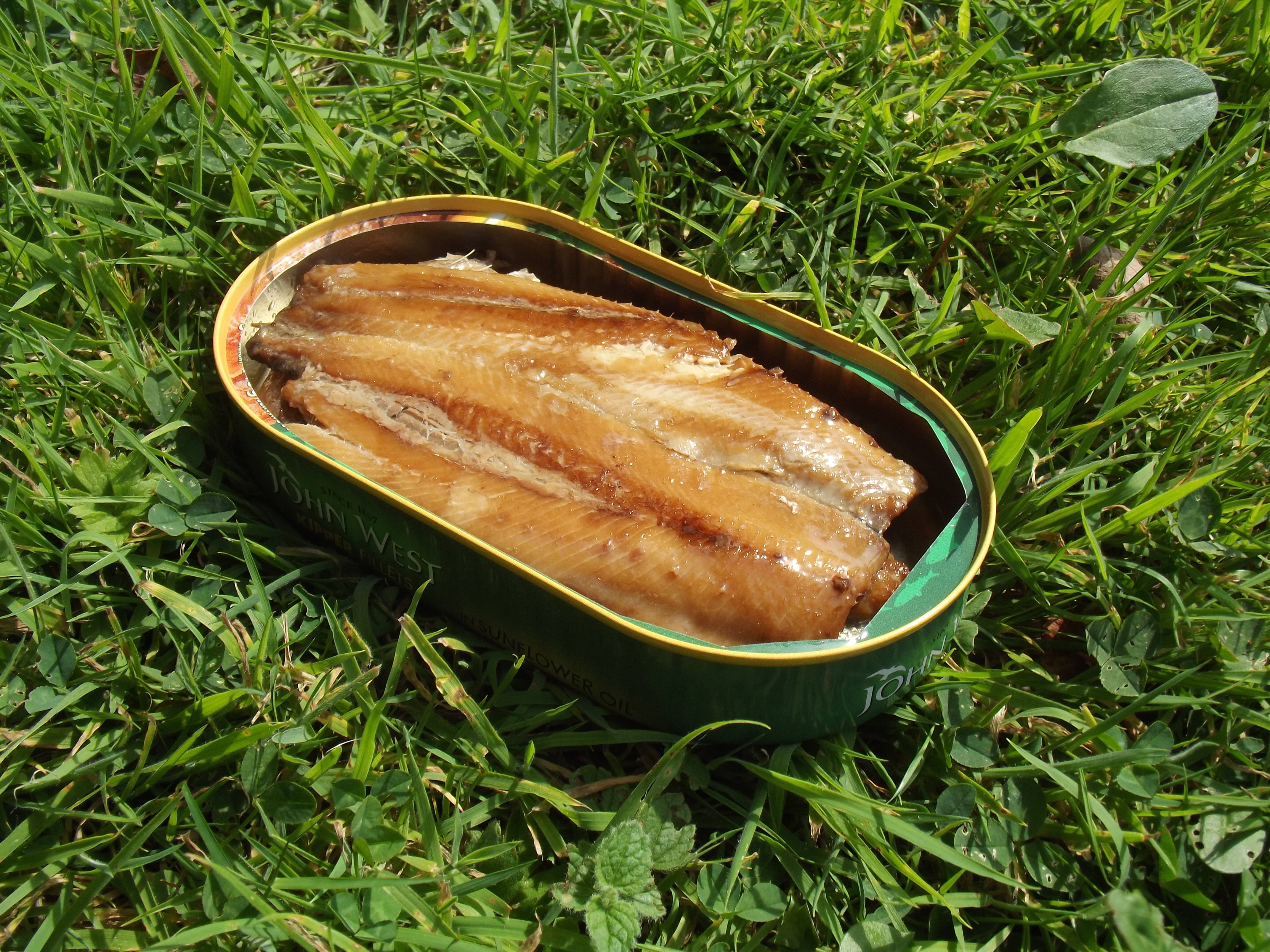
Canned fish and chicken are high in protein (typically 15-25 grams per 3-ounce serving) and vitamin-rich. Fish, like tuna, is also brimming with omega-3 fatty acids. When fresh fish costs a fortune and spoils quickly, canned options give you the same nutritional benefits at a fraction of the price and hassle.
Don’t limit yourself to basic tuna salad either. You can use these canned goodies on salads, in sandwiches, in pasta dishes, in casseroles and in soups and chilis. In general, these canned goods last up to two years. That’s peace of mind you can’t get from the fresh seafood counter.
Broth and Stock: The Flavor Foundation
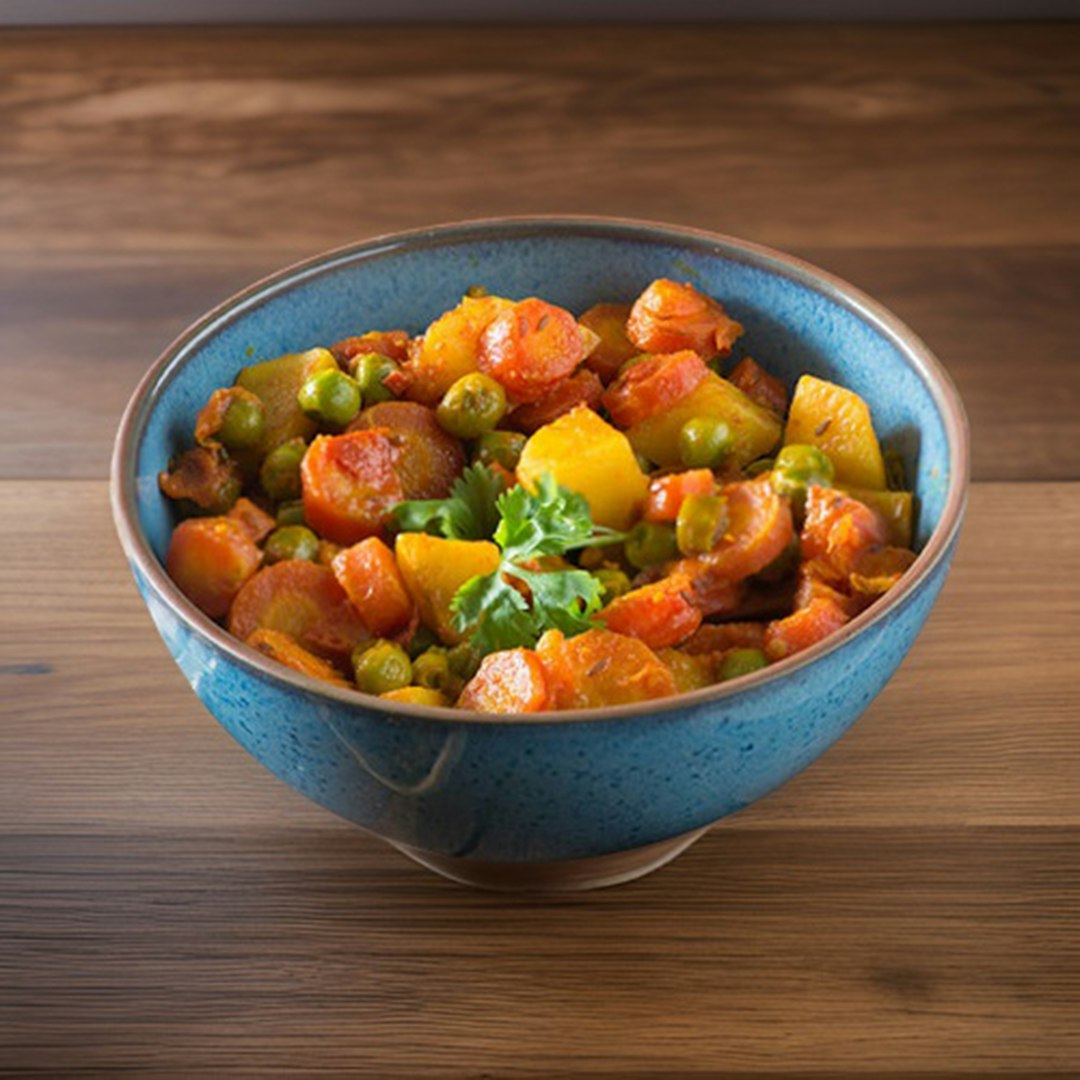
Water is fine for boiling pasta, but stock transforms ordinary dishes into something memorable. Stock forms the base of so many Soups, and using it as a liquid in place of water adds flavor to the simplest of things like Boiled Rice, or Poached Chicken. It’s one of those ingredients that works behind the scenes to make everything taste better.
Always always always look for low-sodium versions – you can always add more salt to taste if you’d like to, but why not start out with the best of low-sodium intentions? Having chicken, beef, and vegetable stock on hand means you’re always ready to elevate simple ingredients into satisfying meals.
Pasta Sauce: The Eight-Minute Miracle
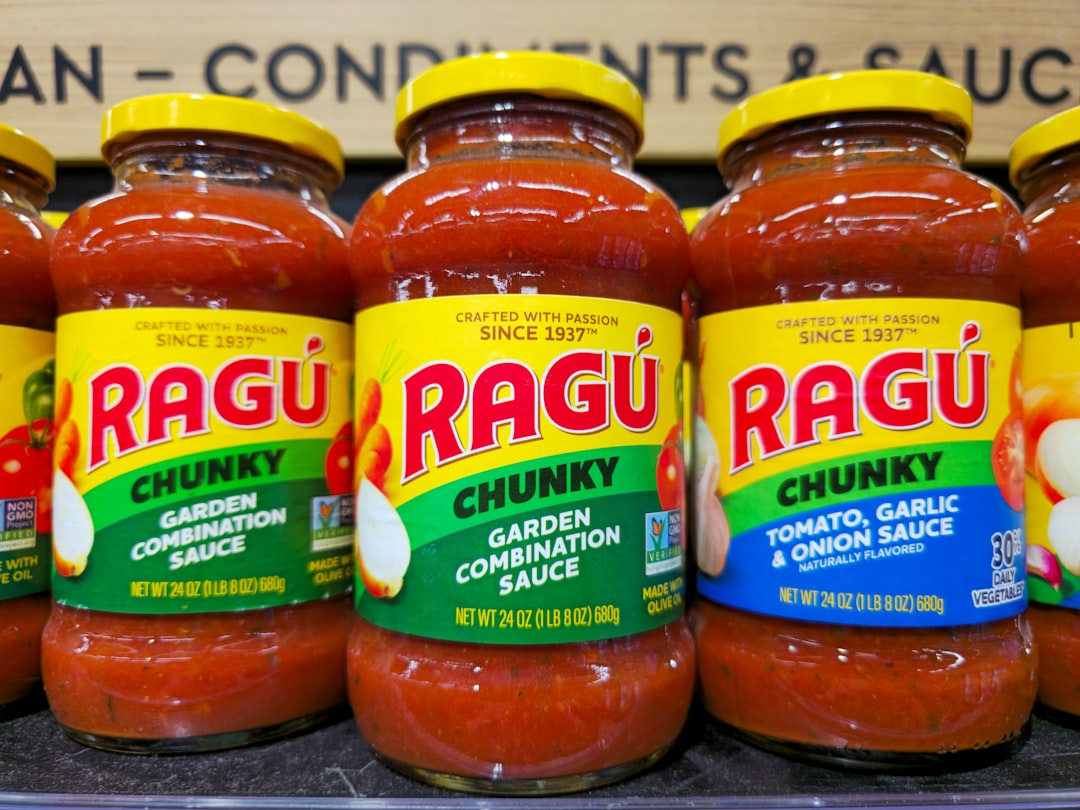
All you have to do in the eight minutes it takes to boil spaghetti is open a jar. That leaves seven and a half minutes to like, talk to your spouse or ask your kids how their day went, or open a bottle of wine and then just sit down for a second. Sometimes the best cooking hack is knowing when not to cook from scratch.
Sure, homemade sauce tastes amazing when you have three hours to spare. But on those Tuesday nights when everyone’s hungry and tired, jarred sauce is your friend. You can always doctor it up with fresh herbs, garlic, or vegetables to make it feel more homemade.
Canned Cheese: The Disappointing Spread
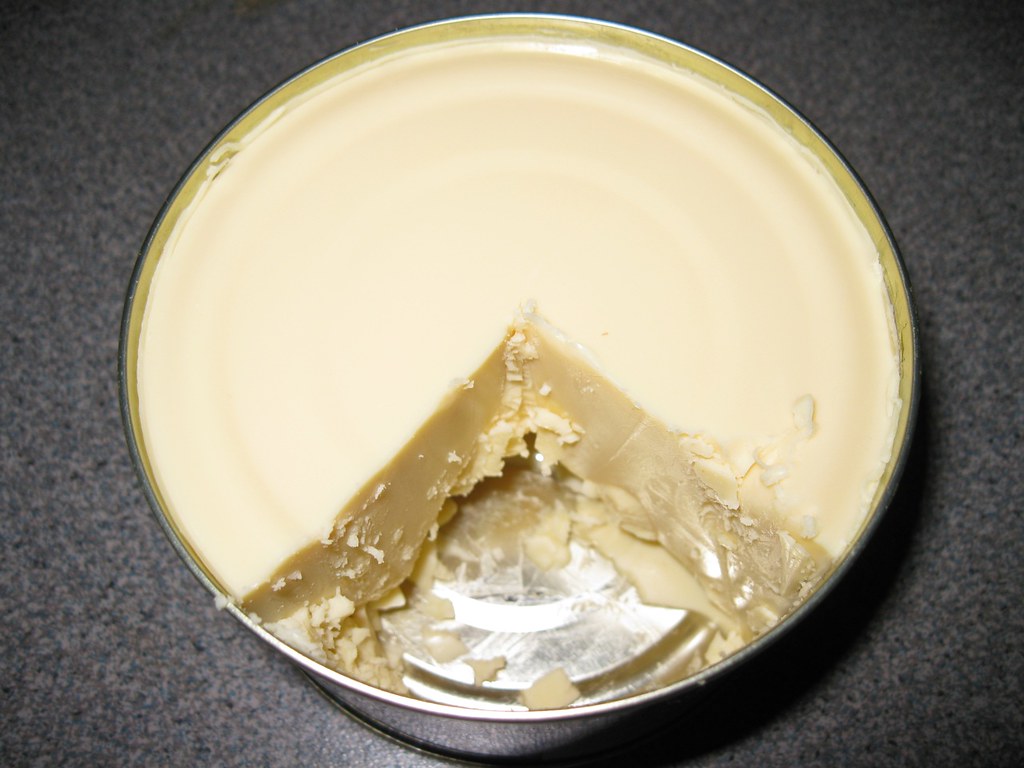
Let’s talk about one of those canned goods that sounds convenient but delivers disappointment. On Amazon, one reviewer urged consumers to steer clear of this product, stating it was “Bland. Do not buy. I am creative, but this cheese was horrible, even for a pantry emergency stock.” That’s pretty harsh criticism, but not undeserved.
Ultimately, some food products are simply not meant to be shelf stable, and that includes most cheeses. Unless you find yourself in a Doomsday situation, we’d stick to fresh cheeses that provide a much more authentic flavor and consistency. The texture alone should be enough to convince you to skip this aisle.
Vienna Sausages: The Mystery Meat
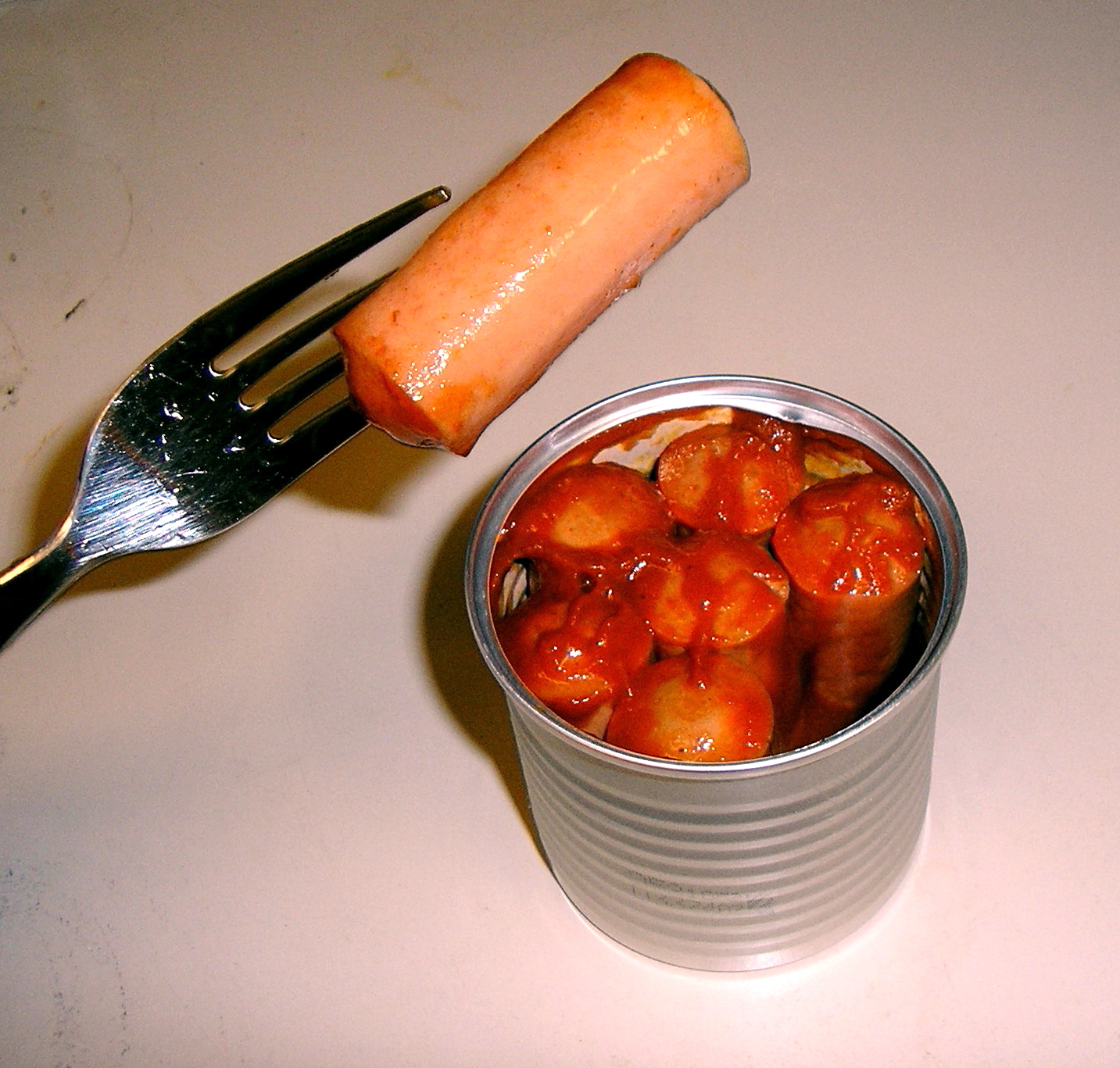
When sampling a Vienna sausage, don’t expect the flavor of sausages or hot dogs. They’re not nearly as meaty and have a completely different texture. One bite and you’ll understand why so many people have strong opinions about these little cans of confusion.
One Reddit user explains that they taste like “Cold, soft hot dogs. They almost melt in your mouth, and not in a good way. It’s like “meaty” Jello.” That description alone should be enough to steer you toward better protein options. Your taste buds will thank you.
Canned Bread: The Soggy Letdown
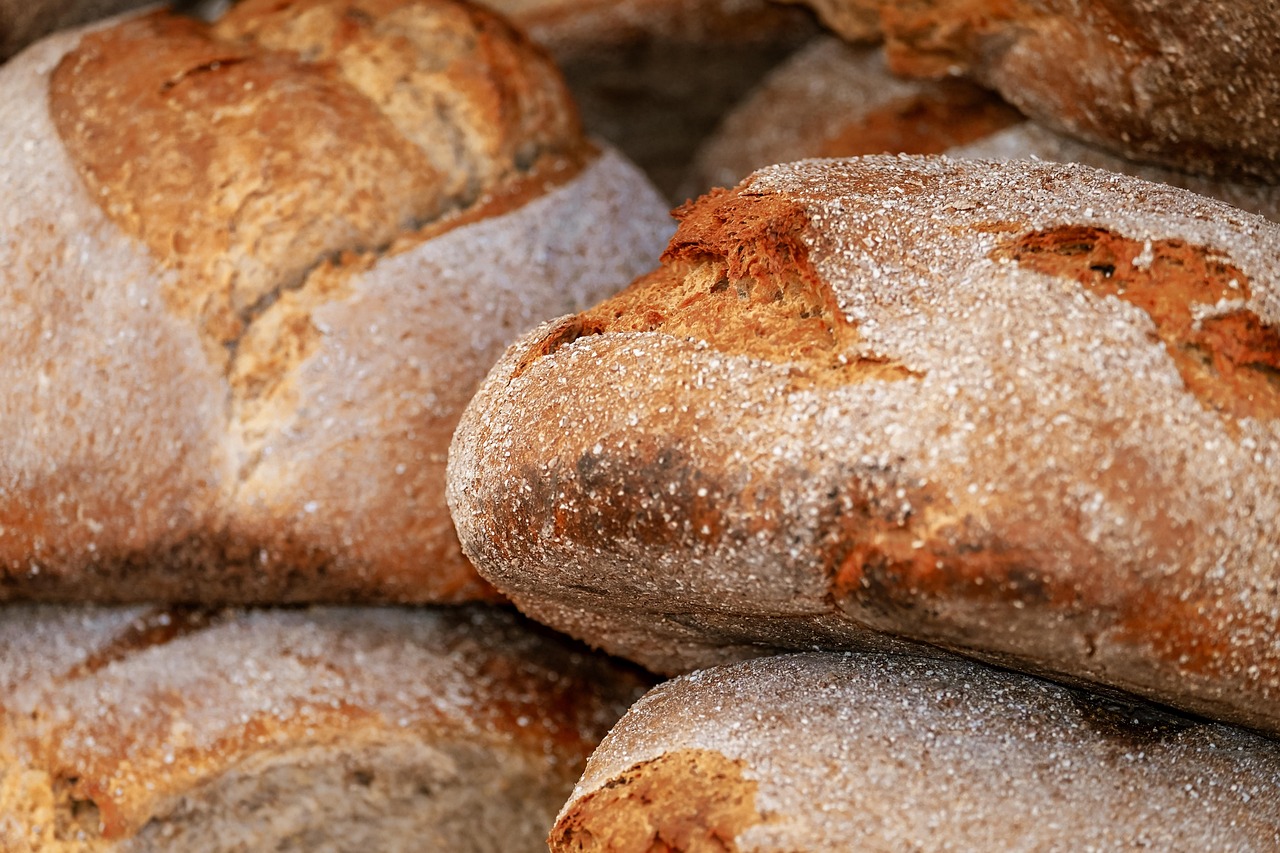
If you approach this canned good as regular bread, you’ll be sorely disappointed. This product is more similar to a dense cake than it is bread so it’s best to consider it as such. Even calling it cake seems generous when you consider what happens next.
And you can forget about throwing it in the microwave; it’ll take on a rubbery texture. Life’s too short for rubbery bread-cake hybrids. Stick to the bakery section or learn to bake your own – both options will serve you better than whatever’s hiding in that mysterious can.
Canned Citrus Fruits: The Acidic Problem
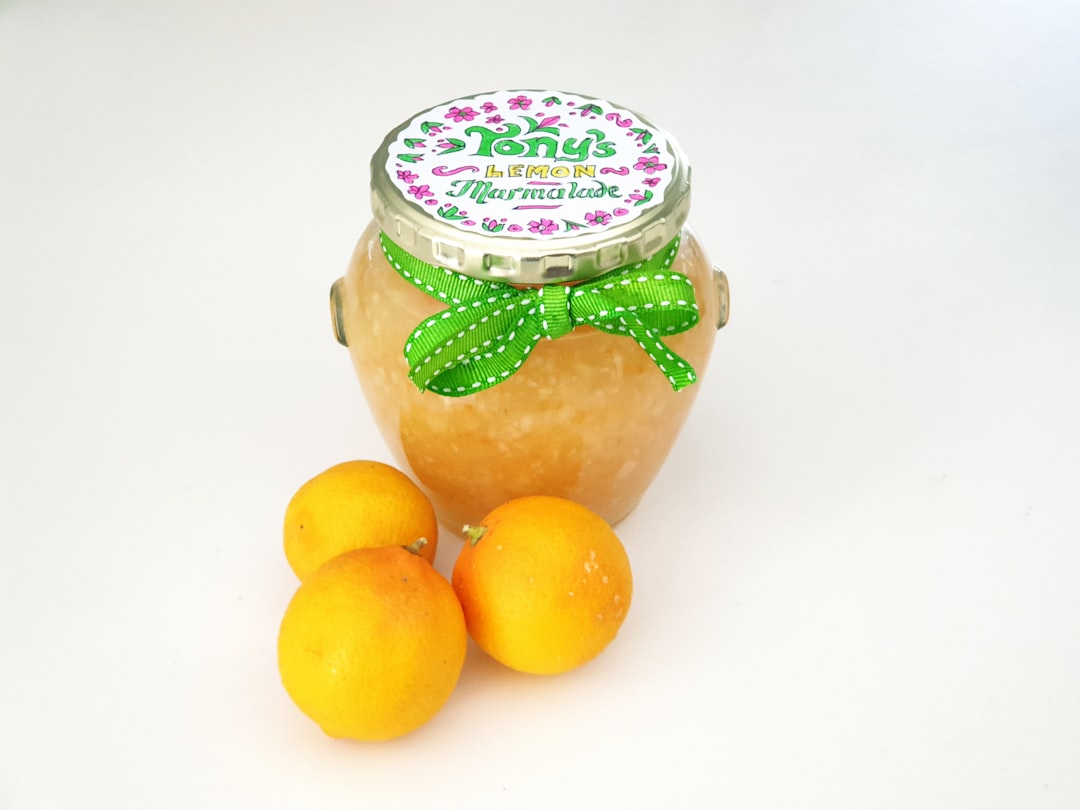
High-acidic foods like canned oranges or grapefruit can have the same effect that canned tomatoes do. Metal cans are lined with plastic, but those can wear away and be less effective over longer periods of time. Eventually, acids in the food interact with the metal of the can. This isn’t just about taste – it’s about food safety too.
This is one of the reasons why it’s best to eat any kind of canned citrus fruit within 12 months or less of putting those foods into the pantry. The interaction between the can and the acid in the food changes the texture and flavor of the food over many years. When fresh citrus is available year-round and frozen options taste better, why gamble with questionable canned versions?
The Growing Canned Food Market
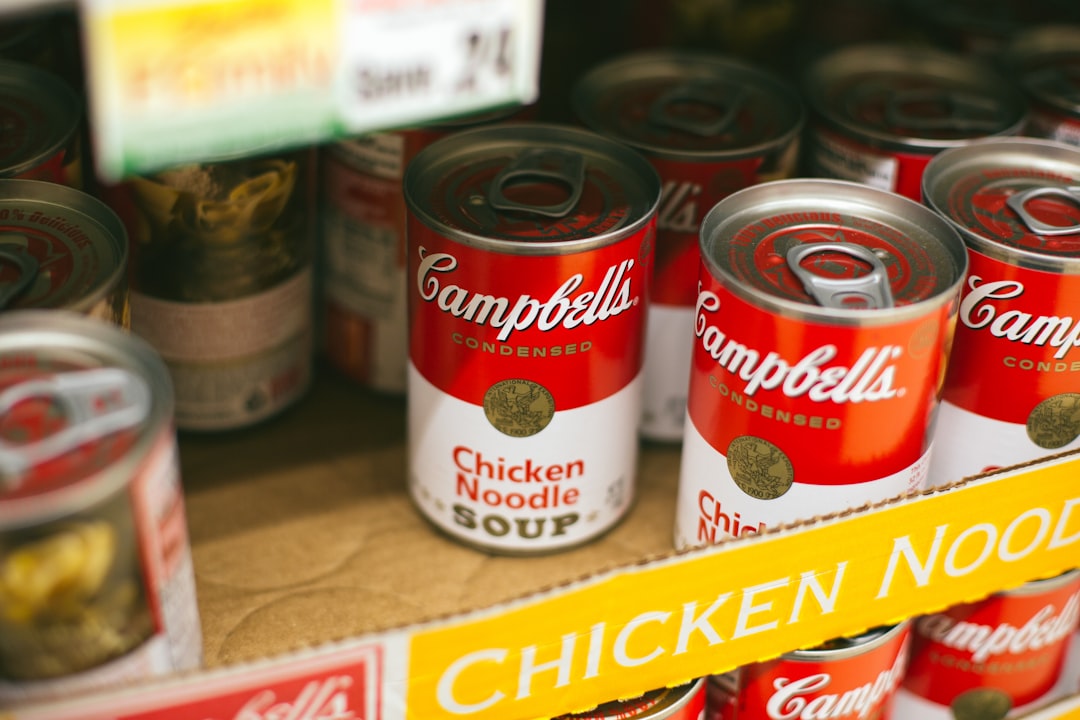
According to industry reports, the global canned food market is experiencing steady growth, with projections showing continued expansion through 2033. These numbers tell us that despite fresh food trends, people still rely heavily on canned goods for convenience and nutrition.
Industry surveys indicate that a majority of Americans regularly use canned foods, with many consumers incorporating them into their weekly meal planning. This widespread usage makes sense when you consider busy lifestyles and the need for reliable meal solutions that don’t require frequent shopping trips.
Nutritional Benefits You Might Not Expect
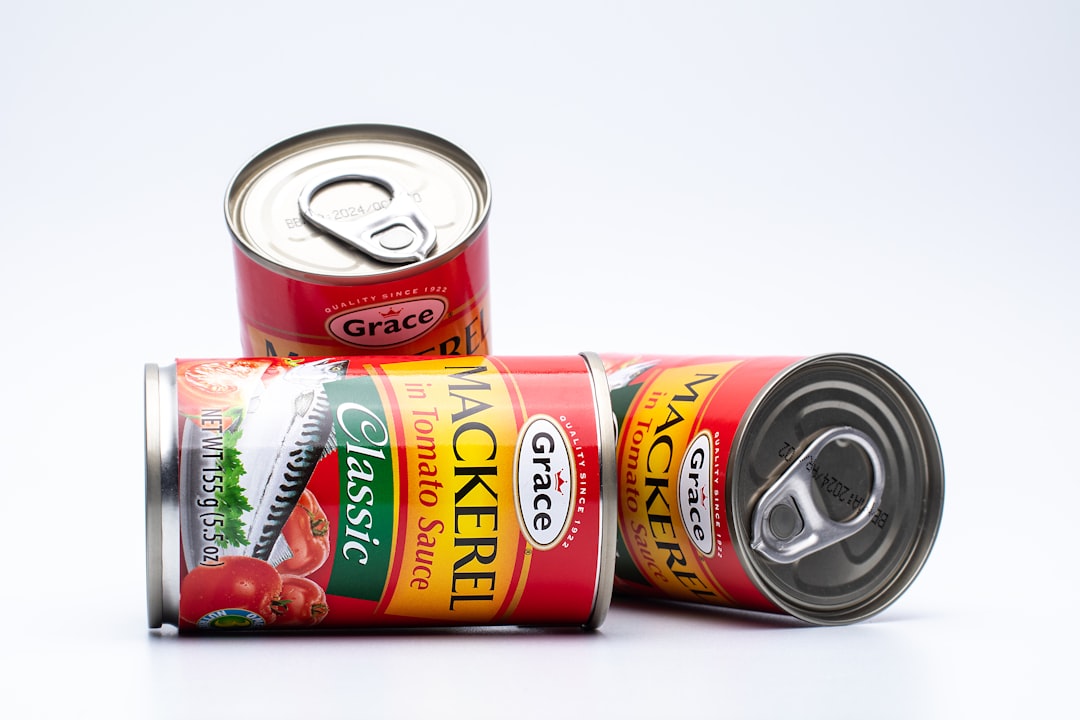
Recent research has shown that canned options contain comparable nutrient profiles to fresh foods, therefore nutrient-dense canned foods should be considered as healthy options alongside fresh foods, or as nutritious alternatives to fresh foods. This challenges the common assumption that canned always means less nutritious.
The canning process typically retains the nutritional value of the food, although some vitamins may be lost during heating. In many cases, the convenience and longer shelf life more than make up for any minor nutritional differences, especially when the alternative might be skipping meals or relying on less healthy options.
The truth about canned goods isn’t black and white. While some items like beans, tomatoes, and coconut milk deserve permanent spots in your pantry, others like canned cheese and Vienna sausages are best left on store shelves. The key is knowing which ones actually improve your cooking and which ones are just taking up valuable storage space. Your wallet and your taste buds will both appreciate making these distinctions.