:max_bytes(150000):strip_icc():format(jpeg)/Haitian-Soup-Joumou-FT-RECIPE1222-adf8a64558584bb29d3c73b4a014830e.jpg)
Whether they are eating 12 grapes at the stroke of midnight in Spain or polishing off a marzipan pig in Germany, people around the globe celebrate New Year’s with culinary traditions in hopes of bolstering good fortune in the months to come.
The culinary traditions enjoyed from New Year’s Eve through New Year’s Day often represent wealth in some way: Italians eat lentils that look like gold, the black-eyed peas in Hoppin’ John represent coins. Read on for some of the world’s favorite dishes to cook for New Year’s brunch, lunch, or dinner to bring joy, comfort, and the promise of a fresh, abundant start.
Soup Joumou
Greg Dupree / Food Styling by Torie Cox / Prop Styling by Shell Royster
Soup joumou is a Haitian stew made with beef, vegetables, squash, and rigatoni that is commonly eaten on New Year’s Day. In this recipe, the beef gets marinated in epis, a powerful aromatic flavor base made of shredded bell pepper, scallion, onion, and garlic. Soup joumou is served in honor of the anniversary of Haiti’s freedom from French colonial rule after the successful rebellion of 1804. This dish is so significant that it has been placed on the UNESCO Intangible Cultural Heritage List.
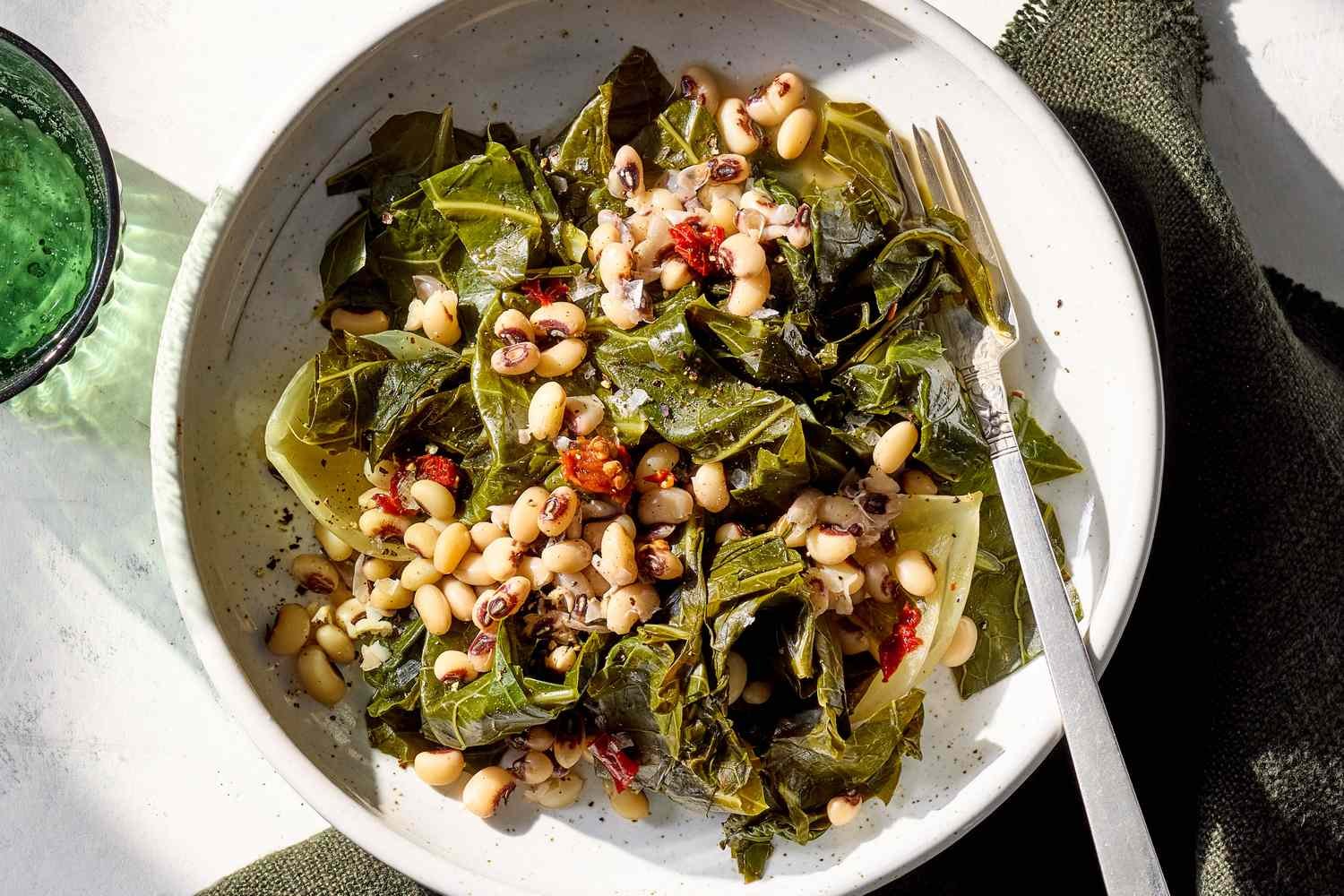
Spicy Collard Greens
Food & Wine / Photo by Fred Hardy Jr. / Prop Styling by Josh Hoggle / Food Styling by Julian Hensarling
In the South and Southern Appalachia, collard greens are a classic accompaniment to black-eyed peas on New Year’s Day since their green color evokes money: Eating them is meant to ensure a prosperous year to come. Although legendary food writer and chef Edna Lewis avoided collards growing up in Virginia, she embraces them in this recipe, which calls for unblemished leaves and allows cooks to adjust the heat by varying the red pepper.
Kiribath with Lunu Miris (Coconut Rice with Sambal)
Kiribath is a dish of fragrant coconut rice diamonds topped with spicy red onion sambal that is traditional in Sri Lanka. Lunu miris, the sambal paste, is made by mashing peppers, shallots, lime, and other ingredients in a mortar and pestle. “Kiribath is one of the most auspicious foods in the Sinhalese culture (the culture of the majority of Sri Lankans),” says Yasmin Sabir, an Australia-based food writer and recipe developer. “It signifies new beginnings and prosperity — it’s often given as a baby’s first solid food, and it’s customary for it to be the first thing cooked when you move into a new house.”
Hoppin’ John
This cozy Southern classic has roots in the African diaspora and the Gullah people of the Carolinas, and is traditionally served on New Year’s Day for good luck. It’s made with black-eyed peas stewed with a ham hock, aromatics like celery and onion, spices, and greens and is served over rice. Some communities prefer a vegan Hoppin’ John like the one Charleston chef Kevin Mitchell makes. The black-eyed peas themselves are said to ensure prosperity for the coming year since they resemble coins, and the greens are the color of money.
Atlanta-based chef Todd Richards spices up his family’s recipe for Hoppin’ John with harissa. “What I always loved about my great-aunt’s Hoppin’ John was how spicy it was,” says Richards. “Her version had a good amount of crushed red pepper flakes and black pepper. My recipe leans on harissa to bring an earthy heat; it’s a perfect match for the meaty black-eyed peas in this dish.”
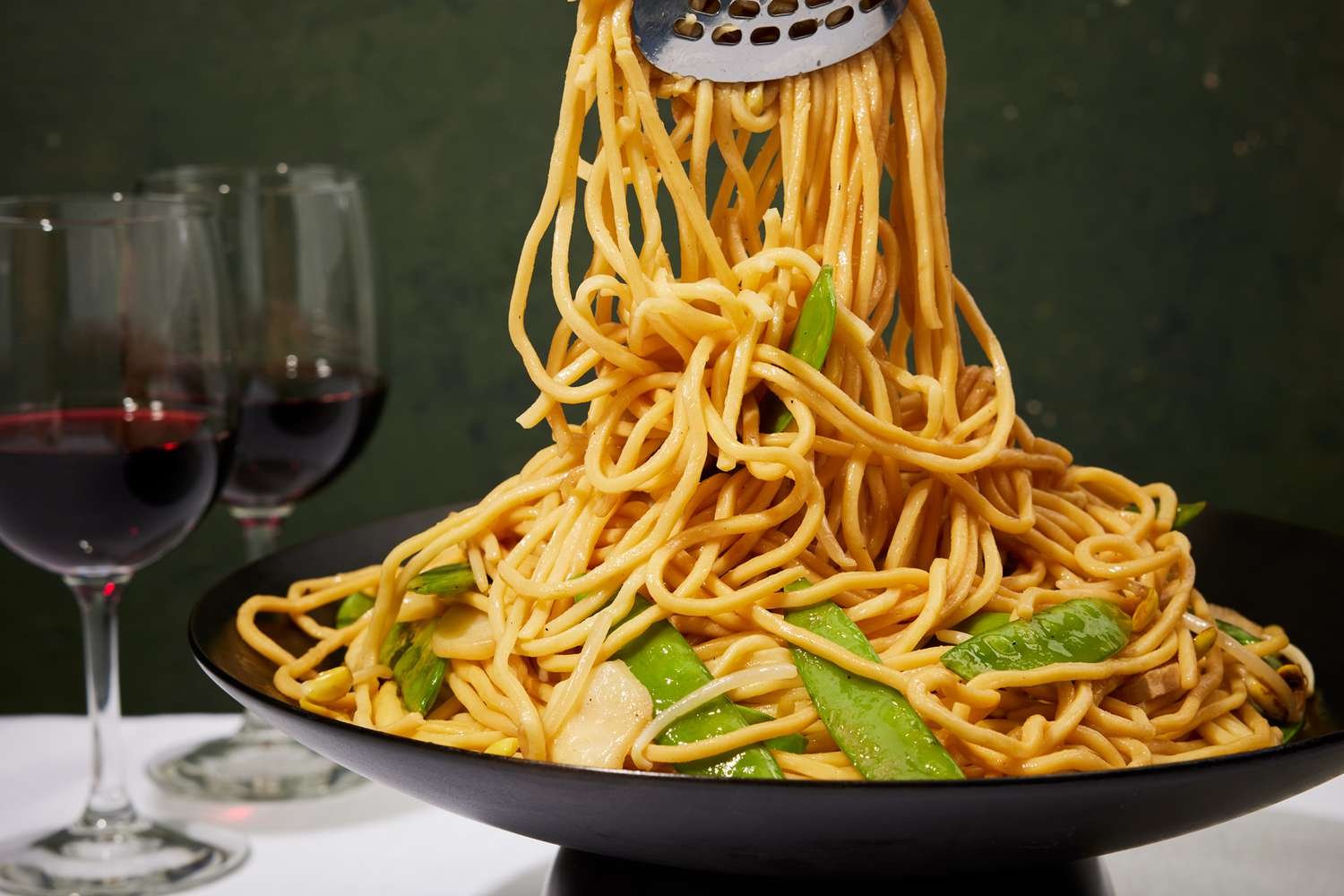
Longevity Noodles
Jennifer Causey / Food Styling by Margret Monroe Dickey / Prop Styling by Claire Spollen
Eaten on Chinese New Year, the date of which varies, Longevity Noodles are one of the most beloved for celebrating new beginnings. The history of Longevity Noodles dates back to the Han Dynasty; the long noodles symbolize a long life, prosperity, and new beginnings, and the recipe was historically passed down between generations. This version was first published in Food & Wine in 1999, and was developed by the late cookbook author Eileen Yin-Fei Lo. It features long, bouncy egg noodles, bean sprouts, and fresh snow peas.
Oto (Mashed Yam Patties)
Puna yam (not to be confused with sweet potato) is the star of this Ghanaian dish often served on auspicious days like New Year’s Day, births, or wedding celebrations. Starchy puna yams are cooked with brown sugar, mashed, and formed into patties and fried. Each patty gets topped with a soft-cooked egg. “Hugely symbolic in many cultures around the world, the egg represents life itself,” says cookbook author Zoe Adjonyoh. “Oto, the vehicle in Ghanaian cuisine for the humble egg, is the dish by which new beginnings are celebrated. It’s a great way to celebrate the new year and new possibilities.”
Whole Fish
Greg DuPree / Food Styling by Torie Cox / Prop Styling by Claire Spollen
Because the Chinese word for fish (yu) sounds like the word for “abundance,” Lucky Chow producer Danielle Chang includes fish in her Lunar New Year menu to symbolize prosperity for the year ahead. For this preparation, she relies on light soy sauce, which is paler and saltier than dark soy sauce, allowing it to season steamed seafood without masking the fish’s delicate flavor.
Soft Pretzels
Julia Hartbeck
In Germany and in German communities around the world, doughy soft pretzels are eaten on New Year’s Day for good luck. They’re typically enjoyed at breakfast and can come salted or glazed with sweet icing. While some New Year’s soft pretzels are braided into stunning sculptures or intricately shaped, we love a classic pretzel stick like these from 2002 F&W Best New Chef Grant Achatz.
Tteokguk (Korean Rice Cake Soup)
Tteokguk, a soup of chewy-soft rice cakes simmered in translucent broth, is eaten for good luck at the Lunar New Year; its white rice cakes signify purity and a fresh beginning. According to tradition, once you finish your New Year’s bowl of rice cake soup, you’re considered a year older.
Tamales
“Since making them is a laborious activity, tamales are usually made only for special occasions or holidays,” writes Rafaela Castro in her book Chicano Folklore: A Guide to the Folktales, Traditions, Rituals and Religious Practices of Mexican Americans. “Christmas and New Year’s are two holidays when families come together to make their tamales for sharing and celebrating.” In this case, recipe developer Paola Briseño González roasts oyster mushrooms to intensify their flavor for a hearty vegetarian tamale filling, pairing them with a velvety, aromatic peanut mole that satisfies everyone at the table.
Cornbread
Antonis Achilleos / Prop Styling by Christina Daley / Food Styling by Emily Nabors Hall
Cornbread signifies prosperity in the year to come thanks to its bright gold color, which is why it fits in so well with other Southern traditions with similar symbolism like Hoppin’ John — not to mention it’s a perfect side for sopping up all the liquid from that delicious dish. Slightly sweet and buttery, this classic Southern cornbread is served at Erick Williams’ Virtue in Chicago as an homage to the Great Migration; it’s best enjoyed warm on the day it’s baked.
Whipped Cream
Morgan Glaze / Food Styling by Jennifer Wendorf / Prop Styling by Christina Daley
This New Year’s culinary tradition is in some ways not so culinary. In homes in Switzerland, it’s tradition to drop a dollop of whipped cream on the floor at the stroke of midnight. Embrace the chaos; it signifies good luck. A simple whipped cream could work, but this recipe from writer Ella Quittner blends chilled cream with cocoa powder and buttermilk, then gains extra richness from a silky chocolate ganache. No whipped cream? Ice cream works, too.
Pomegranate Seeds
The jewel-like seeds of this juicy fruit, which is in season in the winter, are typically enjoyed as the old year gives way to the new in Mediterranean countries like Greece and Turkey. In Greek culture, pomegranates are hung by the door between Christmas and New Year’s, and then at midnight on New Year’s Eve, the pomegranates are smashed — the more seeds that fly out onto your floor, the better your luck for the next year.
Champagne
Perhaps the most widely known New Year’s tradition is to pop a little bubbly. Whether you’re opening Champagne, Cava, Prosecco, or any other sparkling wine, you’ll join a chorus of popping corks heard around the world as the clock strikes midnight.
Lentil Soup with Smoked Sausage
At midnight on New Year’s Eve, Italians eat lentils. The tradition dates back to Roman times, when people would give lentils to loved ones at New Year’s. The small legumes resemble small coins and symbolize riches in the year to come. This lentil and sausage soup is a smoky, creamy, and satisfying way to welcome a fresh year.