Robin Pie
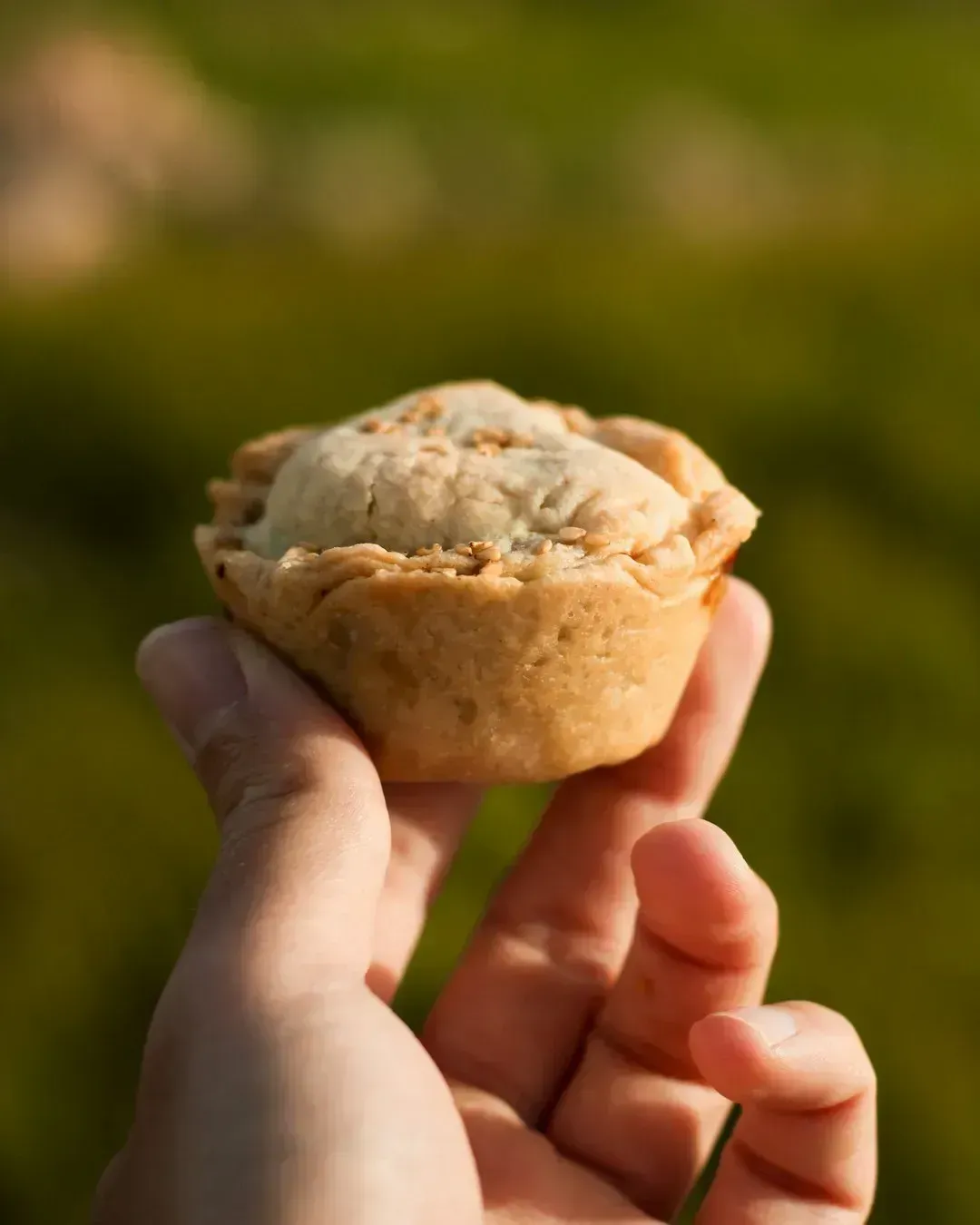
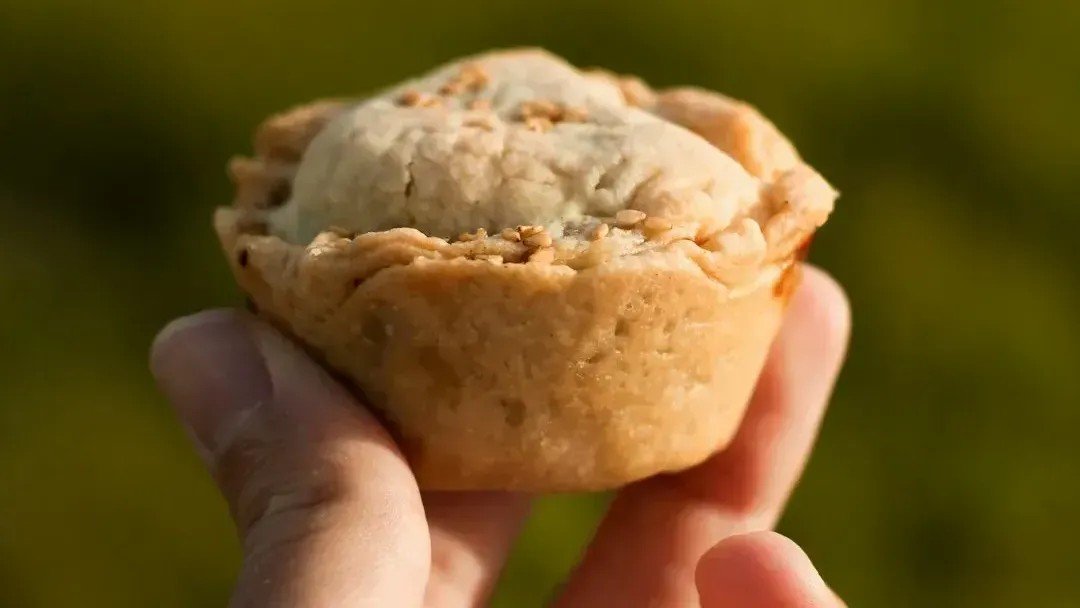
In the 19th century, robin pie was a dinner specialty layered with beef, bacon, and actual robins. This unusual combination might sound bizarre to modern ears, yet it was considered perfectly acceptable dining back then. Robins were protected under the Migratory Bird Treaty Act of 1918, effectively ending this peculiar culinary tradition. The dish disappeared almost overnight as legal protections took hold, leaving it as nothing more than a footnote in American food history. Today, you’d be hard-pressed to find anyone who’s even heard of robin pie, much less tasted one.
Mock Turtle Soup
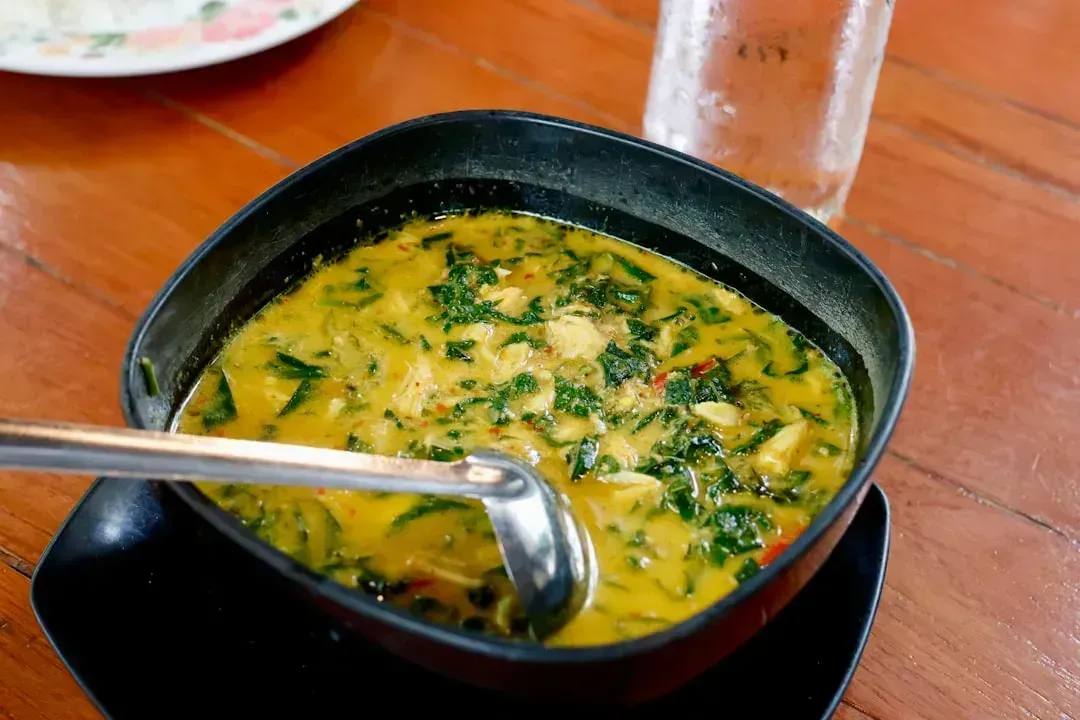
Mock turtle soup didn’t contain actual turtle but was made from calf’s head to mimic the texture and richness of the real thing. This Victorian-era favorite was considered hearty and flavorful, honestly a bit odd by today’s standards. A Victorian era favorite, it was hearty, flavorful, and oddly luxurious, but as times and ingredients changed, this complex dish slowly disappeared from tables. The labor-intensive preparation and changing tastes ultimately pushed this once-beloved soup into obscurity. Now it exists mainly in old cookbooks and historical accounts.
Ambrosia Salad
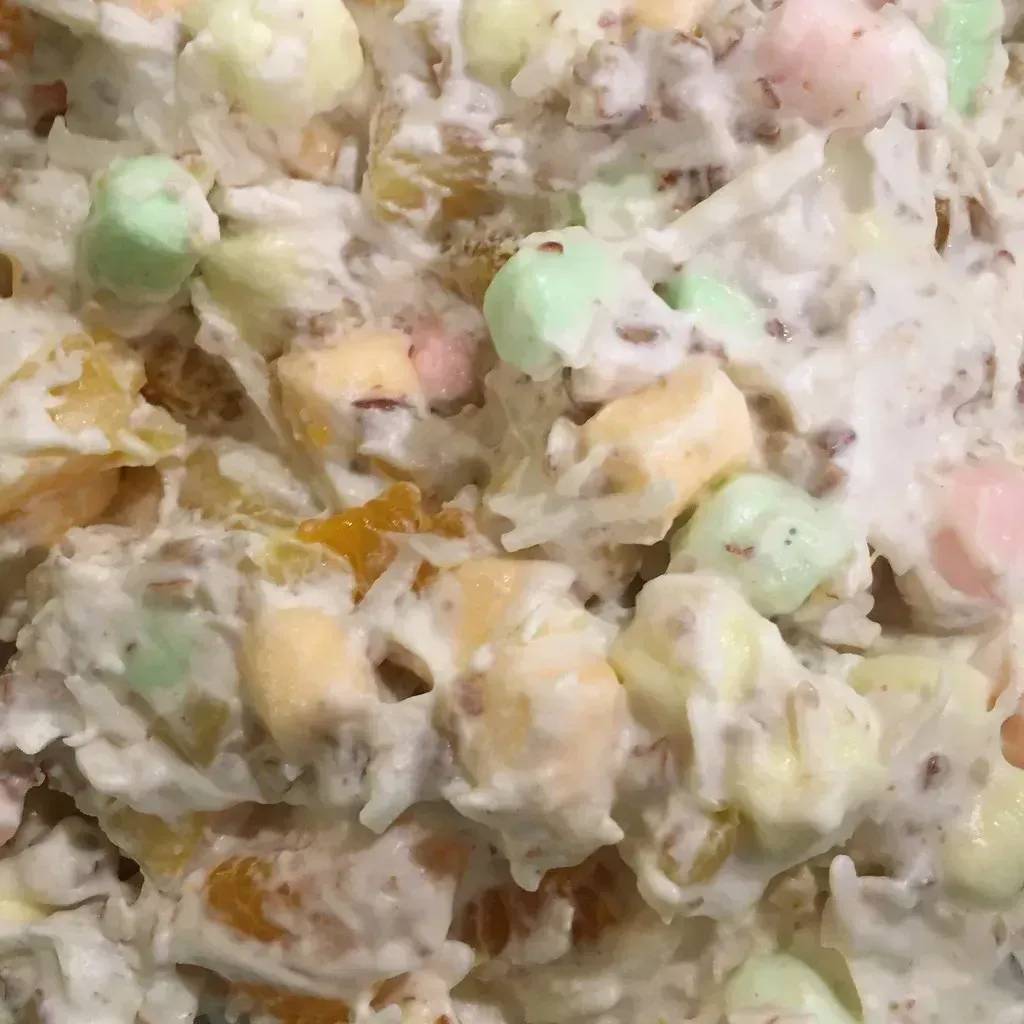
Often made with canned pineapple, mandarin oranges, marshmallows and whipped topping, ambrosia salad was once considered a symbol of luxury on Thanksgiving tables in the 1800s and early 1900s. Recently built railroads connected Florida with the rest of the states, and also ferried coconuts across the U.S. from California, making a salad made of oranges, sugar, and grated coconut exotic symbols of the country’s new connectivity and culinary variety. Yet by the late 20th century, this marshmallow-laden concoction fell completely out of favor. Though it has since fallen out of fashion, it remains a nostalgic Southern favorite. The dish simply couldn’t compete with modern sensibilities favoring fresh ingredients over heavily processed ones.
Liver and Onions
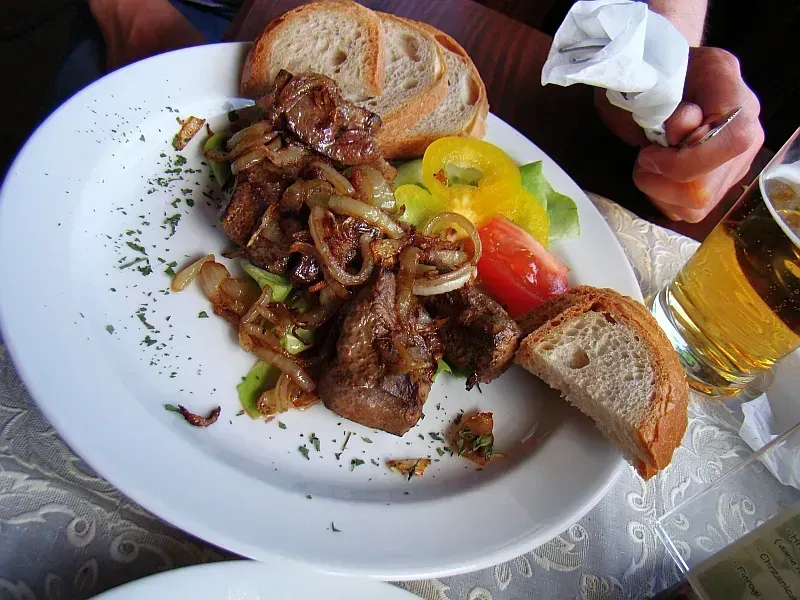
Once popular due to its low cost and high iron content, liver and onions faded as nutrition experts warned about high cholesterol and toxin accumulation in organ meats, with USDA surveys showing that per capita liver consumption dropped significantly after the 1970s. This was a weeknight staple in countless American households for decades. Restaurants removed it from menus due to low demand among younger diners. These days, finding liver and onions on a restaurant menu is like discovering a time capsule. Younger generations have largely rejected this dish, and honestly, most aren’t missing it.
Oyster Dressing
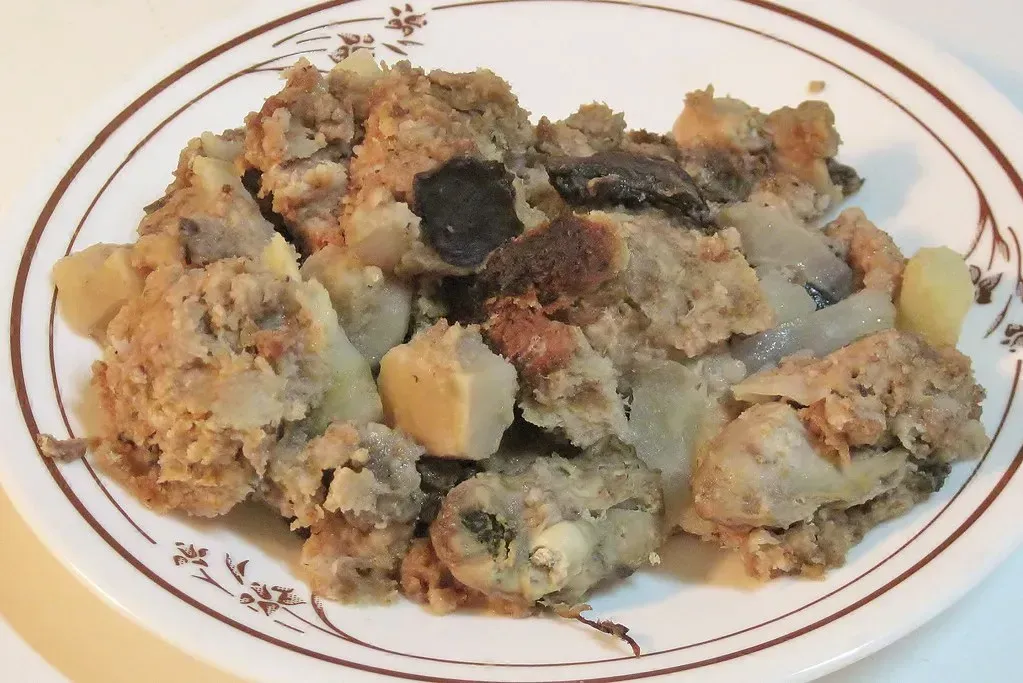
Oyster dressing called for combining shucked oysters and their brine with classic stuffing ingredients including bread, celery and spices. This Thanksgiving side dish was wildly popular in the Northeast during the 18th and 19th centuries. The dish, with roots in British culinary traditions, fell out of favor in the Northeast as oyster populations declined and tastes shifted toward ingredients such as sausage. Environmental changes combined with evolving preferences pushed this once-essential holiday accompaniment into near extinction. You might still find it at very traditional New England tables, but it’s become exceptionally rare.
Jellied Eel
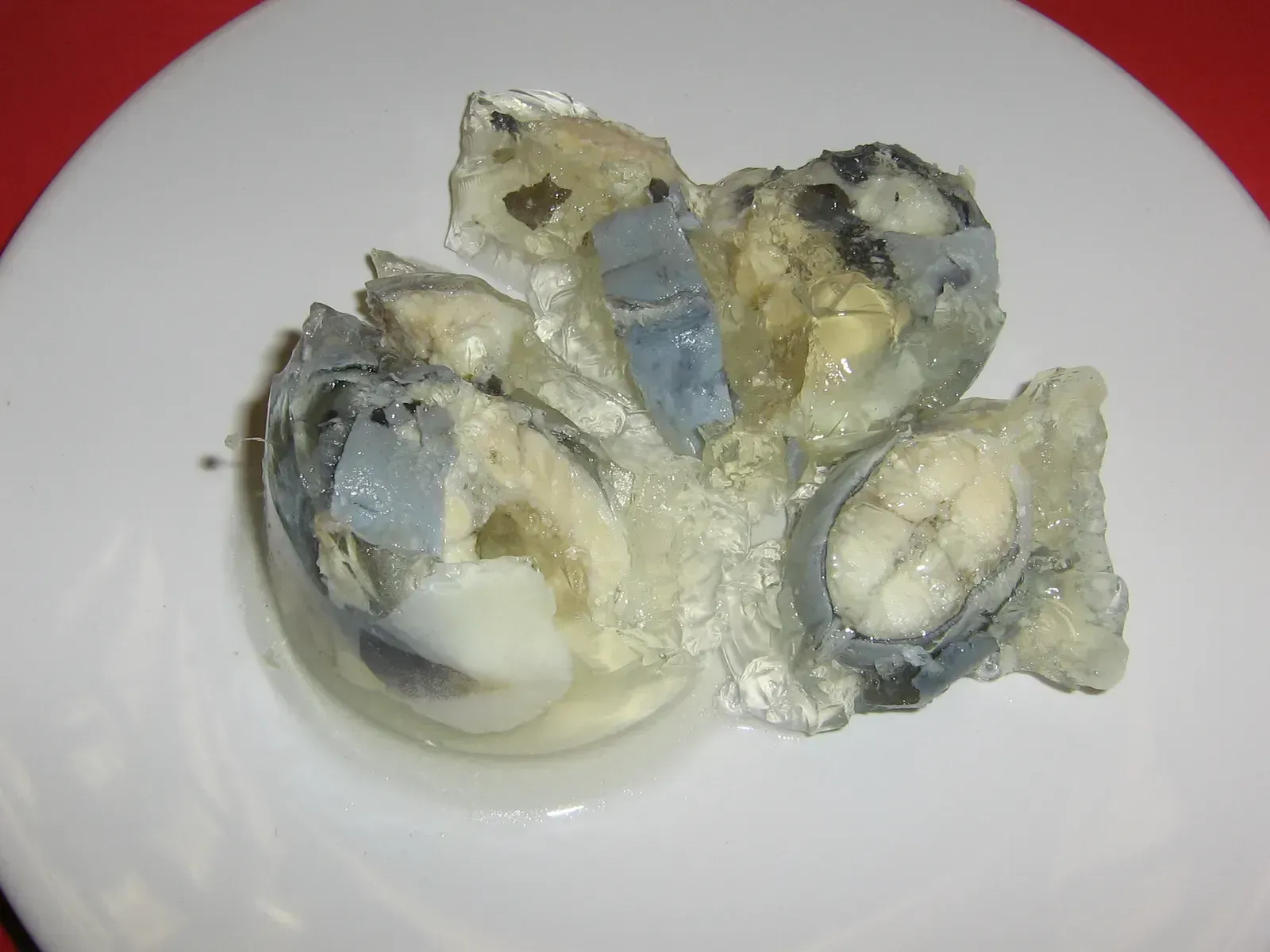
Eel was fried, baked, broiled, and both used in pies and jellies, with chopped eel boiled in a stock that was then cooled, set as a jelly, and eaten cold, often made in the evening, allowed to cool overnight, and enjoyed for breakfast in America. Colonial Americans borrowed this preparation method from British traditions, finding eels plentiful in waterways across the New World. The very idea of jellied eel for breakfast seems unthinkable today. Changing tastes and the general squeamishness around eating eel have made this dish essentially extinct in American cuisine, though a few eel shops still survive in London.
Scrapple
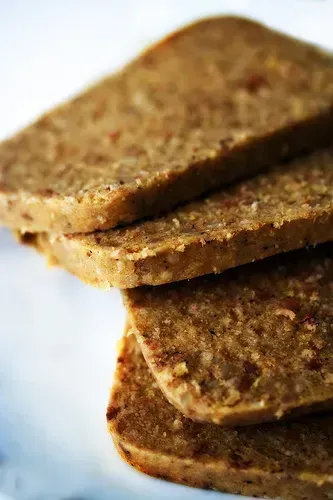
A regional favorite in the Mid-Atlantic United States, scrapple is made from pork scraps and cornmeal, sliced and fried to crispy perfection, while still loved in some corners, its humble roots and mystery meat reputation have made it rare on most mainstream menus today. This Pennsylvania Dutch creation represents the ultimate nose-to-tail eating philosophy. The dish has struggled to escape its “mystery meat” stigma despite its loyal following. Though scrapple devotees swear by it, most Americans have never encountered it and likely never will unless they visit specific Mid-Atlantic regions where the tradition persists.
Giblet Gravy
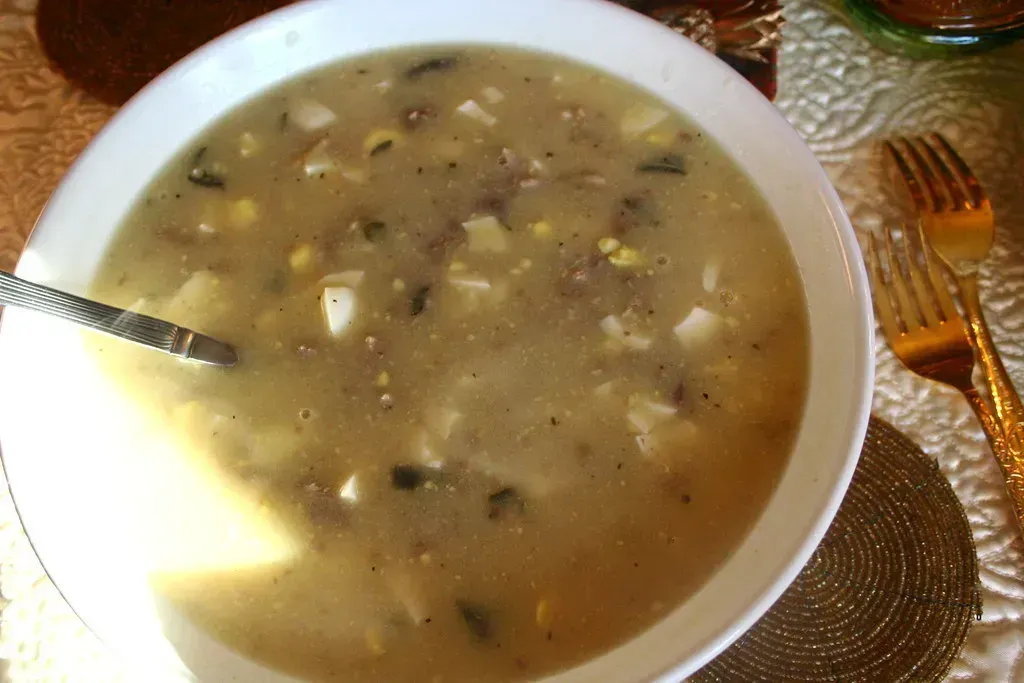
Traditional Thanksgiving gravy once got its rich, savory flavor from simmering the giblets – the turkey’s liver, heart, gizzard and neck. Homemade giblet gravy was standard across American tables for generations, adding depth and richness to holiday meals. The old-fashioned method faded from tradition partly because modern turkeys are sold without giblets and store-bought gravy mixes have become more convenient. Convenience culture essentially killed this time-honored preparation. Most people today wouldn’t know what to do with giblets if they found them.
Aspic Salad
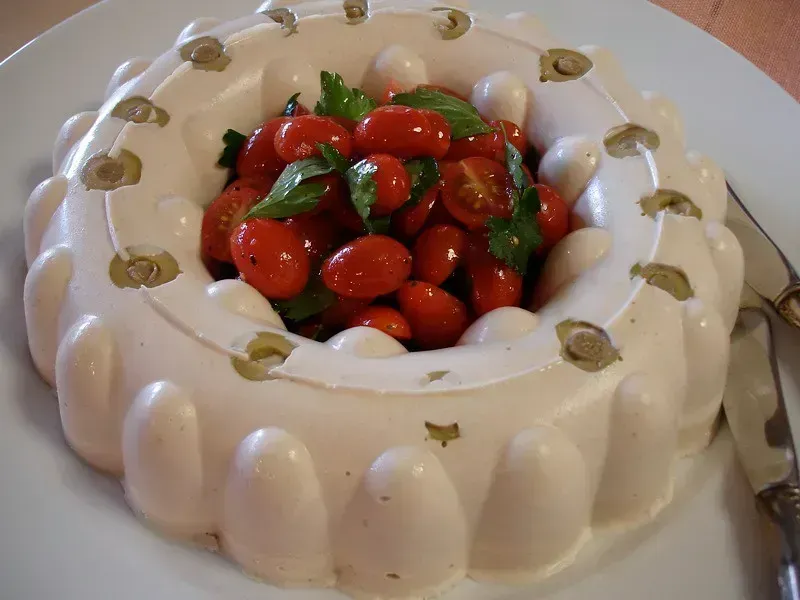
Aspic salads, made with gelatin encasing meats, vegetables or eggs, declined sharply by the 1980s as food historians note that the dish fell out of favor as Americans learned more about foodborne illness risks from improperly chilled gelatin molds, with modern research showing that consumers overwhelmingly prefer fresh textures over gelatin bound savory foods. These shimmering, molded creations were once dinner-party centerpieces throughout the mid-1900s. It was a staple at elegant dinners in the 1950s and 1960s, but has since fallen out of favor, perhaps because gelatinous meat isn’t quite as trendy these days. The texture alone would horrify most contemporary diners. Aspic now exists primarily as a punchline in vintage cookbook collections.
Olive Loaf
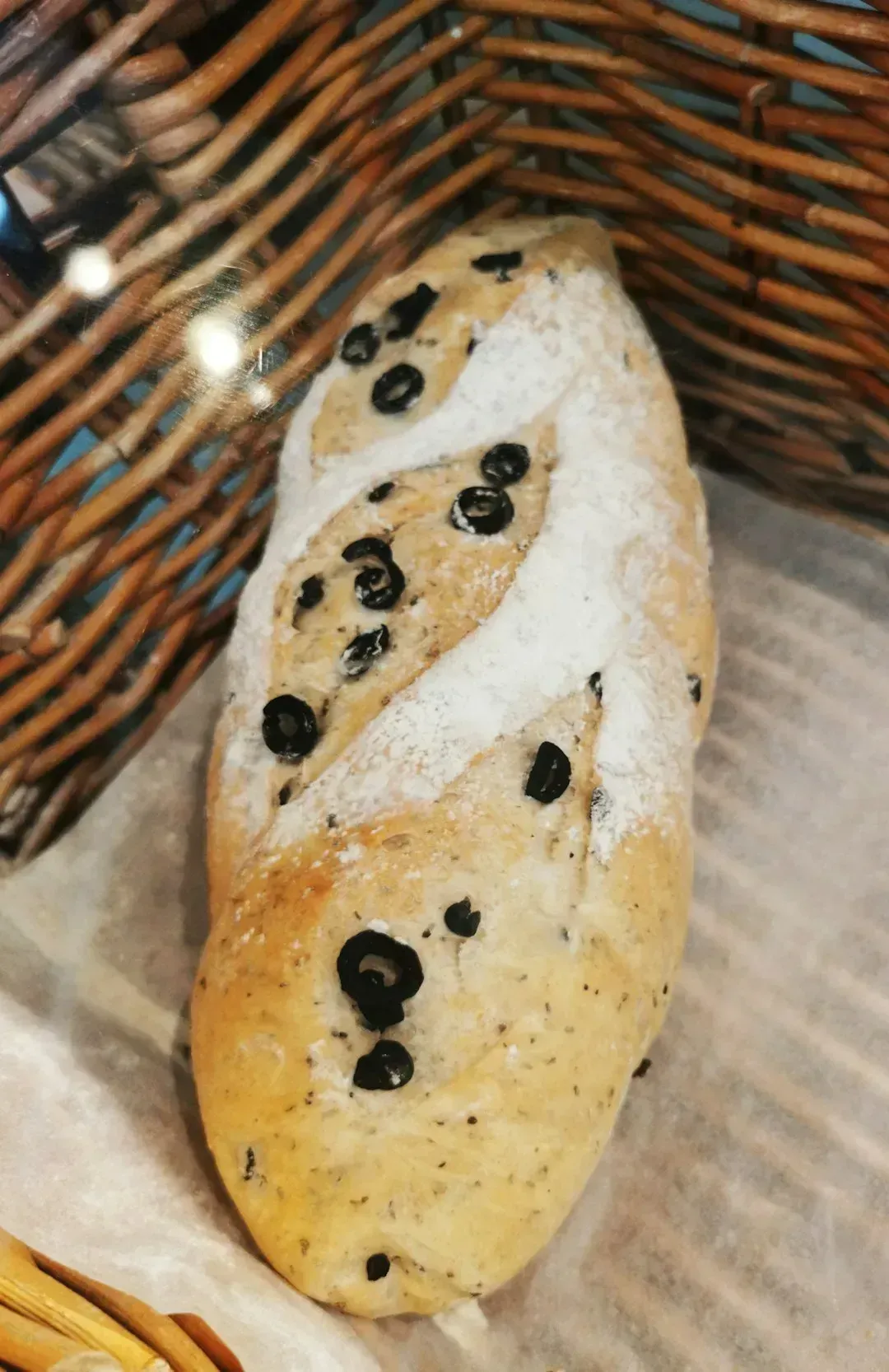
Although the olive loaf is similar to Italian mortadella, sliced sausage meat with cubes of pork fat, this former American favorite deli meat is a mixture of pork, chicken, and beef with whole green olives. This cold cut was once a deli counter staple across America, particularly popular in the mid-20th century. The bizarre combination of processed meats studded with olives has lost its appeal to modern sensibilities. While you might occasionally spot it in old-fashioned delis, olive loaf has largely vanished from most grocery stores and sandwich shops. Let’s be real, younger generations find the concept pretty off-putting.
Salisbury Steak
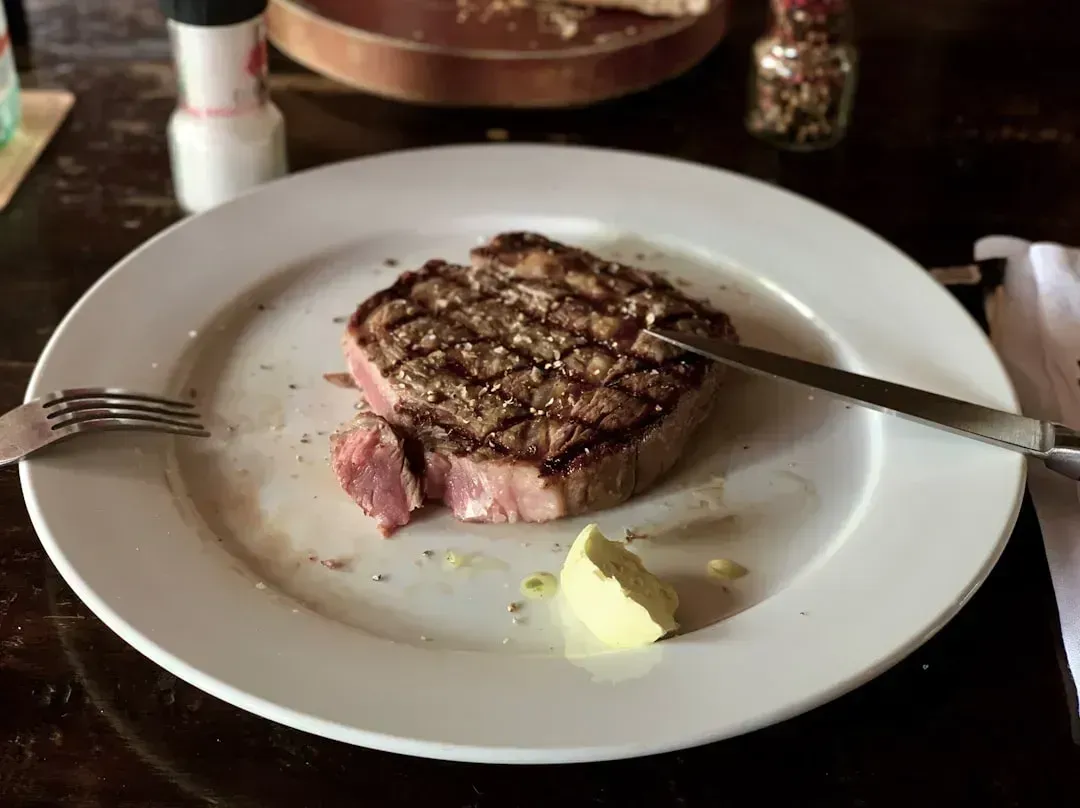
Salisbury steak – ground beef patties covered in gravy and onions – was once the go-to budget-friendly, hearty meal, but the rise of fast-food burgers, frozen dinners, and restaurant menus filled with trendier fare made Salisbury steak look old-fashioned, and today it might be found in a classic diner but rarely appears as the star of a modern home-cooked dinner. This dish felt like comfort incarnate for working-class families throughout the mid-1900s. Its reputation has suffered from association with bland TV dinners and institutional cafeteria food. Though some diners still serve it, Salisbury steak has mostly been relegated to nostalgic memory.
Mock Apple Pie
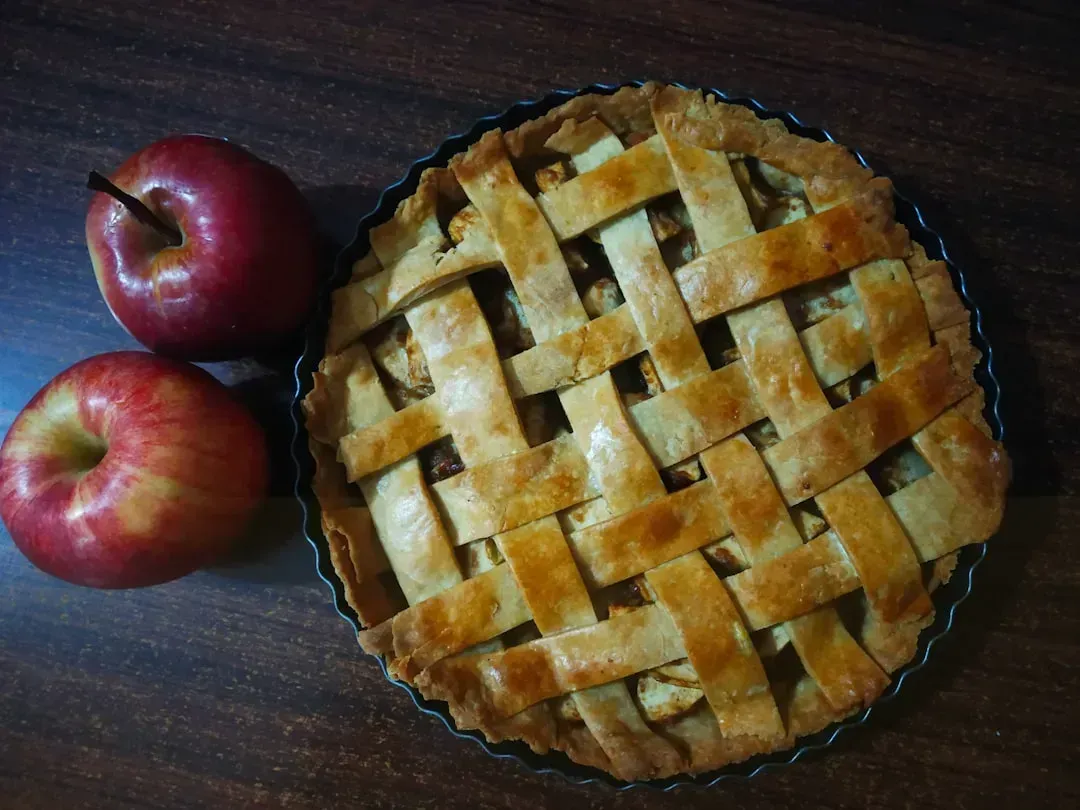
Mock apple pie, made with crackers instead of apples, became popular during the Great Depression when fresh fruit was expensive, but as reliable refrigeration and nationwide produce distribution improved, the dish became unnecessary, with food historians confirming that demand disappeared completely as real apples became inexpensive and widely available. This Depression-era ingenuity produced a surprisingly convincing imitation of apple pie using Ritz crackers. Once economic conditions improved and fresh produce became accessible year-round, there was simply no need for this clever workaround. Today, mock apple pie survives mainly as a quirky recipe on the back of cracker boxes, rarely if ever actually made.
Tomato Aspic
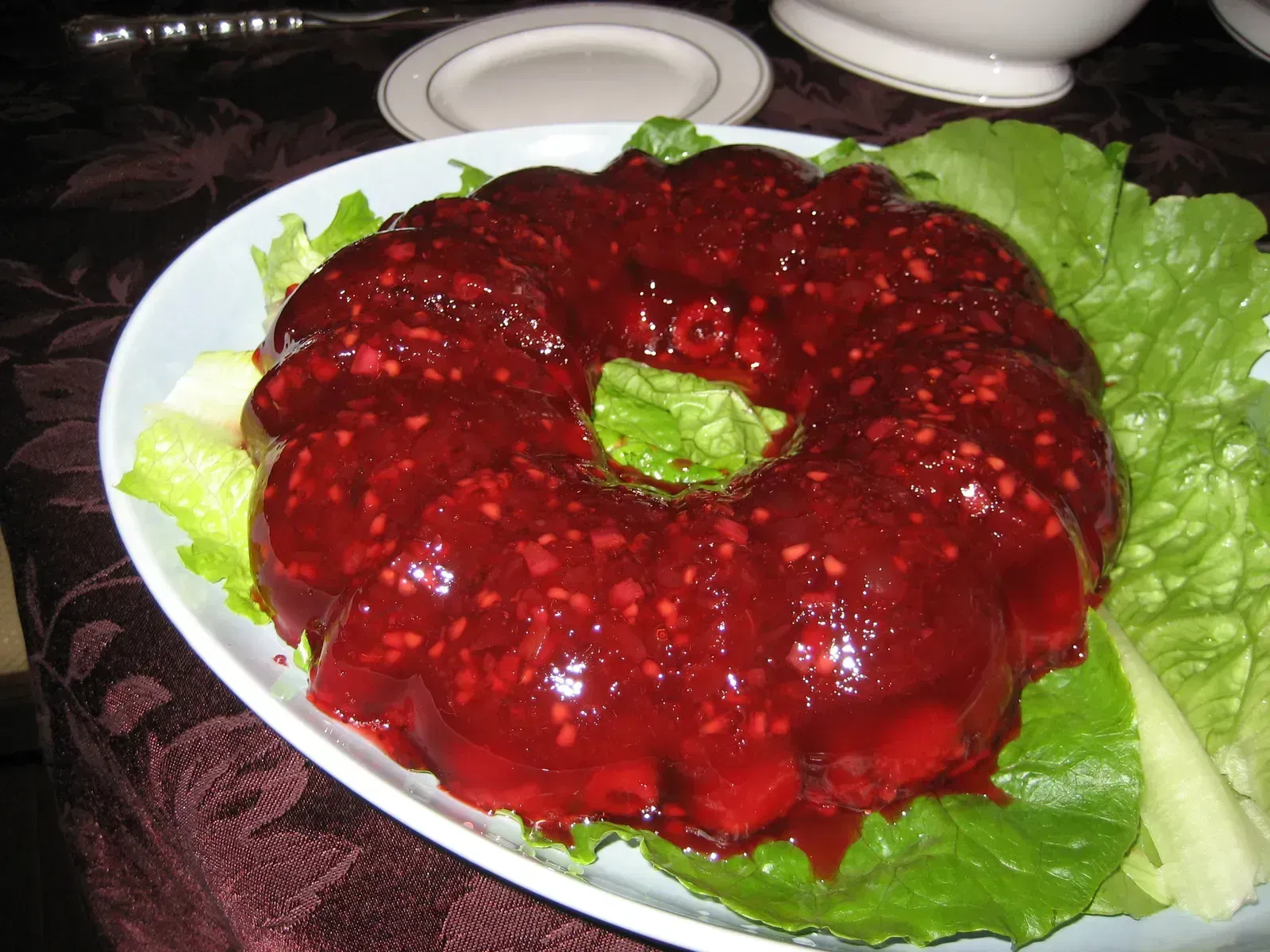
Tomato aspic, a savory gelatin mold flavored with tomato juice and vinegar, fell out of favor as tastes shifted toward fresher salads, with culinary researchers noting that gelatin based savory dishes struggled to survive as refrigeration technology improved and raw vegetables became more accessible nationwide. This congealed salad was a standard side dish at luncheons and dinner parties throughout much of the 20th century. The jiggly, translucent appearance that once signaled sophistication now just looks unappetizing to most people. Improved refrigeration made fresh salads practical year-round, effectively rendering tomato aspic obsolete. You’d have a tough time finding anyone under seventy who’s actually eaten it.
These vanished dishes tell fascinating stories about how American tastes have evolved over the past century. From economic necessity to changing food safety awareness, from environmental protections to shifting cultural norms, each disappeared for its own reasons. Some we might actually want to revive, others are probably best left in the past. Either way, they represent chapters of American culinary history that deserve to be remembered, even if we’re not rushing to recreate them in our kitchens today.