Hanger Steak – The Original Butcher’s Secret
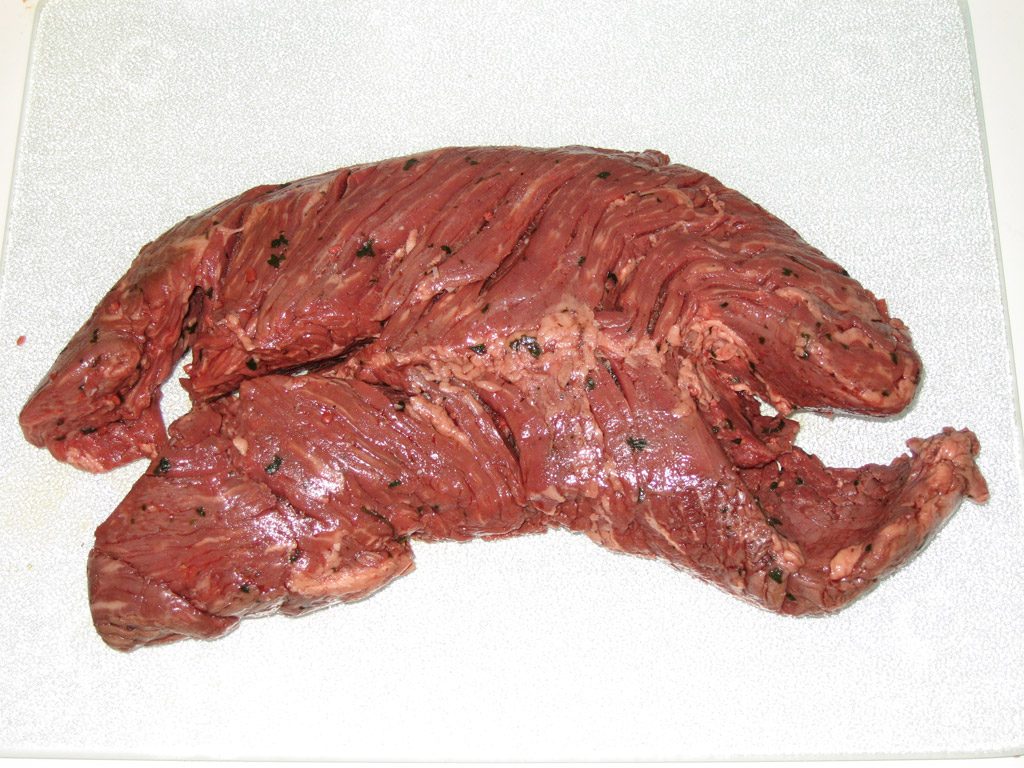
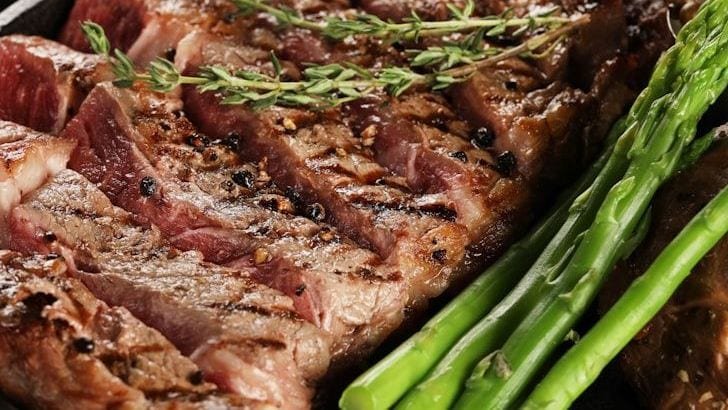
The hanger steak has earned its nickname as “the butcher’s secret” because butchers traditionally kept this exceptional cut for themselves instead of selling it on the market. This scarcity makes perfect sense when you realize there’s only one hanger steak per cow. Despite its humble appearance when wrapped in tough gristle and silver skin, this cut delivers tender and juicy beef with a rich, full-flavored taste. The hanger literally hangs from the diaphragm with no work, giving it very fine grain and fantastic tenderness. Most grocery stores can’t practically stock this cut since they’d need a dozen whole cows just to display twelve hanger steaks on their shelves.
Flat Iron Steak – Second Most Tender Cut
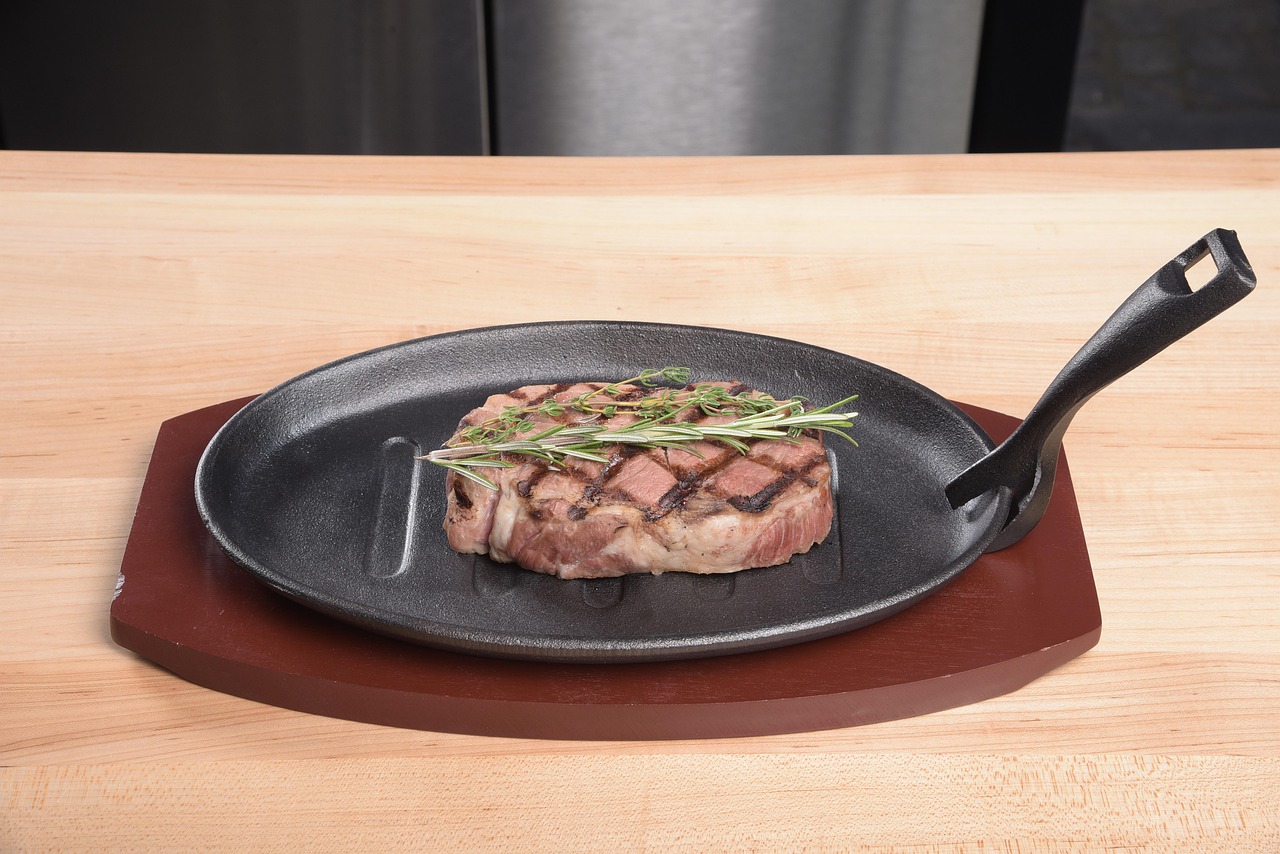
This cut might be the best-kept secret in the meat industry, as butchers and beef experts have long favored the flat iron for its incredible tenderness – ranking as a close second to filet mignon. The flat iron is extremely tender, with no connective tissues and very fine grain, possessing rich marbling that makes it amazingly buttery and juicy. The best part is that this cut costs only half the price of filet mignon, making it a perfect example of how knowledge is power in the meat world. There’s a line of gristle that runs down the center, so the steak can be tough if not properly removed by the butcher.
Teres Major – The Chuck’s Hidden Treasure
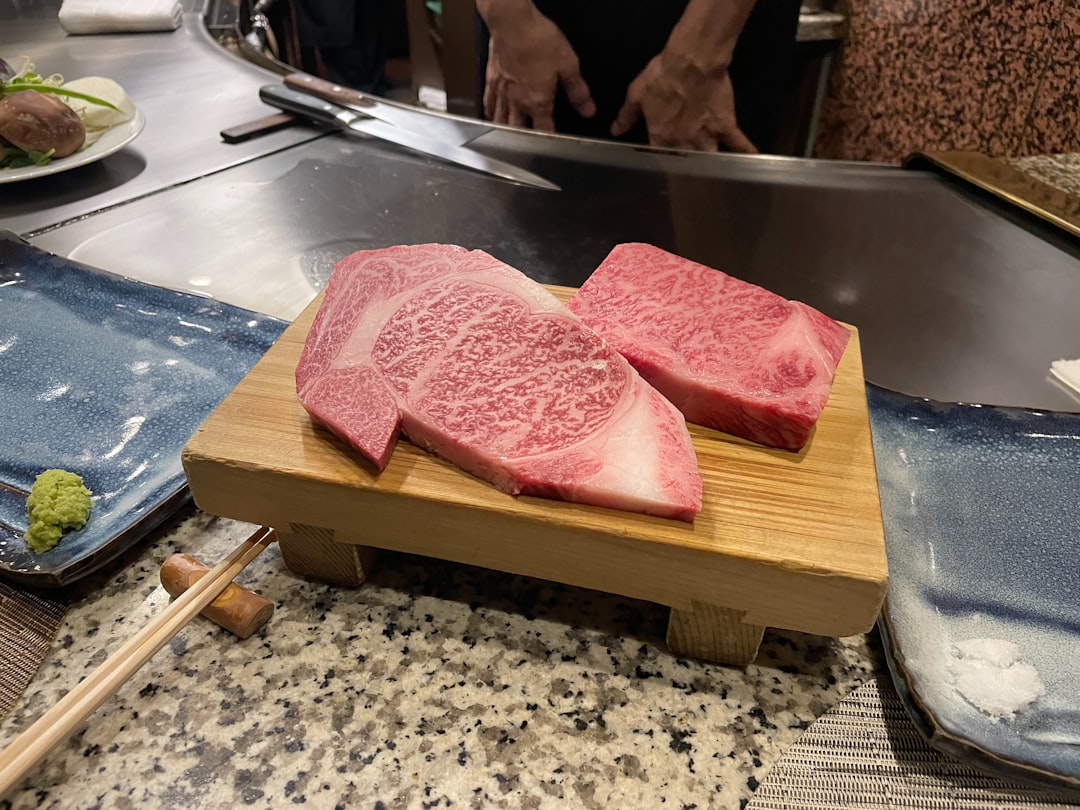
A chef secret for many years, the teres major beef steak is an underused cut sometimes used as a substitute for beef tenderloin, and if you like hanger steak and other “butcher steaks,” you’ll love this one. This small muscle is about the size of a pork tenderloin and is exceptionally tender, perhaps only second to the tenderloin, while still being relatively unknown and very affordable. This naturally tender cut requires a skilled butcher to extract it from the shoulder muscles, so it’s not commonly found in grocery meat cases. The challenge comes from the fact that this small muscle weighs only about 8-12 ounces per side in a typical beef carcass.
Ribeye Cap – The King of Steaks
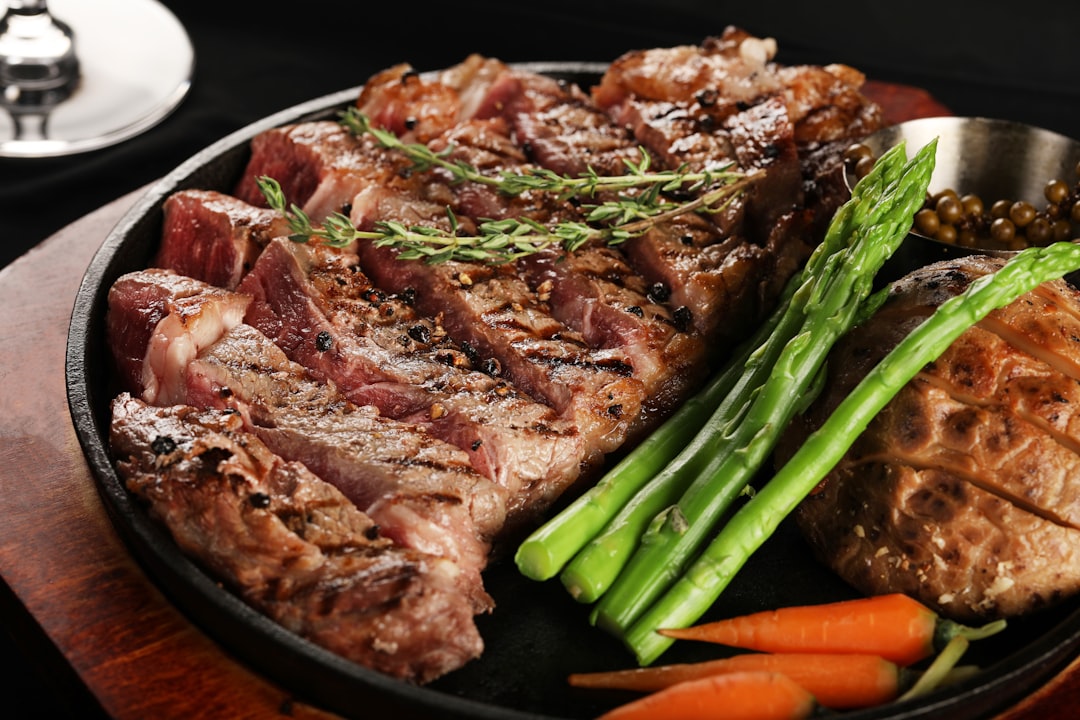
The ribeye cap, also known as spinalis dorsi, delivers exceptional marbling, exquisite flavor, and extraordinary tenderness – it’s quite rare to find but filled with awesome natural flavor. The ribeye cap is the best and most delicious part of a ribeye, but it’s very uncommon to buy just the cap since butchers don’t want to waste any chance of selling all the cow’s parts. This cut is also called the spinalis dorsi, cap of ribeye, or deckle, and is one of three major muscles included in the rib primal. The rib cap’s marbling is intense, making it a standout even among premium cuts. When you can find it separated from the whole ribeye, expect to pay a premium for this butcher’s treasure.
Denver Steak – The Unexpected Chuck Champion
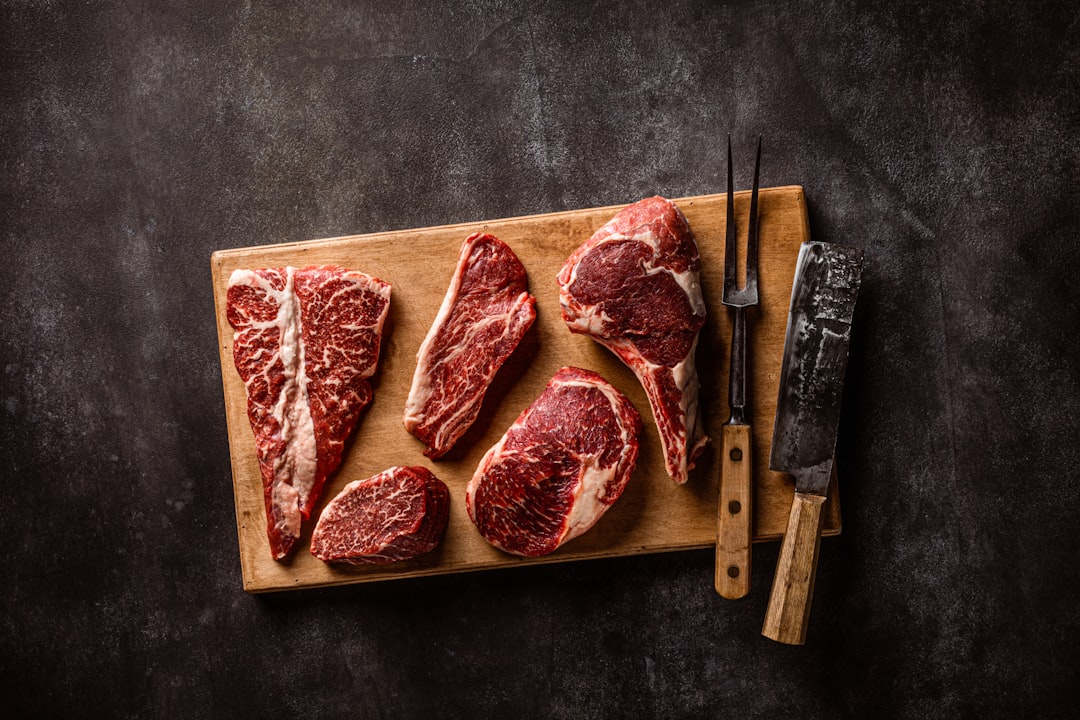
The Denver steak ranks as the fourth most tender steak after tenderloin, flat iron, and ribeye cap – it’s a hidden gem that not many butcher shops carry as it requires nice butchering skill. Discovered through research by the National Cattlemen’s Beef Association and Colorado State University in the early 2000s, this cut comes from the chuck roll in the cow’s shoulder and was found to be fit for high-heat grilling while remaining juicy, tender, and delicious. Denver steaks are hard to find and usually only available from established butchers rather than supermarkets, though they do cost more than readily accessible cuts. Also known as Zabuton, which means ‘little pillow’ in Japanese, this cut is so immensely marbled with fat that it leaves the meat soft and tender.
Picanha – Brazil’s Best Kept Secret
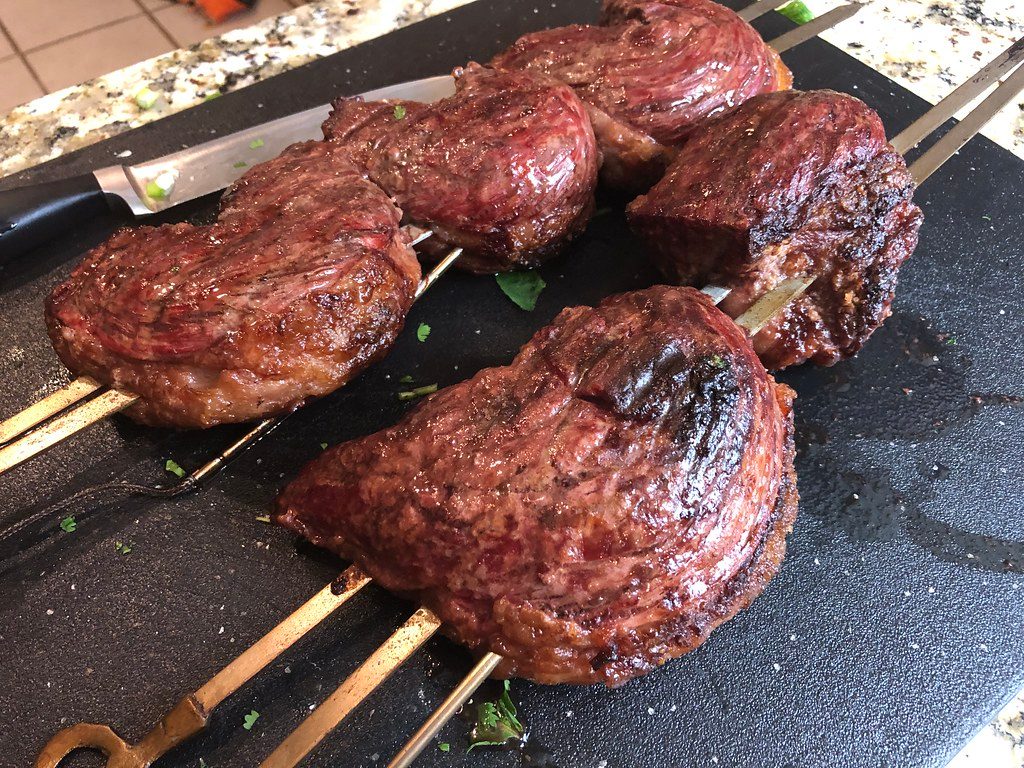
Picanha can be a steal if you find it at a Brazilian butcher or specialty shop, though mainstream grocery stores often mark it up as a ‘premium cut’ – butchers who understand this cut’s true value often keep it for themselves. Hugely popular in Brazil, the rump cap or picanha is one of the most flavorful cuts you can find, taken from the cap of the top sirloin as a flat, triangular, boneless cut. This cut has dense flavor because of the heavy exercise of the muscle, and sometimes comes with a desirable fat cap that adds essence while keeping the meat moist and tender. The triangular shape and unique fat distribution make this cut particularly challenging to identify for untrained eyes, which is why many butchers simply grind it or use it for other purposes.
Tri-Tip – California’s Regional Gem
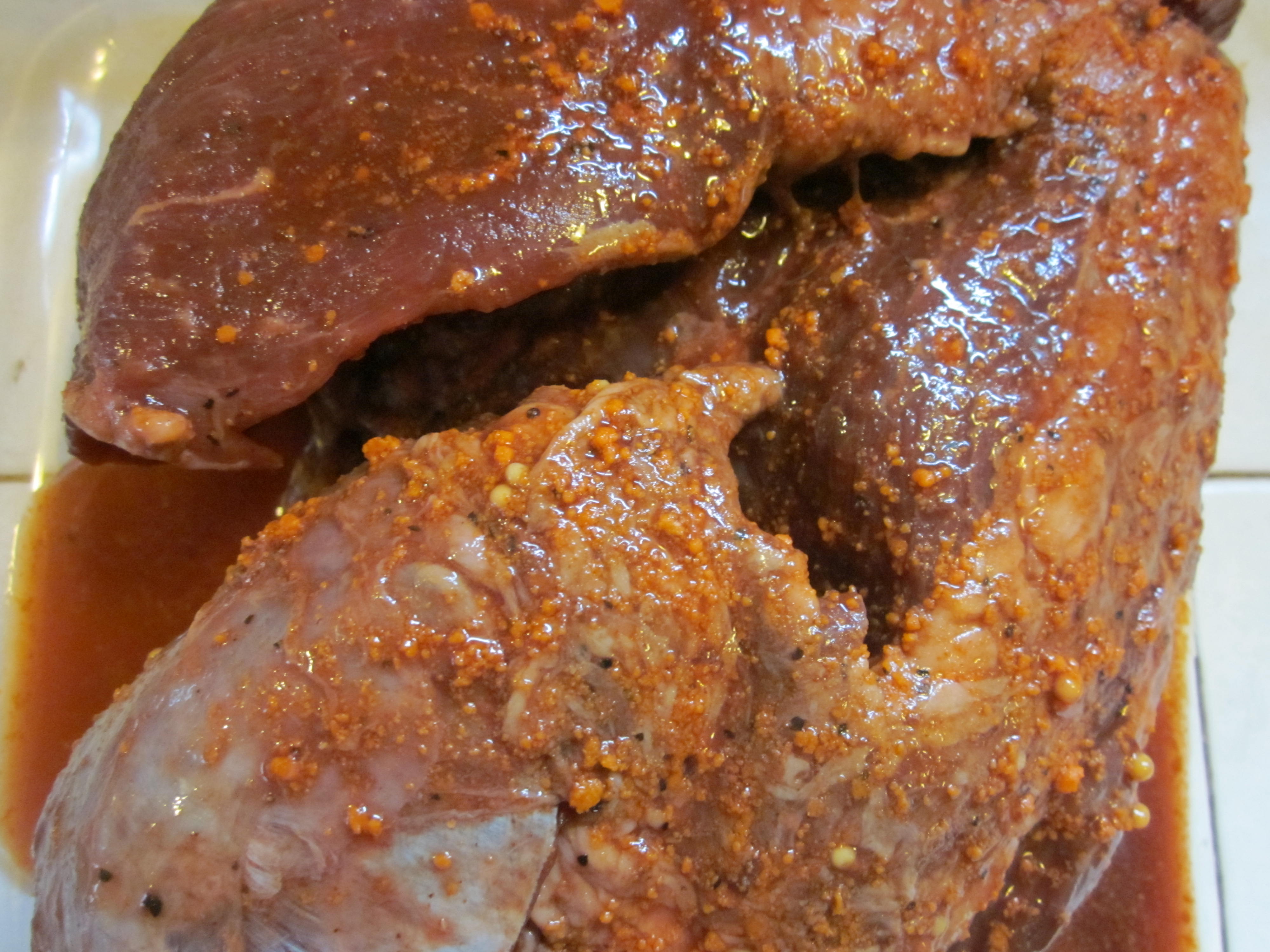
This triangular-shaped cut from the bottom of the sirloin is often called a “Poor Man’s Brisket” as it grills fast like a steak but cuts like a brisket – it has a fascinating history of being overlooked until California pitmasters discovered its potential. Prior to the nineteen fifties, this cut was only used to make stew meat or ground beef. Tri tip is versatile and takes well to both wet and dry rubs, making a great roast that can also be portioned into steaks for quick grilling. The cut has two distinct grain patterns – one vertical and one horizontal – requiring you to cut the steak in half where the grains intersect, then slice each piece against the grain.
Chuck Eye Steak – Poor Man’s Ribeye
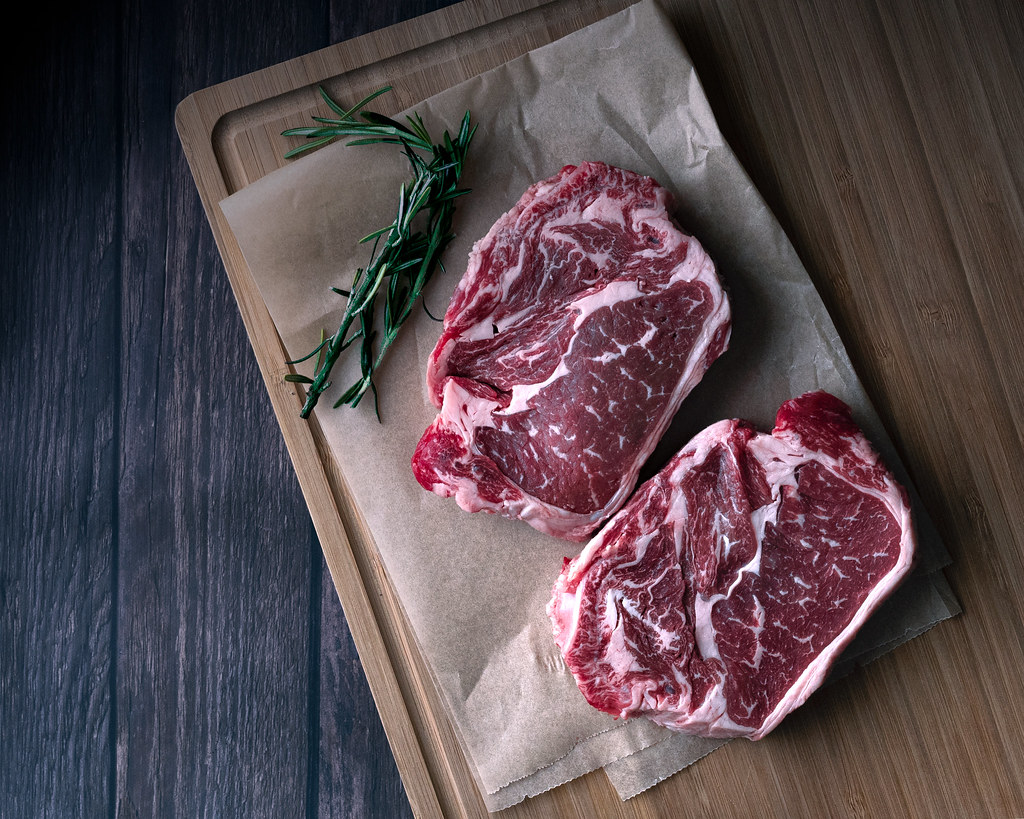
The chuck eye is known as the poor man’s ribeye, which isn’t necessarily a bad thing – it’s the beginning of ribeye, and there are only two chuck eyes per cow, giving you ribeye flavor without the ribeye price point. This under-appreciated cut actually comes from the same muscle as the ribeye, though it’s from the chuck rather than rib primal, where the muscle tapers and develops more texture from frequent use. It has a similar taste profile to ribeye but at a more reasonable price – even the owner of some butcher companies prefers this cut over strip steak, calling it way underrated when cooked to medium or below. Cut from the shoulder specifically from the chuck roll, chuck eye steaks pack lots of beefy flavor with half the cost of ribeye.
Secreto – The Pork World’s Hidden Treasure
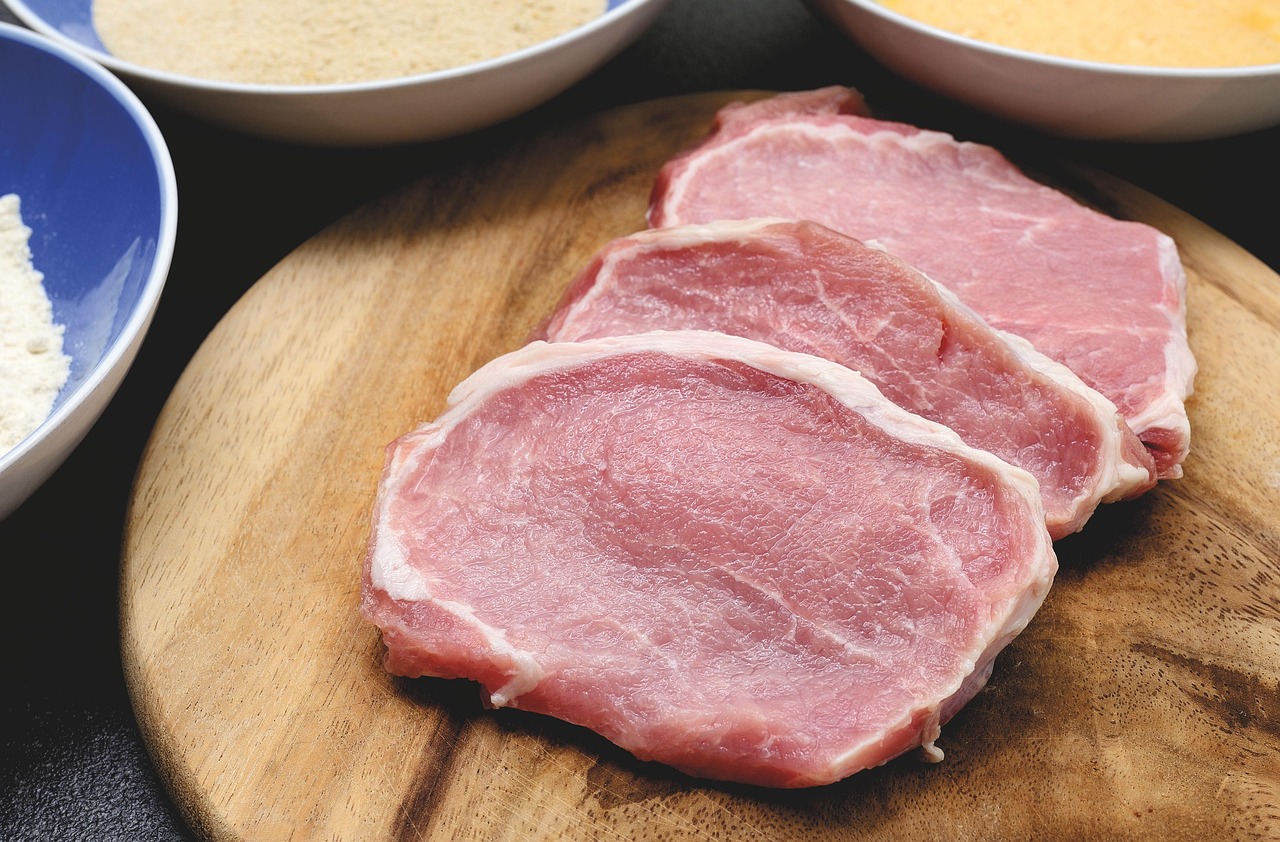
The Secreto is an aptly named sneaky cut – really just the skirt steak of the pig, laying over the belly next to spare ribs, often removed before bellies are turned into bacon so baconers can have lunch. It looks just like a beef skirt steak but smaller at four to six ounces, benefiting from being tenderized and cooked as quickly as possible over high heat for one to two minutes per side. Much like beef skirt steak, the secreto benefits from being tenderized with a Jaccard knife or marinade, and because it’s so small and thin, it should be cooked quickly over high heat. Only the best butchers are familiar with this cut – it’s thin and small in size, but because it’s so heavily marbled, it has an outsized flavor that’s perfect when quick-seared and tempered with tangy chimichurri.
Oyster Steak – The Spider Web Delicacy
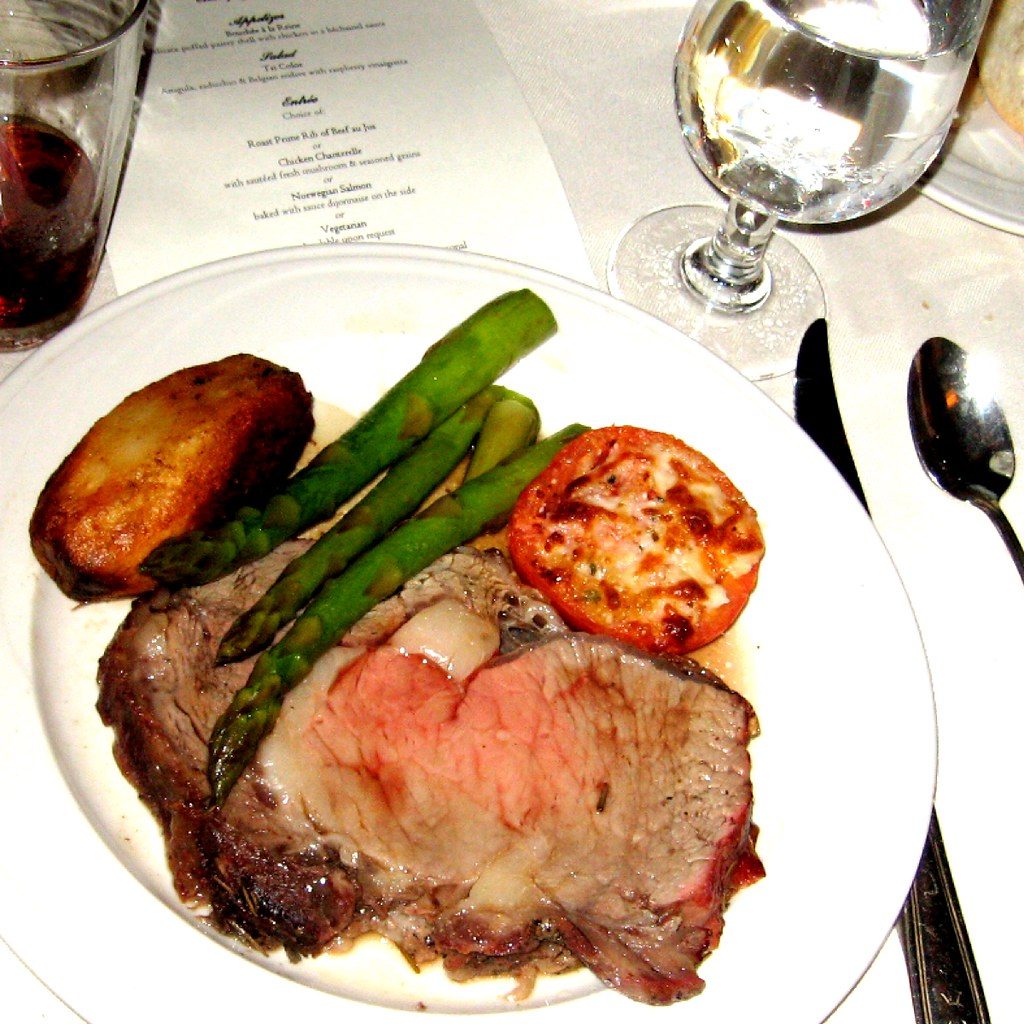
The oyster steak, also known as spider steak, is one of those cuts that butchers used to keep for themselves – it gets its names from its looks, as the intramuscular fat resembles a spider web and the overall shape resembles an oyster. The oyster steak represents ultimate insider knowledge – you need to understand bovine anatomy to even know this cut exists, like having a secret map to buried treasure, except the treasure is deliciously marbled beef. This cut is found in the inner part of the cow’s hip bone and is quite rare to find, but it’s filled with awesome natural flavor and quite a bit of marbling. When cooked to a good medium rare finish, it’s probably one of the most interesting cuts of beef you’ll ever try.
The Economics Behind Butcher’s Cuts
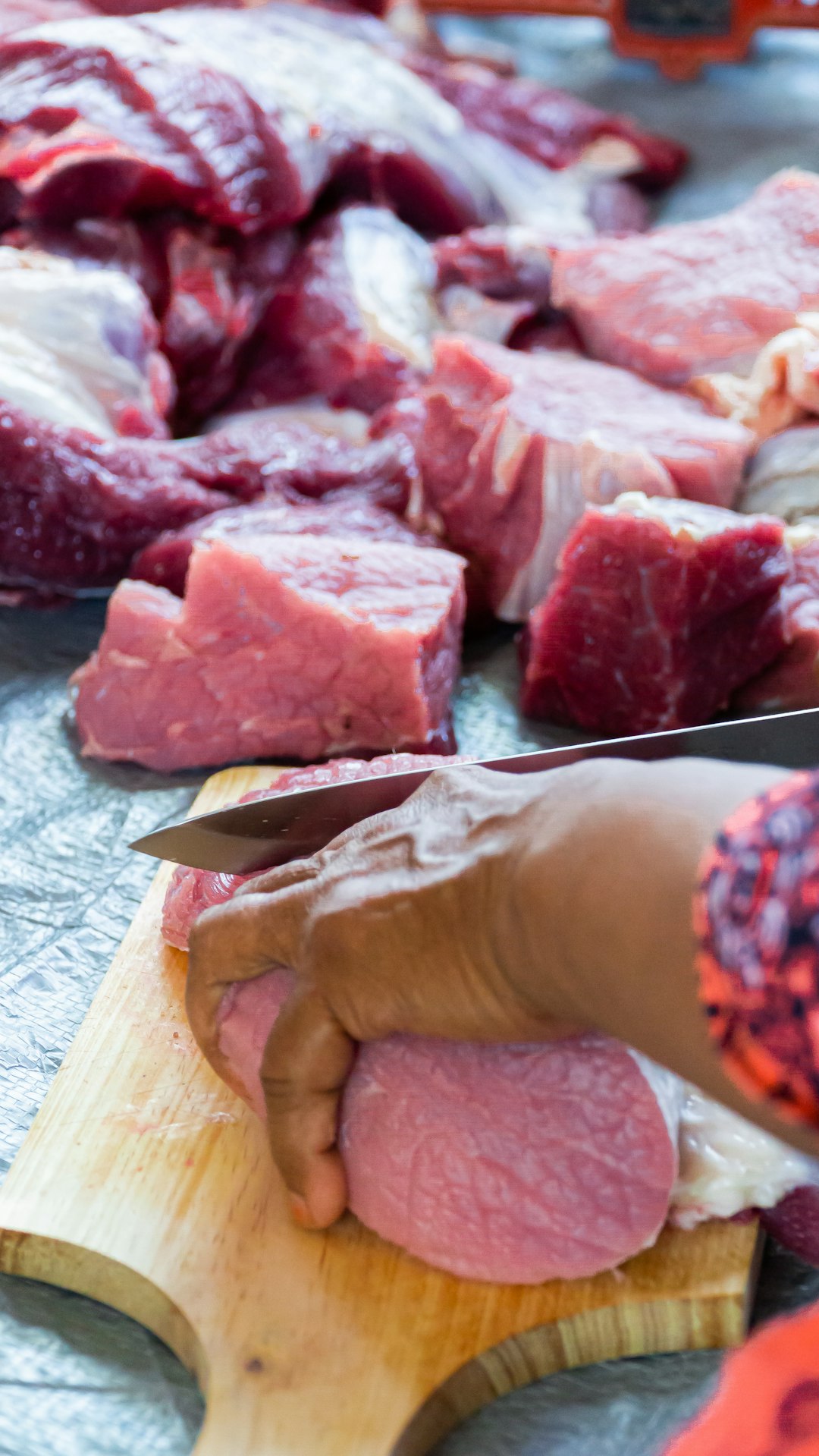
These days, absolutely no butcher is going to discount their meat – they charge more than the price of porterhouse for anything that’s not “normal,” simply calling it a specialty cut or “hard to get” and charging premium prices. The sneaky butcher secret is that at least thirty percent of all beef inventory never gets sold anymore due to high prices – they’d rather throw it away or take it home than sell it at reasonable prices. Butchers that still break down whole animals by themselves and cut steaks by hand know where the tastiest meat is on every cow and traditionally keep these cuts to themselves. The irony is that while these cuts were once considered undesirable or too labor-intensive to market, they now command premium prices from knowledgeable consumers who understand their exceptional quality and limited availability.
The reality is that modern butchers have caught onto the secret – what used to be their personal reward for skilled labor has become a marketing opportunity. Yet these cuts remain largely unknown to average consumers, creating an interesting dynamic where knowledge truly equals culinary treasure. The next time you visit your butcher, don’t just ask for the usual suspects – inquire about these hidden gems and prepare to discover flavors that rival the most expensive steaks at a fraction of the cost.